
Having diabetes is like driving on a busy highway—but you need to know the rules...
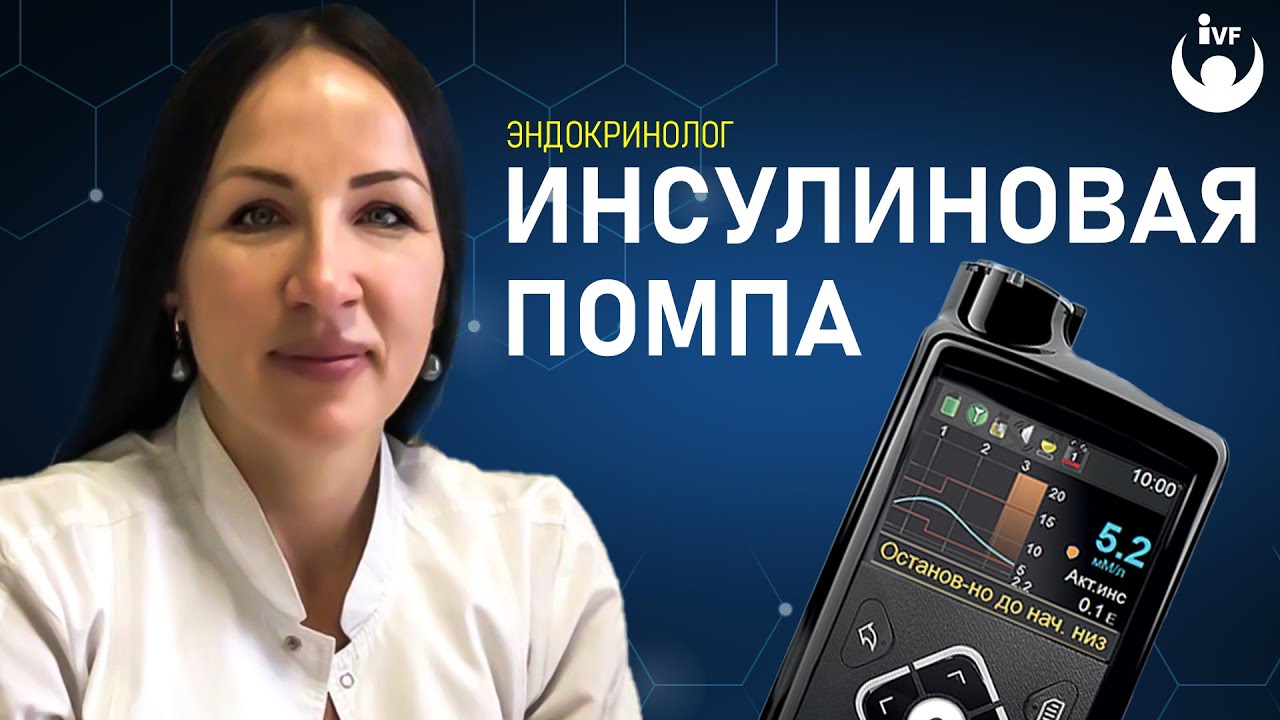
Treating type 1 diabetes with an insulin pump is a modern and highly effective method of insulin delivery. A pump is a small wearable device that continuously delivers insulin under the skin through a thin tube (catheter), closely mimicking the function of a healthy pancreas.
It provides a continuous supply of basal insulin (the background insulin needed between meals and overnight) and allows boluses (additional doses) to be administered before meals or to correct high blood sugar levels.
The main advantage of pump therapy is more precise, flexible, and individualized glucose control compared with multiple daily injections. Using a pump can significantly reduce fluctuations in blood sugar throughout the day, lower the risk of both hypoglycemia and pronounced hyperglycemia, and improve glycated hemoglobin (HbA1c) levels.
Although switching to a pump requires training, an understanding of how it works, and active patient participation, it can significantly improve quality of life, provide greater freedom in daily routines and diet, and make diabetes management more predictable and effective.
Treating type 1 diabetes with an insulin pump is a modern and highly effective method of insulin delivery. A pump is a small wearable device that continuously delivers insulin under the skin through a thin tube (catheter), closely mimicking the function of a healthy pancreas.
It provides a continuous supply of basal insulin (the background insulin needed between meals and overnight) and allows boluses (additional doses) to be administered before meals or to correct high blood sugar levels.
The main advantage of pump therapy is more precise, flexible, and individualized glucose control compared with multiple daily injections. Using a pump can significantly reduce fluctuations in blood sugar throughout the day, lower the risk of both hypoglycemia and pronounced hyperglycemia, and improve glycated hemoglobin (HbA1c) levels.
Although switching to a pump requires training, an understanding of how it works, and active patient participation, it can significantly improve quality of life, provide greater freedom in daily routines and diet, and make diabetes management more predictable and effective.


