
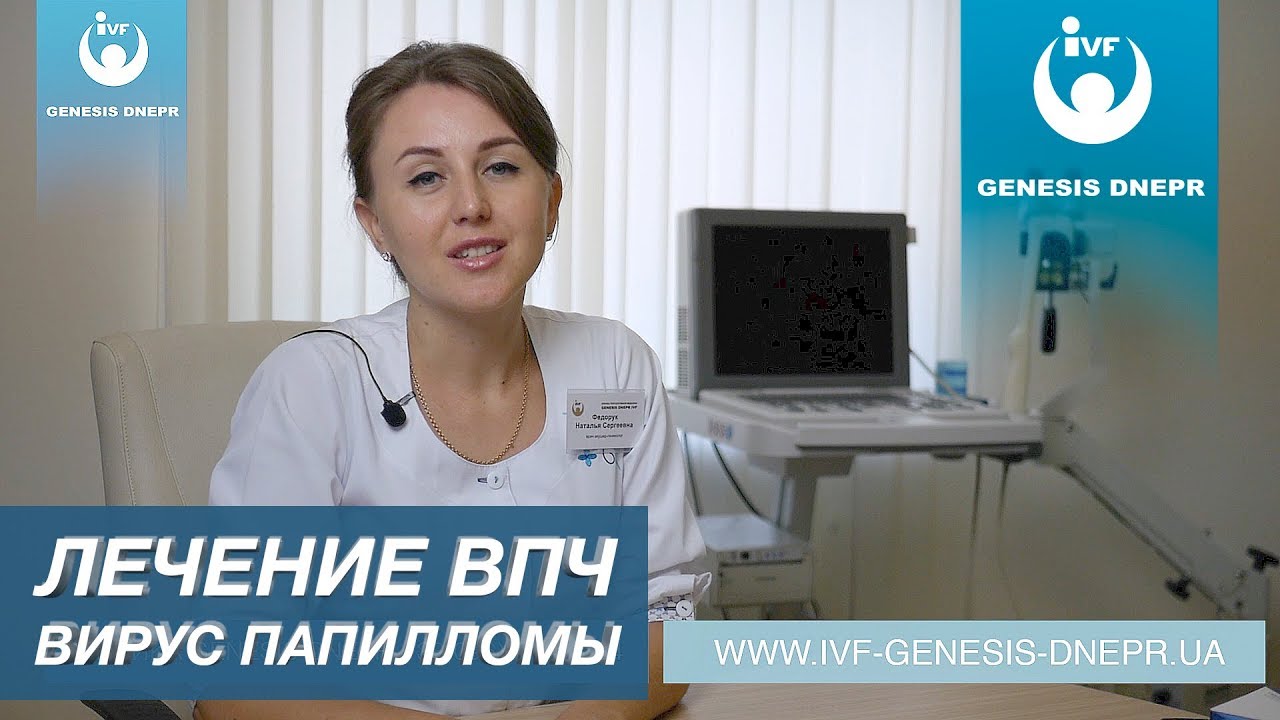
If you have been diagnosed with human papillomavirus... The types of HPV and which ones are dangerous to women’s health... Why diagnosis is important and when to see a doctor...
HPV detection is common, as it is a frequent viral infection.
Two types of HPV:
1. Low-risk types (6, 11):
cause genital warts, which are not life-threatening.
2. High-risk types (16, 18, and others):
may lead to precancerous changes and cervical cancer (the primary concern), as well as other types of cancer. Cancer develops slowly, providing time for diagnosis.
Detecting HPV is not a sentence but a reason for regular monitoring. The virus itself cannot be cured, but its manifestations—warts and precancerous changes in the cervix—can be treated.
Important:
• Regular screening with a gynecologist:
a Pap test (starting at age 21) and an HPV test (starting at age 30) are key methods of preventing cervical cancer.
• See a doctor if you develop genital warts, unusual bleeding or discharge, or if you are interested in HPV vaccination.
• Don’t panic. Follow your doctor’s recommendations for early diagnosis and prevention.
HPV detection is common, as it is a frequent viral infection.
Two types of HPV:
1. Low-risk types (6, 11):
cause genital warts, which are not life-threatening.
2. High-risk types (16, 18, and others):
may lead to precancerous changes and cervical cancer (the primary concern), as well as other types of cancer. Cancer develops slowly, providing time for diagnosis.
Detecting HPV is not a sentence but a reason for regular monitoring. The virus itself cannot be cured, but its manifestations—warts and precancerous changes in the cervix—can be treated.
Important:
• Regular screening with a gynecologist:
a Pap test (starting at age 21) and an HPV test (starting at age 30) are key methods of preventing cervical cancer.
• See a doctor if you develop genital warts, unusual bleeding or discharge, or if you are interested in HPV vaccination.
• Don’t panic. Follow your doctor’s recommendations for early diagnosis and prevention.


