
CYSTOSCOPY UNDER ANESTHESIA
Cystoscopy is a medical procedure that allows a doctor to examine the inside of the bladder and urethra using a thin, flexible tube with a camera and light at the end, called a cystoscope. This procedure is often used to diagnose, monitor, and treat conditions affecting the bladder and urethra.
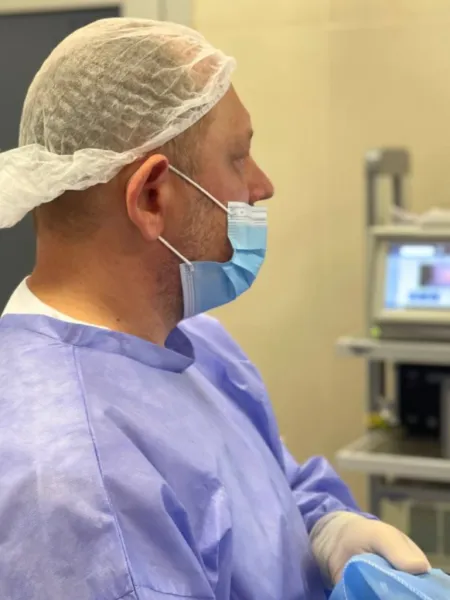
Cystoscopy under Anesthesia: Accurate Diagnosis without Pain and Fear
Cystoscopy is an endoscopic examination of the bladder and urethra using a special optical device called a cystoscope. The procedure allows the doctor to inspect the inner walls of the bladder and urethra, identify inflammations, tumors, stones, sources of bleeding, and other pathologies.
Why Cystoscopy is Performed
The examination is prescribed for:
frequent or painful urination;
suspected cystitis, polyps, tumors, stones;
presence of blood in the urine;
chronic urinary tract infections;
urinary incontinence, lower abdominal pain;
the need for follow-up after surgery or treatment.
Cystoscopy is the "gold standard" for diagnosing bladder diseases, allowing visualization of what is not accessible through ultrasound or tests.
Why Under Anesthesia
Although cystoscopy can be performed under local anesthesia, many patients find it more comfortable to undergo it under intravenous anesthesia (sedation). This is a modern, safe medicinal sleep during which the person feels no pain and experiences no stress.
Advantages of Cystoscopy under Anesthesia:
complete absence of pain and discomfort;
calm emotional state of the patient;
possibility of a more accurate and thorough examination;
ideal for children and anxious patients.
How the Procedure is Conducted
Preparation. Ultrasound, blood and urine tests, and anesthesiologist consultation are conducted.
Anesthesia. The patient is put into a short medicinal sleep.
Examination. A thin flexible cystoscope is inserted through the urethra, allowing inspection of the bladder and ureteral orifices.
Completion. After awakening, the patient rests for 1–2 hours under medical supervision, then can leave the clinic.
The duration of the procedure is about 15–30 minutes.
After Cystoscopy
For 1–2 days, slight burning during urination and minor urine cloudiness may occur — this is a normal reaction. It is recommended to:
drink more fluids;
avoid physical exertion and hot baths;
take prescribed anti-inflammatory medications if necessary.
Advantages of Cystoscopy under Anesthesia at "Genesis Dnipro" Clinic
modern endoscopic equipment;
experienced urologists and anesthesiologists;
safe sedation medications;
sterile disposable instruments;
comfortable conditions and delicate treatment of each patient;
possibility of combining diagnostics with therapeutic manipulations (polyp removal, coagulation, biopsy).
Why It’s Important Not to Delay Diagnosis
Many bladder diseases develop asymptomatically and are detected at later stages. Cystoscopy under anesthesia is an accurate, informative, and comfortable way to ensure the health of the urinary system.
Care, Comfort, and Safety
At "Genesis Dnipro" Clinic, the procedure is conducted with maximum care for the patient. We use only modern equipment and the latest generation anesthesia to make the examination as comfortable and painless as possible.
Cystoscopy is an endoscopic examination of the bladder and urethra using a special optical device called a cystoscope. The procedure allows the doctor to inspect the inner walls of the bladder and urethra, identify inflammations, tumors, stones, sources of bleeding, and other pathologies.
Why Cystoscopy is Performed
The examination is prescribed for:
frequent or painful urination;
suspected cystitis, polyps, tumors, stones;
presence of blood in the urine;
chronic urinary tract infections;
urinary incontinence, lower abdominal pain;
the need for follow-up after surgery or treatment.
Cystoscopy is the "gold standard" for diagnosing bladder diseases, allowing visualization of what is not accessible through ultrasound or tests.
Why Under Anesthesia
Although cystoscopy can be performed under local anesthesia, many patients find it more comfortable to undergo it under intravenous anesthesia (sedation). This is a modern, safe medicinal sleep during which the person feels no pain and experiences no stress.
Advantages of Cystoscopy under Anesthesia:
complete absence of pain and discomfort;
calm emotional state of the patient;
possibility of a more accurate and thorough examination;
ideal for children and anxious patients.
How the Procedure is Conducted
Preparation. Ultrasound, blood and urine tests, and anesthesiologist consultation are conducted.
Anesthesia. The patient is put into a short medicinal sleep.
Examination. A thin flexible cystoscope is inserted through the urethra, allowing inspection of the bladder and ureteral orifices.
Completion. After awakening, the patient rests for 1–2 hours under medical supervision, then can leave the clinic.
The duration of the procedure is about 15–30 minutes.
After Cystoscopy
For 1–2 days, slight burning during urination and minor urine cloudiness may occur — this is a normal reaction. It is recommended to:
drink more fluids;
avoid physical exertion and hot baths;
take prescribed anti-inflammatory medications if necessary.
Advantages of Cystoscopy under Anesthesia at "Genesis Dnipro" Clinic
modern endoscopic equipment;
experienced urologists and anesthesiologists;
safe sedation medications;
sterile disposable instruments;
comfortable conditions and delicate treatment of each patient;
possibility of combining diagnostics with therapeutic manipulations (polyp removal, coagulation, biopsy).
Why It’s Important Not to Delay Diagnosis
Many bladder diseases develop asymptomatically and are detected at later stages. Cystoscopy under anesthesia is an accurate, informative, and comfortable way to ensure the health of the urinary system.
Care, Comfort, and Safety
At "Genesis Dnipro" Clinic, the procedure is conducted with maximum care for the patient. We use only modern equipment and the latest generation anesthesia to make the examination as comfortable and painless as possible.


