
Removal of leiomyoma
Removal of Leiomyoma: Gentle Treatment Methods Without Pain
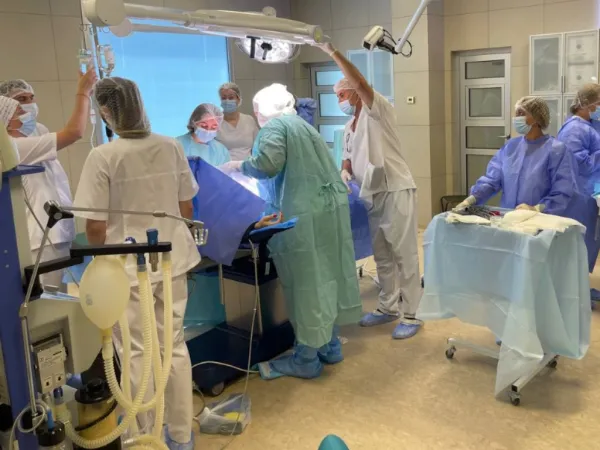
Removal of Leiomyoma — Modern Treatment Methods for Benign Tumors
What is Leiomyoma
Leiomyoma is a benign tumor that develops from smooth muscle cells. It most commonly occurs in the uterus (uterine fibroids) but can also be found in other organs such as the skin, stomach, intestines, and blood vessel walls.
The main characteristic of leiomyoma is that it grows slowly and often does not cause significant symptoms, but under certain conditions, it can reach large sizes and cause discomfort or organ dysfunction.
Causes of Leiomyoma
The exact causes of leiomyoma development are not fully understood, but the main predisposing factors include:
- Hormonal imbalances (excess estrogen);
- Genetic predisposition;
- Chronic inflammatory processes;
- Injuries and surgical interventions;
- Stress and metabolic disorders;
- Lack of childbirth after the age of 30 (for uterine forms).
Symptoms of Leiomyoma
Manifestations depend on the tumor's location:
- Uterine leiomyoma: heavy menstruation, lower abdominal pain, increased abdominal size, infertility.
- Cutaneous leiomyoma: firm nodules under the skin, tenderness when pressed.
- Gastrointestinal leiomyoma: abdominal pain, digestive disorders, possible bleeding.
Sometimes the tumor remains asymptomatic for a long time and is discovered incidentally during an ultrasound or routine examination.
When Removal is Required
Indications for surgical treatment include:
- Rapid tumor growth;
- Severe pain syndrome;
- Organ dysfunction (pressure on the bladder, intestines, etc.);
- Risk of malignancy (transformation into a malignant form);
- Bleeding and anemia;
- Infertility, pregnancy loss.
Methods of Leiomyoma Removal
- Laparoscopic Myomectomy: A minimally invasive surgery through small incisions. It allows for the removal of nodules with minimal trauma and quick recovery.
➤ Advantages: cosmetic effect, short rehabilitation period, preservation of reproductive function.
- Hysteroscopic Resection (for submucosal nodules): Tumor removal through the vagina without incisions. Used for leiomyomas located in the uterine cavity.
- Open Surgery (Laparotomy): Used for large or multiple tumors. Allows for the removal of all nodules under visual control.
- Uterine Artery Embolization (UAE): A minimally invasive procedure where the blood flow feeding the leiomyoma is blocked through a vessel, causing the tumor to shrink and be replaced by connective tissue.
- Radiofrequency Ablation and Focused Ultrasound (FUS Therapy): Modern methods where the tumor is destroyed by thermal energy without surgical intervention.
Recovery After Surgery
After leiomyoma removal, the patient remains under medical supervision. Recovery period recommendations include:
- Avoiding physical exertion and overheating;
- Temporarily abstaining from intimate life (as advised by a doctor);
- Following a diet and drinking regimen;
- Undergoing follow-up ultrasounds.
With proper treatment, recurrences are rare, and reproductive function (in uterine forms) is often preserved.
Advantages of Treatment at "Genesis Dnipro" Clinic
- Modern laparoscopic and endoscopic technologies;
- Experienced gynecological surgeons;
- Individual approach and accurate diagnosis;
- Gentle methods with minimal trauma;
- Comfortable stay conditions and confidentiality.
Leiomyoma removal is an effective way to eliminate symptoms, prevent complications, and restore a woman's full health. Modern surgery allows these operations to be performed safely, aesthetically, and with quick recovery.
What is Leiomyoma
Leiomyoma is a benign tumor that develops from smooth muscle cells. It most commonly occurs in the uterus (uterine fibroids) but can also be found in other organs such as the skin, stomach, intestines, and blood vessel walls.
The main characteristic of leiomyoma is that it grows slowly and often does not cause significant symptoms, but under certain conditions, it can reach large sizes and cause discomfort or organ dysfunction.
Causes of Leiomyoma
The exact causes of leiomyoma development are not fully understood, but the main predisposing factors include:
- Hormonal imbalances (excess estrogen);
- Genetic predisposition;
- Chronic inflammatory processes;
- Injuries and surgical interventions;
- Stress and metabolic disorders;
- Lack of childbirth after the age of 30 (for uterine forms).
Symptoms of Leiomyoma
Manifestations depend on the tumor's location:
- Uterine leiomyoma: heavy menstruation, lower abdominal pain, increased abdominal size, infertility.
- Cutaneous leiomyoma: firm nodules under the skin, tenderness when pressed.
- Gastrointestinal leiomyoma: abdominal pain, digestive disorders, possible bleeding.
Sometimes the tumor remains asymptomatic for a long time and is discovered incidentally during an ultrasound or routine examination.
When Removal is Required
Indications for surgical treatment include:
- Rapid tumor growth;
- Severe pain syndrome;
- Organ dysfunction (pressure on the bladder, intestines, etc.);
- Risk of malignancy (transformation into a malignant form);
- Bleeding and anemia;
- Infertility, pregnancy loss.
Methods of Leiomyoma Removal
- Laparoscopic Myomectomy: A minimally invasive surgery through small incisions. It allows for the removal of nodules with minimal trauma and quick recovery.
➤ Advantages: cosmetic effect, short rehabilitation period, preservation of reproductive function.
- Hysteroscopic Resection (for submucosal nodules): Tumor removal through the vagina without incisions. Used for leiomyomas located in the uterine cavity.
- Open Surgery (Laparotomy): Used for large or multiple tumors. Allows for the removal of all nodules under visual control.
- Uterine Artery Embolization (UAE): A minimally invasive procedure where the blood flow feeding the leiomyoma is blocked through a vessel, causing the tumor to shrink and be replaced by connective tissue.
- Radiofrequency Ablation and Focused Ultrasound (FUS Therapy): Modern methods where the tumor is destroyed by thermal energy without surgical intervention.
Recovery After Surgery
After leiomyoma removal, the patient remains under medical supervision. Recovery period recommendations include:
- Avoiding physical exertion and overheating;
- Temporarily abstaining from intimate life (as advised by a doctor);
- Following a diet and drinking regimen;
- Undergoing follow-up ultrasounds.
With proper treatment, recurrences are rare, and reproductive function (in uterine forms) is often preserved.
Advantages of Treatment at "Genesis Dnipro" Clinic
- Modern laparoscopic and endoscopic technologies;
- Experienced gynecological surgeons;
- Individual approach and accurate diagnosis;
- Gentle methods with minimal trauma;
- Comfortable stay conditions and confidentiality.
Leiomyoma removal is an effective way to eliminate symptoms, prevent complications, and restore a woman's full health. Modern surgery allows these operations to be performed safely, aesthetically, and with quick recovery.


