
Removal of a papilloma in the perineum
Papillomas, commonly known as warts, are benign growths caused by the human papillomavirus (HPV). They appear on the skin or mucous membranes and can vary in size and shape. Papillomas occur when the virus infects the top layer of the skin, leading to rapid cell growth. They can be spread through direct contact with an infected person or surface. Factors such as a weakened immune system, skin injuries, and certain lifestyle habits can increase the likelihood of developing papillomas.
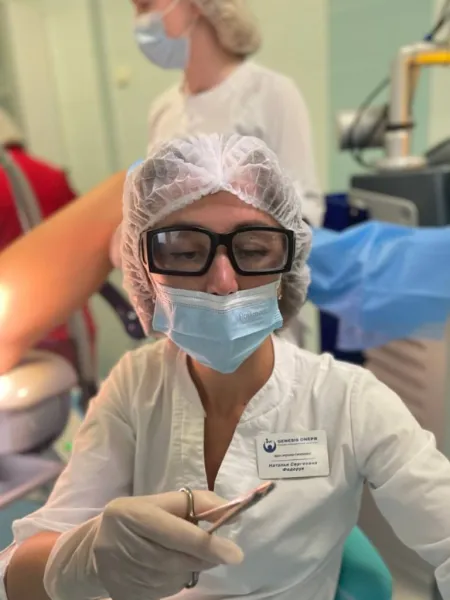
Removal of Papillomas in the Perineum
Papillomas in the perineal area are benign growths of viral origin caused by the human papillomavirus (HPV). Infection occurs through sexual contact or household means when the virus enters through micro-damage to the skin and mucous membranes.
In women, papillomas often appear on the labia, at the entrance to the vagina, and around the anus. In men, they appear on the scrotum, penis, and around the anal area.
Provoking factors:
- weakened immune system;
- hormonal imbalances;
- stress, chronic infections;
- microtrauma to the skin during shaving or sexual intercourse;
- infection from a sexual partner.
Dangers of Anogenital Papillomas
Despite their benign nature, such growths should not be ignored. Papillomas can:
- increase in size and number;
- become injured, bleed, cause pain and itching;
- become infected through friction or sexual contact;
- in some cases, transform into malignant tumors (especially with oncogenic types of HPV).
Therefore, removal is not only an aesthetic but also a medical necessity.
How Papillomas in the Perineum are Removed
Modern methods allow the procedure to be performed painlessly, quickly, and safely:
- Laser removal: a contactless method with vessel coagulation, minimal risk of bleeding and recurrence.
- Radio wave removal (using the "Surgitron" device): a gentle method providing precise excision and quick healing.
- Electrocoagulation: uses electric current, suitable for single growths.
- Cryodestruction: freezing with liquid nitrogen.
- Surgical excision: used for large or multiple growths.
The procedure is performed under local anesthesia, lasts 10–20 minutes, and does not require hospitalization.
After Removal
- Mild swelling and redness may occur for a few days.
- Avoid using aggressive cleaning agents and visiting saunas or pools.
- Sexual contact should be avoided until complete healing.
- To prevent recurrence, the doctor may prescribe antiviral and immunomodulatory treatment.
Advantages of Papilloma Removal in a Clinic
- Delicate handling and confidentiality;
- Experienced dermatologists and gynecologists/urologists;
- Modern laser and radio wave technologies;
- Sterility, safety, and quick results.
Removal of papillomas in the perineum is not only a matter of aesthetics but also health. Timely consultation with a doctor prevents complications and reduces the risk of new growths appearing.
Papillomas in the perineal area are benign growths of viral origin caused by the human papillomavirus (HPV). Infection occurs through sexual contact or household means when the virus enters through micro-damage to the skin and mucous membranes.
In women, papillomas often appear on the labia, at the entrance to the vagina, and around the anus. In men, they appear on the scrotum, penis, and around the anal area.
Provoking factors:
- weakened immune system;
- hormonal imbalances;
- stress, chronic infections;
- microtrauma to the skin during shaving or sexual intercourse;
- infection from a sexual partner.
Dangers of Anogenital Papillomas
Despite their benign nature, such growths should not be ignored. Papillomas can:
- increase in size and number;
- become injured, bleed, cause pain and itching;
- become infected through friction or sexual contact;
- in some cases, transform into malignant tumors (especially with oncogenic types of HPV).
Therefore, removal is not only an aesthetic but also a medical necessity.
How Papillomas in the Perineum are Removed
Modern methods allow the procedure to be performed painlessly, quickly, and safely:
- Laser removal: a contactless method with vessel coagulation, minimal risk of bleeding and recurrence.
- Radio wave removal (using the "Surgitron" device): a gentle method providing precise excision and quick healing.
- Electrocoagulation: uses electric current, suitable for single growths.
- Cryodestruction: freezing with liquid nitrogen.
- Surgical excision: used for large or multiple growths.
The procedure is performed under local anesthesia, lasts 10–20 minutes, and does not require hospitalization.
After Removal
- Mild swelling and redness may occur for a few days.
- Avoid using aggressive cleaning agents and visiting saunas or pools.
- Sexual contact should be avoided until complete healing.
- To prevent recurrence, the doctor may prescribe antiviral and immunomodulatory treatment.
Advantages of Papilloma Removal in a Clinic
- Delicate handling and confidentiality;
- Experienced dermatologists and gynecologists/urologists;
- Modern laser and radio wave technologies;
- Sterility, safety, and quick results.
Removal of papillomas in the perineum is not only a matter of aesthetics but also health. Timely consultation with a doctor prevents complications and reduces the risk of new growths appearing.


