
Removal of a cervical canal polyp
A cervical canal polyp is a growth that occurs on the cervix, which is the lower part of the uterus that opens into the vagina. These polyps are usually benign (non-cancerous) and can vary in size. They may cause symptoms such as irregular menstrual bleeding, bleeding after intercourse, or may be asymptomatic and discovered during a routine pelvic examination. Treatment often involves removal of the polyp, especially if it causes symptoms or there is a concern about the potential for malignancy.
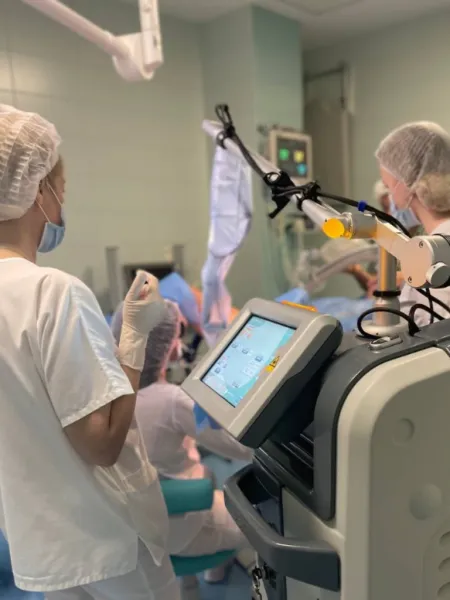
Removal of Cervical Canal Polyp: A Safe Procedure for Women's Health
A cervical canal polyp is a benign growth of the mucous membrane of the cervix (cervical canal), resembling a small stalk or droplet. Polyps can be single or multiple and are more commonly found in women of reproductive and perimenopausal age.
They are usually discovered incidentally during a routine examination or ultrasound. Despite their benign nature, polyps require removal as they can cause bloody discharge, inflammation, and, in rare cases, transform into malignant formations.
Causes
The main factors contributing to the formation of polyps include:
- Hormonal imbalances (excess estrogen, lack of progesterone);
- Chronic inflammatory processes of the cervix;
- Mucosal injuries after childbirth, abortions, intrauterine procedures;
- Sexually transmitted infections;
- Reduced immune defense.
Symptoms
Often, a polyp is asymptomatic. However, with an increase in size or inflammation, the following may occur:
- Spotting after intercourse or between menstrual periods;
- Pulling pain in the lower abdomen;
- Increased vaginal discharge;
- Discomfort during intimacy.
Diagnosis
To detect a polyp, the following are performed:
- Gynecological examination with speculum;
- Ultrasound examination of the pelvic organs;
- Colposcopy — examination of the cervix under magnification;
- If necessary — smears, cytology, PCR diagnostics of infections.
How Polyp Removal is Performed
Removal is performed on an outpatient basis, without hospitalization. There are several methods:
- Mechanical twisting — for small single polyps.
- Electrocautery or radio wave method — a modern and gentle method where the formation is removed non-contact, with simultaneous coagulation of vessels.
- Hysteroscopic removal — for multiple polyps or in combination with endometrial pathologies.
After removal, a histological examination of the polyp tissue is mandatory — this allows determining its cellular composition and excluding oncological changes.
Advantages of Polyp Removal at "Genesis Dnipro" Clinic
- Accurate diagnosis with modern ultrasound equipment;
- Gentle removal methods — radio wave and hysteroscopic;
- The procedure takes 10–20 minutes and is performed under local or short sedation;
- Minimal trauma and quick recovery;
- Mandatory cytological and histological examination of the material;
- Observation and support of the patient after the procedure.
After the Procedure
The patient can return home the same day.
Light discharge and moderate discomfort may occur for a few days.
It is recommended to refrain from sexual intercourse, hot baths, and physical exertion for 7–10 days.
A follow-up examination is conducted in 2–3 weeks.
Why Timely Polyp Removal is Important
Polyps do not disappear on their own. Without treatment, they can grow, cause inflammation, interfere with conception, and even become a source of atypical cells.
Timely removal is the prevention of complications and care for future reproductive health.
Care and Safety at Every Step
At "Genesis Dnipro" clinic, procedures are performed with attention, delicacy, and care.
Each patient receives an individual approach, modern diagnostics, and complete support from consultation to recovery.
A cervical canal polyp is a benign growth of the mucous membrane of the cervix (cervical canal), resembling a small stalk or droplet. Polyps can be single or multiple and are more commonly found in women of reproductive and perimenopausal age.
They are usually discovered incidentally during a routine examination or ultrasound. Despite their benign nature, polyps require removal as they can cause bloody discharge, inflammation, and, in rare cases, transform into malignant formations.
Causes
The main factors contributing to the formation of polyps include:
- Hormonal imbalances (excess estrogen, lack of progesterone);
- Chronic inflammatory processes of the cervix;
- Mucosal injuries after childbirth, abortions, intrauterine procedures;
- Sexually transmitted infections;
- Reduced immune defense.
Symptoms
Often, a polyp is asymptomatic. However, with an increase in size or inflammation, the following may occur:
- Spotting after intercourse or between menstrual periods;
- Pulling pain in the lower abdomen;
- Increased vaginal discharge;
- Discomfort during intimacy.
Diagnosis
To detect a polyp, the following are performed:
- Gynecological examination with speculum;
- Ultrasound examination of the pelvic organs;
- Colposcopy — examination of the cervix under magnification;
- If necessary — smears, cytology, PCR diagnostics of infections.
How Polyp Removal is Performed
Removal is performed on an outpatient basis, without hospitalization. There are several methods:
- Mechanical twisting — for small single polyps.
- Electrocautery or radio wave method — a modern and gentle method where the formation is removed non-contact, with simultaneous coagulation of vessels.
- Hysteroscopic removal — for multiple polyps or in combination with endometrial pathologies.
After removal, a histological examination of the polyp tissue is mandatory — this allows determining its cellular composition and excluding oncological changes.
Advantages of Polyp Removal at "Genesis Dnipro" Clinic
- Accurate diagnosis with modern ultrasound equipment;
- Gentle removal methods — radio wave and hysteroscopic;
- The procedure takes 10–20 minutes and is performed under local or short sedation;
- Minimal trauma and quick recovery;
- Mandatory cytological and histological examination of the material;
- Observation and support of the patient after the procedure.
After the Procedure
The patient can return home the same day.
Light discharge and moderate discomfort may occur for a few days.
It is recommended to refrain from sexual intercourse, hot baths, and physical exertion for 7–10 days.
A follow-up examination is conducted in 2–3 weeks.
Why Timely Polyp Removal is Important
Polyps do not disappear on their own. Without treatment, they can grow, cause inflammation, interfere with conception, and even become a source of atypical cells.
Timely removal is the prevention of complications and care for future reproductive health.
Care and Safety at Every Step
At "Genesis Dnipro" clinic, procedures are performed with attention, delicacy, and care.
Each patient receives an individual approach, modern diagnostics, and complete support from consultation to recovery.


