
Hysterectomy
Hysterectomy is a surgical procedure to remove a woman's uterus.
Uterus Removal (Hysterectomy) — A Modern and Safe Treatment Method
Uterus removal (medical term — hysterectomy) is a surgical operation in which the uterus is partially or completely removed. Sometimes, along with the uterus, the cervix, ovaries, and fallopian tubes are also removed, depending on the indications and the patient's condition.
This is a serious but often necessary intervention that helps women get rid of chronic pain, bleeding, and tumor processes when other methods are no longer effective.
When the Surgery is Indicated
Hysterectomy is performed based on strict medical indications when preserving the organ is impossible or poses a threat to health and life.
Main indications:
multiple or rapidly growing large fibroids;
malignant tumors of the uterus, cervix, or ovaries;
severe bleeding not responsive to medication therapy;
severe endometriosis, adenomyosis;
prolapse or descent of the uterus;
purulent inflammatory processes (pyometra, endometritis) not responsive to treatment;
complications after childbirth or surgeries.
Types of Hysterectomy
Modern surgery offers several methods of uterus removal, and the choice depends on the diagnosis, age, and condition of the patient.
Abdominal (Open) Hysterectomy
performed through an incision in the lower abdomen;
used for large tumors and complex cases;
provides the surgeon with a full view of the pelvic organs.
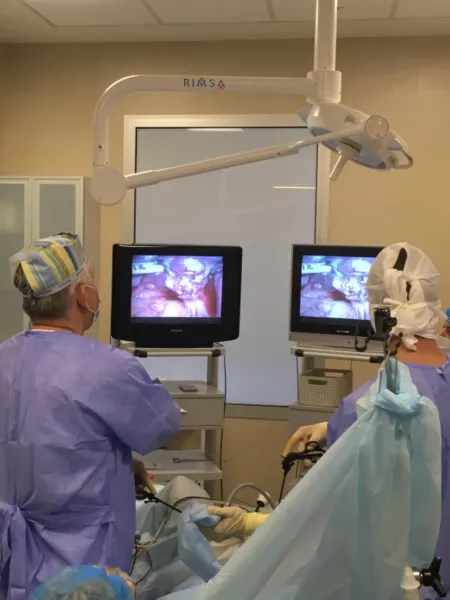
Laparoscopic Hysterectomy
minimally invasive surgery through small incisions;
minimal blood loss, short recovery, excellent cosmetic result.
Vaginal Hysterectomy
performed through the vagina without external incisions;
used for uterine prolapse or small organ size.
Robot-Assisted Hysterectomy (if equipment is available)
the least traumatic method with high precision movements and minimal risk of complications.
Procedure
The procedure is performed under general anesthesia.
Average duration — 60–120 minutes.
If necessary, tubes or ovaries are removed along with the uterus.
After the operation is completed, the patient remains in the hospital for observation and recovery.
Postoperative Period
Recovery is individual, but usually, within 1–2 weeks, a woman returns to her usual activities. Recommendations during the rehabilitation period:
avoid physical exertion for 4–6 weeks;
follow a light diet;
treat stitches and attend follow-up examinations;
temporarily abstain from intimate life (until permitted by a doctor).
After uterus removal, menstruation ceases, but the hormonal balance can remain stable if the ovaries are preserved.
Possible Consequences and Adaptation
Psycho-emotional adaptation after surgery is very important. Modern approaches allow a woman to feel complete: libido, sexual sensations, and quality of life are preserved. If necessary, the doctor may prescribe hormone replacement therapy.
Advantages of Treatment at "Genesis Dnipro" Clinic
experienced gynecologist-surgeons with extensive experience;
modern laparoscopic and minimally invasive technologies;
individual approach and psychological support;
comfortable stay conditions, sterility, attention, and care.
Uterus removal is a step that allows preserving health, quality of life, and preventing serious complications. Modern surgery makes this procedure safe, minimally invasive, and as comfortable as possible for the woman.
Uterus removal (medical term — hysterectomy) is a surgical operation in which the uterus is partially or completely removed. Sometimes, along with the uterus, the cervix, ovaries, and fallopian tubes are also removed, depending on the indications and the patient's condition.
This is a serious but often necessary intervention that helps women get rid of chronic pain, bleeding, and tumor processes when other methods are no longer effective.
When the Surgery is Indicated
Hysterectomy is performed based on strict medical indications when preserving the organ is impossible or poses a threat to health and life.
Main indications:
multiple or rapidly growing large fibroids;
malignant tumors of the uterus, cervix, or ovaries;
severe bleeding not responsive to medication therapy;
severe endometriosis, adenomyosis;
prolapse or descent of the uterus;
purulent inflammatory processes (pyometra, endometritis) not responsive to treatment;
complications after childbirth or surgeries.
Types of Hysterectomy
Modern surgery offers several methods of uterus removal, and the choice depends on the diagnosis, age, and condition of the patient.
Abdominal (Open) Hysterectomy
performed through an incision in the lower abdomen;
used for large tumors and complex cases;
provides the surgeon with a full view of the pelvic organs.
Laparoscopic Hysterectomy
minimally invasive surgery through small incisions;
minimal blood loss, short recovery, excellent cosmetic result.
Vaginal Hysterectomy
performed through the vagina without external incisions;
used for uterine prolapse or small organ size.
Robot-Assisted Hysterectomy (if equipment is available)
the least traumatic method with high precision movements and minimal risk of complications.
Procedure
The procedure is performed under general anesthesia.
Average duration — 60–120 minutes.
If necessary, tubes or ovaries are removed along with the uterus.
After the operation is completed, the patient remains in the hospital for observation and recovery.
Postoperative Period
Recovery is individual, but usually, within 1–2 weeks, a woman returns to her usual activities. Recommendations during the rehabilitation period:
avoid physical exertion for 4–6 weeks;
follow a light diet;
treat stitches and attend follow-up examinations;
temporarily abstain from intimate life (until permitted by a doctor).
After uterus removal, menstruation ceases, but the hormonal balance can remain stable if the ovaries are preserved.
Possible Consequences and Adaptation
Psycho-emotional adaptation after surgery is very important. Modern approaches allow a woman to feel complete: libido, sexual sensations, and quality of life are preserved. If necessary, the doctor may prescribe hormone replacement therapy.
Advantages of Treatment at "Genesis Dnipro" Clinic
experienced gynecologist-surgeons with extensive experience;
modern laparoscopic and minimally invasive technologies;
individual approach and psychological support;
comfortable stay conditions, sterility, attention, and care.
Uterus removal is a step that allows preserving health, quality of life, and preventing serious complications. Modern surgery makes this procedure safe, minimally invasive, and as comfortable as possible for the woman.


