
Drainage of the Bartholin's gland
The Bartholin's gland is one of two small glands located on either side of the vaginal opening. These glands are responsible for secreting fluid that helps lubricate the vagina.
Drainage of a Bartholin's gland is typically necessary when a cyst or abscess forms. A cyst can develop if the duct of the gland becomes blocked, leading to fluid buildup. If the cyst becomes infected, it can turn into an abscess, which is often painful and swollen.
Draining the gland helps relieve symptoms, reduce swelling, and prevent further infection. This procedure can be done through various methods, such as incision and drainage, catheter placement, or marsupialization, depending on the severity and recurrence of the issue.
Drainage of a Bartholin's gland is typically necessary when a cyst or abscess forms. A cyst can develop if the duct of the gland becomes blocked, leading to fluid buildup. If the cyst becomes infected, it can turn into an abscess, which is often painful and swollen.
Draining the gland helps relieve symptoms, reduce swelling, and prevent further infection. This procedure can be done through various methods, such as incision and drainage, catheter placement, or marsupialization, depending on the severity and recurrence of the issue.
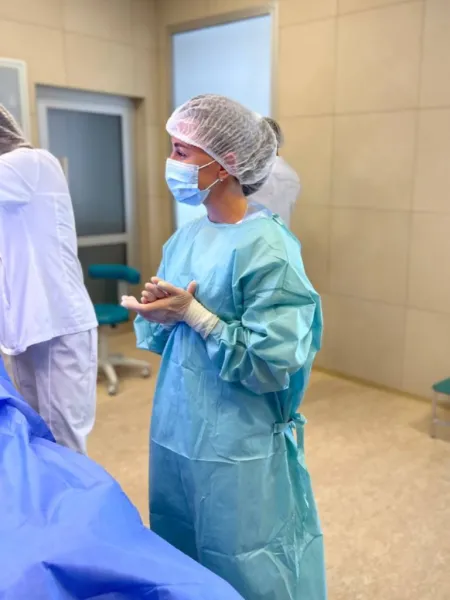
Bartholin's Gland Drainage: Quick and Safe Treatment for Cysts and Abscesses
Bartholin's glands are paired glands located at the entrance of the vagina, which secrete mucus to moisturize the mucous membrane and ensure comfort during intercourse. Normally, they function unnoticed, but if the duct becomes blocked, inflammation, a cyst, or an abscess can develop.
Bartholin's gland drainage is a minimally invasive surgical procedure aimed at removing purulent content or fluid from a cyst, restoring the secretion flow, and eliminating inflammation. The operation helps quickly relieve the condition, eliminate pain, and prevent recurrence of the disease.
When Bartholin's Gland Drainage is Indicated
The procedure is prescribed by a gynecologist for inflammatory diseases of the gland, especially in cases of:
- Formation of a Bartholin's gland cyst
- Formation of an abscess (purulent inflammation)
- Recurrent inflammations and duct blockages
- Increasing pain, swelling, and redness in the area of the labia minora
- Fever and general signs of intoxication
If an abscess is not opened in time, it may rupture on its own, but this is fraught with complications and the formation of chronic inflammation. Therefore, drainage is the optimal solution.
How the Procedure is Performed
Bartholin's gland drainage is performed on an outpatient basis or in a day hospital setting. The procedure takes 15–30 minutes and usually does not require hospitalization.
Steps of the intervention:
1. Anesthesia. Local anesthesia is administered for the patient's comfort.
2. Incision and opening. The doctor carefully opens the cyst or abscess and allows the contents to drain out.
3. Cavity irrigation. The cavity is thoroughly treated with antiseptics to prevent reinfection.
4. Drainage installation. A thin drainage tube or a special catheter (such as a Word catheter) is placed to allow fluid to drain and prevent premature closure of the duct, allowing the gland to restore its function.
5. Application of a sterile dressing.
The patient remains under observation for a while and can go home the same day.
Postoperative Period and Recommendations
After drainage, relief usually comes quickly: pain decreases, swelling subsides, and overall well-being improves. It is important to follow the doctor's recommendations for successful healing:
- Maintain intimate hygiene, avoiding infection
- Abstain from sexual activity for 2–3 weeks
- Avoid swimming pools, saunas, and hot baths
- Take prescribed antibiotics and anti-inflammatory medications
- Attend dressing changes and follow-up appointments if necessary
Complete healing usually takes 7–14 days. In some cases, the catheter is left in place for 2–4 weeks to help form a new duct and reduce the risk of cyst recurrence.
Possible Complications
Drainage is a safe and effective procedure, but like any surgical intervention, it may be accompanied by rare complications:
- Recurrence of the cyst or abscess
- Infection of the wound surface
- Scar formation
- Discomfort during intercourse (usually temporary)
Regular check-ups and following the doctor's recommendations can help avoid most complications.
Alternative Methods and Further Treatment
In some cases, with recurrent cysts or chronic inflammation, more radical intervention may be required:
- Marsupialization — forming a new permanent duct
- Removal of the Bartholin's gland — an extreme measure used for frequent recurrences and chronic abscesses
In most cases, drainage is sufficient for complete recovery and restoration of normal gland function.
Bartholin's gland drainage is an effective, minimally invasive, and safe method for treating cysts and abscesses, quickly eliminating pain and inflammation, and restoring quality of life. The key is not to delay visiting a gynecologist: early consultation helps avoid complications and recurrences of the disease.
Bartholin's glands are paired glands located at the entrance of the vagina, which secrete mucus to moisturize the mucous membrane and ensure comfort during intercourse. Normally, they function unnoticed, but if the duct becomes blocked, inflammation, a cyst, or an abscess can develop.
Bartholin's gland drainage is a minimally invasive surgical procedure aimed at removing purulent content or fluid from a cyst, restoring the secretion flow, and eliminating inflammation. The operation helps quickly relieve the condition, eliminate pain, and prevent recurrence of the disease.
When Bartholin's Gland Drainage is Indicated
The procedure is prescribed by a gynecologist for inflammatory diseases of the gland, especially in cases of:
- Formation of a Bartholin's gland cyst
- Formation of an abscess (purulent inflammation)
- Recurrent inflammations and duct blockages
- Increasing pain, swelling, and redness in the area of the labia minora
- Fever and general signs of intoxication
If an abscess is not opened in time, it may rupture on its own, but this is fraught with complications and the formation of chronic inflammation. Therefore, drainage is the optimal solution.
How the Procedure is Performed
Bartholin's gland drainage is performed on an outpatient basis or in a day hospital setting. The procedure takes 15–30 minutes and usually does not require hospitalization.
Steps of the intervention:
1. Anesthesia. Local anesthesia is administered for the patient's comfort.
2. Incision and opening. The doctor carefully opens the cyst or abscess and allows the contents to drain out.
3. Cavity irrigation. The cavity is thoroughly treated with antiseptics to prevent reinfection.
4. Drainage installation. A thin drainage tube or a special catheter (such as a Word catheter) is placed to allow fluid to drain and prevent premature closure of the duct, allowing the gland to restore its function.
5. Application of a sterile dressing.
The patient remains under observation for a while and can go home the same day.
Postoperative Period and Recommendations
After drainage, relief usually comes quickly: pain decreases, swelling subsides, and overall well-being improves. It is important to follow the doctor's recommendations for successful healing:
- Maintain intimate hygiene, avoiding infection
- Abstain from sexual activity for 2–3 weeks
- Avoid swimming pools, saunas, and hot baths
- Take prescribed antibiotics and anti-inflammatory medications
- Attend dressing changes and follow-up appointments if necessary
Complete healing usually takes 7–14 days. In some cases, the catheter is left in place for 2–4 weeks to help form a new duct and reduce the risk of cyst recurrence.
Possible Complications
Drainage is a safe and effective procedure, but like any surgical intervention, it may be accompanied by rare complications:
- Recurrence of the cyst or abscess
- Infection of the wound surface
- Scar formation
- Discomfort during intercourse (usually temporary)
Regular check-ups and following the doctor's recommendations can help avoid most complications.
Alternative Methods and Further Treatment
In some cases, with recurrent cysts or chronic inflammation, more radical intervention may be required:
- Marsupialization — forming a new permanent duct
- Removal of the Bartholin's gland — an extreme measure used for frequent recurrences and chronic abscesses
In most cases, drainage is sufficient for complete recovery and restoration of normal gland function.
Bartholin's gland drainage is an effective, minimally invasive, and safe method for treating cysts and abscesses, quickly eliminating pain and inflammation, and restoring quality of life. The key is not to delay visiting a gynecologist: early consultation helps avoid complications and recurrences of the disease.


