
Conization of the cervix
What is cervical conization?
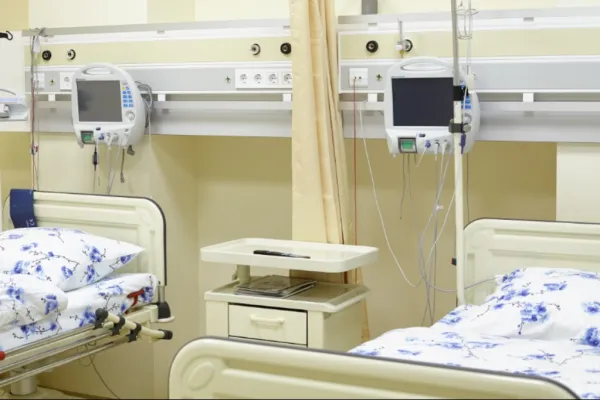
Cervical Conization: A Diagnostic and Therapeutic Procedure in Gynecology
Cervical conization is a surgical procedure in which a doctor removes a cone-shaped piece of tissue from the cervix. The purpose of the intervention is to remove pathologically altered cells, prevent the development of cancer, and conduct an accurate diagnosis of cervical diseases.
The method is named for the shape of the removed section, which resembles a cone with its apex directed into the cervical canal. Conization can be performed for diagnostic purposes (to clarify the nature of dysplasia) as well as therapeutic purposes, to remove precancerous changes or early stages of cancer.
When Conization is Recommended
Conization is recommended in cases where standard diagnostic methods (Pap test, colposcopy, biopsy) have revealed significant changes in epithelial cells. The main indications include:
- Cervical intraepithelial neoplasia (CIN) grades II–III
- Precancerous conditions of the cervix
- Dysplasia that does not respond to observation or medication therapy
- Suspicion of early-stage cervical cancer
- Ambiguous cytological test results
- Chronic erosions with atypical cells
Important: Conization is not performed in cases of acute inflammation of the genital organs, pregnancy, and certain systemic diseases—the decision is made by the doctor on an individual basis.
How the Procedure is Conducted
Conization is usually performed on an outpatient basis or in a day hospital setting. Depending on the indications and the patient's condition, the doctor selects the optimal method:
- Knife conization: performed with a surgical scalpel, requires general or spinal anesthesia.
- Laser conization: a non-contact and gentle method where tissue removal is performed with a laser beam.
- Loop electrosurgical excision procedure (LEEP/LLETZ): the most popular method, where the tissue section is excised with an electric loop.
- Radio wave conization: a modern method with minimal trauma and quick healing.
The procedure lasts 15–30 minutes. After tissue removal, it is sent for histological examination to accurately determine the nature of the changes.
Recovery After Conization
The rehabilitation period typically takes 3–4 weeks. In the first few days, mild pulling pains in the lower abdomen and scant bloody discharge may occur. Postoperative recommendations from the doctor include:
- Abstaining from sexual intercourse for 4–6 weeks
- Avoiding the use of tampons and douching
- Avoiding physical exertion and overheating
- Maintaining genital hygiene
After healing, a follow-up examination and cytological analysis are required in 3–6 months. In most cases, the cervix fully recovers, and the woman can plan for pregnancy and childbirth in the future.
Advantages and Effectiveness
Conization not only allows for an accurate diagnosis but also completely removes the pathological focus, preventing the development of an oncological process. In 90–95% of cases, the procedure is a radical measure and spares the patient from the need for more extensive surgery.
Cervical conization is an effective and proven method for the prevention of cervical cancer and the treatment of precancerous conditions. Timely regular gynecological examinations, Pap tests, and colposcopy are the best ways to detect changes at an early stage when intervention is minimal and the prognosis is most favorable.
Cervical conization is a surgical procedure in which a doctor removes a cone-shaped piece of tissue from the cervix. The purpose of the intervention is to remove pathologically altered cells, prevent the development of cancer, and conduct an accurate diagnosis of cervical diseases.
The method is named for the shape of the removed section, which resembles a cone with its apex directed into the cervical canal. Conization can be performed for diagnostic purposes (to clarify the nature of dysplasia) as well as therapeutic purposes, to remove precancerous changes or early stages of cancer.
When Conization is Recommended
Conization is recommended in cases where standard diagnostic methods (Pap test, colposcopy, biopsy) have revealed significant changes in epithelial cells. The main indications include:
- Cervical intraepithelial neoplasia (CIN) grades II–III
- Precancerous conditions of the cervix
- Dysplasia that does not respond to observation or medication therapy
- Suspicion of early-stage cervical cancer
- Ambiguous cytological test results
- Chronic erosions with atypical cells
Important: Conization is not performed in cases of acute inflammation of the genital organs, pregnancy, and certain systemic diseases—the decision is made by the doctor on an individual basis.
How the Procedure is Conducted
Conization is usually performed on an outpatient basis or in a day hospital setting. Depending on the indications and the patient's condition, the doctor selects the optimal method:
- Knife conization: performed with a surgical scalpel, requires general or spinal anesthesia.
- Laser conization: a non-contact and gentle method where tissue removal is performed with a laser beam.
- Loop electrosurgical excision procedure (LEEP/LLETZ): the most popular method, where the tissue section is excised with an electric loop.
- Radio wave conization: a modern method with minimal trauma and quick healing.
The procedure lasts 15–30 minutes. After tissue removal, it is sent for histological examination to accurately determine the nature of the changes.
Recovery After Conization
The rehabilitation period typically takes 3–4 weeks. In the first few days, mild pulling pains in the lower abdomen and scant bloody discharge may occur. Postoperative recommendations from the doctor include:
- Abstaining from sexual intercourse for 4–6 weeks
- Avoiding the use of tampons and douching
- Avoiding physical exertion and overheating
- Maintaining genital hygiene
After healing, a follow-up examination and cytological analysis are required in 3–6 months. In most cases, the cervix fully recovers, and the woman can plan for pregnancy and childbirth in the future.
Advantages and Effectiveness
Conization not only allows for an accurate diagnosis but also completely removes the pathological focus, preventing the development of an oncological process. In 90–95% of cases, the procedure is a radical measure and spares the patient from the need for more extensive surgery.
Cervical conization is an effective and proven method for the prevention of cervical cancer and the treatment of precancerous conditions. Timely regular gynecological examinations, Pap tests, and colposcopy are the best ways to detect changes at an early stage when intervention is minimal and the prognosis is most favorable.


