
BANDAGE
A bandage is a piece of material used to support a medical device such as a dressing or splint, or on its own to provide support to or restrict the movement of a part of the body. Bandages are essential for protecting wounds, promoting healing, and preventing further injury or infection. They can also be used to apply pressure to control bleeding and to immobilize a body part to aid in recovery.
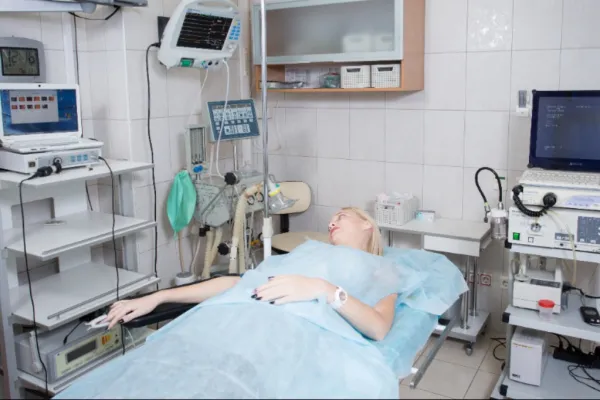
Dressing in Proctology: An Important Step in Recovery and Complication Prevention
Dressing in proctology is a medical procedure for treating and protecting the anorectal area after surgical interventions or injuries. It is an essential part of postoperative care aimed at accelerating tissue healing, preventing infections, and reducing the risk of complications.
Dressings are applied in the following cases:
- After the removal of hemorrhoids;
- After excision of anal fissures or polyps;
- In the treatment of acute and chronic paraproctitis;
- After abscess drainage;
- After surgeries on the rectum and perianal area.
A properly performed dressing not only alleviates the patient's condition but also significantly speeds up the recovery process.
How Dressing is Performed
Dressing is always performed under sterile conditions and usually takes no more than 10–20 minutes. The procedure includes several stages:
1. Examination and assessment of the wound condition.
The doctor evaluates the appearance of the tissues, the presence of inflammation, discharge, and the healing dynamics.
2. Removal of the old dressing.
The previous dressing material is carefully removed to avoid damaging the healing tissues.
3. Treatment of the anorectal area.
The wound surface is washed with an antiseptic solution (such as chlorhexidine or miramistin), and crusts or discharges are removed if necessary.
4. Application of therapeutic agents.
Healing, anti-inflammatory, or antibacterial ointments prescribed by the doctor are applied to the wound area.
5. Application of a new dressing.
A sterile pad or tampon is gently secured on the treated area, providing protection from external factors and comfort for the patient.
Features and Recommendations After Dressing
After the procedure, it is important to maintain hygiene of the anorectal area and avoid injuring the intervention site.
- Physical exertion and heavy lifting should be avoided in the first few days after surgery.
- A gentle diet is recommended, excluding spicy foods and products that cause constipation.
- Dressings are performed regularly, usually every 1–2 days, depending on the wound condition and doctor's recommendations.
Why Dressing Should Not Be Done Independently
Attempts to treat the wound independently can lead to:
- Violation of sterility and development of infection;
- Damage to healing tissues;
- Incorrect application of medications;
- Slowing down the recovery process.
Therefore, dressing should be performed by a qualified proctologist or medical staff in a sterile environment.
Conclusion
Dressing is not just a change of bandage but a full-fledged therapeutic step that plays a key role in recovery after proctological surgeries. A properly conducted procedure protects the wound from infection, accelerates healing, and minimizes the risk of complications.
✅ Regular dressings under the supervision of a specialist are the key to successful recovery and a return to a full life without pain and discomfort.
Dressing in proctology is a medical procedure for treating and protecting the anorectal area after surgical interventions or injuries. It is an essential part of postoperative care aimed at accelerating tissue healing, preventing infections, and reducing the risk of complications.
Dressings are applied in the following cases:
- After the removal of hemorrhoids;
- After excision of anal fissures or polyps;
- In the treatment of acute and chronic paraproctitis;
- After abscess drainage;
- After surgeries on the rectum and perianal area.
A properly performed dressing not only alleviates the patient's condition but also significantly speeds up the recovery process.
How Dressing is Performed
Dressing is always performed under sterile conditions and usually takes no more than 10–20 minutes. The procedure includes several stages:
1. Examination and assessment of the wound condition.
The doctor evaluates the appearance of the tissues, the presence of inflammation, discharge, and the healing dynamics.
2. Removal of the old dressing.
The previous dressing material is carefully removed to avoid damaging the healing tissues.
3. Treatment of the anorectal area.
The wound surface is washed with an antiseptic solution (such as chlorhexidine or miramistin), and crusts or discharges are removed if necessary.
4. Application of therapeutic agents.
Healing, anti-inflammatory, or antibacterial ointments prescribed by the doctor are applied to the wound area.
5. Application of a new dressing.
A sterile pad or tampon is gently secured on the treated area, providing protection from external factors and comfort for the patient.
Features and Recommendations After Dressing
After the procedure, it is important to maintain hygiene of the anorectal area and avoid injuring the intervention site.
- Physical exertion and heavy lifting should be avoided in the first few days after surgery.
- A gentle diet is recommended, excluding spicy foods and products that cause constipation.
- Dressings are performed regularly, usually every 1–2 days, depending on the wound condition and doctor's recommendations.
Why Dressing Should Not Be Done Independently
Attempts to treat the wound independently can lead to:
- Violation of sterility and development of infection;
- Damage to healing tissues;
- Incorrect application of medications;
- Slowing down the recovery process.
Therefore, dressing should be performed by a qualified proctologist or medical staff in a sterile environment.
Conclusion
Dressing is not just a change of bandage but a full-fledged therapeutic step that plays a key role in recovery after proctological surgeries. A properly conducted procedure protects the wound from infection, accelerates healing, and minimizes the risk of complications.
✅ Regular dressings under the supervision of a specialist are the key to successful recovery and a return to a full life without pain and discomfort.


