
CORRECTION OF THE NASAL SEPTUM - septoplasty
Nasal septum correction (septoplasty) – free breathing and health
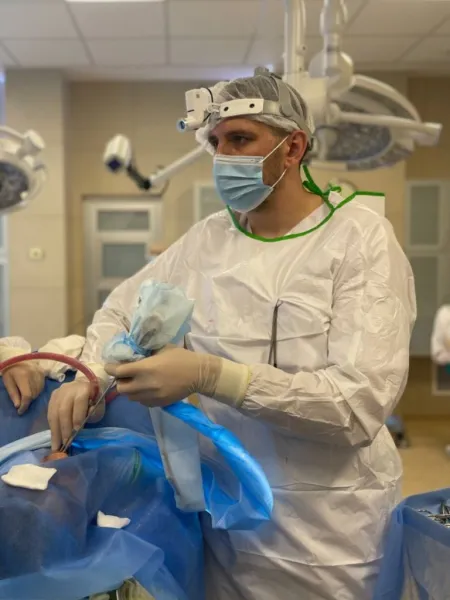
A deviated nasal septum is very common and can be congenital or acquired after injuries. Such a deformation not only affects appearance but also significantly worsens quality of life: difficulty breathing, chronic runny nose, headaches, and a constant feeling of fatigue. Septoplasty is a surgical procedure aimed at straightening the nasal septum, restoring proper nasal breathing, and improving the patient's overall well-being.
When surgery is needed
Correction of the nasal septum is recommended if the patient has:
difficulty breathing through the nose;
frequent headaches and migraines;
chronic runny nose or sinusitis;
sleep apnea (breathing stops during sleep);
snoring that disrupts restful sleep;
regular inflammatory diseases of the nasopharynx.
How the surgery is performed
Consultation with an ENT doctor. An endoscopic examination of the nasal cavity is conducted, and necessary tests are prescribed.
Anesthesia. General anesthesia is most commonly used.
Procedure. The surgeon makes incisions inside the nasal cavity, carefully removes or repositions the deviated sections of cartilage and bone tissue.
Completion. The incisions are closed with self-absorbing sutures, and soft tampons or silicone splints are placed to stabilize the septum.
Recovery period
The patient stays in the clinic for 1–2 days.
Swelling and mild discomfort persist for several days.
Full recovery of breathing occurs in 2–3 weeks.
The final result is assessed after 1–2 months.
Results of septoplasty
Free nasal breathing.
Reduced frequency of colds and sinusitis.
Decreased snoring and improved sleep quality.
Increased productivity and overall well-being.
If necessary, it can be combined with rhinoplasty to improve the aesthetics of the nose.
Contraindications
acute inflammatory diseases;
severe chronic pathologies in the decompensation stage;
blood clotting disorders;
pregnancy and lactation period.
When surgery is needed
Correction of the nasal septum is recommended if the patient has:
difficulty breathing through the nose;
frequent headaches and migraines;
chronic runny nose or sinusitis;
sleep apnea (breathing stops during sleep);
snoring that disrupts restful sleep;
regular inflammatory diseases of the nasopharynx.
How the surgery is performed
Consultation with an ENT doctor. An endoscopic examination of the nasal cavity is conducted, and necessary tests are prescribed.
Anesthesia. General anesthesia is most commonly used.
Procedure. The surgeon makes incisions inside the nasal cavity, carefully removes or repositions the deviated sections of cartilage and bone tissue.
Completion. The incisions are closed with self-absorbing sutures, and soft tampons or silicone splints are placed to stabilize the septum.
Recovery period
The patient stays in the clinic for 1–2 days.
Swelling and mild discomfort persist for several days.
Full recovery of breathing occurs in 2–3 weeks.
The final result is assessed after 1–2 months.
Results of septoplasty
Free nasal breathing.
Reduced frequency of colds and sinusitis.
Decreased snoring and improved sleep quality.
Increased productivity and overall well-being.
If necessary, it can be combined with rhinoplasty to improve the aesthetics of the nose.
Contraindications
acute inflammatory diseases;
severe chronic pathologies in the decompensation stage;
blood clotting disorders;
pregnancy and lactation period.


