
REMOVAL OF SKIN NEOPLASM
Removal of skin lesions – moles, papillomas, warts
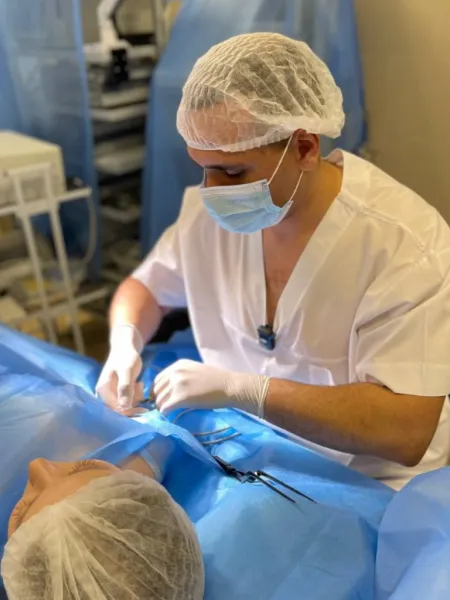
Skin neoplasms are pathological or benign tissue growths on the skin that can appear at any age. Most often, they are not dangerous, but some require mandatory removal as they can transform into malignant tumors or cause aesthetic and physical discomfort.
Types of Skin Neoplasms
Moles (nevi). Usually benign, but some may have a risk of malignant transformation (melanoma).
Papillomas. Soft growths on a stalk caused by the human papillomavirus (HPV).
Keratoses. Age-related growths that appear as keratinized spots or plaques.
Lipomas. Fatty tumors — soft, painless growths under the skin, not prone to malignancy.
Atheromas. Sebaceous gland cysts that can become inflamed and suppurate.
Fibromas. Benign growths from connective tissue.
Warts. Viral-origin skin growths, often appearing on hands and feet.
Malignant skin tumors. Melanoma, basal cell carcinoma, squamous cell carcinoma — require urgent diagnosis and surgical treatment.
Methods of Removing Skin Neoplasms
Surgical removal. A classic method involving excision with a scalpel and subsequent suturing. Used when cancer is suspected.
Laser removal. A quick and painless method suitable for moles, papillomas, warts. Leaves no scars.
Radio wave removal. A precise method that minimally traumatizes tissues, suitable for small growths.
Cryodestruction (liquid nitrogen). Freezing the growth, causing it to fall off.
Electrocoagulation. High-frequency current cauterization, effective for warts and papillomas.
When to See a Doctor
Removal of growths is necessary if:
The growth rapidly increases in size or changes color and shape;
There is pain, itching, or bleeding;
There is frequent trauma (e.g., on the face, neck, under clothing);
There is suspicion of a malignant process.
Advantages of Removal in a Clinic
Modern equipment and gentle techniques.
Minimal trauma and quick recovery period.
Possibility of histological examination of the removed material.
Individual approach to each patient.
Types of Skin Neoplasms
Moles (nevi). Usually benign, but some may have a risk of malignant transformation (melanoma).
Papillomas. Soft growths on a stalk caused by the human papillomavirus (HPV).
Keratoses. Age-related growths that appear as keratinized spots or plaques.
Lipomas. Fatty tumors — soft, painless growths under the skin, not prone to malignancy.
Atheromas. Sebaceous gland cysts that can become inflamed and suppurate.
Fibromas. Benign growths from connective tissue.
Warts. Viral-origin skin growths, often appearing on hands and feet.
Malignant skin tumors. Melanoma, basal cell carcinoma, squamous cell carcinoma — require urgent diagnosis and surgical treatment.
Methods of Removing Skin Neoplasms
Surgical removal. A classic method involving excision with a scalpel and subsequent suturing. Used when cancer is suspected.
Laser removal. A quick and painless method suitable for moles, papillomas, warts. Leaves no scars.
Radio wave removal. A precise method that minimally traumatizes tissues, suitable for small growths.
Cryodestruction (liquid nitrogen). Freezing the growth, causing it to fall off.
Electrocoagulation. High-frequency current cauterization, effective for warts and papillomas.
When to See a Doctor
Removal of growths is necessary if:
The growth rapidly increases in size or changes color and shape;
There is pain, itching, or bleeding;
There is frequent trauma (e.g., on the face, neck, under clothing);
There is suspicion of a malignant process.
Advantages of Removal in a Clinic
Modern equipment and gentle techniques.
Minimal trauma and quick recovery period.
Possibility of histological examination of the removed material.
Individual approach to each patient.


