
VENECTOMY (PHLEBECTOMY)
Venectomy is a surgical treatment for varicose veins in the lower extremities.
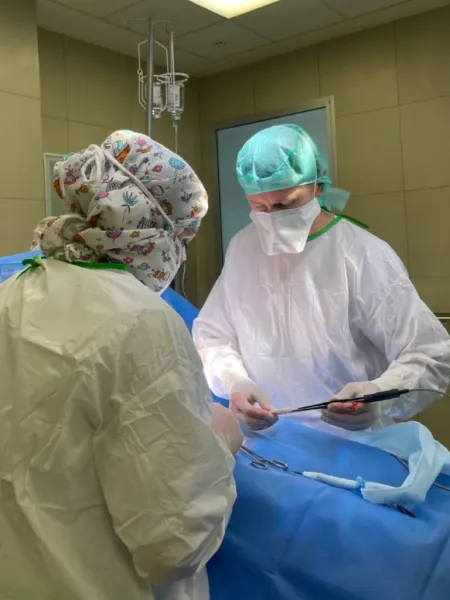
What is a Venectomy
A venectomy (or phlebectomy) is a surgical procedure to remove varicose veins in the lower extremities. It is used in advanced cases of varicose disease when conservative treatments (compression stockings, medications, sclerotherapy) no longer provide the desired effect.
The main goal of the surgery is to eliminate pathologically altered veins, restore normal blood flow, and prevent the development of complications such as thrombophlebitis, trophic ulcers, or chronic venous insufficiency.
When is a Venectomy Indicated
The decision to perform the surgery is made by a vascular surgeon after a detailed examination (inspection, ultrasound of the veins, duplex scanning). The main indications include:
Varicose veins with a pronounced cosmetic defect
Swelling and a feeling of heaviness in the legs
Cramps and pain in the calf muscles
Circulatory disorders and chronic venous insufficiency
Varicose nodes with a risk of thrombosis or inflammation
Trophic skin changes (ulcers, dermatitis)
How the Surgery is Performed
Modern venectomy is performed under local or spinal anesthesia and takes an average of 40–90 minutes. The main stages include:
Vein mapping — using ultrasound, the surgeon precisely determines the areas to be removed.
Small incisions or punctures — through which the pathological veins are carefully extracted using special instruments.
Removal of affected vessels — performed partially or completely, depending on the extent of the damage.
Cosmetic suturing and dressing — small stitches or sterile strips are applied to the skin.
The patient can stand up a few hours after the surgery, and discharge from the hospital usually occurs the next day.
Advantages of Modern Venectomy
✅ High effectiveness — completely eliminates varicose nodes
✅ Quick recovery — return to normal activities within 5–7 days
✅ Minimal invasiveness — small incisions and a short postoperative period
✅ Excellent cosmetic result — scars are almost invisible
✅ Prevention of complications — reduces the risk of thrombosis and trophic ulcers
Postoperative Period and Recommendations
Wearing compression stockings for 2–4 weeks
Moderate physical activity (walking) from the first days
Avoiding heavy loads, hot baths, and saunas for 3–4 weeks
Follow-up visits to the vascular surgeon
Complete restoration of venous blood flow and disappearance of unpleasant symptoms usually occur within 2–4 weeks.
💡 Venectomy is an effective and reliable way to eliminate varicose disease, improve quality of life, and enhance the appearance of the legs. Modern methods make the surgery as gentle, safe, and quick to recover from as possible.
A venectomy (or phlebectomy) is a surgical procedure to remove varicose veins in the lower extremities. It is used in advanced cases of varicose disease when conservative treatments (compression stockings, medications, sclerotherapy) no longer provide the desired effect.
The main goal of the surgery is to eliminate pathologically altered veins, restore normal blood flow, and prevent the development of complications such as thrombophlebitis, trophic ulcers, or chronic venous insufficiency.
When is a Venectomy Indicated
The decision to perform the surgery is made by a vascular surgeon after a detailed examination (inspection, ultrasound of the veins, duplex scanning). The main indications include:
Varicose veins with a pronounced cosmetic defect
Swelling and a feeling of heaviness in the legs
Cramps and pain in the calf muscles
Circulatory disorders and chronic venous insufficiency
Varicose nodes with a risk of thrombosis or inflammation
Trophic skin changes (ulcers, dermatitis)
How the Surgery is Performed
Modern venectomy is performed under local or spinal anesthesia and takes an average of 40–90 minutes. The main stages include:
Vein mapping — using ultrasound, the surgeon precisely determines the areas to be removed.
Small incisions or punctures — through which the pathological veins are carefully extracted using special instruments.
Removal of affected vessels — performed partially or completely, depending on the extent of the damage.
Cosmetic suturing and dressing — small stitches or sterile strips are applied to the skin.
The patient can stand up a few hours after the surgery, and discharge from the hospital usually occurs the next day.
Advantages of Modern Venectomy
✅ High effectiveness — completely eliminates varicose nodes
✅ Quick recovery — return to normal activities within 5–7 days
✅ Minimal invasiveness — small incisions and a short postoperative period
✅ Excellent cosmetic result — scars are almost invisible
✅ Prevention of complications — reduces the risk of thrombosis and trophic ulcers
Postoperative Period and Recommendations
Wearing compression stockings for 2–4 weeks
Moderate physical activity (walking) from the first days
Avoiding heavy loads, hot baths, and saunas for 3–4 weeks
Follow-up visits to the vascular surgeon
Complete restoration of venous blood flow and disappearance of unpleasant symptoms usually occur within 2–4 weeks.
💡 Venectomy is an effective and reliable way to eliminate varicose disease, improve quality of life, and enhance the appearance of the legs. Modern methods make the surgery as gentle, safe, and quick to recover from as possible.


