
ABDOMINOCENTESIS
ABDOMINOCENTESIS FOR ASCITES: REAL CLINICAL LOGIC, RISKS, AND STRATEGY
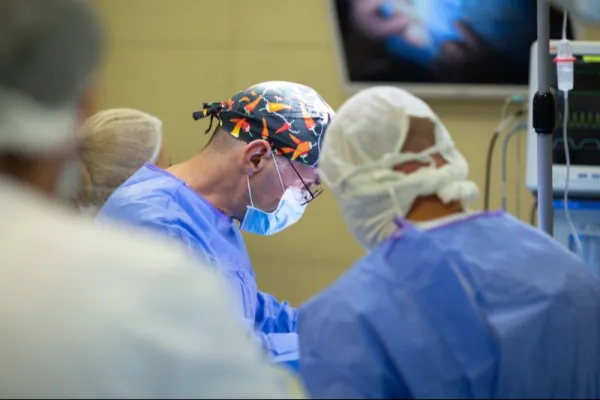
ABDOMINOCENTESIS IN ASCITES: REAL CLINICAL LOGIC, RISKS, AND STRATEGY
Abdominocentesis is not simply the evacuation of fluid. It is an intervention in the fragile hemodynamic balance of a patient with portal hypertension. Its success depends not on the volume of fluid removed but on the degree of control over plasma volume, vascular tone, and electrolytes after the procedure.
CLINICALLY MEANINGFUL INDICATIONS
• Severe tense ascites
• Diuretic-resistant ascites
• Suspicion of spontaneous bacterial peritonitis (diagnostic or therapeutic)
• Respiratory compression, pain, inability to move, anorexia
• Palliative symptom control in oncological ascites
ADVANTAGES OF ABDOMINOCENTESIS
• Rapid reduction in intra-abdominal pressure.
• Improvement in breathing, kidney perfusion, and patient motivation.
• Ability to perform laboratory evaluation of the fluid.
• Reduced risk of hernia rupture in tense ascites.
• In oncology – improvement in quality of life.
• Main advantage: The procedure provides an almost instant clinical effect when medication therapy may take weeks to work.
DISADVANTAGES
• The effect is often temporary if the vascular and oncotic balance is not corrected.
• It accelerates hypoalbuminemia when large volumes are removed.
• It can intensify the hypovolemic response and stimulate the RAAS.
• In some patients, renal deterioration develops within several hours.
• If plasma volume is not replenished after fluid removal, the patient may worsen even after a technically perfect procedure.
MAIN RISKS
• Hypovolemia and circulatory dysfunction
• Renal failure after paracentesis (PPCD)
• Perforation of vessels, intestines, or bladder
• Bleeding in patients with coagulation disorders
• Infection (rare but critical)
• Electrolyte disturbances
• In oncological patients – accelerated recurrent fluid accumulation
KEY TO PATIENT SURVIVAL – PROCEDURE STRATEGY
1. Optimal Fluid Removal Volume
• Classical range: 4–6 liters.
• Technically, 10–12 liters can be removed, but only with mandatory albumin administration.
• If albumin is unavailable, removing more than 3–4 liters is impractical.
2. Albumin Support (Golden Standard)
• In Italy: Albumina 20% or 5% is available in the hospital pharmacy.
• Dosage: 8 g of albumin for each liter of fluid removed.
Example: 6 liters = 48 g of albumin.
• Rationale: Albumin prevents PPCD, stabilizes hemodynamics, and improves renal perfusion.
3. Control of Vascular Tone
• Available in Italy:
– Carvedilol
– Midodrine (available in some pharmacies as “Galenico,” legally accessible)
• Midodrine is particularly useful in patients with baseline arterial hypotension.
• The combination following a large paracentesis reduces the risk of renal deterioration.
4. Sodium and Fluid Regimen
• Limit sodium intake to no more than 2 g per day.
• Adjust fluid quantity based on sodium levels and the clinical picture.
5. Continuation of Diuretic Therapy
• Regimen:
– Spironolactone 100–200 mg
– Furosemide 20–40 mg or Torasemide
• Pausing diuretics after paracentesis is justified only when there is a risk of hypovolemia.
6. Renal Monitoring (after 6–12 hours)
• Monitor:
– Creatinine
– Sodium
– Potassium
– Blood pressure
• If creatinine rises by >0.3 mg/dL, adjust the strategy.
7. Prevention of Spontaneous Bacterial Peritonitis (SBP)
• Indications include:
– Ascitic fluid protein <1 g/dL
– Previous SBP
– Severe hyponatremia
• In Italy, available prophylactic antibiotics:
– Norfloxacin
– Ciprofloxacin
COMMON MISTAKES I OFTEN SEE
• Removing a large volume of fluid without albumin.
• Discontinuing diuretics too early.
• Considering ascites solely as a consequence of cirrhosis, while ignoring vascular dysfunction.
• Incorrect selection of the puncture site, especially in cachectic patients.
• Failing to monitor electrolyte dynamics.
POST-PROCEDURAL SUPPORTIVE THERAPY
(Using actual medications available in Italy)
• Carvedilol 6.25–12.5 mg
– Reduces portal pressure and decreases the rate of recurrent ascites accumulation.
• Spironolactone + Furosemide
– To prevent re-ascitization.
• Albumin 20% in courses
– 1–2 times per week in cases of pronounced hypoalbuminemia.
• L-ornithine L-aspartate
– Reduces the ammonia load and improves overall condition.
• Omega-3 and curcumin
– Reduce splanchnic inflammation.
• A high-protein diet if there is no significant encephalopathy.
– Sarcopenia always accelerates the return of ascites.
• In cases of oncological ascites:
– Consider Octreotide, short courses of corticosteroids, and VEGF antagonists as indicated.
THE KEY POINT I WANT TO EMPHASIZE
Abdominocentesis is not a treatment for ascites. It is a tool for executing a strategic clinical maneuver. A successful outcome is determined not by the procedure itself but by what is accomplished in the first 24–48 hours afterward.
──────────────────────────────
ABDOMINOGENESIS THERAPY IN PORTAL HYPERTENSION
The pathogenesis of ascites in portal hypertension always begins with one key event. The pressure in the portal venous system (v. portae) increases, blood flow is redistributed, the hydrostatic equilibrium is disturbed, and the fluid component of plasma leaks from the vessels into the abdominal cavity. However, the clinical picture is never limited to a simple “leak.” It is a multi-layered failure involving the liver, the vascular bed, the kidneys, the endothelium, and the lymphatic system.
What actually happens:
• Hepatocellular dysfunction reduces albumin synthesis. Oncology and cirrhosis lead to fibrosis, decreased portal blood flow, and stasis. With a drop in oncotic pressure, fluid escapes more easily.
• Local inflammation and NO dysregulation dilate the splanchnic vessels. The circulating blood volume becomes “seemingly low.”
• The kidneys respond as if there is hypovolemia. The RAAS is activated, sodium reabsorption increases, and ADH levels rise. The body becomes trapped in water retention, paradoxically increasing the ascitogenic potential.
• The hepatic lymphatic system starts working at its limit. Lymph production increases tenfold. However, the lymphatic system cannot handle the outflow and leaks into the abdominal cavity.
• The oncological process adds another layer. Tumors increase vascular permeability, compress portal tracts, cause local lymphostasis, and stimulate VEGF production. This explains a more aggressive, difficult-to-control ascites.
Ascites in portal hypertension is not merely a local liver issue. It is a systemic vascular-hormonal crisis that cannot be treated with a single point of attack.
I present only those measures that are available in the pharmacy.
1. Diuretic Strategy
– The basis of the European protocol.
• Spironolactone (Aldactone, Spirono)
50–100 mg up to 200–300 mg per day. This is the basic diuretic for ascites in cirrhosis.
• Furosemide (Lasix)
20–40 mg up to 80–120 mg per day. It is used solely in combination because as monotherapy it is less effective in portal hypertension.
• Torasemide (Toradiur, Demadex analogs)
It is useful when a more stable effect is required without an acute sodium rebound.
2. Medications Affecting Vascular Tone and Portal Pressure
• Carvedilol (Coreg)
– Blocks alpha and beta receptors, reducing portal pressure more effectively than classical beta-blockers.
• Propranolol (Inderal)
– Used in the prevention of bleeding, indirectly improving the ascitogenic situation.
3. Albumin (20% and 5% Solutions)
– In Italian pharmacies, albumin is available by prescription or through a hospital pharmacy.
Indications:
• Following large paracentesis
• In SBP
• In resistant ascites
– In practice, albumin solutions provide a short-term effect, but they remain the only way to quickly raise oncotic pressure.
4. Anti-VEGF and Adjunctive Anti-Inflammatory Support
– In patients with oncological ascites, the following may occasionally be used:
• Celecoxib
• Short courses of corticosteroids
• Octreotide (in limited scenarios)
5. Antibiotic Prophylaxis for SBP (When Indicated)
• Norfloxacin
• Ciprofloxacin
– Used in patients with low-protein ascitic fluid, though strict patient selection is required.
6. Potassium Orotate, Silymarin, L-Ornithine L-Aspartate, and Other Hepatoprotective Agents
– Their role is supportive.
Available in Italy:
• Legalon (silymarin)
• HepaStrong
• L-Ornithine L-Aspartate (for example, X-Ornitina)
– They do not directly resolve ascites but help with ammonia clearance, reducing inflammation, and improving overall liver metabolism.
7. Adjunct Nutraceuticals Available in Regular Pharmacies
– A list based solely on evidence-based logic, without naturopathic folklore:
• Phytosome Curcuma (Meriva)
– Reduces inflammatory activity.
• High-purity Omega-3
– Reduces portal inflammation.
• Vitamin D (for allo-correction)
– Almost all cirrhotic patients are deficient, and this deficit affects vascular reactivity.
• Multi-strain Probiotics
– Because portal hypertension always increases endotoxin load through the gut.
A CLINICALLY IMPORTANT POINT THAT IS OFTEN OVERLOOKED
Ascites is usually viewed as a reflection of the severity of cirrhosis or a tumor. However, it is equally an indicator of the condition of the vascular system and hormonal reactivity. A patient with pronounced ascites almost always has a hidden deficit in effective blood volume. Treating only the liver is a mistake. Treating solely with diuretics is also a mistake.
A systemic approach is needed:
• Sodium control
• Combination diuretic therapy
• Correction of vascular tone
• Restoration of plasma volume
• Combating inflammation
• Control of bacterial translocation
• Correction of hypoalbuminemia
• Evaluation of hepatic lymph outflow
• Management of sarcopenia
Only then does ascites become manageable.
Ascites is always a test of the body’s ability to maintain the balance between pressure, oncotic forces, lymph, and hormones. If this balance is disrupted, the pathology has long since extended beyond the liver. This is why patients with similar degrees of cirrhosis can have vastly different amounts of ascites. Ascites is not merely a symptom; it is a marker of systemic depletion of regulatory mechanisms.
Abdominocentesis is not simply the evacuation of fluid. It is an intervention in the fragile hemodynamic balance of a patient with portal hypertension. Its success depends not on the volume of fluid removed but on the degree of control over plasma volume, vascular tone, and electrolytes after the procedure.
CLINICALLY MEANINGFUL INDICATIONS
• Severe tense ascites
• Diuretic-resistant ascites
• Suspicion of spontaneous bacterial peritonitis (diagnostic or therapeutic)
• Respiratory compression, pain, inability to move, anorexia
• Palliative symptom control in oncological ascites
ADVANTAGES OF ABDOMINOCENTESIS
• Rapid reduction in intra-abdominal pressure.
• Improvement in breathing, kidney perfusion, and patient motivation.
• Ability to perform laboratory evaluation of the fluid.
• Reduced risk of hernia rupture in tense ascites.
• In oncology – improvement in quality of life.
• Main advantage: The procedure provides an almost instant clinical effect when medication therapy may take weeks to work.
DISADVANTAGES
• The effect is often temporary if the vascular and oncotic balance is not corrected.
• It accelerates hypoalbuminemia when large volumes are removed.
• It can intensify the hypovolemic response and stimulate the RAAS.
• In some patients, renal deterioration develops within several hours.
• If plasma volume is not replenished after fluid removal, the patient may worsen even after a technically perfect procedure.
MAIN RISKS
• Hypovolemia and circulatory dysfunction
• Renal failure after paracentesis (PPCD)
• Perforation of vessels, intestines, or bladder
• Bleeding in patients with coagulation disorders
• Infection (rare but critical)
• Electrolyte disturbances
• In oncological patients – accelerated recurrent fluid accumulation
KEY TO PATIENT SURVIVAL – PROCEDURE STRATEGY
1. Optimal Fluid Removal Volume
• Classical range: 4–6 liters.
• Technically, 10–12 liters can be removed, but only with mandatory albumin administration.
• If albumin is unavailable, removing more than 3–4 liters is impractical.
2. Albumin Support (Golden Standard)
• In Italy: Albumina 20% or 5% is available in the hospital pharmacy.
• Dosage: 8 g of albumin for each liter of fluid removed.
Example: 6 liters = 48 g of albumin.
• Rationale: Albumin prevents PPCD, stabilizes hemodynamics, and improves renal perfusion.
3. Control of Vascular Tone
• Available in Italy:
– Carvedilol
– Midodrine (available in some pharmacies as “Galenico,” legally accessible)
• Midodrine is particularly useful in patients with baseline arterial hypotension.
• The combination following a large paracentesis reduces the risk of renal deterioration.
4. Sodium and Fluid Regimen
• Limit sodium intake to no more than 2 g per day.
• Adjust fluid quantity based on sodium levels and the clinical picture.
5. Continuation of Diuretic Therapy
• Regimen:
– Spironolactone 100–200 mg
– Furosemide 20–40 mg or Torasemide
• Pausing diuretics after paracentesis is justified only when there is a risk of hypovolemia.
6. Renal Monitoring (after 6–12 hours)
• Monitor:
– Creatinine
– Sodium
– Potassium
– Blood pressure
• If creatinine rises by >0.3 mg/dL, adjust the strategy.
7. Prevention of Spontaneous Bacterial Peritonitis (SBP)
• Indications include:
– Ascitic fluid protein <1 g/dL
– Previous SBP
– Severe hyponatremia
• In Italy, available prophylactic antibiotics:
– Norfloxacin
– Ciprofloxacin
COMMON MISTAKES I OFTEN SEE
• Removing a large volume of fluid without albumin.
• Discontinuing diuretics too early.
• Considering ascites solely as a consequence of cirrhosis, while ignoring vascular dysfunction.
• Incorrect selection of the puncture site, especially in cachectic patients.
• Failing to monitor electrolyte dynamics.
POST-PROCEDURAL SUPPORTIVE THERAPY
(Using actual medications available in Italy)
• Carvedilol 6.25–12.5 mg
– Reduces portal pressure and decreases the rate of recurrent ascites accumulation.
• Spironolactone + Furosemide
– To prevent re-ascitization.
• Albumin 20% in courses
– 1–2 times per week in cases of pronounced hypoalbuminemia.
• L-ornithine L-aspartate
– Reduces the ammonia load and improves overall condition.
• Omega-3 and curcumin
– Reduce splanchnic inflammation.
• A high-protein diet if there is no significant encephalopathy.
– Sarcopenia always accelerates the return of ascites.
• In cases of oncological ascites:
– Consider Octreotide, short courses of corticosteroids, and VEGF antagonists as indicated.
THE KEY POINT I WANT TO EMPHASIZE
Abdominocentesis is not a treatment for ascites. It is a tool for executing a strategic clinical maneuver. A successful outcome is determined not by the procedure itself but by what is accomplished in the first 24–48 hours afterward.
──────────────────────────────
ABDOMINOGENESIS THERAPY IN PORTAL HYPERTENSION
The pathogenesis of ascites in portal hypertension always begins with one key event. The pressure in the portal venous system (v. portae) increases, blood flow is redistributed, the hydrostatic equilibrium is disturbed, and the fluid component of plasma leaks from the vessels into the abdominal cavity. However, the clinical picture is never limited to a simple “leak.” It is a multi-layered failure involving the liver, the vascular bed, the kidneys, the endothelium, and the lymphatic system.
What actually happens:
• Hepatocellular dysfunction reduces albumin synthesis. Oncology and cirrhosis lead to fibrosis, decreased portal blood flow, and stasis. With a drop in oncotic pressure, fluid escapes more easily.
• Local inflammation and NO dysregulation dilate the splanchnic vessels. The circulating blood volume becomes “seemingly low.”
• The kidneys respond as if there is hypovolemia. The RAAS is activated, sodium reabsorption increases, and ADH levels rise. The body becomes trapped in water retention, paradoxically increasing the ascitogenic potential.
• The hepatic lymphatic system starts working at its limit. Lymph production increases tenfold. However, the lymphatic system cannot handle the outflow and leaks into the abdominal cavity.
• The oncological process adds another layer. Tumors increase vascular permeability, compress portal tracts, cause local lymphostasis, and stimulate VEGF production. This explains a more aggressive, difficult-to-control ascites.
Ascites in portal hypertension is not merely a local liver issue. It is a systemic vascular-hormonal crisis that cannot be treated with a single point of attack.
I present only those measures that are available in the pharmacy.
1. Diuretic Strategy
– The basis of the European protocol.
• Spironolactone (Aldactone, Spirono)
50–100 mg up to 200–300 mg per day. This is the basic diuretic for ascites in cirrhosis.
• Furosemide (Lasix)
20–40 mg up to 80–120 mg per day. It is used solely in combination because as monotherapy it is less effective in portal hypertension.
• Torasemide (Toradiur, Demadex analogs)
It is useful when a more stable effect is required without an acute sodium rebound.
2. Medications Affecting Vascular Tone and Portal Pressure
• Carvedilol (Coreg)
– Blocks alpha and beta receptors, reducing portal pressure more effectively than classical beta-blockers.
• Propranolol (Inderal)
– Used in the prevention of bleeding, indirectly improving the ascitogenic situation.
3. Albumin (20% and 5% Solutions)
– In Italian pharmacies, albumin is available by prescription or through a hospital pharmacy.
Indications:
• Following large paracentesis
• In SBP
• In resistant ascites
– In practice, albumin solutions provide a short-term effect, but they remain the only way to quickly raise oncotic pressure.
4. Anti-VEGF and Adjunctive Anti-Inflammatory Support
– In patients with oncological ascites, the following may occasionally be used:
• Celecoxib
• Short courses of corticosteroids
• Octreotide (in limited scenarios)
5. Antibiotic Prophylaxis for SBP (When Indicated)
• Norfloxacin
• Ciprofloxacin
– Used in patients with low-protein ascitic fluid, though strict patient selection is required.
6. Potassium Orotate, Silymarin, L-Ornithine L-Aspartate, and Other Hepatoprotective Agents
– Their role is supportive.
Available in Italy:
• Legalon (silymarin)
• HepaStrong
• L-Ornithine L-Aspartate (for example, X-Ornitina)
– They do not directly resolve ascites but help with ammonia clearance, reducing inflammation, and improving overall liver metabolism.
7. Adjunct Nutraceuticals Available in Regular Pharmacies
– A list based solely on evidence-based logic, without naturopathic folklore:
• Phytosome Curcuma (Meriva)
– Reduces inflammatory activity.
• High-purity Omega-3
– Reduces portal inflammation.
• Vitamin D (for allo-correction)
– Almost all cirrhotic patients are deficient, and this deficit affects vascular reactivity.
• Multi-strain Probiotics
– Because portal hypertension always increases endotoxin load through the gut.
A CLINICALLY IMPORTANT POINT THAT IS OFTEN OVERLOOKED
Ascites is usually viewed as a reflection of the severity of cirrhosis or a tumor. However, it is equally an indicator of the condition of the vascular system and hormonal reactivity. A patient with pronounced ascites almost always has a hidden deficit in effective blood volume. Treating only the liver is a mistake. Treating solely with diuretics is also a mistake.
A systemic approach is needed:
• Sodium control
• Combination diuretic therapy
• Correction of vascular tone
• Restoration of plasma volume
• Combating inflammation
• Control of bacterial translocation
• Correction of hypoalbuminemia
• Evaluation of hepatic lymph outflow
• Management of sarcopenia
Only then does ascites become manageable.
Ascites is always a test of the body’s ability to maintain the balance between pressure, oncotic forces, lymph, and hormones. If this balance is disrupted, the pathology has long since extended beyond the liver. This is why patients with similar degrees of cirrhosis can have vastly different amounts of ascites. Ascites is not merely a symptom; it is a marker of systemic depletion of regulatory mechanisms.


