
TREATMENT OF ACUTE VIRAL RESPIRATORY DISEASES
Acute Respiratory Viral Infections (ARVI) are a group of diseases affecting the respiratory tract and caused by various viruses. These include the common cold, flu, and other viral infections of the upper respiratory tract. ARVI is characterized by symptoms such as a runny nose, cough, sore throat, fever, and general malaise.
Acute Respiratory Viral Infections (ARVI) are a group of diseases affecting the respiratory tract and caused by various viruses. These include the common cold, flu, and other viral infections of the upper respiratory tract. ARVI is characterized by symptoms such as a runny nose, cough, sore throat, fever, and general malaise.
At the "Genesis Dnipro" clinic, comprehensive diagnosis and treatment of ARVI are conducted using modern methods and medications.
CAUSES OF ARVI:
● Viral infections: The main cause is infection with various viruses such as rhinoviruses, coronaviruses, adenoviruses, and influenza viruses.
● Contact with infected individuals: Viruses are transmitted through airborne droplets during coughing, sneezing, or talking, as well as through contaminated surfaces.
● Weakened immunity: Poor nutrition, chronic diseases, stress, and lack of sleep can reduce the body's resistance to infections.
PRINCIPAL APPROACHES IN TREATMENT:
EXAMINATION:
● Clinical examination: Assessment of symptoms, temperature measurement, throat examination, and lung auscultation.
● Laboratory tests:
○ Complete blood count: Helps determine the presence of an inflammatory process.
○ Rapid tests: Conducted if necessary to identify a specific pathogen, such as the influenza virus or COVID-19.
TREATMENT:
Antiviral therapy:
● Remdesivir: Used for severe cases of any viral infections.
● Oseltamivir: A medication for treating influenza A/B.
● Molnupiravir (Lagevrio): For treating COVID-19 and some viral diseases.
● Xofluza: A new drug for treating influenza A/B.
● Alfarekin: Suppositories used at the first signs of a cold; administered rectally, 1–2 suppositories at night.
● Panavir spray: Used for sore throats; the back of the throat is treated up to 3 times a day.
● L-Lysine: Taken 2 tablets 6 times a day for the first 3 days, then the dosage is reduced according to the scheme.
● Resistol (Pelargonium extract): A natural immunomodulator that enhances the body's defenses and helps fight infection.
CORDYCEPS ! ! !
RADOCHLORIN ! ! !
Symptomatic therapy:
● Antipyretic drugs: Paracetamol, Ibuprofen with Lysine salts (Italy) — used for fever.
● Nasal decongestants: Rhinotap (Thailand), Xylometazoline, Oxymetazoline — reduce nasal congestion.
● Antihistamines: Loratadine, Cetirizine, Rhinotab — help reduce mucosal swelling.
● Mucolytics: Fluimucil (Italy), Ambroxol, Acetylcysteine — thin mucus and facilitate expectoration.
● Antiseptic and anti-inflammatory agents for the throat:
Dekasan - for gargling . . .
○ Sprays: Panavir, Tantum Verde, Hexaspray — relieve throat inflammation.
○ Lozenges and candies: Strepsils, Lizobact — have antiseptic and soothing effects.
○ Thai throat lozenges: Used up to 6 times a day to relieve symptoms.
● Antibacterial therapy: Prescribed only by a doctor when a bacterial infection is present.
Possible medications:
○ Azithromycin (Zitromax) Italy - as prescribed by a doctor;
○ Moxifloxacin (Avalox) Italy - as prescribed by a doctor;
Prevention of complications:
● Probiotics intake: Support intestinal microflora during prolonged therapy.
● Temperature control and hydration: Adequate fluid intake to prevent dehydration.
● Immunomodulators: Cordyceps, Radochlorin, ozone therapy — stimulate the immune system.
DIET DURING A COLD:
During a cold, diet plays an important role in strengthening the immune system, supporting the body, and alleviating symptoms.
● Light soups and broths: Hot soups, such as chicken broth, help improve blood circulation and support the body in fighting infection.
● Fruits and vegetables: Rich in vitamins and antioxidants that help strengthen the immune system. Especially beneficial are citrus fruits, berries, kiwi, red and yellow peppers, spinach, and broccoli.
● Foods high in vitamin C: Oranges, tangerines, lemons, grapefruits.
● Protein-rich foods: Meat, fish, eggs, and legumes help tissue repair and maintain immunity.
● Light porridges: Oatmeal, buckwheat, rice help the body get the necessary energy without overloading the stomach.
● Honey and butter: Create a coating effect, reducing throat pain and aiding expectoration.
DRINKING REGIME:
During a cold, it is necessary to ensure an adequate amount of fluid intake to maintain hydration, which helps thin mucus and facilitate expectoration.
● Water quality: It is important to drink clean water without chlorine and impurities, not using water obtained by reverse osmosis.
● Mineralization: Water should have an optimal level of mineralization to maintain electrolyte balance in the body. It is better to choose waters with low or medium mineralization. For example, mineral water like "Aqua Panna" or "Borjomi. "
● Amount of water: During illness, it is recommended to drink 2. 5–3 liters of fluid per day to compensate for fluid loss through sweating and normalize metabolism.
● Teas and decoctions: Herbal teas such as chamomile, raspberry, ginger, lemon with honey are beneficial. These drinks have anti-inflammatory and diaphoretic effects.
PREVENTION:
● Immunomodulators: Natural preparations like Cordyceps help strengthen immunity and the body's defenses.
● Hygiene: Regular hand washing, use of antiseptics, avoiding contact with infected people.
● Strengthening immunity: Balanced nutrition, physical activity, adequate sleep, and vitamin intake.
Following these recommendations contributes to the effective treatment and prevention of ARVI, reducing the risk of complications and improving the overall condition of the body. Information about medications is for informational purposes only. Consult a doctor before use.
CAUSES OF ARVI:
● Viral infections: The main cause is infection with various viruses such as rhinoviruses, coronaviruses, adenoviruses, and influenza viruses.
● Contact with infected individuals: Viruses are transmitted through airborne droplets during coughing, sneezing, or talking, as well as through contaminated surfaces.
● Weakened immunity: Poor nutrition, chronic diseases, stress, and lack of sleep can reduce the body's resistance to infections.
PRINCIPAL APPROACHES IN TREATMENT:
EXAMINATION:
● Clinical examination: Assessment of symptoms, temperature measurement, throat examination, and lung auscultation.
● Laboratory tests:
○ Complete blood count: Helps determine the presence of an inflammatory process.
○ Rapid tests: Conducted if necessary to identify a specific pathogen, such as the influenza virus or COVID-19.
TREATMENT:
Antiviral therapy:
● Remdesivir: Used for severe cases of any viral infections.
● Oseltamivir: A medication for treating influenza A/B.
● Molnupiravir (Lagevrio): For treating COVID-19 and some viral diseases.
● Xofluza: A new drug for treating influenza A/B.
● Alfarekin: Suppositories used at the first signs of a cold; administered rectally, 1–2 suppositories at night.
● Panavir spray: Used for sore throats; the back of the throat is treated up to 3 times a day.
● L-Lysine: Taken 2 tablets 6 times a day for the first 3 days, then the dosage is reduced according to the scheme.
● Resistol (Pelargonium extract): A natural immunomodulator that enhances the body's defenses and helps fight infection.
CORDYCEPS ! ! !
RADOCHLORIN ! ! !
Symptomatic therapy:
● Antipyretic drugs: Paracetamol, Ibuprofen with Lysine salts (Italy) — used for fever.
● Nasal decongestants: Rhinotap (Thailand), Xylometazoline, Oxymetazoline — reduce nasal congestion.
● Antihistamines: Loratadine, Cetirizine, Rhinotab — help reduce mucosal swelling.
● Mucolytics: Fluimucil (Italy), Ambroxol, Acetylcysteine — thin mucus and facilitate expectoration.
● Antiseptic and anti-inflammatory agents for the throat:
Dekasan - for gargling . . .
○ Sprays: Panavir, Tantum Verde, Hexaspray — relieve throat inflammation.
○ Lozenges and candies: Strepsils, Lizobact — have antiseptic and soothing effects.
○ Thai throat lozenges: Used up to 6 times a day to relieve symptoms.
● Antibacterial therapy: Prescribed only by a doctor when a bacterial infection is present.
Possible medications:
○ Azithromycin (Zitromax) Italy - as prescribed by a doctor;
○ Moxifloxacin (Avalox) Italy - as prescribed by a doctor;
Prevention of complications:
● Probiotics intake: Support intestinal microflora during prolonged therapy.
● Temperature control and hydration: Adequate fluid intake to prevent dehydration.
● Immunomodulators: Cordyceps, Radochlorin, ozone therapy — stimulate the immune system.
DIET DURING A COLD:
During a cold, diet plays an important role in strengthening the immune system, supporting the body, and alleviating symptoms.
● Light soups and broths: Hot soups, such as chicken broth, help improve blood circulation and support the body in fighting infection.
● Fruits and vegetables: Rich in vitamins and antioxidants that help strengthen the immune system. Especially beneficial are citrus fruits, berries, kiwi, red and yellow peppers, spinach, and broccoli.
● Foods high in vitamin C: Oranges, tangerines, lemons, grapefruits.
● Protein-rich foods: Meat, fish, eggs, and legumes help tissue repair and maintain immunity.
● Light porridges: Oatmeal, buckwheat, rice help the body get the necessary energy without overloading the stomach.
● Honey and butter: Create a coating effect, reducing throat pain and aiding expectoration.
DRINKING REGIME:
During a cold, it is necessary to ensure an adequate amount of fluid intake to maintain hydration, which helps thin mucus and facilitate expectoration.
● Water quality: It is important to drink clean water without chlorine and impurities, not using water obtained by reverse osmosis.
● Mineralization: Water should have an optimal level of mineralization to maintain electrolyte balance in the body. It is better to choose waters with low or medium mineralization. For example, mineral water like "Aqua Panna" or "Borjomi. "
● Amount of water: During illness, it is recommended to drink 2. 5–3 liters of fluid per day to compensate for fluid loss through sweating and normalize metabolism.
● Teas and decoctions: Herbal teas such as chamomile, raspberry, ginger, lemon with honey are beneficial. These drinks have anti-inflammatory and diaphoretic effects.
PREVENTION:
● Immunomodulators: Natural preparations like Cordyceps help strengthen immunity and the body's defenses.
● Hygiene: Regular hand washing, use of antiseptics, avoiding contact with infected people.
● Strengthening immunity: Balanced nutrition, physical activity, adequate sleep, and vitamin intake.
Following these recommendations contributes to the effective treatment and prevention of ARVI, reducing the risk of complications and improving the overall condition of the body. Information about medications is for informational purposes only. Consult a doctor before use.
Вас може проконсультувати лікар вищої категорії, КМН, Перелигін І.В.
Надана інформація про лікарські засоби призначена виключно для ознайомлення і не є офертою, рекламою чи інструкцією щодо застосування. Продаж, доставка та призначення препаратів через сайт не здійснюються. З питань застосування препарату ви можете записатися на очний прийом або онлайн-консультацію до профільного спеціаліста нашої клініки.

42у.е.
Active ingredient: moxifloxacin 1 tablet contains 436.8 mg of moxifloxacin hydrochloride, which is equivale...
Докладніше
150у.е.
Scientific names: Cordyceps Militaris, Cordyceps Sinensis Wild Cordyceps Sinensis – Caterpillar Fungus
Докладніше

35у.е.
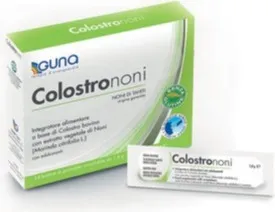
Contains lyophilized bovine colostrum and noni fruit juice extract (Morinda citrifolia L.).
Докладніше


72у.е.
Composition of the maximum daily dose of tablets (2 tablets): Vitamin C - 1000 mg N-Acetylcysteine - 200...
Докладніше


26у.е.
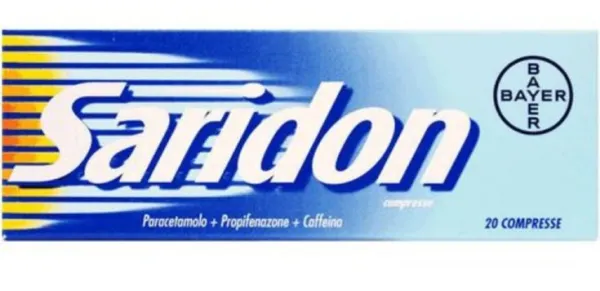
1 tablet contains: active ingredients: paracetamol 250 mg, propyphenazone 150 mg, caffeine 50 mg.
Докладніше


