
Psoriasis is a chronic inflammatory skin disease characterized by the appearance of red, scaly plaques. Its treatment is aimed at reducing inflammation, slowing the proliferation of keratinocytes, and improving patients’ quality of life. There are several approaches to psoriasis therapy, the choice of which depends on the severity of the disease, the extent of the lesions, and the individual characteristics of the patient.
There are several approaches to psoriasis therapy, the choice of which depends on the severity of the disease, the extent of the lesions, and the individual characteristics of the patient.
1. Local Therapy: Used in mild and moderate forms of psoriasis. It includes the use of:
• Corticosteroid ointments and creams: Reduce inflammation and itching.
• Vitamin D preparations (calcipotriol): Normalize skin cell division processes.
• Emollients and moisturizers: Improve the barrier function of the skin and reduce dryness.
2. Phototherapy: Ultraviolet light exposure of the skin is effective in the treatment of psoriasis. In particular, narrowband UVB therapy with a wavelength of 311 nm is highlighted as one of the most modern and safe methods. It slows down inflammatory processes and normalizes skin cell division, resulting in a reduction of plaques and scaling.
3. Systemic Therapy: Used in severe forms of psoriasis or when local treatment is ineffective. It includes:
• Traditional systemic medications: Methotrexate, cyclosporine, and retinoids, which suppress inflammation and the immune response.
• Modern targeted medications:
– Apremilast: An oral phosphodiesterase 4 (PDE4) inhibitor that modifies the activity of inflammatory mediators. Clinical studies have demonstrated its effectiveness in moderate and severe plaque psoriasis.
– Tofacitinib: A Janus kinase inhibitor that has been studied for the treatment of psoriasis. In trials, it demonstrated effectiveness in plaque psoriasis; however, its approval for this indication was declined by the FDA due to safety concerns.
4. Biological Therapy: Uses monoclonal antibodies targeted at specific components of the immune system:
• Adalimumab: An antibody against tumor necrosis factor alpha (TNF-α), approved for the treatment of plaque psoriasis and psoriatic arthritis.
• Netakimab: An interleukin-17 inhibitor developed by the Russian company Biocad, intended for the treatment of moderate and severe plaque psoriasis as well as psoriatic arthritis.
5. Alternative Methods: Some patients turn to non-traditional approaches, such as Zalmannov’s turpentine baths, black cumin oil, or cannabidiol (CBD). However, the efficacy and safety of these methods in psoriasis are not sufficiently studied, and their use should be discussed with a healthcare provider.
Conclusion: The treatment of psoriasis requires an individualized approach and often combines several methods to achieve the best result. Modern research and developments, including targeted and biological medications, expand the possibilities of therapy and improve the prognosis for patients with this chronic disease.
Treatment of psoriasis using ultraviolet blood irradiation (UBI), ozone therapy, and plasmapheresis represents a comprehensive approach aimed at improving the condition of patients with this chronic disease. Each of these methods has specific effects that can be beneficial in psoriasis.
1. Ultraviolet Blood Irradiation (UBI): UBI involves the extracorporeal exposure of blood to ultraviolet light, with its subsequent return to the body. This method has bactericidal, anti-inflammatory, and immunomodulatory effects. UBI procedures can improve microcirculation, enhance tissue regeneration, and normalize the state of the immune system. The effects of treatment can be observed after just 2–3 sessions: body temperature normalizes, wounds and suppurative eruptions heal faster, and there is an increased sense of vitality and energy.
2. Ozone Therapy: Ozone therapy involves the use of ozone to improve tissue oxygenation, stimulate immunity, and reduce inflammatory processes. Including ozone therapy in the comprehensive treatment of psoriasis contributes to a more pronounced and rapid positive change in skin condition, a reduction in the levels of serum mucoprotein and C-reactive protein, the correction of certain coagulation parameters, and the normalization of lipoperoxidation processes.
3. Plasmapheresis: Plasmapheresis is a procedure that removes a portion of the blood plasma to eliminate toxins, immune complexes, and inflammatory mediators from the body. In psoriasis, a course of plasmapheresis typically consists of 7–10 sessions at intervals of 1–2 days, during which 800–1,000 ml of plasma is removed per session. Many patients who have undergone this procedure report a significant improvement in skin condition and a reduction in the frequency of disease exacerbations.
Conclusion: UBI, ozone therapy, and plasmapheresis can be incorporated into the comprehensive treatment of psoriasis, especially in cases where standard therapeutic methods are insufficiently effective. However, their use should be justified by individual indications and carried out under the supervision of qualified specialists. It is important to note that these methods are generally used as complementary treatments and do not replace the primary therapy aimed at controlling the symptoms of psoriasis.
1. Local Therapy: Used in mild and moderate forms of psoriasis. It includes the use of:
• Corticosteroid ointments and creams: Reduce inflammation and itching.
• Vitamin D preparations (calcipotriol): Normalize skin cell division processes.
• Emollients and moisturizers: Improve the barrier function of the skin and reduce dryness.
2. Phototherapy: Ultraviolet light exposure of the skin is effective in the treatment of psoriasis. In particular, narrowband UVB therapy with a wavelength of 311 nm is highlighted as one of the most modern and safe methods. It slows down inflammatory processes and normalizes skin cell division, resulting in a reduction of plaques and scaling.
3. Systemic Therapy: Used in severe forms of psoriasis or when local treatment is ineffective. It includes:
• Traditional systemic medications: Methotrexate, cyclosporine, and retinoids, which suppress inflammation and the immune response.
• Modern targeted medications:
– Apremilast: An oral phosphodiesterase 4 (PDE4) inhibitor that modifies the activity of inflammatory mediators. Clinical studies have demonstrated its effectiveness in moderate and severe plaque psoriasis.
– Tofacitinib: A Janus kinase inhibitor that has been studied for the treatment of psoriasis. In trials, it demonstrated effectiveness in plaque psoriasis; however, its approval for this indication was declined by the FDA due to safety concerns.
4. Biological Therapy: Uses monoclonal antibodies targeted at specific components of the immune system:
• Adalimumab: An antibody against tumor necrosis factor alpha (TNF-α), approved for the treatment of plaque psoriasis and psoriatic arthritis.
• Netakimab: An interleukin-17 inhibitor developed by the Russian company Biocad, intended for the treatment of moderate and severe plaque psoriasis as well as psoriatic arthritis.
5. Alternative Methods: Some patients turn to non-traditional approaches, such as Zalmannov’s turpentine baths, black cumin oil, or cannabidiol (CBD). However, the efficacy and safety of these methods in psoriasis are not sufficiently studied, and their use should be discussed with a healthcare provider.
Conclusion: The treatment of psoriasis requires an individualized approach and often combines several methods to achieve the best result. Modern research and developments, including targeted and biological medications, expand the possibilities of therapy and improve the prognosis for patients with this chronic disease.
Treatment of psoriasis using ultraviolet blood irradiation (UBI), ozone therapy, and plasmapheresis represents a comprehensive approach aimed at improving the condition of patients with this chronic disease. Each of these methods has specific effects that can be beneficial in psoriasis.
1. Ultraviolet Blood Irradiation (UBI): UBI involves the extracorporeal exposure of blood to ultraviolet light, with its subsequent return to the body. This method has bactericidal, anti-inflammatory, and immunomodulatory effects. UBI procedures can improve microcirculation, enhance tissue regeneration, and normalize the state of the immune system. The effects of treatment can be observed after just 2–3 sessions: body temperature normalizes, wounds and suppurative eruptions heal faster, and there is an increased sense of vitality and energy.
2. Ozone Therapy: Ozone therapy involves the use of ozone to improve tissue oxygenation, stimulate immunity, and reduce inflammatory processes. Including ozone therapy in the comprehensive treatment of psoriasis contributes to a more pronounced and rapid positive change in skin condition, a reduction in the levels of serum mucoprotein and C-reactive protein, the correction of certain coagulation parameters, and the normalization of lipoperoxidation processes.
3. Plasmapheresis: Plasmapheresis is a procedure that removes a portion of the blood plasma to eliminate toxins, immune complexes, and inflammatory mediators from the body. In psoriasis, a course of plasmapheresis typically consists of 7–10 sessions at intervals of 1–2 days, during which 800–1,000 ml of plasma is removed per session. Many patients who have undergone this procedure report a significant improvement in skin condition and a reduction in the frequency of disease exacerbations.
Conclusion: UBI, ozone therapy, and plasmapheresis can be incorporated into the comprehensive treatment of psoriasis, especially in cases where standard therapeutic methods are insufficiently effective. However, their use should be justified by individual indications and carried out under the supervision of qualified specialists. It is important to note that these methods are generally used as complementary treatments and do not replace the primary therapy aimed at controlling the symptoms of psoriasis.
Вас може проконсультувати лікар вищої категорії, КМН, Перелигін І.В.
Надана інформація про лікарські засоби призначена виключно для ознайомлення і не є офертою, рекламою чи інструкцією щодо застосування. Продаж, доставка та призначення препаратів через сайт не здійснюються. З питань застосування препарату ви можете записатися на очний прийом або онлайн-консультацію до профільного спеціаліста нашої клініки.

150у.е.
Scientific names: Cordyceps Militaris, Cordyceps Sinensis Wild Cordyceps Sinensis – Caterpillar Fungus
Докладніше

49у.е.
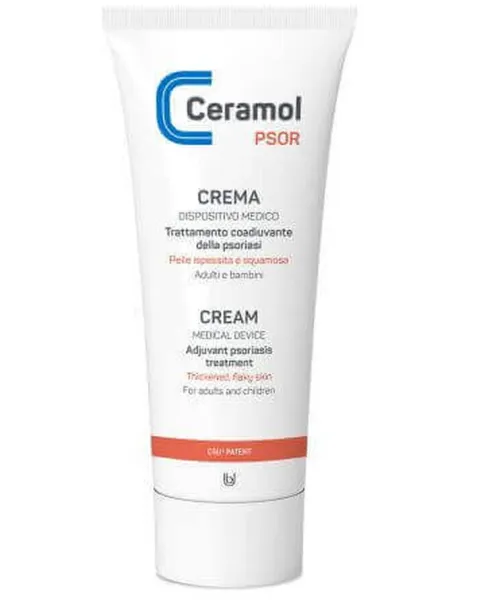
Active ingredients: • CSU® Patent - a patented complex of epidermal lipids that promotes the natural restructu...
Докладніше


