
Conservative treatment is aimed at reducing pain, inflammation, and improving joint function without surgical intervention. The main approaches include:
1. Medication Therapy
• Nonsteroidal Anti-inflammatory Drugs (NSAIDs): These reduce pain and inflammation (e. g. , ibuprofen, diclofenac, meloxicam).
• Glucocorticosteroids: Used to counter severe inflammation (administered via injections or tablets).
• Glucocorticosteroids: Used to counter severe inflammation (administered via injections or tablets).
• Chondroprotectors: Support cartilage repair (e. g. , glucosamine, chondroitin, hyaluronic acid).
• Analgesics: Paracetamol or stronger pain relievers are used in cases of intense pain.
• Topical Agents: Ointments and gels containing NSAIDs, as well as warming and stimulating creams (e. g. , diclofenac gel, capsaicin).
2. Physiotherapy
• Laser Therapy, Shock Wave Therapy (SWT), and Short-Wave Diathermy: These help improve blood circulation and reduce pain.
• Electrophoresis: Administration of medications through the skin using an electric current.
• Magnetotherapy: Reduces inflammation through the application of a magnetic field.
• Thermal Procedures: Paraffin applications and mud treatment.
3. Therapeutic Exercise (Physical Therapy)
• Exercises are designed to increase joint mobility and strengthen the muscles surrounding the joint.
• An individualized exercise plan is developed by a rehabilitation specialist depending on the stage of the disease.
4. Orthopedic Devices
• Orthoses and Bandages: These stabilize the joint and reduce the load on it.
• Supinators and Orthopedic Footwear: Help decrease the stress on leg joints.
5. Joint Injections
• Hyaluronic Acid: Improves joint lubrication and cushioning.
• Corticosteroids: Provide rapid relief from inflammation.
• PRP Therapy (Platelet-Rich Plasma Therapy): Involves injections of the patient’s own blood plasma to stimulate tissue repair.
6. Lifestyle Modifications
• Weight Control: Reducing body weight decreases the load on joints.
• Proper Nutrition: A diet rich in vitamins (such as C and D), calcium, and omega-3 fatty acids.
• Physical Activity: Activities like swimming, yoga, and walking are recommended instead of high-intensity exercises.
7. Alternative Methods
• Acupuncture and Massage.
• Naturopathy: Includes supplements containing collagen and herbal mixtures.
• Physiotherapeutic Baths: Such as hydrogen sulfide or radon baths.
When Is Surgical Intervention Necessary?
Conservative methods are applied in the early stages of joint diseases (such as osteoarthritis, arthritis, and bursitis). If joint destruction is pronounced and function is significantly limited, endoprosthetics or arthroscopy can be considered.
Conservative treatment is effective when applied regularly and under specialist supervision.
–––––––––––––––––––––––––
The Importance of Orthopedic Footwear in Joint Diseases
Orthopedic footwear plays a key role in both the treatment and prevention of joint diseases. It ensures proper distribution of load on the joints, supports the foot in its physiologically correct position, and reduces pain. Here are the main aspects of its importance:
1. Reducing the Load on Joints
• Orthopedic footwear distributes the load evenly across the leg joints—the ankles, knees, and hips. This is especially important in conditions such as:
– Osteoarthritis
– Rheumatoid Arthritis
– Flat feet, which can exacerbate joint issues
• Result: Reduced pain and prevention of further joint damage.
2. Improved Cushioning
• Cushioned insoles and soles absorb shock during walking, which reduces microtrauma in the joints—a factor that can accelerate wear, particularly in patients with:
– Various forms of arthritis
– Post-traumatic joint changes
3. Support for Correct Foot Position
• In cases of foot deformities (for example, flat feet or valgus deformity), improper load distribution can lead to joint overload. Orthopedic footwear:
– Corrects the position of the foot
– Reduces the risk of secondary joint changes, such as osteoarthritis
4. Enhanced Balance and Stability
• This is particularly important for elderly patients or those with joint pain who may have balance issues. Orthopedic footwear:
– Reduces the risk of falls
– Strengthens muscle tone and stabilizes gait
5. Prevention of Complications
• Joint diseases often alter gait (due to pain or deformity), which can lead to:
– Increased pain
– A higher risk of injury
• Orthopedic footwear helps maintain a proper step, thereby preventing additional issues.
6. Comfort During Prolonged Walking
• Soft materials, absence of seams in the toe area, and properly designed insoles provide comfort, helping to avoid chafing, calluses, and pain during extended wear.
Recommendations for Choosing Orthopedic Footwear
• Individual Selection: The footwear should suit the specific characteristics of the patient’s foot.
• Cushioned Sole: To reduce impact loads.
• Presence of Orthopedic Insoles: Especially important in cases of flat feet.
• Materials: Breathable and soft materials are preferred to avoid pressure on sensitive areas.
• Fixation: Adjustable fasteners ensure a comfortable fit.
Conclusion
Orthopedic footwear is not only a part of the treatment for joint diseases but also a means of preventing them. It helps reduce pain symptoms, improve gait, slow disease progression, and enhance the overall quality of life for patients. Properly selected footwear is an investment in joint health.
–––––––––––––––––––––––––
The Importance of Weight Loss in Joint Diseases
Reducing body weight is one of the most important components in the prevention and treatment of joint diseases. Excess weight significantly increases the load on the joints, particularly on the musculoskeletal system, which accelerates wear and promotes disease progression.
How Excess Weight Affects the Joints
• Increased Joint Load:
– Each extra kilogram of body weight increases the load on the knee and hip joints by 3–5 times during walking or running.
– Constant overload accelerates the destruction of joint cartilage, which is especially dangerous in osteoarthritis, osteoarthrosis, and other degenerative diseases.
• Enhanced Inflammatory Processes:
– Adipose tissue produces proinflammatory substances (cytokines) that worsen joint conditions by triggering or amplifying inflammation.
• Disruption of Biomechanics:
– Excess weight can alter posture and gait, causing improper load distribution that leads to joint wear.
Benefits of Weight Loss in Joint Diseases
• Reduced Load on Joints:
– Even a modest weight loss (5–10% of body weight) can significantly decrease the load on leg joints, especially the knees, slowing down the progression of osteoarthritis and other conditions.
• Decreased Pain:
– Patients who lose weight often experience significant pain relief due to reduced pressure on the joints.
• Lowered Inflammation:
– Reducing fat mass helps decrease the levels of proinflammatory substances, thereby improving joint condition.
• Improved Mobility:
– Weight loss makes movement easier, results in a more stable gait, and helps patients return to physical activities.
• Slowed Cartilage Destruction:
– With less load, the wear on joint cartilage is reduced, decreasing the risk of further complications.
Recommendations for Weight Loss
• Balanced Nutrition:
– Increase the intake of vegetables, fruits, and whole grains.
– Limit refined sugars, saturated fats, and salt.
– Control calorie intake to create a deficit (approximately 500–700 kcal/day for safe weight loss).
• Physical Activity:
– Engage in low-impact sports such as swimming, cycling on a stationary bike, yoga, or Nordic walking.
– Regular physical activity strengthens the muscles that support the joints and aids in weight loss.
• Boosting Motivation:
– Set achievable goals (for example, a weight loss of 1 kg per month).
– Monitor progress and reward yourself for successes.
• Medical Supervision:
– Consult with a dietitian, endocrinologist, and rehabilitation specialist to develop an individualized plan.
Weight loss is one of the most effective ways to reduce joint load, improve joint condition, and slow down the progression of joint diseases. Losing even a few kilograms can significantly improve quality of life, reduce pain, and increase joint mobility. Working towards achieving a healthy weight is a long-term investment in joint health and overall well-being.

150у.е.
Scientific names: Cordyceps Militaris, Cordyceps Sinensis Wild Cordyceps Sinensis – Caterpillar Fungus
Докладніше

130у.е.
Composition • Water for injection solutions • Adelmidrol • Sodium hyaluronate • Sodium chloride • Monohyd...
Докладніше

38у.е.
MonoSelect® AKBA contains 500 mg of Casperome® Phytosome®, a standardized dry extract of Boswellia serrata res...
Докладніше
20у.е.
The cream contains: 5% water-soluble extract of Devil's Claw and 5% Boswellia, 8% water-soluble extract of Pep...
Докладніше

34у.е.
Composition per 2 tablets: Harpagophytum extract - 600 mg Harpagosides - 24 mg Boswellia extract - 440 mg...
Докладніше
53у.е.
Ingredients in the recommended daily dose (4 capsules): • Concentrated Devil's Claw root extract o Tit...
Докладніше
114у.е.
Ingredients: • Magnesium bisglycinate • Microcrystalline cellulose • Arabic gum* • Silicon dioxide** • Vegetab...
Докладніше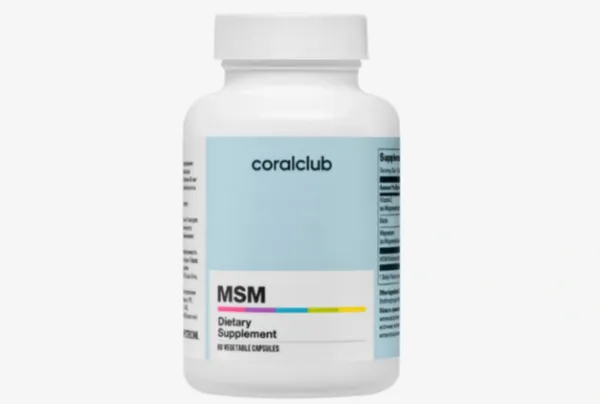
15у.е.
Active Ingredients Amount per 1 capsule: MSM (Methylsulfonylmethane) - 750 mg Vitamin C (Magnesium As...
Докладніше


