
The treatment of myasthenia aims to alleviate symptoms, improve neuromuscular transmission, and reduce the activity of the immune system causing the pathology. Treatment is individually tailored based on the severity of the disease, the patient's age, and other factors.
Main approaches:
1. Symptomatic therapy:
- Anticholinesterase drugs (e. g.
- Increase the concentration of acetylcholine in neuromuscular synapses, improving muscle strength.
- Initial dose: 60 mg 3–4 times a day, with gradual adjustment. Increases the availability of acetylcholine in the neuromuscular synapse. Suitable for long-term symptom control.
2. Immunosuppressive therapy:
- Glucocorticosteroids (prednisolone):
- Reduce immune system activity, decreasing the attack of antibodies on acetylcholine receptors.
- Starting dose: 5–10 mg/day, gradually increasing to 1–1. 5 mg/kg. After stabilization, the dose is slowly reduced to the minimum effective level.
- Cytotoxic drugs (azathioprine, methotrexate, mycophenolate mofetil):
- Used in severe cases when steroids are insufficiently effective.
- Azathioprine: Dose: 2–3 mg/kg per day. Onset of action – in 3–6 months.
- Mycophenolate mofetil (CellCept): An alternative to azathioprine with fewer side effects.
- Methotrexate: Used when resistant to other drugs.
3. Plasmapheresis and immunoglobulins:
- Plasmapheresis: Removes antibodies from the blood that destroy acetylcholine receptors. Used during exacerbations or myasthenic crises.
- Intravenous immunoglobulins (IVIG): Normalize the immune system, quickly relieving symptoms.
- Dose: 2 g/kg, divided over 3–5 days.
4. Thymectomy:
- Removal of the thymus gland, especially in the presence of a thymoma (thymus tumor). Indicated for thymoma or generalized myasthenia without thymoma in patients under 60 years. Reduces autoimmune process activity.
5. Rehabilitation and supportive therapy:
- Physiotherapy and exercise therapy to maintain muscle tone.
- Diet with sufficient protein and vitamins. Avoidance of triggers (stress, infections, certain medications, e. g. , aminoglycoside antibiotics). Control of respiratory function (especially in crises).
Recommended general scheme for generalized form:
- Start with pyridostigmine to relieve symptoms. Add prednisolone if no remission occurs within 2–4 weeks.
- For long-term control, add azathioprine or mycophenolate mofetil. Use plasmapheresis or IVIG in a crisis. Consider thymectomy if indicated.
Therapy control: Regular follow-up with a neurologist. Monitoring of antibody levels to acetylcholine receptors. Assessment of respiratory function (forced vital capacity, FVC).
NOTE:
Pyridostigmine is available under various trade names depending on the country and manufacturer. Here are the most well-known equivalents: Mestinon (Mestinon), Regonol, Pyridostigmine Bromide, Kalmin, Pyridostigmine-ratiopharm, Pyridostigmine-Teva, Quasthinine, Pyridostigmine-Medochemie, Pyridostigmine-Alfa, Pyridostigmine-Pharmaco, Enlon-Tensilon, Stenamine, Nervonal, Pyridostigmine-Polpharma, Conostigmine. These names depend on the country, manufacturer, and local registration of the drug.
Bioven is a human immunoglobulin preparation for intravenous administration (IVIG) used to modulate the immune response. It can be used in the treatment of certain autoimmune diseases, including myasthenia, especially in severe cases or myasthenic crises.
Bioven in myasthenia: For severe generalized forms of myasthenia. In case of myasthenic crises accompanied by respiratory failure. When standard therapy (glucocorticosteroids, cytostatics) is ineffective or a rapid effect is needed.
Mechanism of action: Immunoglobulins in Bioven neutralize autoantibodies attacking acetylcholine receptors. Improve neuromuscular transmission by reducing immune system activity.
Application scheme: Usually prescribed in a dose of 2 g/kg, divided over 3–5 days. Therapy is conducted under medical supervision in a hospital setting due to possible side effects (allergic reactions, headache, fever).
Advantages: Rapid reduction of myasthenia symptoms. Can be used as a temporary measure until the effect of other drugs (e. g. , azathioprine or steroids) is achieved.
Limitations: Bioven is not a first-line drug and is used in severe cases. The high cost of the drug may limit its use.
OPTIMAL TREATMENT SCHEME WITH BIOVEN
The optimal treatment scheme for myasthenia using Bioven (intravenous immunoglobulin, IVIG) is prescribed depending on the severity of the disease, the patient's general condition, and the therapy goal (acute crisis or maintenance therapy).
Recommended treatment scheme:
1. In myasthenic crisis or acute exacerbation: Dose - 0. 4 g/kg body weight per day. Course: 3–5 consecutive days.
- Administration is slow, intravenous, under medical supervision. It is recommended to monitor the patient's reaction after the first doses (allergic reactions, pressure changes, symptoms of hyperviscosity).
2. Preparation for surgery: Dose: 0. 4 g/kg body weight per day. Course: 3 days before surgery. Goal – stabilization of the patient's condition for safe surgery.
3. Maintenance therapy (in severe resistant myasthenia): Used only in cases where other therapy methods are insufficiently effective. Dose: 0. 4 g/kg body weight per day. Course: once a month (or as needed).
- The decision on the duration and frequency of courses is made based on the patient's response to treatment.
Important aspects: Before starting therapy – general and biochemical blood tests, coagulogram, infection screening. During therapy – monitoring of kidney function, blood pressure, infusion rate. After treatment – assessment of effectiveness by improving muscle strength and reducing symptoms.
Side effects: Headache, fever, allergic reactions. Risk of thrombosis in predisposed patients (dehydration should be avoided).
Contraindications: Severe renal failure. Hypersensitivity to the drug components.
This treatment scheme is a general guideline. To determine the exact dosage and course of treatment, it is necessary to consult a neurologist or immunologist who will consider all individual patient characteristics.
Plasmapheresis is an effective method for treating myasthenia, aimed at removing circulating autoantibodies from the blood that attack acetylcholine receptors. It is especially useful during disease exacerbations, myasthenic crisis, or before surgery (e. g. , thymectomy).
Recommended plasmapheresis treatment scheme:
1. Indications for plasmapheresis in myasthenia: Myasthenic crisis (acute respiratory failure). Severe generalized myasthenia resistant to medication therapy. Preparation for surgery (thymectomy). Disease exacerbation with resistance to other treatment methods.
2. Treatment scheme: Number of procedures: 3–5 sessions, conducted every other day or daily. Volume of replaced plasma: 1. 5–2. 5 liters per session (approximately 30–50 ml/kg body weight). Replacement solutions: Albumin (5% solution). Physiological solution or donor plasma (depending on necessity and indications). Duration of procedure: 2–3 hours.
3. Maintenance course: In severe chronic myasthenia, repeat courses may be prescribed every 3–6 months.
4. Preparation for plasmapheresis: Clinical and biochemical blood tests. Coagulogram to assess blood clotting. Monitoring of antibody levels (if possible). Hydration of the patient before the procedure to prevent hypovolemia.
5. After the procedure: Control of electrolyte balance (potassium, sodium). Monitoring of hemodynamic parameters (blood pressure, heart rate). Supportive medication therapy (anticholinesterase drugs, glucocorticoids).
Features and limitations: Rapid reduction of autoantibody concentration. Improvement in muscle strength a few days after completing the course.
Risks and side effects: Hypotension (drop in blood pressure). Electrolyte disturbances (hypokalemia, hypocalcemia). Risk of infections if donor plasma is used. Thrombosis (blood clotting control is necessary).
Contraindications: Unstable cardiovascular condition. Uncompensated blood clotting disorders.
Combined treatment: After plasmapheresis, glucocorticoids or immunosuppressants (e. g. , azathioprine) are often prescribed to prevent the re-increase of autoantibody levels. This enhances and prolongs the therapeutic effect.

80у.е.
Ingredients per tablet: Palmitoylethanolamide 400 mg, Luteolin in co-ultramicronized form (Ultramicrocompos...
Докладніше
36у.е.
1 vial of lyophilized powder contains: Cyanocobalamin (Vitamin B12) 1 mg, Pyridoxine hydrochloride (Vita...
Докладніше
150у.е.
Scientific names: Cordyceps Militaris, Cordyceps Sinensis Wild Cordyceps Sinensis – Caterpillar Fungus
Докладніше
33у.е.
The preparation contains a standardized extract of Ginkgo Biloba leaves, which includes various active substan...
Докладніше
31у.е.
A dietary supplement based on vitamins B6, B12, and folic acid, which are involved in many functions of the hu...
Докладніше



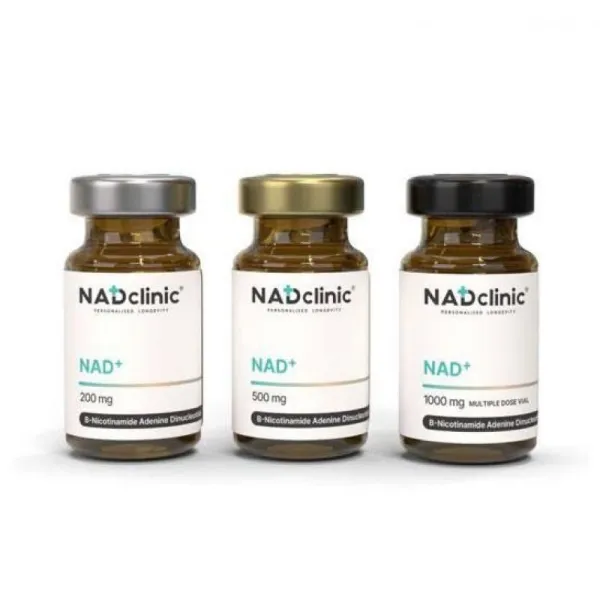
286у.е.
NAD+ (Nicotinamide adenine dinucleotide) is a coenzyme that is an important component in cellular metabolism, ...
Докладніше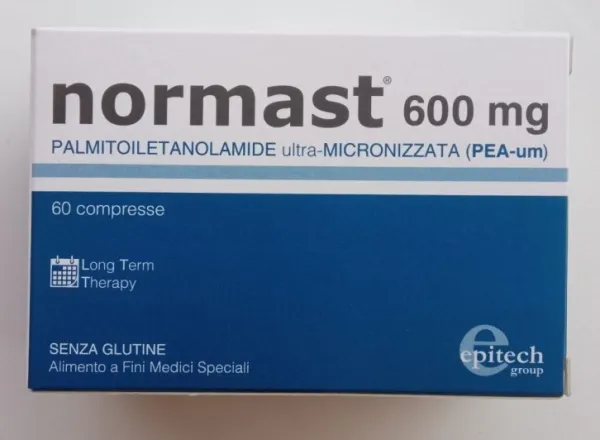
100у.е.
COMPOSITION: Ultramicronized palmitoylethanolamide 600 mg; excipients: microcrystalline cellulose, croscarm...
Докладніше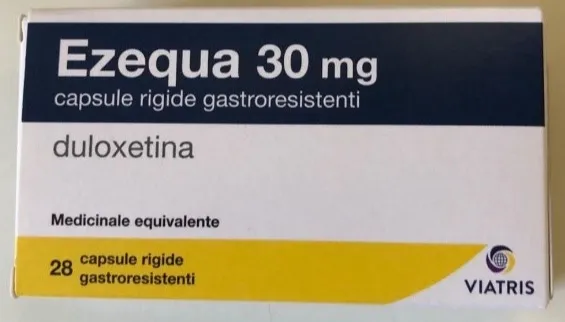
17у.е.
Each capsule contains 30 mg of duloxetine (as hydrochloride). Excipients with known effect: each capsule con...
Докладніше
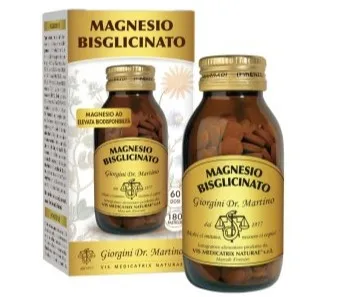
114у.е.
Ingredients: • Magnesium bisglycinate • Microcrystalline cellulose • Arabic gum* • Silicon dioxide** • Vegetab...
Докладніше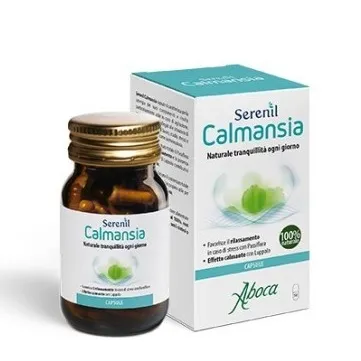
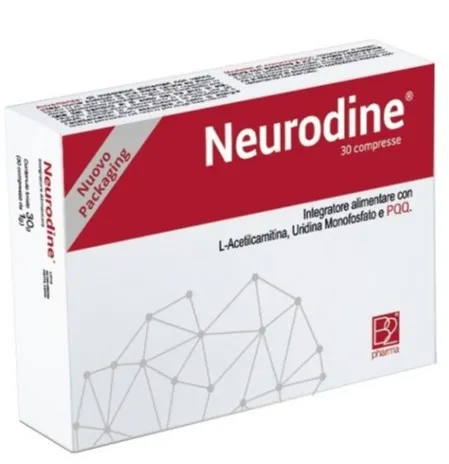
61у.е.
Ingredients: Alpha-lipoic acid, L-acetylcarnitine, uridine monophosphate disodium salt.
Докладніше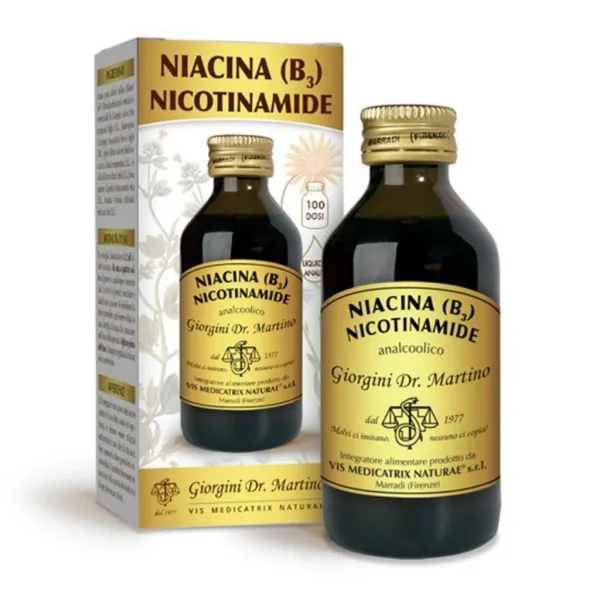
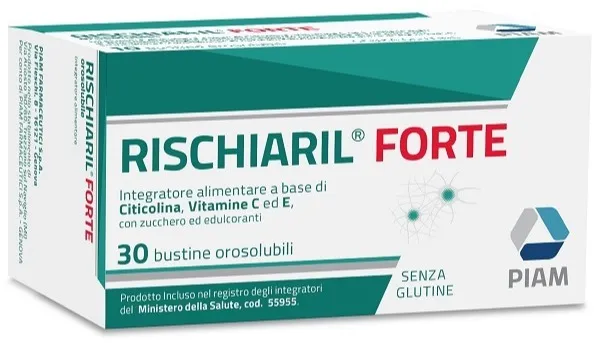
147у.е.
Average values per sachet: Citicoline sodium salt - 1000 mg Choline - 221.1 mg Vitamin C - 40 mg V...
Докладніше


