
Back pain is one of the most common reasons for visiting a doctor. It can be associated with muscle strain, degenerative changes in the spine, injuries, or inflammatory diseases. Treatment depends on the cause and nature of the pain (acute, chronic, radiating).
1. Medication Therapy
Pain Relievers:
Dexketoprofen: for mild pain.
Nonsteroidal anti-inflammatory drugs (NSAIDs): ibuprofen, diclofenac, meloxicam, etoricoxib, tenoxicam — reduce inflammation and pain.
Selective COX-2 inhibitors (celecoxib): for long-term use with a lower risk of side effects.
Muscle Relaxants:
Reduce muscle spasms often accompanying back pain (tizanidine, cyclobenzaprine, pridinol mesylate, thiocolchicoside).
Corticosteroids:
For severe inflammation or radiculitis, they can be used locally (injections) or systemically.
Antidepressants (duloxetine) and anticonvulsants (pregabalin, gabapentin):
Used for chronic pain or radiculopathy.
Topical Agents:
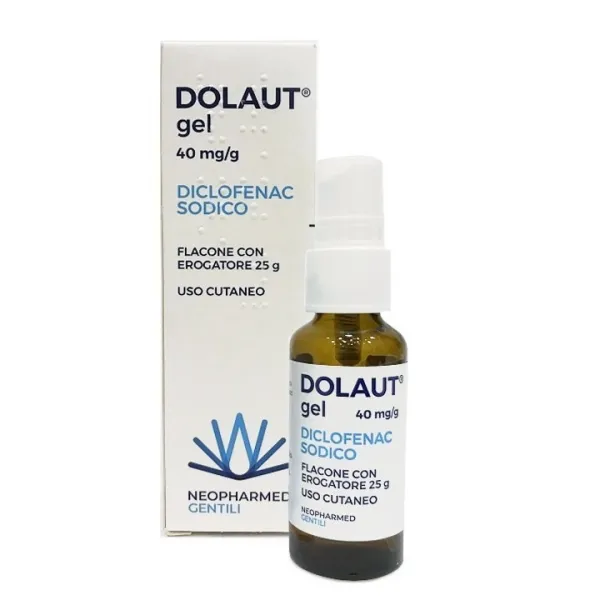
Pain-relieving ointments and patches (diclofenac gel, fastum gel, capsicam).
2. Non-Medication Treatment
Physiotherapy:
Heat and cold therapy: to reduce inflammation and relax muscles.
Electrophoresis, phonophoresis, magnetotherapy, laser therapy: improve blood circulation and accelerate tissue recovery.
Electrical stimulation (TENS), diadynamic currents: block pain impulses.
Therapeutic Exercise (TE):
Individually tailored exercises to strengthen back muscles, improve posture, and spinal mobility.
Exercises should be gradual, without sudden movements.
Massage and manual therapy, kinesiotaping:
Relieve muscle tension and improve blood circulation.
Should be performed by a specialist to avoid complications.
Traction Therapy:
Mechanical stretching of the spine to reduce nerve compression.
3. Invasive Methods
Corticosteroid or anesthetic injections:
Performed in trigger point areas, paravertebrally for rapid pain relief.
Nerve Block:
Local blocking of pain impulses.
Radiofrequency Ablation:
Used for denervation (disabling) of pain receptors.
4. Lifestyle Modification
Weight Control:
Reducing the load on the spine.
Posture Improvement:
Correcting poor posture, using ergonomic furniture, especially for computer work.
Physical Activity:
Regular differentiated strength exercises, as well as swimming, yoga, Nordic walking.
Avoiding Pain Triggers:
Limiting heavy lifting, proper technique when bending.
5. Alternative Methods
Acupuncture:
Pain reduction by stimulating acupuncture points.
Naturopathy:
Use of supplements with glucosamine, chondroitin, B vitamins.
Psychotherapy:
For chronic pain, cognitive-behavioral therapy helps manage psychological aspects.
6. Surgical Treatment
Surgery is only used in extreme cases, such as:
Herniated discs with significant nerve compression.
Persistent pain not responding to conservative treatment.
Degenerative changes in the spine causing severe movement restrictions.
When to See a Doctor?
- Moderate back pain lasting more than 2 weeks and poorly responding to oral therapy (chronic).
- Acute high-intensity back pain accompanied by sensory disturbances, significant posture, and gait impairment.
Conclusion
Back pain treatment should be comprehensive, including medication, physiotherapy, and lifestyle modification. Regular medical supervision and prevention (active lifestyle, proper posture) help prevent the transition of pain to a chronic form and improve quality of life.
###
Interdependence of Back Pain and Myofascial Syndrome:
Myofascial syndrome (MFS) is one of the common causes of chronic back pain. It arises from tension or damage to muscle tissues, accompanied by the formation of trigger points — areas where muscle fibers are in constant contraction. These points can cause local pain, radiate to other areas, and intensify spasms, exacerbating back pain.
Methods of Treating Myofascial Syndrome and Back Pain
Medication Treatment:
NSAIDs: to relieve inflammation and pain (ibuprofen, meloxicam).
Muscle Relaxants: to relax muscles (tizanidine, baclofen).
Topical Pain Relievers: ointments, gels.
Physiotherapy:
Shockwave Therapy (SWT) for breaking down trigger points.
Electrical Stimulation (TENS) and diadynamic currents to reduce pain impulses.
Magnetotherapy and ultrasound to relieve inflammation.
Massage and Manual Therapy:
Relaxation of trigger points and improvement of blood circulation.
Myofascial release: a targeted method to relieve muscle tension.
Therapeutic Exercise and Stretching:
Strengthening the muscle corset and gradually relieving tension.
Stretching exercises for affected muscles.
Acupuncture and Dry Needling:
Reducing tension in trigger points by stimulating acupuncture zones or the affected muscle.
Lifestyle Modification:
Avoiding prolonged uncomfortable postures.
Regular breaks and stretching during sedentary work.
Eliminating factors leading to muscle overload (e. g. , poor posture).
Conclusion
Myofascial syndrome often exacerbates back pain, creating a vicious cycle of pain and muscle spasm. A comprehensive approach, including medication, physiotherapy, manual therapy, and exercises, helps eliminate trigger points and restore muscle balance.
####
Treatment of Myofascial Syndrome by Trofimov: A Brief Analysis. . .
Professor Trofimov's method represents an integrative approach to treating myofascial syndrome (MFS), based on comprehensive effects on muscles, fascia, and the nervous system. The main goal is to relieve spasm, improve microcirculation, and restore normal muscle tone.
Key Principles of Trofimov's Method:
Diagnosis of Trigger Points and Pain Zones:
Using palpation and functional tests to accurately identify tense areas.
Stage Treatment:
Treatment proceeds in several stages, starting with pain and inflammation relief, ending with function restoration and relapse prevention.
Combination of Techniques:
Local impact on trigger points.
Inclusion of breathing exercises, physiotherapy, and posture correction for systemic effect.
Trofimov's Treatment Methods:
Myofascial Release:
Manual impact on trigger zones to relieve tension and improve blood circulation.
Massage and Post-Isometric Relaxation (PIR):
Muscle relaxation through gentle stretching after isometric tension.
Physiotherapy:
Electrophoresis with analgesics, ultrasound, and magnetotherapy to improve tissue regeneration.
Acupuncture:
Used to relax deep muscles and relieve inflammation in affected areas.
Therapeutic Exercise and Kinesitherapy:
Selection of individual exercises to strengthen the muscle corset, improve mobility, and normalize posture.
Approach Features:
Individualization of treatment: focus on the patient's characteristics and physical condition.
Systemic approach: combination of local and general treatment.
Relapse prevention: posture correction and patient training in self-control of muscle tension.
Advantages of the Method:
Elimination of the cause of pain, not just its symptoms.
Comprehensive impact, improving the overall condition of muscles and fascia.
Minimal risk of side effects.
Disadvantages:
Requires high specialist qualification.
The duration of the treatment course can be significant.
Effectiveness depends on the patient's active participation (exercises, adherence to recommendations).
Conclusion:
Trofimov's method is an effective approach to treating myofascial syndrome, based on gentle and multi-level impact. It is especially useful for chronic forms of MFS and is well tolerated by patients. However, achieving results requires patient discipline and qualified specialist support.
####
Back Pain Treatment Using a Bracket Applicator
A bracket applicator (or needle massager) is a device for reflexive impact on the skin and back muscles. It is based on the principles of acupuncture and aims to stimulate blood circulation, relieve muscle tension, and improve metabolic processes in tissues.
Principle of Action:
Stimulation of Skin Receptors:
Needle pressure activates skin nerve endings, enhancing local blood flow and lymphatic drainage.
Reflex Muscle Relaxation:
Impact on trigger points helps reduce spasms and restore muscle tone.
Pain Relief:
Receptor irritation enhances endorphin production, reducing pain sensations.
Metabolism Improvement:
Increased blood flow promotes tissue regeneration and toxin removal.
Application Methods:
For Acute Pain:
The applicator is applied to the painful area (lower back, thoracic region, neck) for 10–15 minutes.
Mild discomfort is acceptable, but there should be no severe pain.
For Chronic Pain:
Regular use 1–2 times a day for 15–20 minutes.
Can be combined with relaxing exercises.
For Prevention:
Used on back muscles after physical exertion to prevent spasms.
Effectiveness:
Reduction of pain sensations.
Decrease in muscle tension and improvement of mobility.
Improvement of overall condition through impact on reflex zones.
Contraindications:
Skin diseases (eczema, psoriasis, inflammations).
Infectious and oncological diseases.
Blood clotting disorders.
Pregnancy (use with caution).
Conclusion:
The bracket applicator is an affordable and effective method of back pain therapy that can be part of comprehensive treatment. However, its use is recommended to be coordinated with a doctor to avoid unwanted effects and select the optimal application scheme.
###
Aquatitanicum in the Treatment of Myofascial Syndrome (MFS):
Aquatitanicum is a remedy containing a titanium or magnetic-titanium base, used in medical practice to impact muscles and fascia. It is used in the therapy of myofascial syndrome to relieve muscle tension, improve blood circulation, and reduce pain.
Principles of Action of Aquatitanicum:
Muscle Relaxation:
The titanium or magnetic base promotes relaxation of muscle fibers, eliminating spasms and tension in trigger points.
Improvement of Blood and Lymph Circulation:
Magnetic properties enhance microcirculation, help reduce swelling, and remove inflammation products.
Pain Relief:
Impact on nerve endings helps reduce the intensity of the pain syndrome.
Antioxidant and Anti-inflammatory Action:
Active components (if added) can neutralize free radicals and promote tissue regeneration.
Application Methods:
Local Application:
The product is applied to painful areas (paravertebral regions, trigger points) and gently massaged.
Recommended to use 1–2 times a day.
Combined Use:
Combined with physiotherapy (ultrasound, electrophoresis) to enhance the therapeutic effect.
Course Treatment:
For a sustainable effect, the treatment course is 10–14 days.
Advantages of Aquatitanicum:
Safety: minimal risk of side effects with local application.
Comprehensive action: relaxation, pain relief, and improved blood circulation.
Convenience: can be used at home.
Indications:
Localized myofascial syndrome (cervical, thoracic, lumbar regions).
Chronic muscle spasms and tension.
Recovery after physical exertion.
Contraindications:
Allergy to the components of the product.
Skin diseases in the application area.
Pregnancy and lactation (consultation with a doctor is recommended).
Conclusion:
Aquatitanicum is an effective remedy for the symptomatic treatment of myofascial syndrome. Its use in combination with other therapy methods (therapeutic exercise, massage, physiotherapy) helps reduce pain, relieve muscle tension, and accelerate recovery. For optimal results, it is advisable to consult a doctor.

36у.е.
1 vial of lyophilized powder contains: Cyanocobalamin (Vitamin B12) 1 mg, Pyridoxine hydrochloride (Vita...
Докладніше
150у.е.
Scientific names: Cordyceps Militaris, Cordyceps Sinensis Wild Cordyceps Sinensis – Caterpillar Fungus
Докладніше
31у.е.
A dietary supplement based on vitamins B6, B12, and folic acid, which are involved in many functions of the hu...
Докладніше


82у.е.
One vial of powder contains the active ingredient - reduced glutathione sodium salt 0.646 g.
Докладніше
46у.е.
One package contains: - A vial containing 5 g of D-Fructose-1,6-diphosphate sodium salt in lyophilized powd...
Докладніше
47у.е.
Average content of components (per 2 sachets): Alpha-lipoic acid 800 mg Magnesium 450 mg Tryptophan 300 mg Coe...
Докладніше

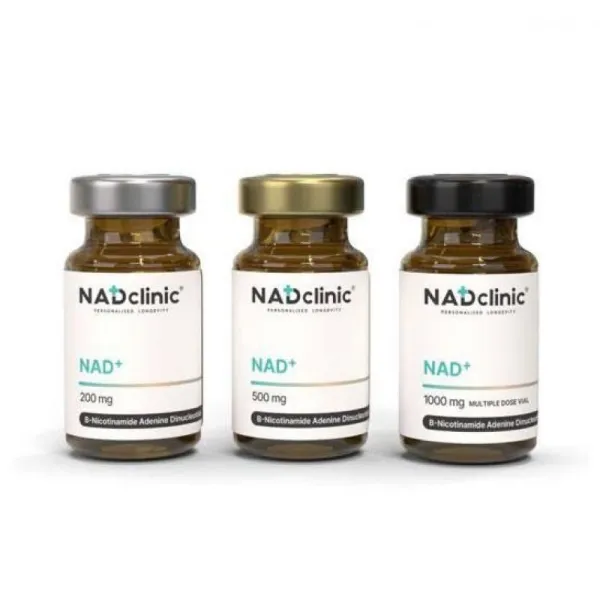
286у.е.
NAD+ (Nicotinamide adenine dinucleotide) is a coenzyme that is an important component in cellular metabolism, ...
Докладніше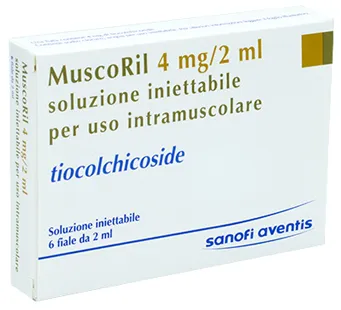

114у.е.
Ingredients: • Magnesium bisglycinate • Microcrystalline cellulose • Arabic gum* • Silicon dioxide** • Vegetab...
Докладніше
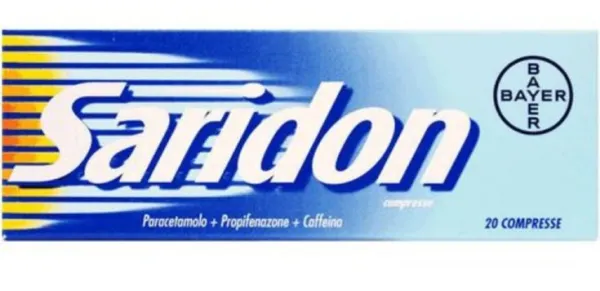
26у.е.
1 tablet contains: active ingredients: paracetamol 250 mg, propyphenazone 150 mg, caffeine 50 mg.
Докладніше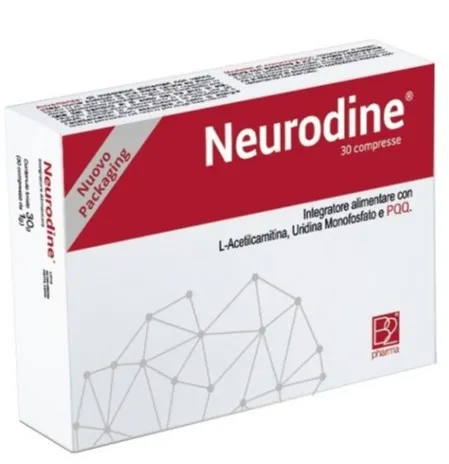
61у.е.
Ingredients: Alpha-lipoic acid, L-acetylcarnitine, uridine monophosphate disodium salt.
Докладніше
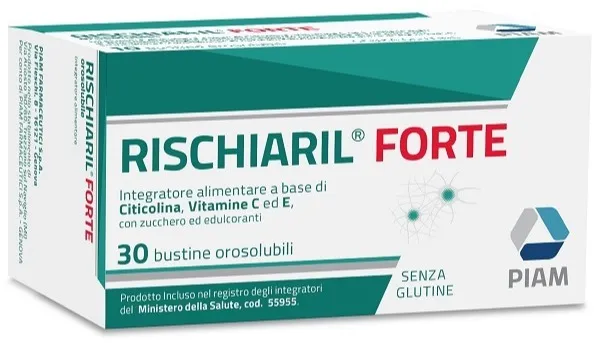
147у.е.
Average values per sachet: Citicoline sodium salt - 1000 mg Choline - 221.1 mg Vitamin C - 40 mg V...
Докладніше


