
Below is the complete English translation:
Vulvar kraurosis and sclerosing lichen remain chronic dystrophic conditions that are resistant to most standard approaches. Basic international recommendations have traditionally been built around high‐potency topical corticosteroids.
Vulvar kraurosis and sclerosing lichen remain chronic dystrophic conditions that are resistant to most standard approaches. Basic international recommendations have traditionally been built around high‐potency topical corticosteroids.
In practice in Ukraine, many patients show only a partial response or intolerance to long‐term steroid therapy, with the disease itself progressing, affecting sensitivity, quality of life, tissue trophism, and risk of malignancy.
Against this background, there is growing interest in the use of composite regenerative formulas, including the Ukrainian product Levoderm (Ala Factor). This product is positioned as a dermo-regenerator, based on a combination of peptides, antioxidants, and factors that normalize cellular metabolism.
This article discusses why Levoderm makes sense for chronic lichen, where it works and where it does not, how to combine it, and which patients are suitable candidates.
Component Composition and Proposed Mechanisms
Levoderm contains a complex of biologically active substances designed to restore microcirculation, reduce inflammation, and activate reparative processes. The main directions of action include:
• Reconstruction of the barrier and epithelization
– Improvement of the quality of the epidermal matrix, stimulation of collagen synthesis, restoration of trophism.
• Anti-inflammatory modulation
– Reduction of cytokine activity and the chronic microinflammation characteristic of lichen.
• Antioxidant effect
– Reduction of tissue hypoxia levels and oxidative stress.
• Normalization of local neurotrophism
– This is critical, as patients with lichen often develop a neuropathic component of pain and discomfort.
• Anti-fibrotic potential
– Not explicitly stated, but clinically we observe softening of the tissues and a decrease in the density of whitish “patches,” which indicates a change in the fibrotic response.
Why This Is Important in Sclerosing Lichen
Sclerosing lichen is sustained by three main pillars: atrophy, chronic inflammation, and fibrosis.
Corticosteroids only address the inflammatory component, without influencing microcirculation, neurotrophism, and tissue remodeling. In later stages, when dense scar fields have formed, steroids become of little value.
Levoderm specifically covers those pathophysiological gaps that remain outside the scope of standard therapy.
Clinical Observations in Ukraine
According to practicing dermatogynaecologists and obstetrician-gynecologists, the product shows effectiveness in several scenarios:
• Persistent forms of lichen that do not respond to corticosteroids – slowing disease progression, reducing the density of the infiltrate, and improving elasticity.
• Vulvar kraurosis in postmenopausal women – improving hydration, reducing burning, and decreasing pain during intercourse.
• Lichen after long-term steroid therapy – restoration of thinned and irritated skin, and reduction of the feeling of “tightness. ”
• Combined protocols – Levoderm works well in combination with laser methods, fractional plasma, regenerative biostimulators, PRP, and PRF.
Note: Monotherapy with Levoderm during an active inflammatory phase produces only a weak result; its potential is revealed during the stabilization phase or as part of multi-component schemes.
Application Strategy
An average working scheme, confirmed by practice:
Stage 1 – Active phase. Control of inflammation. A short course of corticosteroids may be used, if needed, to provide a clinical window for repair.
Stage 2 – Introduction of Levoderm: apply once a day for 20–30 days, then a maintenance course 2–3 times a week.
Stage 3 – Adjuvant therapy with PRP or PRF once every 4–6 weeks; laser methods as indicated; topical antioxidant support.
Stage 4 – Long-term remission. Levoderm is used as a supporting dermo-regenerator, especially in the presence of dryness, discomfort, and recurrent fissures.
When Levoderm Is Truly Useful
• In chronic or sclerosing lichen with marked dystrophy.
• In lichen in patients who do not tolerate steroids.
• In situations where maintaining the quality of vulvar tissues and preventing scarring is a concern.
• When there is an unsatisfactory response to corticosteroid monotherapy.
• For sustaining remission without the constant use of strong hormones.
Limitations
• It does not replace corticosteroids during an active inflammatory phase.
• It does not work as a fast-acting symptomatic product.
• It requires course-based application; short-term schemes are useless.
• In cases of marked scarring, the effect will be limited without additional methods.
The Logic Behind the Modern Approach to Treating Lichen in Ukraine
Treating lichen requires a systematic approach: analysis of hormonal status, evaluation of local microcirculation, management of involutional tissue changes, and an individualized dermato-gynecological strategy.
Levoderm fits into this approach as a regenerative tool that covers that part of the pathophysiology where standard products are ineffective.
Conclusion:
Levoderm (Ala Factor) is an effective treatment for vulvar kraurosis and sclerosing lichen. However, it changes tissue biology, making it a valuable component of modern combined therapy. In the hands of a specialist, the product is capable of improving tissue quality, reducing chronic irritation, increasing the mucosa’s resistance to microtrauma, reducing the risk of progressive scarring, and maintaining long-term remission in patients who have suffered from recurrences for years.
In Italy, the treatment of lichen sclerosus vulvare (LSV) is strictly regulated. Basic therapy is built around high-potency topical corticosteroids: betamethasone, fluticasone, mometasone, and clobetasol. These products provide symptom control, but do not always ensure tissue restoration. In some women, the disease takes on a chronic destructive course with fibrosis, atrophy, loss of elasticity, and a risk of malignancy.
Regenerative approaches in Italy are developing actively. Patients often turn to centers using PRP, biostimulation, CO2 laser therapy, and fractional Er:YAG. Against this trend, a product like Levduderm (Ala Factor) logically fits into the need for a topical bioregenerator that works at the level of microcirculation, metabolism, and repair.
Although Levduderm is not an Italian product and is not registered as a pharmaceutical product, it fully meets the demand for adjuvant regenerative therapy accepted in the private practice of dermato-gynecologists.
Pathophysiology: Why Italian Protocols Do Not Fully Solve the Problem
The main mechanisms underlying the progression of LSV include:
• Epithelial atrophy
• Chronic low-intensity inflammation
• Fibrosis and remodeling of connective tissue
• Neurotrophic changes and decreased microcirculation
Steroids work only against inflammation. Laser stimulates remodeling, but it does not provide long-term stability of the result. PRP gives biostimulation, but its peak activity is short-lived.
In Italian patients, especially in the perimenopausal and postmenopausal phases, common problems include: dryness, extremely delicate mucosa, trauma during intercourse, neuropathic complaints, and dense persistent foci.
Here, the interest in active dermo-regenerators becomes clear.
Levoderm (Ala Factor)
Its composition is aimed at restoring tissue structure, improving microcirculation, reducing oxidative stress, and initiating reparative processes. For the Italian practitioner, the product is analogous to a dermal bioactivator with a mild anti-fibrotic potential.
Key Directions of Action:
• Regeneration of the epithelium and strengthening of the barrier function
• Improvement of microcirculation and tissue respiration
• Anti-inflammatory action
• Antioxidant stabilization
• Modulation of the fibrotic response
• Improvement of neurotrophism and reduction of chronic burning
Clinical Scenarios Relevant to Italy
• Women over 50 with chronic LSV – They often have already undergone several cycles of treatment with clobetasol, have scarring deformations, narrowing of the entrance to the vagina, and pain.
• Patients after CO2 laser ablation or fractional Er:YAG – Levoderm can be used as a phase in post-procedural regeneration.
• Persistent lichen with partial steroid resistance – A typical case where there is some improvement in symptoms, but the tissues remain dense and atrophic.
• LSV combined with the syndrome of genital aging – The combination of two conditions creates a severe deficit in trophism and hydration.
• Patients who do not tolerate long-term hormone therapy – In Italy, there is a large group of women avoiding steroids, and specialists who strive to minimize hormonal load.
• Postoperative states following vulvar reconstructions – A gentle stimulation of repair is needed.
How to Integrate Levoderm into the Italian Protocol
The Italian standard is:
Induction: clobetasol;
Maintenance: reduced steroid + moisturizing therapy; and in some centers: PRP or laser therapy once every few months.
Levoderm can be incorporated as follows:
Stage 1. Creating a restoration window – A short course of steroids if active inflammation is present.
Stage 2. Regenerative therapy – Levoderm once a day for 20–30 days, then 2–3 times a week for several months.
Stage 3. Adjuvant procedures (according to Italian standards):
– PRP every 4–6 weeks,
– Er:YAG or CO2 laser as indicated; in some centers radiofrequency and carboxytherapy are used.
Levoderm enhances the effect and stabilizes the result.
Stage 4. Maintenance therapy – Application of Levoderm 1–2 times a week to prevent relapses and maintain tissue trophism.
Where the Product Is Truly Beneficial
• Reduction of the density and dryness of whitish areas
• Improvement in the elasticity of vulvar tissues
• Reduction of burning, pain, and the sensation of a “film”
• Restoration after laser and PRP procedures
• An almost indispensable component in the treatment of chronic forms in women aged 60–75
Limitations
• It does not replace steroids during the active inflammatory phase.
• It does not provide a fast effect.
• It requires regularity and a course-based scheme.
• In cases of marked cicatricial remodeling, a combination with laser or PRP is necessary.
Comparison with Italian Regenerative Approaches
• CO2 laser is useful for dense foci, but it may exacerbate atrophy if parameters are incorrect; Levoderm improves tissue recovery after procedures.
• Er:YAG is gentler, but lacks a long-lasting supportive effect; Levoderm sustains repair.
• PRP provides a “surge” of growth factors, but its effect is unstable; Levoderm covers a long-term supportive window.
• Estrogens are effective in postmenopausal women, but they do not work in fibrotic areas; Levoderm complements tissue regeneration.
Conclusion
Levoderm (Ala Factor) fits harmoniously into the Italian model of treating lichen sclerosus vulvare as a bioregenerative component. It does not compete with steroid therapy but expands its capabilities by restoring tissue and improving microcirculation. In combination with PRP and laser technologies, the product promotes more stable remission and reduces the risk of progressive fibrosis and deformation.
For Italian clinical practice, where the demand for regenerative and “tissue friendly” methods is growing, Levoderm can become an important part of individualized treatment schemes for chronic lichen.
Vulvar kraurosis and sclerosing lichen remain chronic dystrophic conditions that are resistant to most standard approaches. Basic international recommendations have traditionally been built around high‐potency topical corticosteroids. In practice in Ukraine, many patients show only a partial response or intolerance to long-term steroid therapy, with the disease itself progressing, affecting sensitivity, quality of life, tissue trophism, and risk of malignancy.
Against this background, there is growing interest in the use of composite regenerative formulas, including the Ukrainian product Levoderm (Ala Factor). This product is positioned as a dermo-regenerator, based on a combination of peptides, antioxidants, and factors that normalize cellular metabolism.
This article discusses why Levoderm makes sense for chronic lichen, where it works and where it does not, how to combine it, and which patients are suitable.
Component Composition and Proposed Mechanisms
Levoderm contains a complex of biologically active compounds intended to restore microcirculation, reduce inflammation, and activate reparative processes. The main directions of action are:
• Reconstruction of the barrier and epithelization
– Improving the quality of the epidermal matrix, stimulating collagen synthesis, and restoring trophism.
• Anti-inflammatory modulation
– Reducing the activity of cytokines and the chronic microinflammation characteristic of lichen.
• Antioxidant effect
– Reducing the level of tissue hypoxia and oxidative stress.
• Normalization of local neurotrophism
– This is critical because, in patients with lichen, a neuropathic component of pain and discomfort often develops.
• Anti-fibrotic potential
– Although not explicitly claimed, clinically we observe softening of the tissues and a decrease in the density of whitish “patches,” indicating a change in the fibrotic response.
Why This Is Important in Sclerosing Lichen
Sclerosing lichen is sustained by three pillars: atrophy, chronic inflammation, and fibrosis.
Corticosteroids address only the inflammatory component without affecting microcirculation, neurotrophism, and tissue remodeling. In later stages, when dense scar fields form, steroids become of little use.
Levoderm specifically covers those pathophysiological gaps that remain beyond the action of standard therapy.
Clinical Observations in Ukraine
According to practicing dermato-gynecologists and obstetrician-gynecologists, the product demonstrates effectiveness in several scenarios:
• Persistent forms of lichen that do not respond to corticosteroids – slowing progression, reducing the density of the infiltrate, and improving elasticity.
• Vulvar kraurosis in postmenopausal women – improving hydration, reducing burning, and decreasing pain during sexual intercourse.
• Lichen after long-term steroid therapy – restoring thinned and irritated skin, and reducing the sensation of “tightness. ”
• Combined protocols – Levoderm works well as part of a comprehensive treatment scheme with laser methods, fractional plasma, regenerative biostimulators, PRP, and PRF.
Note: Monotherapy with Levoderm during the active inflammatory phase yields only a weak result; its potential is revealed during the stabilization phase or within multi-component protocols.
Application Strategy
An average working scheme confirmed by practice:
Stage 1 – Active phase. Control the inflammation. A short course of corticosteroids is used if a clinical window for repair is needed.
Stage 2 – Introduction of Levoderm: Apply once a day for 20–30 days, then a maintenance course of 2–3 times a week.
Stage 3 – Adjuvant therapy with PRP or PRF once every 4–6 weeks; laser methods as indicated; topical antioxidant support.
Stage 4 – Long-term remission. Levoderm is used as a supporting dermo-regenerator, especially when dryness, discomfort, and recurrent fissures are issues.
When Levoderm Is Truly Useful
• In chronic or sclerosing lichen with pronounced dystrophy.
• In lichen in patients who cannot tolerate steroids.
• In situations where preserving the quality of vulvar tissue and preventing scarring is a concern.
• When there is an unsatisfactory response to corticosteroid monotherapy.
• For maintaining remission without the continual use of strong hormones.
Limitations
• It does not replace corticosteroids in the active inflammatory phase.
• It does not work as a rapid symptomatic medication.
• It requires course-based application; short-term schemes are ineffective.
• In cases of pronounced scarring, without additional methods, the effect will be limited.
The Logic Behind the Modern Approach to Lichen Treatment in Ukraine
Treating lichen requires a systematic perspective: analyzing the hormonal background, evaluating local microcirculation, managing involutional changes in the tissues, and implementing an individualized dermato-gynecological strategy.
Levoderm fits into this approach as a regenerative tool that addresses the segment of pathophysiology where standard medications are ineffective.
Conclusion:
Levoderm (Ala Factor) is an effective treatment for vulvar kraurosis and sclerosing lichen. However, it modifies tissue biology, making it a valuable component of modern combined therapy. In the hands of a specialist, the product can improve tissue quality, reduce chronic irritation, increase mucosal resistance to microtrauma, reduce the risk of progressive scarring, and support long-term remission in patients who have suffered recurrences for years.
In Italy, the treatment of lichen sclerosus vulvare (LSV) is strictly regulated. Basic therapy is based on high-potency topical corticosteroids: betamethasone, fluticasone, mometasone, and clobetasol. These medications control symptoms but do not always provide tissue restoration. In some women, the disease takes on a chronic destructive course with fibrosis, atrophy, loss of elasticity, and a risk of malignancy.
Regenerative approaches in Italy are actively developing. Patients often seek treatment at centers using PRP, biostimulation, CO2 laser therapy, and fractional Er:YAG. In light of these trends, a product like Levduderm (Ala Factor) logically fits the need for a topical bioregenerator working at the level of microcirculation, metabolism, and tissue repair.
Although Levduderm is not an Italian product and is not registered as a pharmaceutical preparation, it fully meets the criteria for adjuvant regenerative therapy as adopted in the private practice of dermato-gynecologists.
Pathophysiology: Why Italian Protocols Do Not Fully Close the Issue
The main mechanisms of LSV progression include:
• Epithelial atrophy
• Chronic low-intensity inflammation
• Fibrosis and remodeling of connective tissue
• Neurotrophic changes and decreased microcirculation
Steroids work only against inflammation. Laser stimulates remodeling but does not ensure a stable result. PRP provides biostimulation but has a short-term peak of activity.
Among Italian patients, especially in the perimenopausal and postmenopausal phases, there are frequent issues: dryness, extremely delicate mucosa, trauma during sexual intercourse, neuropathic complaints, and dense persistent lesions.
This makes the interest in active dermo-regenerators understandable.
Levoderm (Ala Factor)
Its composition is aimed at restoring tissue structure, improving microcirculation, reducing oxidative stress, and initiating reparative processes. For the Italian practitioner, the product will be analogous to a dermal bioactivator with a mild anti-fibrotic potential.
Key Directions of Action:
• Regeneration of the epithelium and strengthening of the barrier function
• Enhancement of microcirculation and tissue respiration
• Anti-inflammatory action
• Antioxidant stabilization
• Modulation of the fibrotic response
• Improvement of neurotrophism and reduction of chronic burning
Clinical Scenarios Relevant for Italy
• Women over 50 with chronic LSV – Often, these patients have already undergone several cycles of treatment with clobetasol and present with scarring deformations, narrowing of the vaginal introitus, and pain.
• Patients after CO2 laser ablation or fractional Er:YAG – Levoderm can be used as a phase in post-procedural regeneration.
• Persistent lichen with partial steroid resistance – A typical case where symptoms have improved, but the tissues remain dense and atrophic.
• LSV plus the syndrome of genital aging – The combination of these two conditions creates a severe deficit in trophism and hydration.
• Patients who cannot tolerate long-term hormonal therapy – In Italy, there is a large group of women avoiding steroids, and there are specialists striving to minimize hormonal load.
• Postoperative states after vulvar reconstructions – A gentle stimulation of tissue repair is needed.
How to Integrate Levoderm into the Italian Protocol
The Italian standard:
Induction: clobetasol;
Maintenance: reduced steroid + moisturizing therapy; in some centers: PRP or laser every few months.
Levoderm can be incorporated as follows:
Stage 1. Creation of a window for restoration – a short course of steroids if active inflammation is present.
Stage 2. Regenerative therapy – Levoderm once a day for 20–30 days, then 2–3 times a week for several months.
Stage 3. Adjuvant procedures (according to Italian standards):
– PRP every 4–6 weeks,
– Er:YAG or CO2 laser as indicated (in some centers, radiofrequency and carboxytherapy are used).
Levoderm enhances the effect and stabilizes the result.
Stage 4. Maintenance therapy – Using Levoderm 1–2 times a week to prevent relapses and sustain tissue trophism.
Where the Product Is Truly Beneficial
• Reduction of the density and dryness of whitish areas.
• Improvement of vulvar tissue elasticity.
• Reduction of burning, pain, and the sensation of a “film. ”
• Restoration after laser and PRP procedures.
• An almost essential component in the treatment of chronic forms in women aged 60–75.
Limitations
• It does not replace steroids during the active inflammatory phase.
• It does not provide rapid results.
• It requires regular, course-based application.
• In cases of pronounced cicatricial remodeling, a combination with laser or PRP is necessary.
Comparison with Italian Regenerative Approaches
• CO2 laser is useful for dense foci, but it can increase atrophy if the parameters are incorrect; Levoderm improves tissue restoration after procedures.
• Er:YAG is gentler but lacks a long-term supportive effect; Levoderm sustains repair.
• PRP provides a “surge” in growth factors but is unstable; Levoderm covers a long-term supportive window.
• Estrogens are effective in postmenopausal women but do not work in fibrotic areas; Levoderm complements tissue regeneration.
Conclusion
Levoderm (Ala Factor) fits harmoniously into the Italian model of treating lichen sclerosus vulvare as a bioregenerative component. It does not compete with steroid therapy but expands its capabilities by restoring tissue and improving microcirculation. In combination with PRP and laser technologies, the product creates a more stable remission and reduces the risk of progressive fibrosis and deformation.
For Italian clinical practice, where the demand for regenerative and “tissue friendly” methods is growing, Levoderm can become an important part of individualized treatment schemes for chronic lichen.
Against this background, there is growing interest in the use of composite regenerative formulas, including the Ukrainian product Levoderm (Ala Factor). This product is positioned as a dermo-regenerator, based on a combination of peptides, antioxidants, and factors that normalize cellular metabolism.
This article discusses why Levoderm makes sense for chronic lichen, where it works and where it does not, how to combine it, and which patients are suitable candidates.
Component Composition and Proposed Mechanisms
Levoderm contains a complex of biologically active substances designed to restore microcirculation, reduce inflammation, and activate reparative processes. The main directions of action include:
• Reconstruction of the barrier and epithelization
– Improvement of the quality of the epidermal matrix, stimulation of collagen synthesis, restoration of trophism.
• Anti-inflammatory modulation
– Reduction of cytokine activity and the chronic microinflammation characteristic of lichen.
• Antioxidant effect
– Reduction of tissue hypoxia levels and oxidative stress.
• Normalization of local neurotrophism
– This is critical, as patients with lichen often develop a neuropathic component of pain and discomfort.
• Anti-fibrotic potential
– Not explicitly stated, but clinically we observe softening of the tissues and a decrease in the density of whitish “patches,” which indicates a change in the fibrotic response.
Why This Is Important in Sclerosing Lichen
Sclerosing lichen is sustained by three main pillars: atrophy, chronic inflammation, and fibrosis.
Corticosteroids only address the inflammatory component, without influencing microcirculation, neurotrophism, and tissue remodeling. In later stages, when dense scar fields have formed, steroids become of little value.
Levoderm specifically covers those pathophysiological gaps that remain outside the scope of standard therapy.
Clinical Observations in Ukraine
According to practicing dermatogynaecologists and obstetrician-gynecologists, the product shows effectiveness in several scenarios:
• Persistent forms of lichen that do not respond to corticosteroids – slowing disease progression, reducing the density of the infiltrate, and improving elasticity.
• Vulvar kraurosis in postmenopausal women – improving hydration, reducing burning, and decreasing pain during intercourse.
• Lichen after long-term steroid therapy – restoration of thinned and irritated skin, and reduction of the feeling of “tightness. ”
• Combined protocols – Levoderm works well in combination with laser methods, fractional plasma, regenerative biostimulators, PRP, and PRF.
Note: Monotherapy with Levoderm during an active inflammatory phase produces only a weak result; its potential is revealed during the stabilization phase or as part of multi-component schemes.
Application Strategy
An average working scheme, confirmed by practice:
Stage 1 – Active phase. Control of inflammation. A short course of corticosteroids may be used, if needed, to provide a clinical window for repair.
Stage 2 – Introduction of Levoderm: apply once a day for 20–30 days, then a maintenance course 2–3 times a week.
Stage 3 – Adjuvant therapy with PRP or PRF once every 4–6 weeks; laser methods as indicated; topical antioxidant support.
Stage 4 – Long-term remission. Levoderm is used as a supporting dermo-regenerator, especially in the presence of dryness, discomfort, and recurrent fissures.
When Levoderm Is Truly Useful
• In chronic or sclerosing lichen with marked dystrophy.
• In lichen in patients who do not tolerate steroids.
• In situations where maintaining the quality of vulvar tissues and preventing scarring is a concern.
• When there is an unsatisfactory response to corticosteroid monotherapy.
• For sustaining remission without the constant use of strong hormones.
Limitations
• It does not replace corticosteroids during an active inflammatory phase.
• It does not work as a fast-acting symptomatic product.
• It requires course-based application; short-term schemes are useless.
• In cases of marked scarring, the effect will be limited without additional methods.
The Logic Behind the Modern Approach to Treating Lichen in Ukraine
Treating lichen requires a systematic approach: analysis of hormonal status, evaluation of local microcirculation, management of involutional tissue changes, and an individualized dermato-gynecological strategy.
Levoderm fits into this approach as a regenerative tool that covers that part of the pathophysiology where standard products are ineffective.
Conclusion:
Levoderm (Ala Factor) is an effective treatment for vulvar kraurosis and sclerosing lichen. However, it changes tissue biology, making it a valuable component of modern combined therapy. In the hands of a specialist, the product is capable of improving tissue quality, reducing chronic irritation, increasing the mucosa’s resistance to microtrauma, reducing the risk of progressive scarring, and maintaining long-term remission in patients who have suffered from recurrences for years.
In Italy, the treatment of lichen sclerosus vulvare (LSV) is strictly regulated. Basic therapy is built around high-potency topical corticosteroids: betamethasone, fluticasone, mometasone, and clobetasol. These products provide symptom control, but do not always ensure tissue restoration. In some women, the disease takes on a chronic destructive course with fibrosis, atrophy, loss of elasticity, and a risk of malignancy.
Regenerative approaches in Italy are developing actively. Patients often turn to centers using PRP, biostimulation, CO2 laser therapy, and fractional Er:YAG. Against this trend, a product like Levduderm (Ala Factor) logically fits into the need for a topical bioregenerator that works at the level of microcirculation, metabolism, and repair.
Although Levduderm is not an Italian product and is not registered as a pharmaceutical product, it fully meets the demand for adjuvant regenerative therapy accepted in the private practice of dermato-gynecologists.
Pathophysiology: Why Italian Protocols Do Not Fully Solve the Problem
The main mechanisms underlying the progression of LSV include:
• Epithelial atrophy
• Chronic low-intensity inflammation
• Fibrosis and remodeling of connective tissue
• Neurotrophic changes and decreased microcirculation
Steroids work only against inflammation. Laser stimulates remodeling, but it does not provide long-term stability of the result. PRP gives biostimulation, but its peak activity is short-lived.
In Italian patients, especially in the perimenopausal and postmenopausal phases, common problems include: dryness, extremely delicate mucosa, trauma during intercourse, neuropathic complaints, and dense persistent foci.
Here, the interest in active dermo-regenerators becomes clear.
Levoderm (Ala Factor)
Its composition is aimed at restoring tissue structure, improving microcirculation, reducing oxidative stress, and initiating reparative processes. For the Italian practitioner, the product is analogous to a dermal bioactivator with a mild anti-fibrotic potential.
Key Directions of Action:
• Regeneration of the epithelium and strengthening of the barrier function
• Improvement of microcirculation and tissue respiration
• Anti-inflammatory action
• Antioxidant stabilization
• Modulation of the fibrotic response
• Improvement of neurotrophism and reduction of chronic burning
Clinical Scenarios Relevant to Italy
• Women over 50 with chronic LSV – They often have already undergone several cycles of treatment with clobetasol, have scarring deformations, narrowing of the entrance to the vagina, and pain.
• Patients after CO2 laser ablation or fractional Er:YAG – Levoderm can be used as a phase in post-procedural regeneration.
• Persistent lichen with partial steroid resistance – A typical case where there is some improvement in symptoms, but the tissues remain dense and atrophic.
• LSV combined with the syndrome of genital aging – The combination of two conditions creates a severe deficit in trophism and hydration.
• Patients who do not tolerate long-term hormone therapy – In Italy, there is a large group of women avoiding steroids, and specialists who strive to minimize hormonal load.
• Postoperative states following vulvar reconstructions – A gentle stimulation of repair is needed.
How to Integrate Levoderm into the Italian Protocol
The Italian standard is:
Induction: clobetasol;
Maintenance: reduced steroid + moisturizing therapy; and in some centers: PRP or laser therapy once every few months.
Levoderm can be incorporated as follows:
Stage 1. Creating a restoration window – A short course of steroids if active inflammation is present.
Stage 2. Regenerative therapy – Levoderm once a day for 20–30 days, then 2–3 times a week for several months.
Stage 3. Adjuvant procedures (according to Italian standards):
– PRP every 4–6 weeks,
– Er:YAG or CO2 laser as indicated; in some centers radiofrequency and carboxytherapy are used.
Levoderm enhances the effect and stabilizes the result.
Stage 4. Maintenance therapy – Application of Levoderm 1–2 times a week to prevent relapses and maintain tissue trophism.
Where the Product Is Truly Beneficial
• Reduction of the density and dryness of whitish areas
• Improvement in the elasticity of vulvar tissues
• Reduction of burning, pain, and the sensation of a “film”
• Restoration after laser and PRP procedures
• An almost indispensable component in the treatment of chronic forms in women aged 60–75
Limitations
• It does not replace steroids during the active inflammatory phase.
• It does not provide a fast effect.
• It requires regularity and a course-based scheme.
• In cases of marked cicatricial remodeling, a combination with laser or PRP is necessary.
Comparison with Italian Regenerative Approaches
• CO2 laser is useful for dense foci, but it may exacerbate atrophy if parameters are incorrect; Levoderm improves tissue recovery after procedures.
• Er:YAG is gentler, but lacks a long-lasting supportive effect; Levoderm sustains repair.
• PRP provides a “surge” of growth factors, but its effect is unstable; Levoderm covers a long-term supportive window.
• Estrogens are effective in postmenopausal women, but they do not work in fibrotic areas; Levoderm complements tissue regeneration.
Conclusion
Levoderm (Ala Factor) fits harmoniously into the Italian model of treating lichen sclerosus vulvare as a bioregenerative component. It does not compete with steroid therapy but expands its capabilities by restoring tissue and improving microcirculation. In combination with PRP and laser technologies, the product promotes more stable remission and reduces the risk of progressive fibrosis and deformation.
For Italian clinical practice, where the demand for regenerative and “tissue friendly” methods is growing, Levoderm can become an important part of individualized treatment schemes for chronic lichen.
Vulvar kraurosis and sclerosing lichen remain chronic dystrophic conditions that are resistant to most standard approaches. Basic international recommendations have traditionally been built around high‐potency topical corticosteroids. In practice in Ukraine, many patients show only a partial response or intolerance to long-term steroid therapy, with the disease itself progressing, affecting sensitivity, quality of life, tissue trophism, and risk of malignancy.
Against this background, there is growing interest in the use of composite regenerative formulas, including the Ukrainian product Levoderm (Ala Factor). This product is positioned as a dermo-regenerator, based on a combination of peptides, antioxidants, and factors that normalize cellular metabolism.
This article discusses why Levoderm makes sense for chronic lichen, where it works and where it does not, how to combine it, and which patients are suitable.
Component Composition and Proposed Mechanisms
Levoderm contains a complex of biologically active compounds intended to restore microcirculation, reduce inflammation, and activate reparative processes. The main directions of action are:
• Reconstruction of the barrier and epithelization
– Improving the quality of the epidermal matrix, stimulating collagen synthesis, and restoring trophism.
• Anti-inflammatory modulation
– Reducing the activity of cytokines and the chronic microinflammation characteristic of lichen.
• Antioxidant effect
– Reducing the level of tissue hypoxia and oxidative stress.
• Normalization of local neurotrophism
– This is critical because, in patients with lichen, a neuropathic component of pain and discomfort often develops.
• Anti-fibrotic potential
– Although not explicitly claimed, clinically we observe softening of the tissues and a decrease in the density of whitish “patches,” indicating a change in the fibrotic response.
Why This Is Important in Sclerosing Lichen
Sclerosing lichen is sustained by three pillars: atrophy, chronic inflammation, and fibrosis.
Corticosteroids address only the inflammatory component without affecting microcirculation, neurotrophism, and tissue remodeling. In later stages, when dense scar fields form, steroids become of little use.
Levoderm specifically covers those pathophysiological gaps that remain beyond the action of standard therapy.
Clinical Observations in Ukraine
According to practicing dermato-gynecologists and obstetrician-gynecologists, the product demonstrates effectiveness in several scenarios:
• Persistent forms of lichen that do not respond to corticosteroids – slowing progression, reducing the density of the infiltrate, and improving elasticity.
• Vulvar kraurosis in postmenopausal women – improving hydration, reducing burning, and decreasing pain during sexual intercourse.
• Lichen after long-term steroid therapy – restoring thinned and irritated skin, and reducing the sensation of “tightness. ”
• Combined protocols – Levoderm works well as part of a comprehensive treatment scheme with laser methods, fractional plasma, regenerative biostimulators, PRP, and PRF.
Note: Monotherapy with Levoderm during the active inflammatory phase yields only a weak result; its potential is revealed during the stabilization phase or within multi-component protocols.
Application Strategy
An average working scheme confirmed by practice:
Stage 1 – Active phase. Control the inflammation. A short course of corticosteroids is used if a clinical window for repair is needed.
Stage 2 – Introduction of Levoderm: Apply once a day for 20–30 days, then a maintenance course of 2–3 times a week.
Stage 3 – Adjuvant therapy with PRP or PRF once every 4–6 weeks; laser methods as indicated; topical antioxidant support.
Stage 4 – Long-term remission. Levoderm is used as a supporting dermo-regenerator, especially when dryness, discomfort, and recurrent fissures are issues.
When Levoderm Is Truly Useful
• In chronic or sclerosing lichen with pronounced dystrophy.
• In lichen in patients who cannot tolerate steroids.
• In situations where preserving the quality of vulvar tissue and preventing scarring is a concern.
• When there is an unsatisfactory response to corticosteroid monotherapy.
• For maintaining remission without the continual use of strong hormones.
Limitations
• It does not replace corticosteroids in the active inflammatory phase.
• It does not work as a rapid symptomatic medication.
• It requires course-based application; short-term schemes are ineffective.
• In cases of pronounced scarring, without additional methods, the effect will be limited.
The Logic Behind the Modern Approach to Lichen Treatment in Ukraine
Treating lichen requires a systematic perspective: analyzing the hormonal background, evaluating local microcirculation, managing involutional changes in the tissues, and implementing an individualized dermato-gynecological strategy.
Levoderm fits into this approach as a regenerative tool that addresses the segment of pathophysiology where standard medications are ineffective.
Conclusion:
Levoderm (Ala Factor) is an effective treatment for vulvar kraurosis and sclerosing lichen. However, it modifies tissue biology, making it a valuable component of modern combined therapy. In the hands of a specialist, the product can improve tissue quality, reduce chronic irritation, increase mucosal resistance to microtrauma, reduce the risk of progressive scarring, and support long-term remission in patients who have suffered recurrences for years.
In Italy, the treatment of lichen sclerosus vulvare (LSV) is strictly regulated. Basic therapy is based on high-potency topical corticosteroids: betamethasone, fluticasone, mometasone, and clobetasol. These medications control symptoms but do not always provide tissue restoration. In some women, the disease takes on a chronic destructive course with fibrosis, atrophy, loss of elasticity, and a risk of malignancy.
Regenerative approaches in Italy are actively developing. Patients often seek treatment at centers using PRP, biostimulation, CO2 laser therapy, and fractional Er:YAG. In light of these trends, a product like Levduderm (Ala Factor) logically fits the need for a topical bioregenerator working at the level of microcirculation, metabolism, and tissue repair.
Although Levduderm is not an Italian product and is not registered as a pharmaceutical preparation, it fully meets the criteria for adjuvant regenerative therapy as adopted in the private practice of dermato-gynecologists.
Pathophysiology: Why Italian Protocols Do Not Fully Close the Issue
The main mechanisms of LSV progression include:
• Epithelial atrophy
• Chronic low-intensity inflammation
• Fibrosis and remodeling of connective tissue
• Neurotrophic changes and decreased microcirculation
Steroids work only against inflammation. Laser stimulates remodeling but does not ensure a stable result. PRP provides biostimulation but has a short-term peak of activity.
Among Italian patients, especially in the perimenopausal and postmenopausal phases, there are frequent issues: dryness, extremely delicate mucosa, trauma during sexual intercourse, neuropathic complaints, and dense persistent lesions.
This makes the interest in active dermo-regenerators understandable.
Levoderm (Ala Factor)
Its composition is aimed at restoring tissue structure, improving microcirculation, reducing oxidative stress, and initiating reparative processes. For the Italian practitioner, the product will be analogous to a dermal bioactivator with a mild anti-fibrotic potential.
Key Directions of Action:
• Regeneration of the epithelium and strengthening of the barrier function
• Enhancement of microcirculation and tissue respiration
• Anti-inflammatory action
• Antioxidant stabilization
• Modulation of the fibrotic response
• Improvement of neurotrophism and reduction of chronic burning
Clinical Scenarios Relevant for Italy
• Women over 50 with chronic LSV – Often, these patients have already undergone several cycles of treatment with clobetasol and present with scarring deformations, narrowing of the vaginal introitus, and pain.
• Patients after CO2 laser ablation or fractional Er:YAG – Levoderm can be used as a phase in post-procedural regeneration.
• Persistent lichen with partial steroid resistance – A typical case where symptoms have improved, but the tissues remain dense and atrophic.
• LSV plus the syndrome of genital aging – The combination of these two conditions creates a severe deficit in trophism and hydration.
• Patients who cannot tolerate long-term hormonal therapy – In Italy, there is a large group of women avoiding steroids, and there are specialists striving to minimize hormonal load.
• Postoperative states after vulvar reconstructions – A gentle stimulation of tissue repair is needed.
How to Integrate Levoderm into the Italian Protocol
The Italian standard:
Induction: clobetasol;
Maintenance: reduced steroid + moisturizing therapy; in some centers: PRP or laser every few months.
Levoderm can be incorporated as follows:
Stage 1. Creation of a window for restoration – a short course of steroids if active inflammation is present.
Stage 2. Regenerative therapy – Levoderm once a day for 20–30 days, then 2–3 times a week for several months.
Stage 3. Adjuvant procedures (according to Italian standards):
– PRP every 4–6 weeks,
– Er:YAG or CO2 laser as indicated (in some centers, radiofrequency and carboxytherapy are used).
Levoderm enhances the effect and stabilizes the result.
Stage 4. Maintenance therapy – Using Levoderm 1–2 times a week to prevent relapses and sustain tissue trophism.
Where the Product Is Truly Beneficial
• Reduction of the density and dryness of whitish areas.
• Improvement of vulvar tissue elasticity.
• Reduction of burning, pain, and the sensation of a “film. ”
• Restoration after laser and PRP procedures.
• An almost essential component in the treatment of chronic forms in women aged 60–75.
Limitations
• It does not replace steroids during the active inflammatory phase.
• It does not provide rapid results.
• It requires regular, course-based application.
• In cases of pronounced cicatricial remodeling, a combination with laser or PRP is necessary.
Comparison with Italian Regenerative Approaches
• CO2 laser is useful for dense foci, but it can increase atrophy if the parameters are incorrect; Levoderm improves tissue restoration after procedures.
• Er:YAG is gentler but lacks a long-term supportive effect; Levoderm sustains repair.
• PRP provides a “surge” in growth factors but is unstable; Levoderm covers a long-term supportive window.
• Estrogens are effective in postmenopausal women but do not work in fibrotic areas; Levoderm complements tissue regeneration.
Conclusion
Levoderm (Ala Factor) fits harmoniously into the Italian model of treating lichen sclerosus vulvare as a bioregenerative component. It does not compete with steroid therapy but expands its capabilities by restoring tissue and improving microcirculation. In combination with PRP and laser technologies, the product creates a more stable remission and reduces the risk of progressive fibrosis and deformation.
For Italian clinical practice, where the demand for regenerative and “tissue friendly” methods is growing, Levoderm can become an important part of individualized treatment schemes for chronic lichen.
Вас може проконсультувати лікар вищої категорії, КМН, Перелигін І.В.
Надана інформація про лікарські засоби призначена виключно для ознайомлення і не є офертою, рекламою чи інструкцією щодо застосування. Продаж, доставка та призначення препаратів через сайт не здійснюються. З питань застосування препарату ви можете записатися на очний прийом або онлайн-консультацію до профільного спеціаліста нашої клініки.
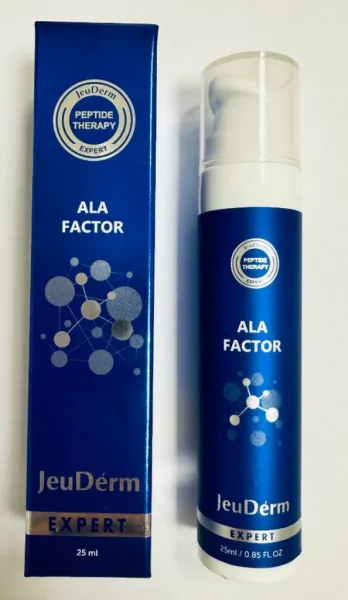
The thermoactive gel ALA FACTOR is a powerful cosmetic tool that provides molecular and cellular rejuvenation ...
Докладніше


