
Hypothalamic-pituitary-adrenal system
Hypothalamic-pituitary-adrenal system — hormonal diagnostics at the "Genesis Dnipro" laboratory
Tests for:
- Cortisol
- Adrenocorticotropic hormone (ACTH)
- Catecholamines: (adrenaline, noradrenaline)
- 17-OH-progesterone
- Dehydroepiandrosterone sulfate (DHEA-s)
- Growth hormone
- Insulin-like growth factor (IGF)
- Aldosterone
- Androstenedione
- Erythropoietin
The hypothalamic-pituitary-adrenal (HPA) axis is an important part of endocrine regulation in the body. It plays a key role in the stress response and in regulating various physiological processes such as metabolism, immune response, reproductive function, and others.
When testing is recommended:
- Chronic fatigue, weakness, apathy
- Insomnia, anxiety, irritability
- Blood pressure fluctuations
- Sudden weight changes, edema
- Menstrual cycle disorders, infertility
- Suspected Cushing's syndrome or adrenal insufficiency
How the test is conducted:
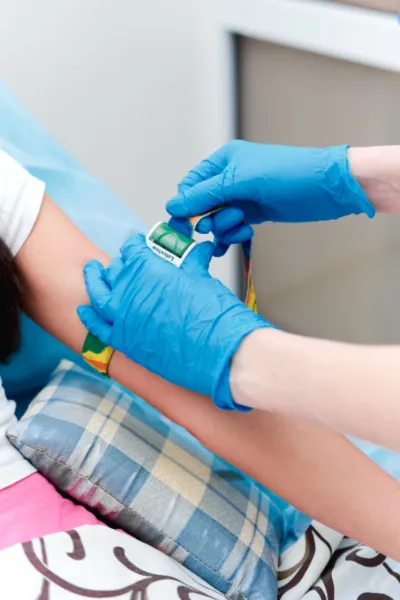
- Venous blood is taken on an empty stomach (preferably in the morning, between 8:00–9:00 AM, when cortisol levels are highest).
- Sometimes hormone levels in saliva or urine are also assessed.
- Results are provided with precise values and references, allowing the doctor to evaluate the function of the entire hormonal axis.
- Cortisol
- Adrenocorticotropic hormone (ACTH)
- Catecholamines: (adrenaline, noradrenaline)
- 17-OH-progesterone
- Dehydroepiandrosterone sulfate (DHEA-s)
- Growth hormone
- Insulin-like growth factor (IGF)
- Aldosterone
- Androstenedione
- Erythropoietin
The hypothalamic-pituitary-adrenal (HPA) axis is an important part of endocrine regulation in the body. It plays a key role in the stress response and in regulating various physiological processes such as metabolism, immune response, reproductive function, and others.
When testing is recommended:
- Chronic fatigue, weakness, apathy
- Insomnia, anxiety, irritability
- Blood pressure fluctuations
- Sudden weight changes, edema
- Menstrual cycle disorders, infertility
- Suspected Cushing's syndrome or adrenal insufficiency
How the test is conducted:
- Venous blood is taken on an empty stomach (preferably in the morning, between 8:00–9:00 AM, when cortisol levels are highest).
- Sometimes hormone levels in saliva or urine are also assessed.
- Results are provided with precise values and references, allowing the doctor to evaluate the function of the entire hormonal axis.


