
- TURP (Transurethral Resection of the Prostate)
- Circumcision
- Male Sterilization (Vasectomy)
- Frenuloplasty
- Testicular Prosthesis
- Penile Enlargement
- Removal of Condylomas
- Varicocele Treatment - Marmar Surgery
- Kidney Tumor Removal
- Stone Removal
- Neurectomy
- Top-tier surgeons with at least 20 years of experience;
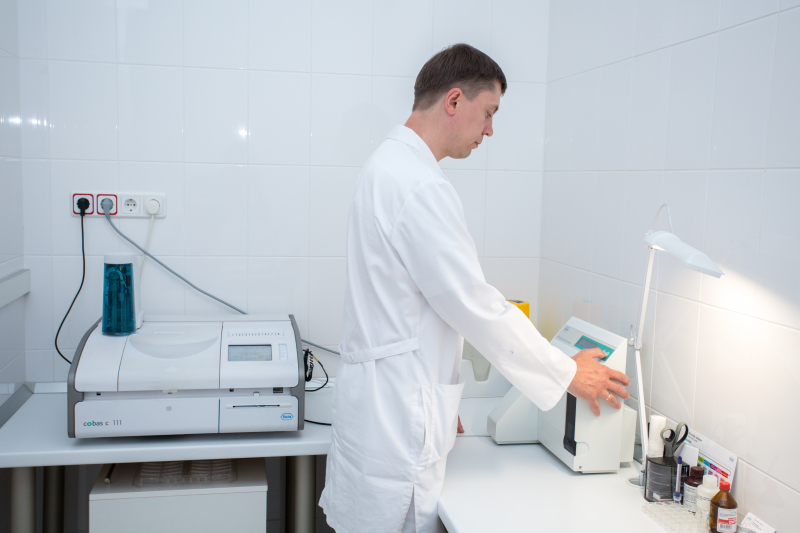
- In-house clinical diagnostic laboratory;
- Organ-preserving treatment approach;
- Use of cordyceps, Milan cocktail, and biopellets for treatment efficacy;
- Single occupancy comfortable rooms;
- Home-style cuisine;
- Independent sources of heat, gas, water, and electricity;
- Patient safety system with restricted access, 24/7 security, and parking.

Suvarian Artem Ludvigovich
Urologist of the highest category, Candidate of Medical Sciences.
Urology, andrology, sexology. Urethral surgery, treatment of male infertility.

Glushchenko Sergey Nikolaevich
Urologist-surgeon, andrologist, oncologist, first-category doctor. 20 years of experience.
Treatment: prostate adenoma (TURP), urolithiasis, urethral stricture, prostate cancer, erectile dysfunction, kidney cysts, nephroptosis, bladder and kidney tumors, varicocele, hydrocele...

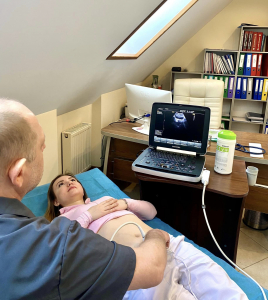


Varicocele in Men: Risks, Diagnosis, and Treatment. Marmar Surgery | Surgeon Shevtsov A.N.
There are several types of circumcision, which differ in the amount of skin removed and the method of closure:
1. Classic circumcision - in this type of surgery, the entire excess edge of the foreskin is removed, and the remaining skin is stitched. This method is the most common and provides a good cosmetic result.
2. Partial circumcision - in this type of surgery, only the upper part of the foreskin is removed, while the lower part remains intact. This method is used when it is necessary to preserve part of the skin to achieve a certain type of erection.
3. Johnson's method circumcision - in this type of surgery, not only the excess edge of the foreskin is removed, but also part of the inner skin layer. This method allows for a more natural-looking erection.
4. Gombo's method circumcision - in this type of surgery, only the excess edge of the foreskin is removed, and the remaining skin is stitched around the glans of the penis. This method is used when it is necessary to preserve part of the skin for a certain type of erection, but the patient wants a more natural appearance.
Depending on medical indications, circumcision can be performed either fully or partially. Full circumcision may be recommended in cases of phimosis (tight foreskin), paraphimosis (retracted foreskin), or recurrent infections of the foreskin area. Partial circumcision may be performed to improve hygiene or for other medical reasons.
At Genesis-Dnipro Clinic, alongside the classic procedure, we offer a modern method - laser circumcision.
After circumcision surgery, it is necessary to follow personal hygiene rules and monitor the condition of the wound. Recovery after circumcision can take from several weeks to several months, depending on the individual characteristics of the body.
If you have medical indications for circumcision or have decided on this procedure for personal reasons, contact a specialist at Genesis-Dnipro Clinic for a consultation and to choose the most suitable circumcision method. Circumcision is a serious operation and should only be performed by a qualified specialist.
There are several method...
There are several methods of penis enlargement, but none of them guarantee results. The outcomes can vary for each individual and depend on the unique characteristics of their body.
One of the most common methods of penis enlargement is the use of various exercises and devices, such as pumps or weights, which can stretch the penile tissues. However, these methods can lead to injuries and tissue damage, so their use requires caution and consultation with a doctor.
Another method is penis enlargement surgery. During this procedure, a surgeon uses various techniques to increase the length or girth of the penis. However, this procedure can be risky and have side effects, such as loss of sensitivity or penile deformation.
Additionally, there are various creams and pills for penis enlargement that promise quick and safe results. However, most of them lack scientific backing and may be ineffective or even harmful to health.
It is important to understand that penis size is not the main factor for satisfying a partner in sexual life. More important is the ability to manage emotions and satisfy a partner in bed.
If you still decide to undergo a penis enlargement procedure, be sure to consult a qualified specialist at Genesis-Dnipro and discuss all possible risks and side effects with them.
There are several types of penile prosthesis, but the main ones are hydrogel implantation and prosthesis with special implants.
Hydrogel implantation is a procedure where a special hydrogel is introduced into the penis, which can swell and increase the size of the penis. This method is the most popular and relatively safe, as hydrogel is a biocompatible material and does not cause allergic reactions. However, it has a temporary effect and requires periodic replacement.
Another method is prosthesis with special implants. These can be of various types: inflatable, flexible, or rigid. Inflatable prostheses are special pouches that are filled with fluid to create an erection. Flexible and rigid prostheses consist of special plastic or metal elements that are inserted into the penis and allow it to maintain the desired shape.
The penile prosthesis procedure can be performed in cases of complete absence of erection or impaired quality of erection. It is performed under general anesthesia and requires a certain rehabilitation period. After the surgery, the patient needs to follow a special regimen and take antibiotics to prevent possible complications.
Penile prosthesis has its advantages and disadvantages. Among the advantages are the possibility of restoring or increasing the size of the penis, as well as improving the quality of erection. However, this method can be costly and have a number of complications, such as infections, bleeding, or deformation of the penis.
It is important to note that penile prosthesis is not a panacea and will not solve all problems in sexual life. It can be beneficial only in cases of serious medical issues. Therefore, before deciding on this procedure, it is necessary to discuss all possible risks and side effects with a doctor.
In conclusion, it is worth noting that health is always more important than external parameters. Before making a decision about penile prosthesis, it is necessary to carefully weigh all the pros and cons and consult a qualified specialist at the Genesis-Dnipro clinic.
The primary cause of varicocele is the disruption of venous blood flow in the scrotal area. This can be caused by the weakness of the vein walls or malfunctioning valves, which normally prevent the backflow of blood. As a result, blood begins to accumulate in the veins, causing them to enlarge and form nodules.
Symptoms of varicocele can vary and depend on the degree of vein enlargement. Some men may not experience any symptoms, while others may feel a sense of heaviness or discomfort in the scrotal area. In some cases, there may be a reduction in the size of the testicles or asymmetry. There may also be impaired spermatogenesis and the development of infertility.
To diagnose varicocele, it is necessary to consult a urologist or andrologist. The doctor will conduct an examination and may order additional tests, such as an ultrasound or semen analysis. A definitive diagnosis can only be made after conducting further investigations.
Treatment for varicocele can be either conservative or surgical. Conservative treatment includes wearing a special support garment for the scrotum and taking medications to improve blood flow. However, this is not always effective and may only slow the progression of the condition.
Surgical treatment of varicocele is the most effective way to resolve this issue. It can be performed as an open surgery or using minimally invasive methods, such as laparoscopy or percutaneous endovascular coagulation. During the surgery, the veins of the spermatic cord are clamped or severed to prevent the backflow of blood.
Varicocele can lead to serious consequences, so it is important to seek medical help at the first signs. This is especially crucial for men who plan to have children. Early consultation with a doctor and timely treatment can prevent the development of infertility and preserve reproductive health.
Varicocele is a serious condition that can lead to testicular dysfunction and infertility. At the first symptoms, it is necessary to consult a doctor for diagnosis and appropriate treatment. Timely consultation with a specialist will help avoid serious consequences and maintain a man's health.
The main cause of hydrocele is the disruption of fluid drainage from the scrotum. Normally, fluid is secreted into the scrotum to lubricate and protect the testicles, and then it exits through special channels. When this process is disrupted, fluid can accumulate and form a hydrocele.
Symptoms of hydrocele can vary and depend on the degree of fluid accumulation. Some men may not experience any symptoms, while others may feel a sense of heaviness or discomfort in the scrotal area. There may also be an increase in the size of the scrotum and asymmetry of the testicles.
To diagnose hydrocele, it is necessary to consult a urologist or andrologist. The doctor will conduct an examination and may order additional tests, such as an ultrasound or a sperm analysis. A definitive diagnosis can only be made after conducting further investigations.
Treatment for hydrocele can be conservative or surgical. Conservative treatment includes wearing a special support bandage for the scrotum and taking medications to improve fluid drainage. However, this is not always effective and may only slow the progression of the condition.
Surgical treatment of hydrocele is the most effective way to resolve this issue. It can be performed as an open surgery or using minimally invasive methods, such as laparoscopy or percutaneous endovascular coagulation. During the surgery, the fluid is removed from the scrotum, and the channels through which it exits are closed.
Hydrocele can lead to serious consequences, so it is important to seek medical help at the first signs. This is especially important for men who plan to have children. Early consultation with a doctor and timely treatment can prevent the development of infertility and preserve reproductive health.
Hydrocele is a common disorder of the male reproductive organ that can lead to impaired testicular function and infertility. At the first symptoms, it is necessary to consult a doctor for diagnosis and appropriate treatment. Timely consultation with a specialist will help avoid serious consequences and maintain a man's health.
The vasectomy procedure is usually performed under local anesthesia and takes about 20-30 minutes. The doctor makes a small incision in the scrotum and blocks the sperm ducts through which sperm pass. This is done by cutting and tying the ducts or closing them with special clips or cauterization.
After the vasectomy procedure, a man will still ejaculate, but the semen will no longer contain sperm. However, to be fully protected from pregnancy, other methods of contraception should be used for the first 3 months after the procedure. It is also recommended to regularly check the sperm count to ensure the absence of sperm in the semen.
Vasectomy is a reversible procedure, but its reversal is not always possible and requires a complex operation. Therefore, before deciding on a vasectomy, it is necessary to carefully weigh all the pros and cons and discuss it with your partner.
The main advantage of vasectomy is its high effectiveness. When performed correctly, the likelihood of pregnancy is less than 1%. Additionally, vasectomy does not affect a man's hormonal balance and does not impact sexual function.
However, vasectomy also has its drawbacks. Firstly, it is a permanent method of contraception that cannot be undone if there is a desire to have children in the future. Secondly, the procedure may be associated with risks and complications, such as bleeding, infection, or an allergic reaction to anesthesia.
Vasectomy is an effective and safe method of contraception for men who do not plan to have children in the future. However, before deciding to undergo this procedure, it is important to discuss it with your partner and doctor to weigh all the pros and cons and choose the most suitable method of contraception.
To diagnose the condition, a urologist examination and an ultrasound are conducted to assess the condition of the tissues and the degree of curvature. Treatment can be either conservative or surgical. In the early stages, medication therapy and physiotherapy may be used, while more severe cases may require surgical correction. Seeking help early can help choose the optimal treatment method and avoid complications. In our clinic, experienced urologists will offer you modern and effective solutions for treating this condition.
When is surgery needed?
TUR is recommended in cases where medication therapy does not manage symptoms such as:
- Severe difficulty urinating.
- Presence of residual urine in the bladder.
- Recurrent urinary tract infections.
- Acute urinary retention.
How is TUR performed?
The surgery is performed under general or spinal anesthesia. A resectoscope is inserted through the urethra, which allows the surgeon to remove excess prostate tissue layer by layer without external incisions. The procedure takes about an hour, and the postoperative period usually proceeds quickly with minimal pain.
If you are experiencing symptoms related to BPH, do not delay visiting a urologist. Seeking help early will allow you to choose the optimal treatment method and improve your quality of life.
Advantages of the method:
- Minimal risk of recurrence. Since enucleation removes all hyperplastic tissue, the likelihood of prostate regrowth is significantly reduced.
- Lower risk of complications. Modern technologies allow the procedure to be performed with minimal trauma to surrounding tissues, reducing the risk of postoperative complications such as bleeding or infection.
- Quick recovery. Unlike traditional methods, patients recover faster after prostate enucleation and can return to normal life just a few days after the surgery.
- Preservation of sexual function. It is important to note that laser removal of adenoma preserves erectile function, which is crucial for the quality of life of patients.
Neurotomy for PE involves the selective destruction of nerves responsible for transmitting signals from the penis to the brain, thereby reducing sensitivity and delaying ejaculation. The main nerves targeted by this procedure are the dorsal nerves of the penis.
The procedure is performed under local anesthesia and usually takes no more than 30 minutes. The patient can return to normal activities a few days after the surgery.
Neurotomy shows good results in treating PE, especially in cases where other methods have been ineffective. By reducing nerve sensitivity, the time to ejaculation can increase several times, improving control over the process and allowing the man to participate more fully in sexual intercourse.
Risks and Side Effects
While neurotomy can be an effective treatment for PE, it is important to consider potential risks:
Permanent numbness: After the procedure, there may be partial loss of sensitivity, which can affect the pleasure of sexual activity.
Erection problems: In rare cases, the intervention may lead to erectile dysfunction.
Risk of infection: As with any surgical procedure, there is a risk of infection, although it is minimal if all aseptic standards are followed.
Neurotomy represents a promising method for treating premature ejaculation, especially for men for whom standard treatments have not yielded the desired results. The choice of treatment method should be individualized and based on a comprehensive medical examination and analysis of the patient's condition.
What is lithotripsy?
The essence of the procedure lies in the destruction of stones using shock waves. These waves are directed precisely at the stone, passing through the tissues without damaging them. After fragmentation, the small stone fragments are naturally expelled from the body through urine.
There are several types of lithotripsy:
- Extracorporeal Shock Wave Lithotripsy (ESWL) — performed without incisions, through the skin.
- Contact (endoscopic) lithotripsy — used for large or complex stones when more precise intervention is required.
- Percutaneous lithotripsy — applied for very large stones; performed through a small puncture.
Advantages of the method:
- Non-surgical removal of stones
- Minimal risks and quick recovery
- Possibility of outpatient treatment
- Effectiveness even for hard-to-reach formations
When is lithotripsy indicated?
- Stones in the kidneys or ureter with a diameter of up to 2 cm
- Absence of inflammation in the urinary tract
- Normal kidney function
Indicat...
Indications for prostate removal:
- Confirmed prostate cancer at an early or locally advanced stage
- Severe urinary disturbances caused by prostate enlargement
- Recurrent urinary tract infections related to prostate pathology
How does the surgery proceed?
At the "Genesis Dnipro" clinic, the surgery is performed by highly qualified urologists using modern technologies, ensuring precision, safety, and minimal intervention.
The operation can last from 2 to 4 hours. In most cases, the patient requires a hospital stay of 3 days.
Recovery after surgery:
After prostatectomy, patients are advised to:
- Limit physical activity for 4–6 weeks
- Monitor their diet and fluid intake
- Attend regular check-ups with their treating physician
The urologists at our clinic support patients at all stages—from preparation for surgery to full recovery.
404 Not Found
Bioidentical therapy, pellets, bioidentical hormones. Interview with Dr. Igor Perelygin.
Who is eligible for plasmapheresis (blood purification) from viruses and diseases? Genesis Dnepr Clinic.
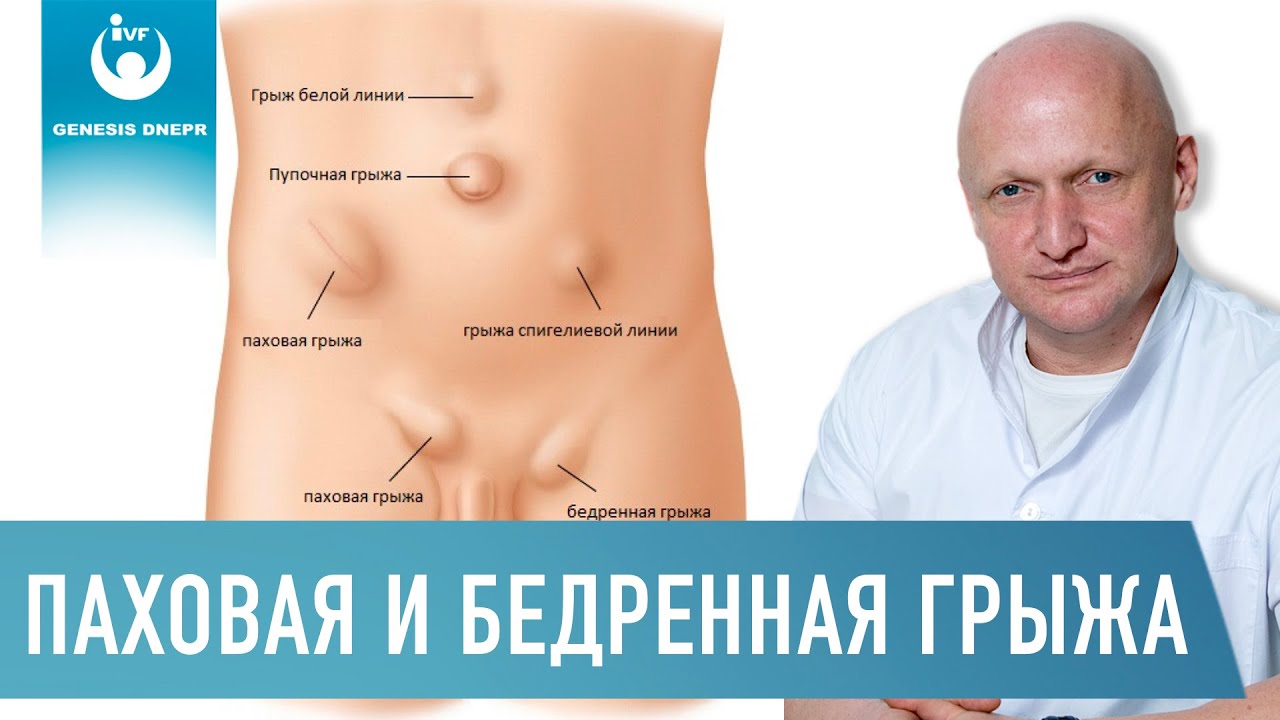
INGUINAL HERNIA and FEMORAL HERNIA. Causes, symptoms, diagnosis, treatment, rehabilitation.

Treatment of anal fissure. Proctology at "Genesis Dnipro". Proctologist Olga Ryabchinskaya.
Why does the back hurt? Explained by neurologist Igor Shkinder.
Igor Perelygin on male infertility, male dysfunction, and decreased sperm quality
The author of the weight loss book, I. V. Perelygin, talks about weight reduction | PART 1
Complementary oncology. Adjunctive therapy in oncology. A patient's experience with cancer.
1. APPOINTMENT BY PHONE:
+38(067) 544-68-282. ЗАПИСЬ ЧЕРЕЗ АНКЕТУ:
The questionnaire serves to familiarize the doctor with your medical information and gives you the opportunity to sign up for a paid or free consultation ...
1. Minimally Invasive
TURP is performed without external incisions. All manipulations are carried out through the urethra using a special instrument called a resectoscope. This avoids large sc...
1. Minimally Invasive
TURP is performed without external incisions. All manipulations are carried out through the urethra using a special instrument called a resectoscope. This avoids large scars and significantly reduces the risk of postoperative complications.
2. Quick Recovery
Since the procedure does not require skin incisions, the recovery period after TURP is significantly shorter compared to traditional surgical methods. Most patients return to their normal lives within a couple of weeks.
3. High Effectiveness
TURP effectively alleviates symptoms associated with BPH, such as difficulty urinating, frequent urges, and urinary incontinence. After the procedure, the patient's quality of life improves significantly.
4. Minimal Risks
Although TURP is a surgical procedure, it carries minimal risks of complications. Modern anesthesia methods and equipment allow the surgery to be performed with a high level of safety.
5. Wide Range of Indications
TURP is suitable for most patients with BPH, especially in cases where medication does not yield the desired results. The procedure is also recommended in the presence of complications such as acute urinary retention or frequent urinary tract infections.
долгота: 35.0320729


