
Creating the perfect figure can be achieved through BODY SCULPTING with:
- ABDOMINOPLASTY
- LIPOSUCTION
- LIPOFILLING (LIPOMODELING)
In cases of excess abdominal skin and severe scars, ABDOMINOPLASTY is usually performed.
The essence of LIPOSUCTION is contour correction by removing fat deposits.
Often, to achieve the best results, s...
Creating the perfect figure can be achieved through BODY SCULPTING with:
- ABDOMINOPLASTY
- LIPOSUCTION
- LIPOFILLING (LIPOMODELING)
In cases of excess abdominal skin and severe scars, ABDOMINOPLASTY is usually performed.
The essence of LIPOSUCTION is contour correction by removing fat deposits.
Often, to achieve the best results, surgeons combine these two procedures—abdominoplasty and liposuction.
LIPOFILLING allows for the correction of asymmetry and enhances the contour of your body. Lipofilling completes the body lipomodeling process.
- The clinic is equipped with modern equipment that meets high-quality standards.
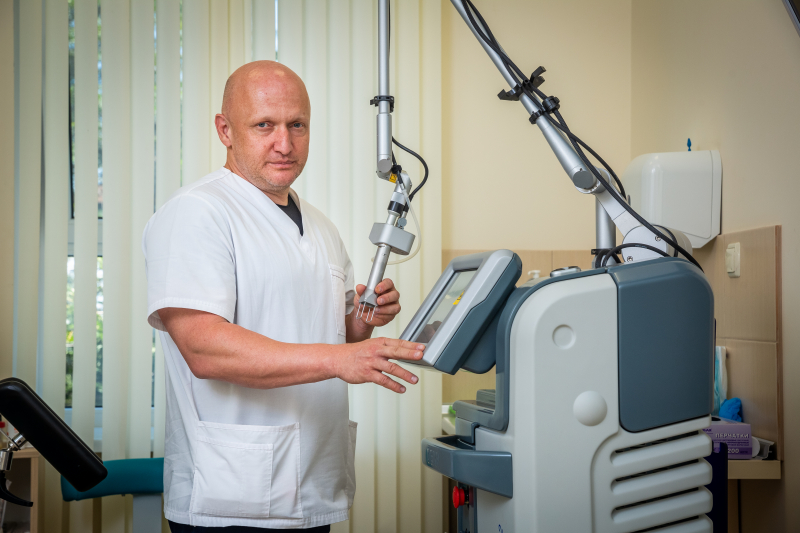
- Innovative laser device - fractional CO2 laser (Deka, Italy).
- Thorough preoperative preparation minimizes the risk of complications and ensures patient safety.
- Use of ozone therapy and other procedures to ensure rapid postoperative rehabilitation.
- Our own laboratory complex for conducting necessary tests.
- We use lipomodellin...
- The clinic is equipped with modern equipment that meets high-quality standards.
- Innovative laser device - fractional CO2 laser (Deka, Italy).
- Thorough preoperative preparation minimizes the risk of complications and ensures patient safety.
- Use of ozone therapy and other procedures to ensure rapid postoperative rehabilitation.
- Our own laboratory complex for conducting necessary tests.
- We use lipomodelling technology with proprietary filters and the original "GOISIS" method.

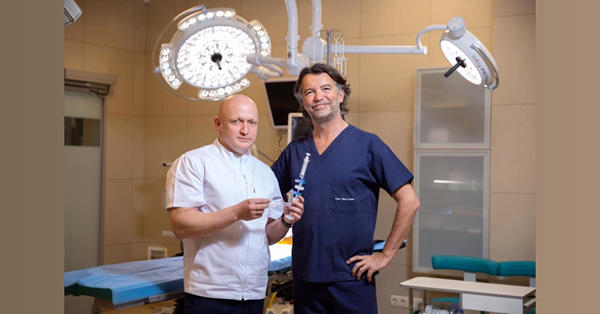
Shapovalyuk Vladimir Vladislavovich
Surgeon of the highest category, plastic surgeon. Candidate of Medical Sciences. Active member of ISAPS (International Society of Aesthetic Plastic Surgery). Lecturer, Associate Professor at the Department of Surgery, Traumatology, and Orthopedics at DMA.
Facial, breast, and full body plastic surgery.

Shagan Dmitry Valeryevich
Surgeon of the highest category, plastic surgeon. 20 years of experience. Performs over 350 surgeries per year.
Facial, breast, and body plastic surgery, liposuction, lipofilling. General surgery, leg vascular surgeries.


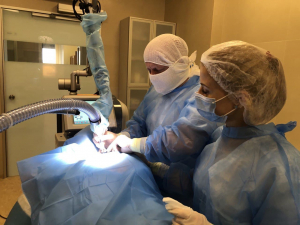
The abdominoplasty procedure begins with the surgeon making a horizontal incision in the bikini area to remove excess skin and fat from the lower abdomen. The surgeon may then tighten the abdominal wall muscles and stretch the skin to create a flatter and firmer appearance of the abdomen.
Abdominoplasty can be performed under local or general anesthesia. Depending on the extent of the surgery and the individual characteristics of the patient, the procedure can take from several hours to a full day.
After abdominoplasty, the patient may experience some pain and discomfort in the surgical area, as well as swelling and bruising. The doctor may prescribe medication to relieve pain and recommend wearing a special compression bandage or garment to support the results of the procedure.
The results of abdominoplasty can be noticeable immediately after the surgery, but the final result will be visible after a few months when the swelling has completely subsided. Although abdominoplasty can significantly improve body contour and reduce abdominal volume, it is not a weight loss method and cannot replace a healthy lifestyle.
Like any surgical procedure, abdominoplasty has its risks and complications, including bleeding, infection, uneven fat removal, and changes in sensation in the surgical area. Therefore, it is important to discuss all possible risks with the doctor before undergoing the procedure.
Abdominoplasty can be an effective method for removing excess skin and fat in the abdominal area. However, before undergoing the procedure, it is necessary to carefully assess the benefits and risks and discuss all questions with a qualified surgeon.
The umbilicoplasty procedure begins with the surgeon making a small incision around the navel and removing excess skin and fatty tissue in that area. Then, the surgeon may reshape and resize the navel to achieve the desired appearance.
Umbilicoplasty can be performed under local or general anesthesia. Depending on the complexity of the operation and the individual characteristics of the patient, the procedure can take from a few minutes to an hour.
After umbilicoplasty, the patient may experience mild discomfort and observe slight swelling in the surgical area. The doctor may prescribe medication to relieve pain and recommend wearing a special compression bandage or garment to support the results of the procedure.
The results of umbilicoplasty may be noticeable immediately after the surgery, but the final result will be visible in a few months when the swelling completely subsides. Although umbilicoplasty can significantly improve the appearance of the abdomen, it is not a weight loss method and cannot replace a healthy lifestyle.
Like any surgical procedure, umbilicoplasty has its risks and complications, including bleeding, infection, and changes in sensitivity in the surgical area. Therefore, it is important to discuss all possible risks with the doctor before undergoing the procedure.
Umbilicoplasty can be an effective method for improving the appearance of the abdomen and achieving the desired shape and size of the navel. However, it is necessary to carefully evaluate the benefits and risks and discuss all questions with a qualified surgeon before proceeding.
The procedure begins with the surgeon making small incisions in the abdominal skin and inserting cannulas to suction out the fat. The cannulas can vary in shape and size, depending on the patient's individual characteristics and the desired outcome. The fat is suctioned out using a special device or a manual pump.
Abdominal liposuction can be performed under local or general anesthesia. Depending on the extent of the operation and the patient's individual characteristics, the procedure can take from several hours to a full day.
After abdominal liposuction, the patient may experience some pain and discomfort in the area of the operation, as well as swelling and bruising. The doctor may prescribe medications to alleviate pain and recommend wearing a special compression bandage or garment to support the results of the procedure.
The results of abdominal liposuction can be noticeable immediately after the operation, but the final result will be visible after several months, once the swelling has completely subsided. Although abdominal liposuction can significantly improve body contour and reduce abdominal volume, it is not a weight loss method and cannot replace a healthy lifestyle.
Like any surgical procedure, abdominal liposuction has its risks and complications, including bleeding, infection, uneven fat removal, and changes in sensation in the area of the operation. Therefore, it is important to discuss all possible risks with a doctor before undergoing the procedure.
Abdominal liposuction can be an effective method for eliminating excess fat in this area of the body. However, before undergoing it, it is necessary to carefully assess the benefits and risks and discuss all questions with a qualified surgeon.
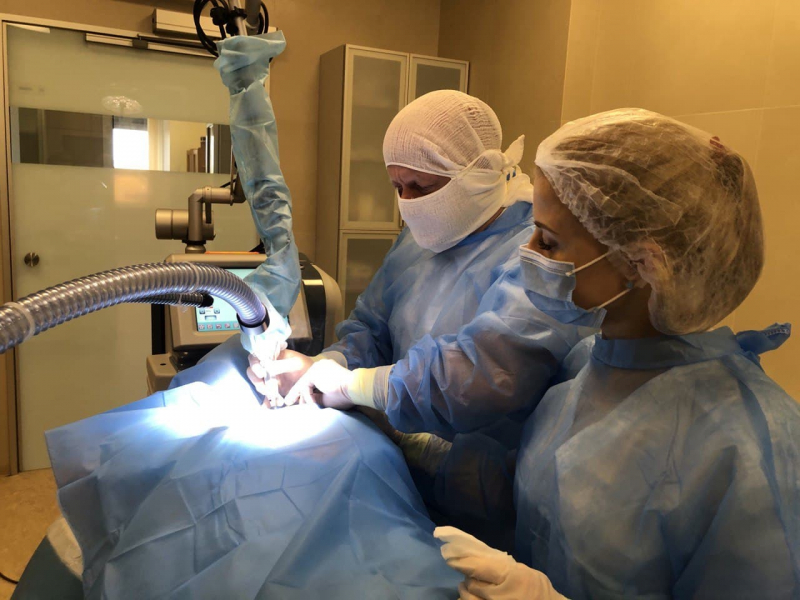
The procedure involves directing a laser beam onto the damaged skin. The laser beam penetrates deep layers of the skin and stimulates collagen production, which is responsible for skin firmness and elasticity. Additionally, laser resurfacing can also reduce the visibility of red or purple scars by breaking down capillaries.
Before the procedure, the doctor will conduct a consultation and assess the skin condition to determine the best treatment approach. Depending on the patient's individual characteristics and the extent of skin damage, several sessions of laser resurfacing may be required to achieve the desired results.
After the procedure, the skin may be slightly red and swollen, but this usually subsides within a few days. It is important to follow the doctor's recommendations for post-procedure skin care to minimize the risk of complications and achieve the best results.
Laser resurfacing of stretch marks and scars can be an effective method for improving the appearance of the skin; however, it cannot completely eliminate stretch marks or scars. Results may vary for each person and depend on individual skin characteristics. Therefore, it is important to have realistic expectations and discuss all possible risks and side effects with the doctor before the procedure.
The procedure begins with the surgeon using liposuction to extract fat from a selected area of the body, such as the abdomen, thighs, or buttocks. This fat is then processed and injected into the desired area, such as the breasts, buttocks, or face.
Lipofilling can be performed under local or general anesthesia, depending on the extent of the procedure and the patient's individual preferences. The duration of the surgery can vary from a few hours to an entire day, depending on the amount of fat that needs to be transferred.
After the procedure, the patient may experience mild discomfort and notice swelling and bruising in the lipofilling area. The doctor may prescribe medication to alleviate pain and recommend wearing a compression garment to support the results of the procedure.
The results of lipofilling can be noticeable immediately after surgery, but the final outcome will be visible after a few months when the swelling has completely subsided. Although lipofilling can significantly improve the shape and volume of an area, it is not a weight loss method and cannot replace a healthy lifestyle.
Like any surgical procedure, lipofilling carries its own risks and complications, including bleeding, infection, and uneven fat distribution. Therefore, it is important to discuss all potential risks with a doctor before undergoing the procedure.
Lipofilling can be an effective method for enhancing the shape and volume of various body parts. However, it is essential to carefully assess the benefits and risks and discuss all concerns with a qualified surgeon before proceeding.
Diastasis repair is a surgical procedure aimed at correcting the separation of the abdominal muscles and restoring the natural shape and firmness of the abdominal wall. The procedure involves stitching the separated muscles together and strengthening the abdominal wall.
Before the procedure, the doctor will conduct an examination and assess the condition of the abdominal wall to determine the best approach to treatment. Depending on the degree of muscle separation and the individual characteristics of the patient, either a mini-abdominoplasty or a full abdominoplasty may be required.
After the procedure, the patient may experience some pain and discomfort in the abdominal area, which can be alleviated with pain relief medications. It is important to follow the doctor's recommendations for wound care and activity restrictions to avoid complications and achieve the best results.
Diastasis repair can be an effective method for restoring the natural shape and firmness of the abdominal wall; however, it cannot completely eliminate stretch marks or change body shape. Results may vary for each individual and depend on the unique characteristics of their skin and muscles. Therefore, it is important to have realistic expectations and discuss all possible risks and side effects with the doctor before the procedure.
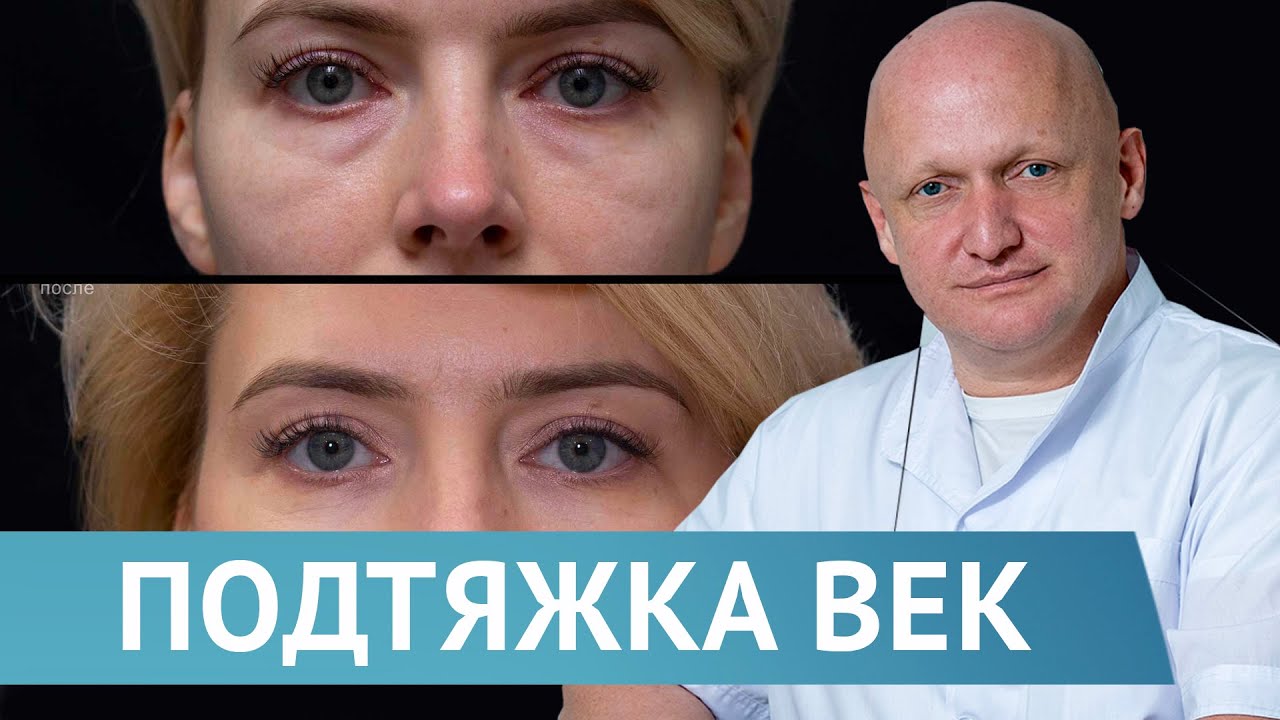
Blepharoplasty>
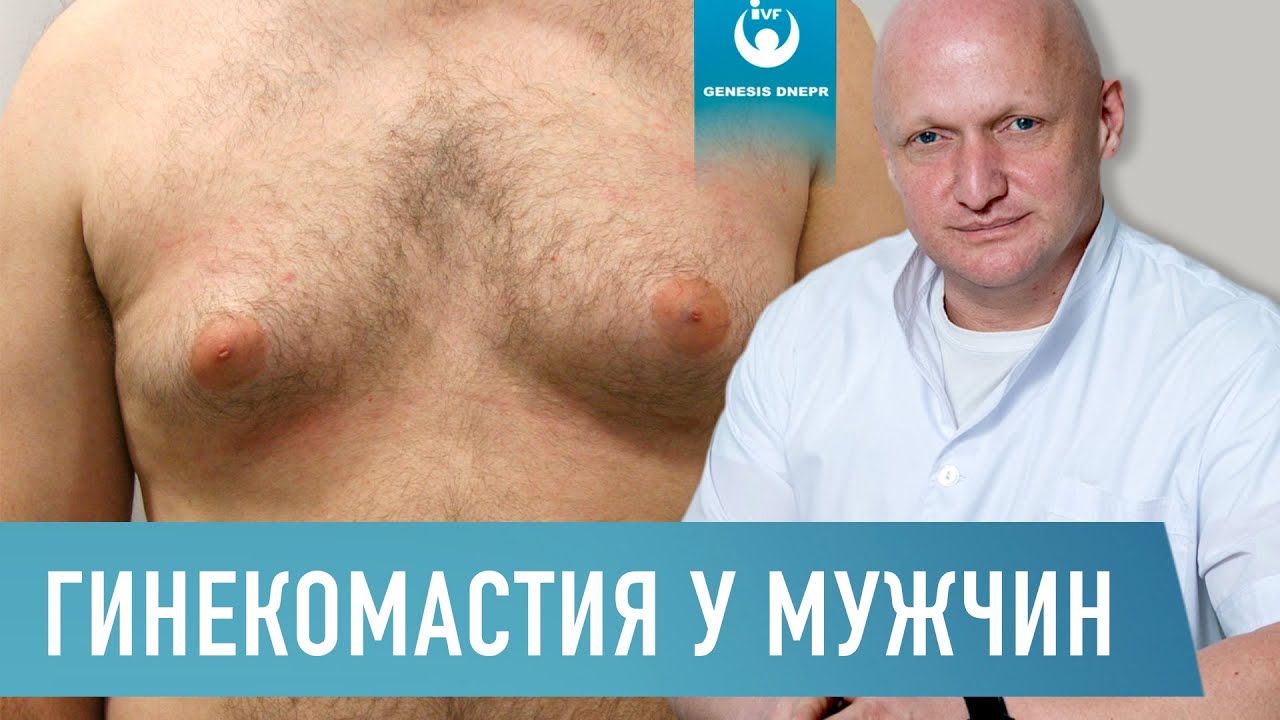
Gynecomastia in men
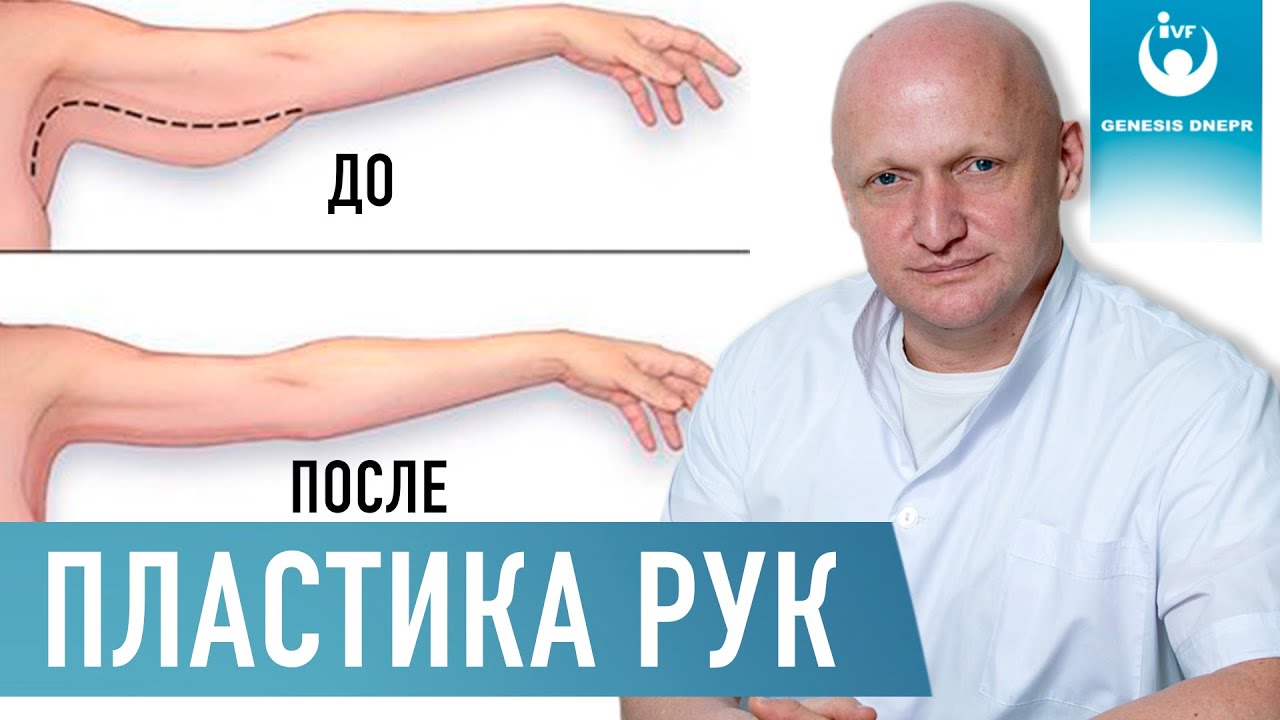
Arm plastic surgery
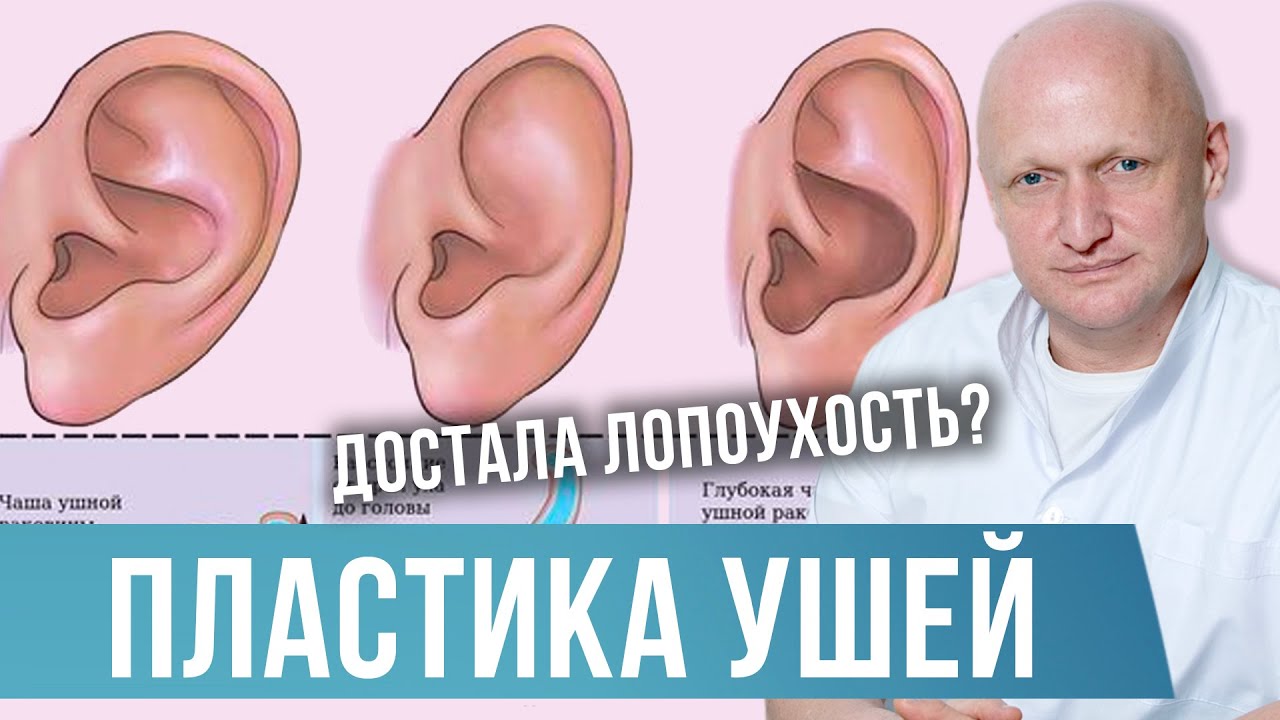
Ear plastic surgery
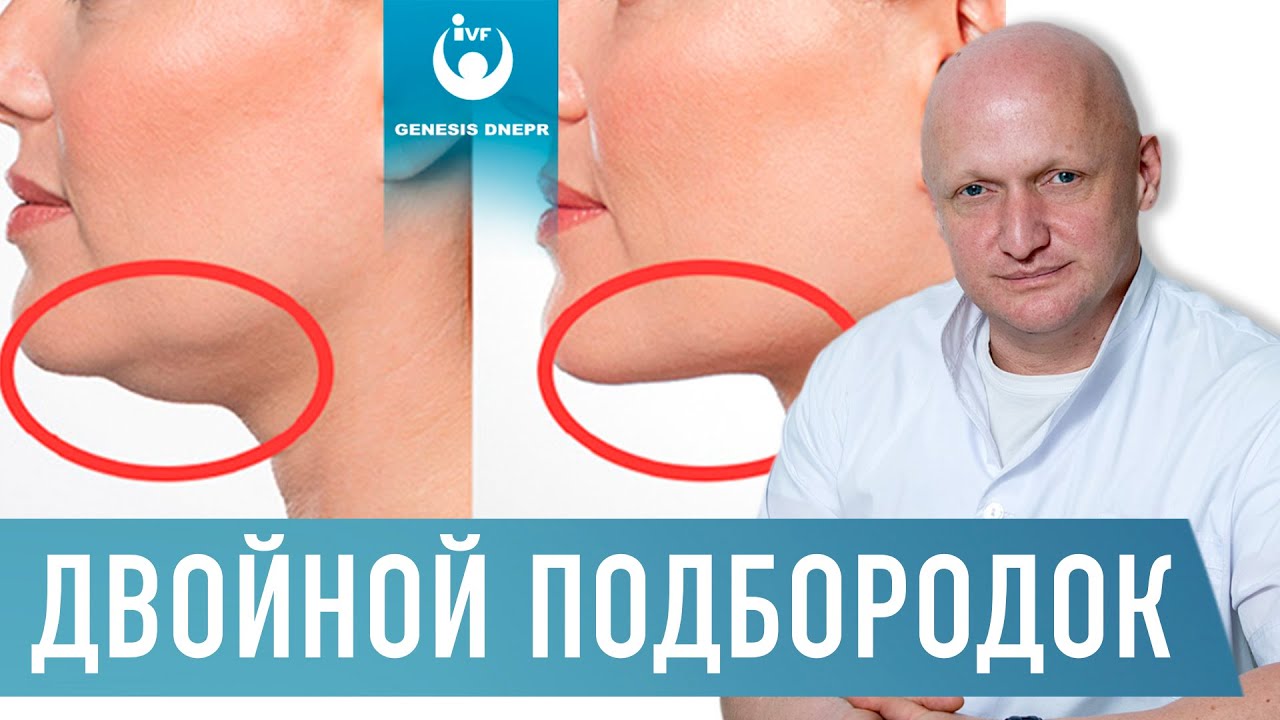
Double chin
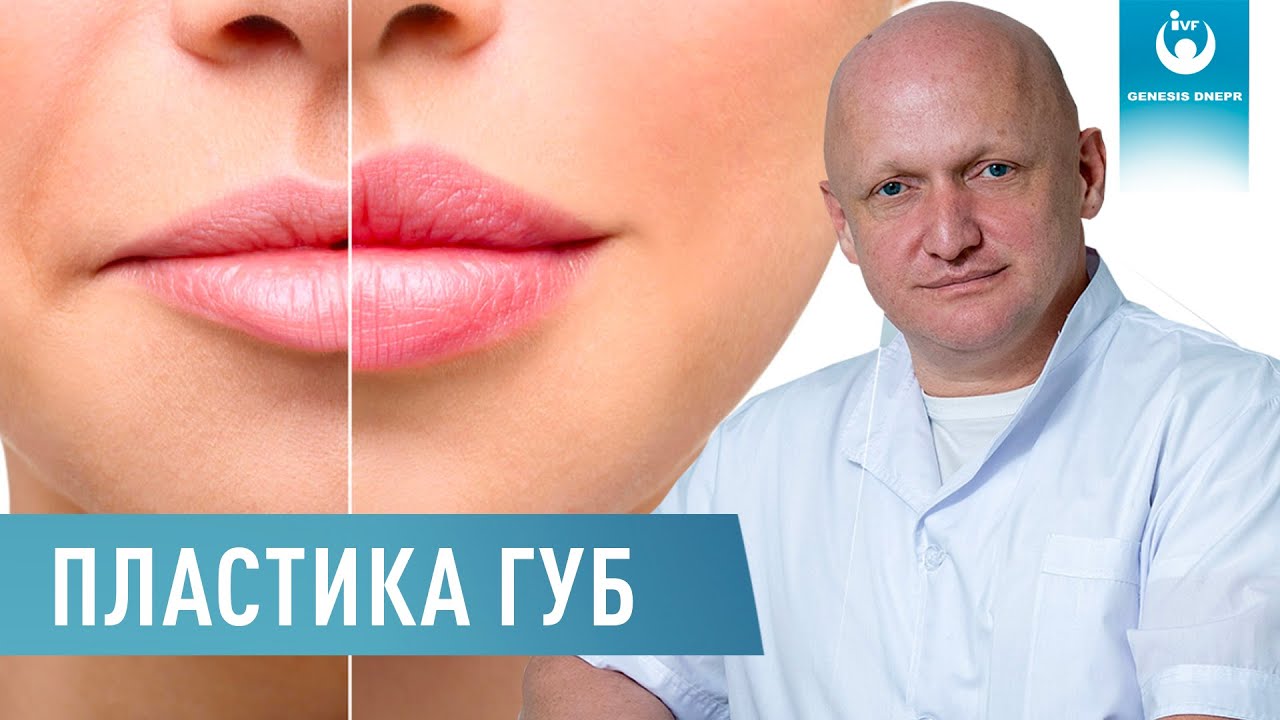
Lip augmentation
Bioidentical therapy, pellets, bioidentical hormones. Interview with Dr. Igor Perelygin.
Itching in the Anus: Real Causes, Treatment, and Prevention. Proctologist O.V. Ryabchinskaya.

Plasmapheresis, or plasma blood purification, is a medical procedure that involves removing plasma from the blood to treat various health conditions. It is often used to remove harmful substances or antibodies from the bloodstream. Genesis Dnepr Clinic offers this treatment.
1. ЗАПИС ПО ТЕЛЕФОНУ:
+38(067) 544-68-282. ЗАПИСЬ ЧЕРЕЗ АНКЕТУ:
Анкета слугує для попереднього знайомства лікаря з медичною інформацією про Вас та дає можливість записатися на платну чи безкоштовну консультацію ...
1. Research the surgeon's reputation and experience, ensuring they have all the necessary certifications.
2. Schedule a consultation: Book an appointment with the doctor where you can discuss your expectations, ask questions, and receive detailed information about the procedure. The surgeon will also conduct an examination and assess your physical readiness for...
1. Research the surgeon's reputation and experience, ensuring they have all the necessary certifications.
2. Schedule a consultation: Book an appointment with the doctor where you can discuss your expectations, ask questions, and receive detailed information about the procedure. The surgeon will also conduct an examination and assess your physical readiness for the procedure.
3. Prepare for the procedure: The surgeon may provide you with instructions on how to properly prepare for the procedure. This may include restricting certain medications or supplements, scheduling tests and exams, as well as guidelines on food and drink intake before the procedure.
4. Informed consent: Before the procedure, you will need to sign an informed consent form, confirming that you fully understand the procedure, its risks, and limitations.
5. Plan for the postoperative period: Discuss with the surgeon the postoperative care plan, including the need to wear compression garments and any restrictions on physical activity.
It is important to follow all the recommendations and instructions of the plastic surgeon to ensure safety and successful recovery after body contouring and lipofilling.
долгота: 35.0320729


