
Reasons to consult an andrologist:
1. Issues with conception.
2. Erectile dysfunction.
3. Problems with ejaculation.
4. Unusual discharge.
5. Intending to choose the optimal method of contraception.
6. Other questions regarding your male health: prostatitis, vesiculitis, prostate adenoma, varicocele, phimosis...
7. Obesity.
8. Gynecomastia.
9. Prostatitis.
- APPLICATION OF ALL EXISTING METHODS FOR TREATING MALE INFERTILITY
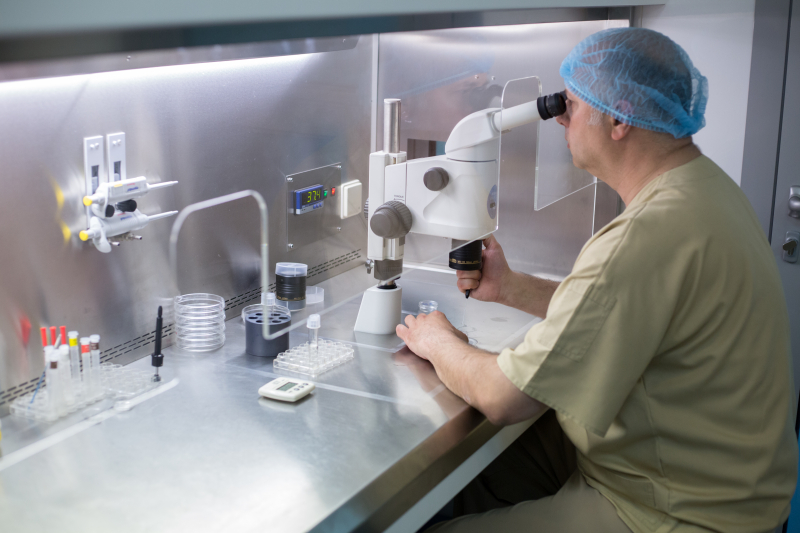
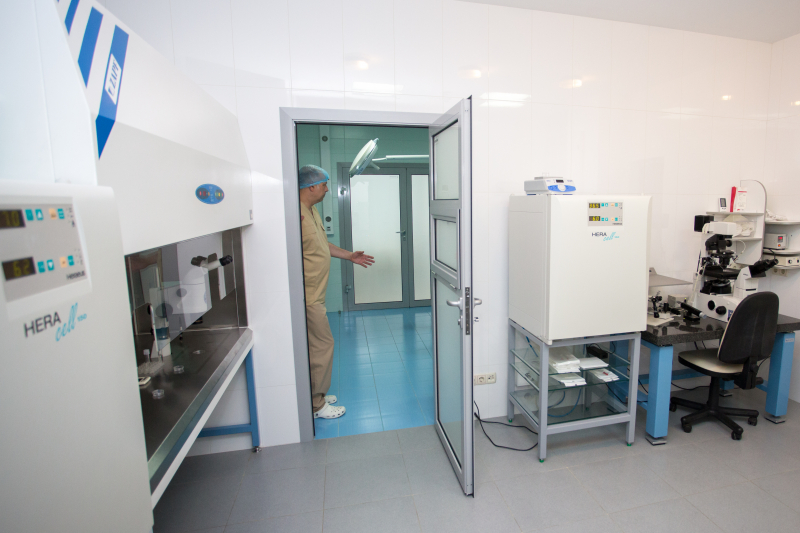
- OWN CLINICAL-DIAGNOSTIC ROBOTIC LABORATORY
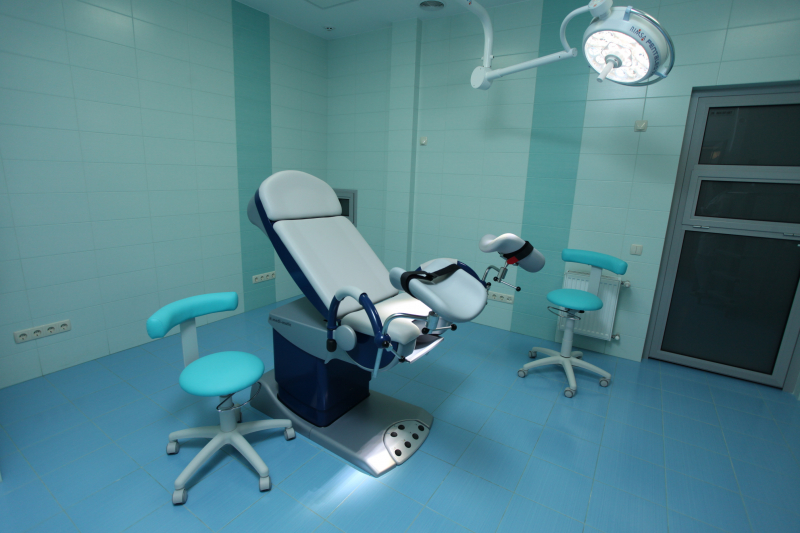
- THE CLINIC IS DESIGNED FOR SMALL PATIENT FLOWS, ALLOWING FOR THE CREATION OF EXCLUSIVE CONDITIONS FOR EACH PATIENT.
- SURGICAL TREATMENT OF MALE PROBLEMS. MAR-MARA SURGERY FOR VARICOCELE
- WE USE CORDYCEPS, MILAN COCKTAIL, AND BIOPELLETS FOR TREATMENT EFFECTIVENESS.

Perelygin Igor Veniaminovich
Obstetrician-gynecologist of the highest category, Ph.D., andrologist, therapist, specialist in bioidentical therapy. Founder and head of the "GENESIS DNIPRO" clinic. Member of the Ukrainian and European Society of Reproduction and Embryology (ESHRE). IMPLEMENTATION OF THE PRINCIPLE: "FROM CONCEPTION TO BIRTH"
REPRODUCTIVE MEDICINE. ANDROLOGY. THERAPY. GENERAL AND ENDOCRINE GYNECOLOGY. CLIMACTERIC DISORDERS. BLADDER DISEASES. WEIGHT LOSS. OZEMPIC

Pastushenko Alexander Stanislavovich
Doctor of Embryology and Genetics of the highest category. Member of the European Society of Human Reproduction and Embryology (ESHRE). Specialization: embryology and genetics.
Embryology and genetics.

Kostenko Vitaliy Grigoryevich
Obstetrician-gynecologist of the highest category.
OBSTETRICS: PREGNANCY CARE, CHILDBIRTH, CESAREAN SECTION GYNECOLOGY: DISEASES OF THE UTERUS AND ENDOMETRIUM, OVARIES, PREGNANCY TERMINATION MENSTRUAL CYCLE DISORDERS CYSTITIS

Glushchenko Sergey Nikolaevich
Urologist-surgeon, andrologist, oncologist, first-category doctor. 20 years of experience.
Treatment: prostate adenoma (TURP), urolithiasis, urethral stricture, prostate cancer, erectile dysfunction, kidney cysts, nephroptosis, bladder and kidney tumors, varicocele, hydrocele...






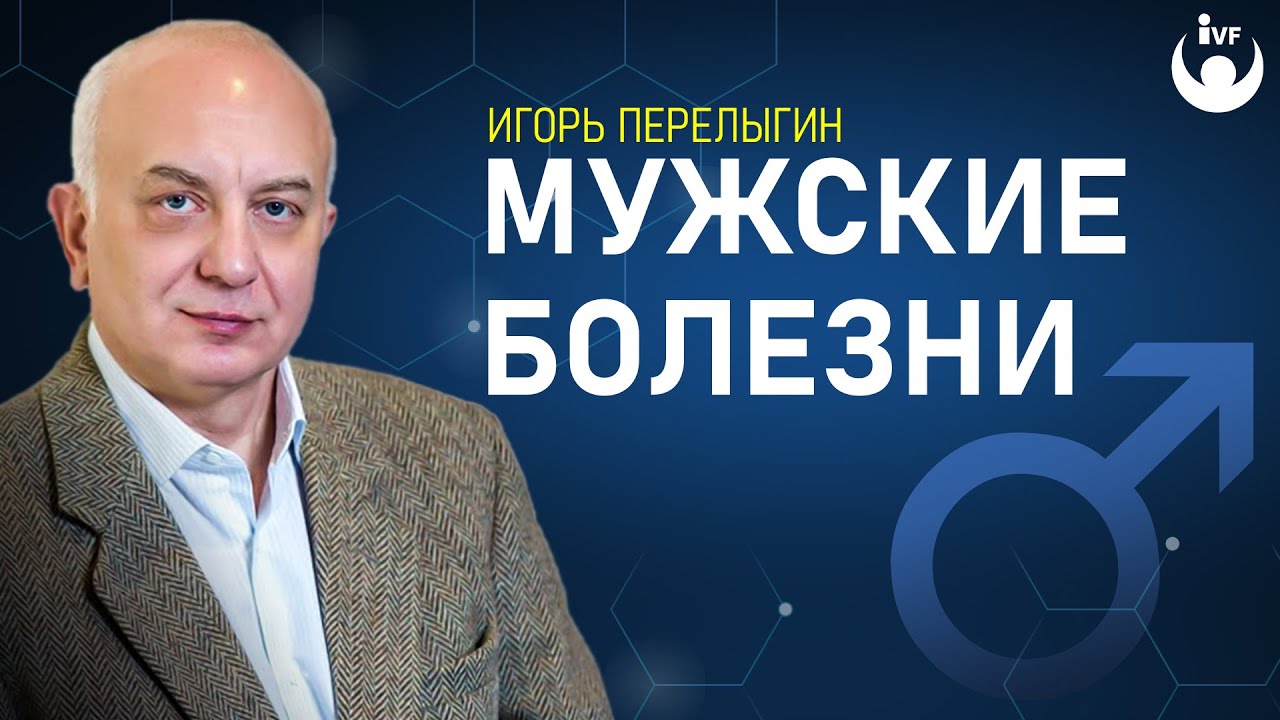
Igor Perelygin on male infertility, male dysfunction, and decreased sperm quality
ED can be caused by various physical and psychological factors, such as cardiovascular diseases, diabetes, stress, depression, and others. This disorder can be temporary or permanent and can affect the quality of life of the man and his partner.
The treatment of ED depends on its underlying cause. In some cases, lifestyle changes may be necessary, such as quitting smoking or reducing alcohol consumption. Medication may also be prescribed, such as pills to enhance potency or injections into the penis.
In some cases, psychotherapy or counseling with a sexologist may be required to address emotional issues that may be related to ED.
It is important to note that ED can be a sign of more serious health conditions, so it is crucial to consult a doctor for diagnosis and treatment. A specialist may order additional tests to identify the cause of ED and prescribe the most effective treatment.
Erectile dysfunction can be successfully treated, and men should not hesitate to seek help. Treatment can improve quality of life and relationships with a partner.
The primary cause of varicocele is impaired blood flow in the scrotal veins, leading to their enlargement and the formation of nodules. This can be due to genetic factors, developmental abnormalities, or injuries in the scrotal area.
Varicocele can result in impaired testicular function and reduced testosterone levels, which may lead to erectile problems, decreased libido, and infertility. Therefore, it is important to consult a doctor at the first signs of varicocele.
Diagnosis of varicocele is conducted using an ultrasound examination of the scrotum. Treatment can be conservative or surgical. Depending on the degree of vein enlargement and the presence of symptoms, a doctor may recommend observation, wearing a special support garment, or surgery.
Varicocele does not pose a life-threatening risk but can lead to serious consequences if not properly treated. Therefore, it is important to see a doctor at the first signs of this condition and follow their treatment recommendations.
The main cause of prostatitis is an infection that can enter the prostate through the urinary tract or bloodstream. The risk of developing the condition increases with the presence of other urogenital system diseases, a sedentary lifestyle, stress, and poor diet.
Symptoms of prostatitis may include pain and discomfort in the perineal area, frequent and painful urination, reduced sexual function, and pain during ejaculation. In cases of acute prostatitis, there may be a high fever and a feeling of weakness.
Diagnosis of prostatitis is conducted through urine and blood tests, prostate secretion analysis, and ultrasound examination. Treatment may include antibiotics, anti-inflammatory and pain-relieving medications, prostate massage, and lifestyle changes.
It is important to consult a doctor at the first signs of prostatitis, as the condition can progress and lead to serious complications, such as a prostate abscess or dysfunction of the urogenital system.
To conduct a spermogram, semen must be collected in a sterile container after 3-5 days of sexual abstinence. The semen sample is then examined under a microscope, evaluating parameters such as sperm count, motility, shape, and structure.
Normal spermogram parameters include a sperm concentration of more than 15 million per milliliter of semen, motility of more than 40%, and normal shape and structure in more than 4% of sperm.
A spermogram can help identify the cause of male infertility, such as low sperm quality or insufficient quantity. It can also be used to assess the effectiveness of infertility treatment and predict the chances of conception.
It is important to understand that spermogram results can be temporarily reduced due to stress, illness, or certain medications. Therefore, it is recommended to repeat the test after a few weeks for more accurate results.
If you are having trouble conceiving a child, consult a doctor for a spermogram and further treatment. In most cases, with the help of modern diagnostic and treatment methods, male infertility can be successfully overcome.
The laser circumcision procedure is usually performed under local or general anesthesia. The laser beam is used to remove excess skin and tissue, after which the wound is treated and sutured.
However, like any other surgical procedure, laser circumcision also has its risks. These may include the risk of infection, bleeding, swelling, pain, and even changes in penile sensitivity. Additionally, the recovery process after laser circumcision may be longer and more painful than after traditional circumcision.
Patients considering laser circumcision should discuss all the pros and cons of this method with their doctor. They should be informed about the possible risks and complications, as well as the expectations for the recovery process. Only after thorough discussion with a specialist can a patient make an informed decision regarding undergoing laser circumcision.
Medical indications for circumcision may include phimosis (the inability to retract the foreskin of the penis), paraphimosis (a condition where the foreskin gets stuck behind the glans), or recurrent urinary tract infections.
From the perspective of religious and cultural practices, circumcision may be performed in accordance with the religious rites or traditions of certain cultures.
The surgical operation is usually performed under general or local anesthesia and may require several days for full recovery. After the procedure, special hygiene must be maintained, and the healing of the wound should be monitored.
Like any other surgical procedure, circumcision is not without risks and should therefore be performed only after thorough discussion with a doctor and evaluation of the benefits and risks.
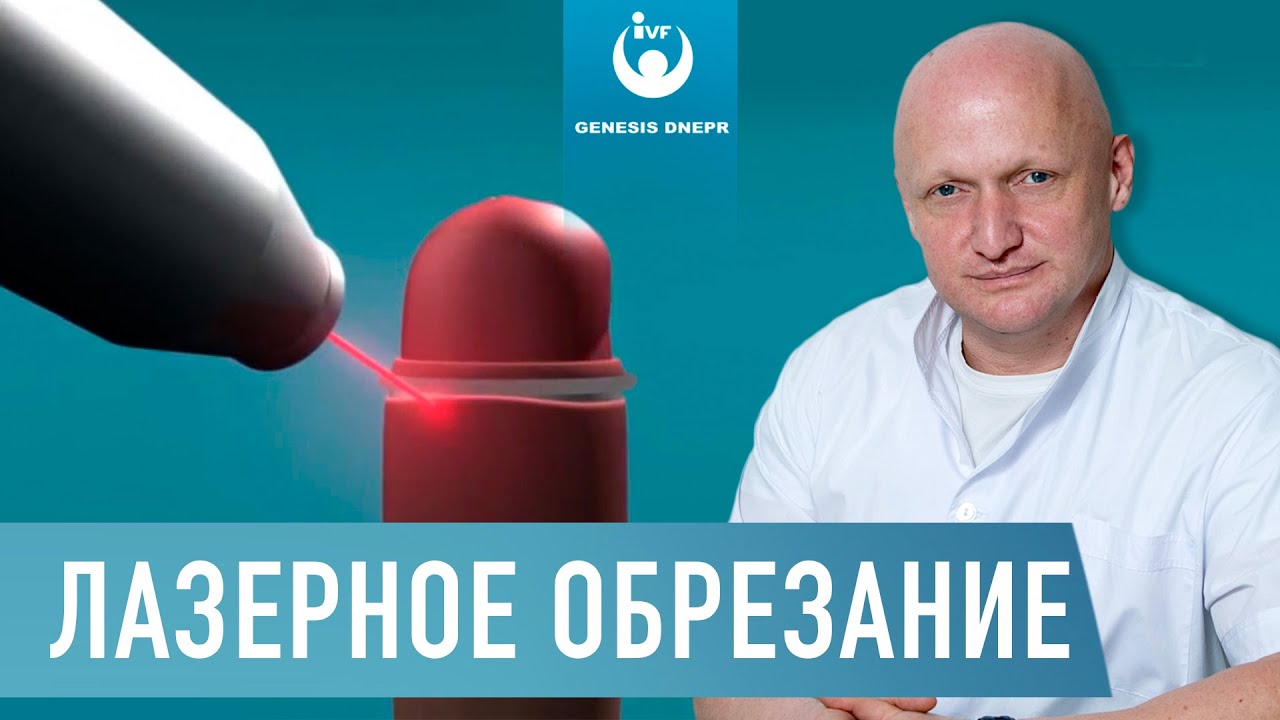
Circumcision, laser circumcision for men without blood and pain | Surgeon Shevtsov A.N.
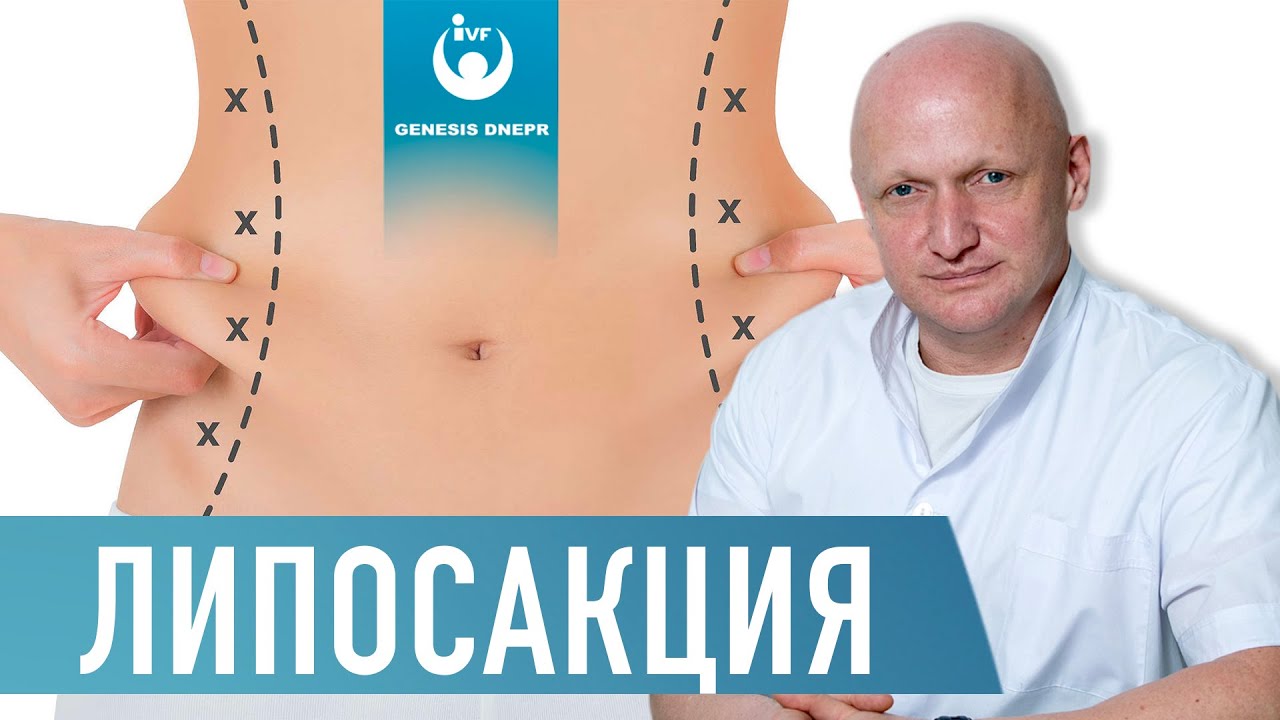
Liposuction is a cosmetic surgical procedure that removes excess fat from specific areas of the body. There are different types of liposuction techniques, including laser liposuction, vibroliposuction, and ultrasonic liposuction. Each method uses different technologies to break down and remove fat cells.

Bioidentical therapy, pellets, bioidentical hormones. Interview with Dr. Igor Perelygin.
Igor Perelygin on male infertility, male dysfunction, and decreased sperm quality

Plasmapheresis, or plasma blood purification, is a medical procedure that involves removing plasma from the blood to treat various health conditions. It is often used to remove harmful substances or antibodies from the bloodstream. Genesis Dnepr Clinic offers this treatment.

Food intolerance. Food allergy. Examination. Therapist at Genesis Dnepr Clinic.
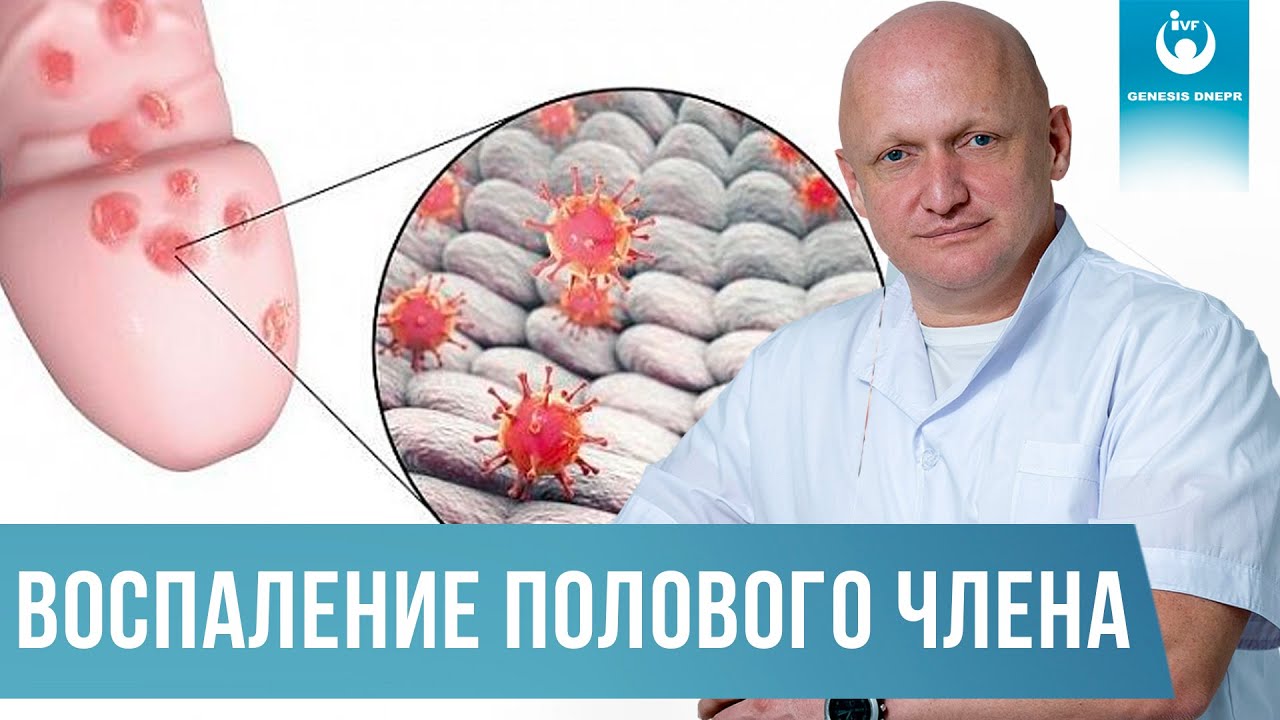
Balanoposthitis, inflammation of the penis. Stories of Surgeon Shevtsov
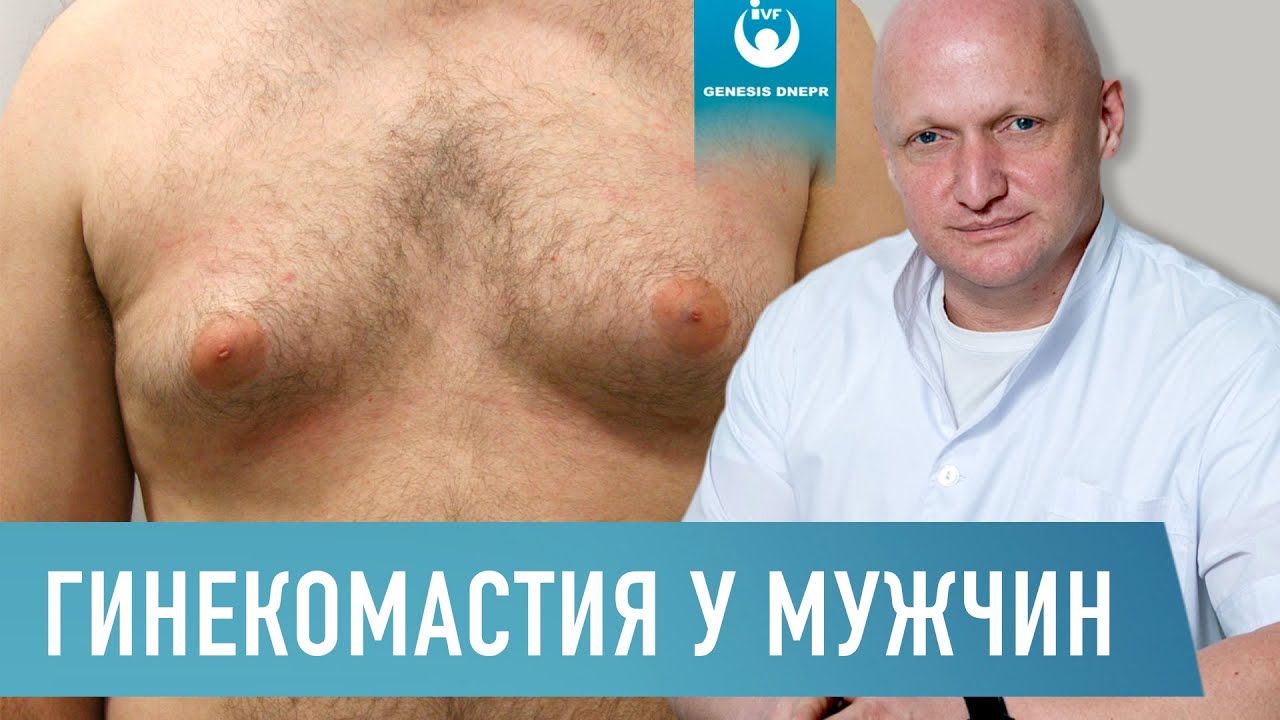
Gynecomastia in Men: Causes, Symptoms, Consequences, Treatment Methods | Surgeon Shevtsov
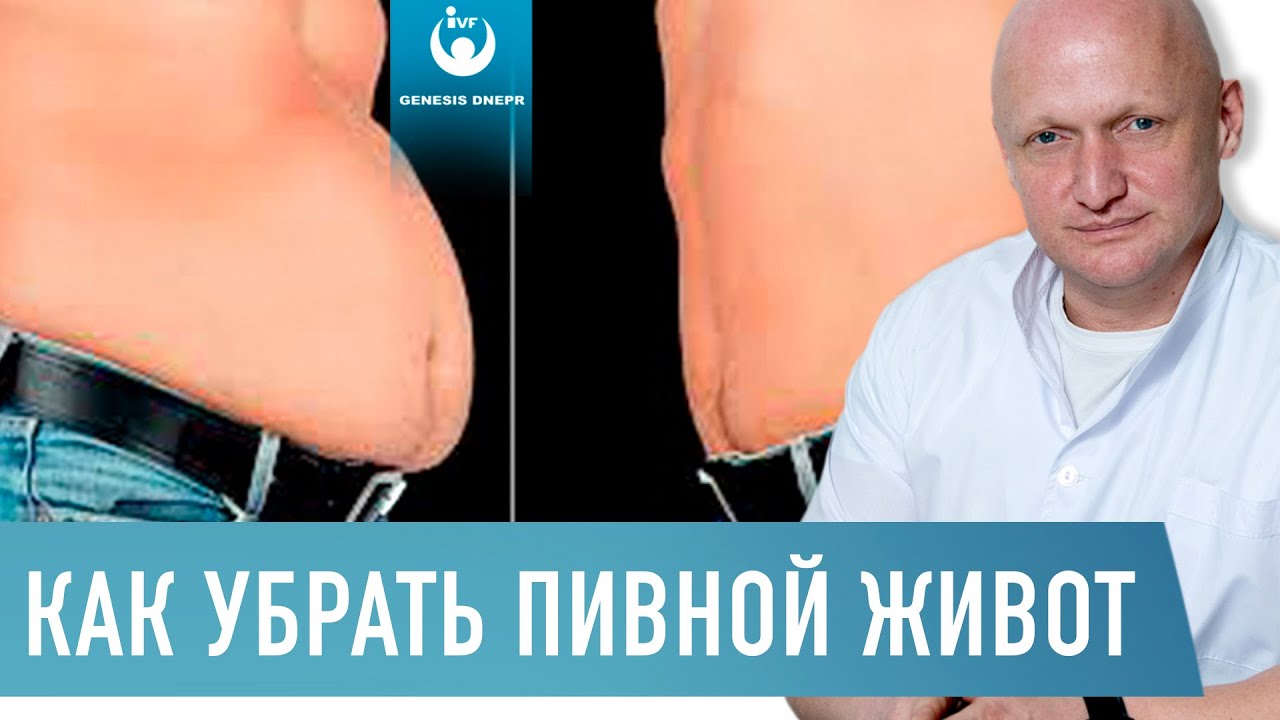
Tummy tuck for men. Abdominoplasty. How to get rid of a beer belly in one day. Surgeon Shevtsov.
1. ЗАПИС ПО ТЕЛЕФОНУ:
+38(067) 544-68-282. ЗАПИСЬ ЧЕРЕЗ АНКЕТУ:
Анкета слугує для попереднього знайомства лікаря з медичною інформацією про Вас та дає можливість записатися на платну чи безкоштовну консультацію ...
The IVF with DG process involves obtaining donor gametes and fertilizing them in a laboratory. The resulting embryos are then transferred to the woman's uterus for growth and development.
The su...
The IVF with DG process involves obtaining donor gametes and fertilizing them in a laboratory. The resulting embryos are then transferred to the woman's uterus for growth and development.
The success of IVF with DG can depend on various factors, such as the woman's age, the quality of the donor gametes, and overall health.
долгота: 35.0320729


