
CONCEPTION, PREGNANCY, CHILDBIRTH (CESAREAN SECTION) - ALL IN ONE PLACE
This approach significantly increases the chances of having a healthy baby!
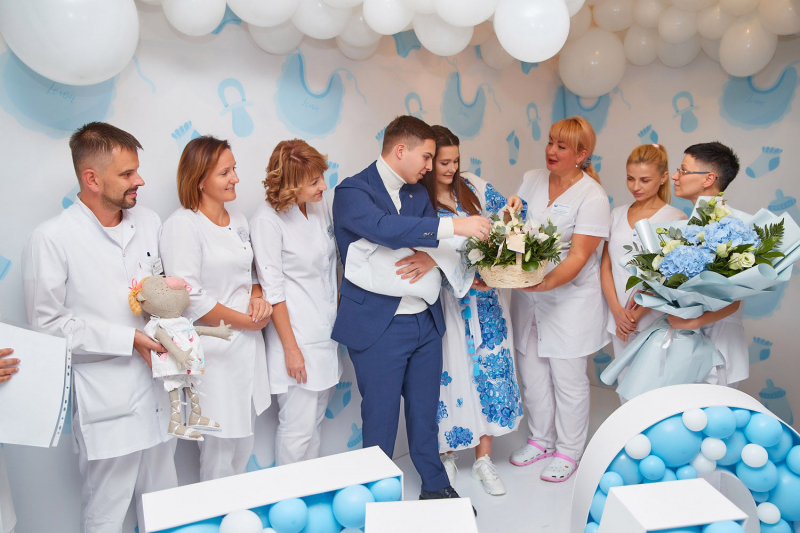
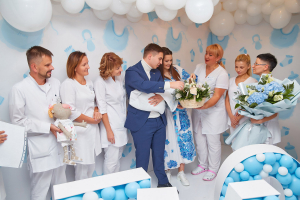
For over twenty years, we have been helping people conceive and give birth to healthy children. Thanks to the specialists at our clinic, more than 4,000 IVF babies have been born. We attribute the high success rate of our IVF programs to our stable team of professionals, the use of all modern technologies, and importantly,...
CONCEPTION, PREGNANCY, CHILDBIRTH (CESAREAN SECTION) - ALL IN ONE PLACE
This approach significantly increases the chances of having a healthy baby!
For over twenty years, we have been helping people conceive and give birth to healthy children. Thanks to the specialists at our clinic, more than 4,000 IVF babies have been born. We attribute the high success rate of our IVF programs to our stable team of professionals, the use of all modern technologies, and importantly, the friendly and caring attitude of all our clinic staff towards you.
WE ALSO OFFER A PROGRAM FOR THE CRYOPRESERVATION OF GAMETES AND EMBRYOS
- Treatment effectiveness is over 50% with a single IVF attempt.
- We work with patients over 40 years old, as well as those who have had multiple unsuccessful IVF attempts.
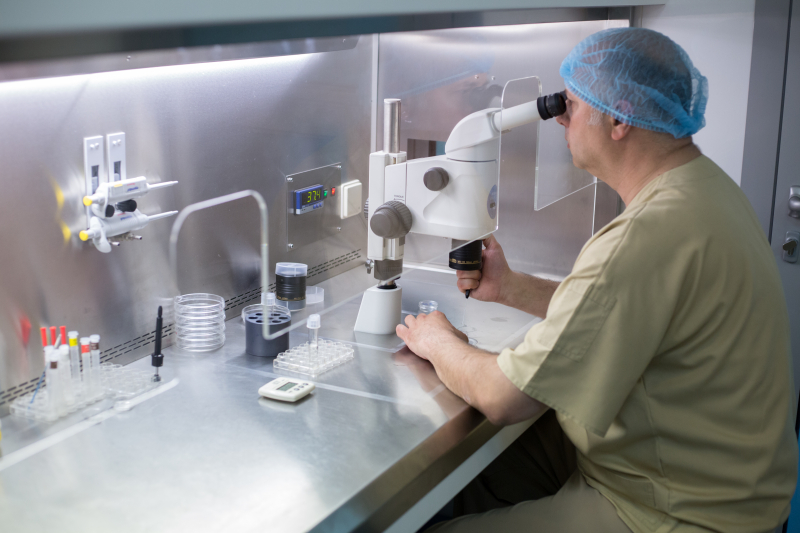
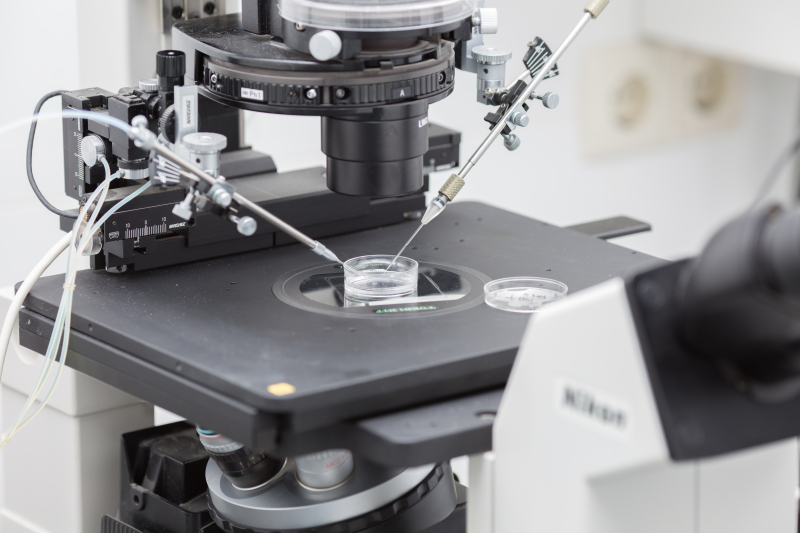
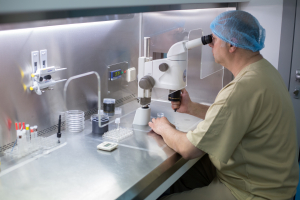
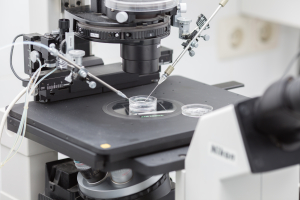
- Our unique embryology laboratory is equipped with world-standard equipment.
- We use only original medical drugs.
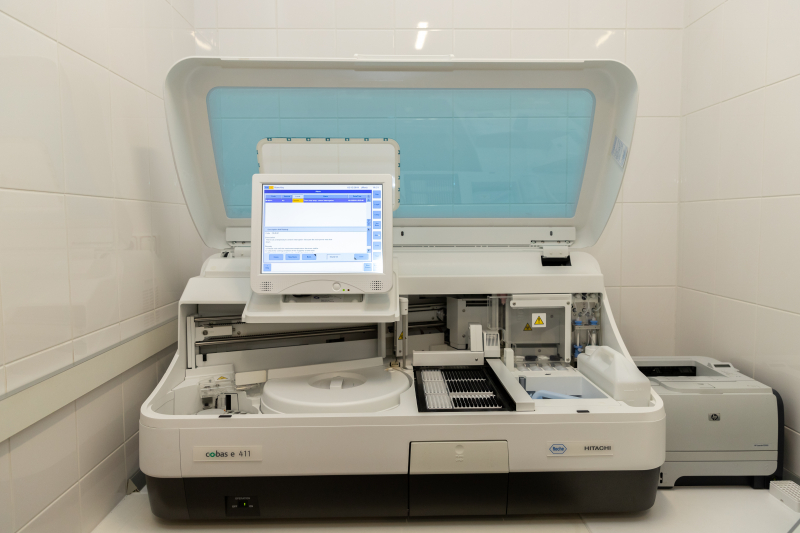
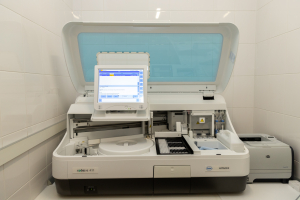
- We have our own clinical diagnostic laboratory.
- We provide legal support.
- The clinic is designe...
- Treatment effectiveness is over 50% with a single IVF attempt.
- We work with patients over 40 years old, as well as those who have had multiple unsuccessful IVF attempts.
- Our unique embryology laboratory is equipped with world-standard equipment.
- We use only original medical drugs.
- We have our own clinical diagnostic laboratory.
- We provide legal support.
- The clinic is designed for a small number of patients, allowing us to create exclusive conditions for each patient.
- Multifunctional medical care: from related medical specialists to a fully equipped operating room.
- We use cordyceps, Milan cocktail, and biopellets to enhance treatment effectiveness.
WE OFFER ALL POSSIBLE TYPES OF INFERTILITY TREATMENT:
1. ENDOSCOPIC SURGERY FOR WOMEN (restoration of fallopian tube patency, removal of fibroid nodes)
2. MAR MAR SURGERY FOR MEN with varicocele
3. RESTORATION OF ENDOCRINE AND METABOLIC DISORDERS. Polycystic ovary syndrome. Obesity
4. INCREASING SPERM ACTIVITY AND OVARIAN RESERVE
5. TREATMENT OF ERECTILE DYSFUNCTION
6. IN VITRO FERTILIZATION
7. DONATION OF GAMETES
8. USE OF BIOIDENTICAL PELLETS
9. CRYOPRESERVATION AND STORAGE OF GAMETES

Perelygin Igor Veniaminovich
Obstetrician-gynecologist of the highest category, Ph.D., andrologist, therapist, specialist in bioidentical therapy. Founder and head of the "GENESIS DNIPRO" clinic. Member of the Ukrainian and European Society of Reproduction and Embryology (ESHRE). IMPLEMENTATION OF THE PRINCIPLE: "FROM CONCEPTION TO BIRTH"
REPRODUCTIVE MEDICINE. ANDROLOGY. THERAPY. GENERAL AND ENDOCRINE GYNECOLOGY. CLIMACTERIC DISORDERS. BLADDER DISEASES. WEIGHT LOSS. OZEMPIC

Argat Taras Grigorievich
Obstetrician-gynecologist of the 1st category, reproductive specialist. Head of the ART department. Member of the European Society of Human Reproduction and Embryology (ESHRE).
Assisted reproductive technologies, female infertility, general gynecology.

Pastushenko Alexander Stanislavovich
Doctor of Embryology and Genetics of the highest category. Member of the European Society of Human Reproduction and Embryology (ESHRE). Specialization: embryology and genetics.
Embryology and genetics.

Kostenko Vitaliy Grigoryevich
Obstetrician-gynecologist of the highest category.
OBSTETRICS: PREGNANCY CARE, CHILDBIRTH, CESAREAN SECTION GYNECOLOGY: DISEASES OF THE UTERUS AND ENDOMETRIUM, OVARIES, PREGNANCY TERMINATION MENSTRUAL CYCLE DISORDERS CYSTITIS

Fedoruk Natalya Sergeevna
Obstetrician-gynecologist.
OBSTETRICS AND GYNECOLOGY, PREGNANCY CARE, CHILDBIRTH, INTIMATE REJUVENATION, AESTHETIC GYNECOLOGY AND PRP THERAPY, INFERTILITY TREATMENT...

Pilipets Valentina Andreevna
Obstetrician-gynecologist of the highest category
GENERAL GYNECOLOGY, CERVICAL TREATMENT, ONCOGYNECOLOGY, PEDIATRIC GYNECOLOGY, ULTRASOUND OF THE BREAST AND THYROID GLAND, CLIMACTERIC DISORDERS AND OSTEOPOROSIS ...




About IVF children, the infertility treatment clinic, and the private maternity hospital "Genesis Dnipro"
1. Superovulation: The woman is prescribed medications to stimulate the growth of multiple eggs in one cycle. This increases the chances of successful fertilization.
2. Egg retrieval: Once the eggs reach a certain size, they are extracted from the woman's ovaries using a needle guided through the vagina and under ultrasound control.
3. Fertilization: The man's sperm is mixed with the eggs in a laboratory to achieve fertilization. Several fertilization methods can be used, including conventional IVF or intracytoplasmic sperm injection (ICSI), where a sperm is directly injected into an egg.
4. Embryo culture and transfer: The fertilized eggs (embryos) are cultured in the laboratory for several days, and then one or more embryos are transferred into the woman's uterus using a thin catheter.
5. Pregnancy support: After the embryo transfer, the woman may be prescribed medications to support the pregnancy, such as progesterone, to help maintain the pregnancy.
The IVF procedure can be effective for many couples facing infertility issues. However, it can also be costly and requires physical and emotional preparation. The outcomes of IVF can vary for each couple, and pregnancy is not always guaranteed.
1. Treating the underlying condition: If endocrine or metabolic disorders are caused by a specific condition, such as polycystic ovary syndrome (PCOS), thyroid issues, or diabetes, treating that condition may help restore normal ovarian function.
2. Lifestyle changes: Making lifestyle changes, such as adopting a healthy diet, engaging in physical activity, reducing stress, and avoiding harmful habits, can positively impact the endocrine system and metabolism.
3. Medications for ovarian stimulation: In cases where the ovarian reserve is insufficient, medications may be prescribed to stimulate egg growth. This can help increase the number of eggs available for fertilization.
4. IVF with donor eggs: In some cases, where the ovarian reserve is extremely low or absent, the use of donor eggs for IVF may be recommended.
5. Vitamins and dietary supplements: Some studies suggest that certain vitamins and dietary supplements may help improve ovarian reserve and function. However, it is essential to consult a doctor before starting any supplements.
Each case is individual, and the approach to restoring endocrine and metabolic disorders in women should be determined by a doctor, taking into account the specific characteristics of each patient.
1. Treating the underlying condition: If in...
1. Treating the underlying condition: If infertility is caused by a specific condition such as varicocele, infections, or hormonal imbalances, treating that condition may help restore normal reproductive function.
2. Lifestyle changes: Making lifestyle changes such as adopting a healthy diet, engaging in physical activity, reducing stress, and quitting harmful habits can positively affect sperm quality and reproductive function.
3. Medications to stimulate spermatogenesis: In some cases, medications may be prescribed to stimulate sperm production, which can help increase the quantity and quality of sperm.
4. Intracytoplasmic sperm injection (ICSI): In cases where the quantity and/or quality of sperm is insufficient for natural conception, the ICSI procedure may be recommended, where sperm is injected directly into the egg.
5. Use of donor sperm: In some cases, when infertility is due to the absence of sperm or the presence of genetic disorders, the use of donor sperm for fertilization may be recommended.
IUI may be recommended in cases where a man has issues with sperm quality or quantity, but they are not severe enough to require IVF. This method can also be effective for couples who are unable to conceive naturally.
The IUI procedure includes the following steps:
1. Sperm preparation. The husband's sperm is collected and undergoes special processing to improve its quality.
2. Determining the time of ovulation. The woman must determine her ovulation time using ovulation tests or other methods.
3. Introduction of sperm into the uterus. During ovulation, the woman undergoes an intrauterine injection procedure, where sperm is introduced into her uterus using a special catheter.
4. Rest and observation. After the procedure, the woman is advised to rest for a few minutes and then can return to her normal activities. A pregnancy test is conducted a few weeks after IUI.
IUI can be effective in cases where infertility is caused by issues with the husband's sperm, such as low count or motility. However, this method does not guarantee success and may require several attempts to achieve pregnancy.
It is important to understand that IUI is not suitable for all cases of infertility and may be ineffective if the woman has issues with her eggs or fallopian tubes. This method also has its limitations and risks, so it is necessary to consult with a medical specialist before proceeding.
In conclusion, intrauterine insemination is one of the methods of treating infertility in men and women. It can be effective in certain cases and may be recommended as an alternative to IVF. However, it is essential to consult with a medical specialist and choose the most appropriate treatment method for each specific case.
In the case of IVF-DC, donor eggs or sperm are used for fertilization outside the body (in a laboratory). The resulting embryos are then transferred to the uterus of the woman who will carry and give birth to the child.
The IVF-DC program may be recommended in the following cases:
- The woman has no eggs or they are of low quality.
- The man has no sperm or they are of low quality.
- The couple has hereditary diseases that they do not want to pass on to their child.
- Previous IVF attempts have not resulted in pregnancy.
The IVF-DC program requires thorough preparation and the consent of both partners. Donor eggs and sperm can be obtained from a donor bank or from a known donor, if permitted by law.
The IVF-DC program is an effective method of infertility treatment, but it can also raise emotional and ethical questions that the couple must be prepared to address. Therefore, it is important to receive support and consultation from a specialist before starting the IVF-DC program.
Surrogacy may be recommended in the following situations:
- The woman does not have a uterus or has medical issues that prevent her from carrying a pregnancy.
- Previous IVF attempts have not resulted in pregnancy or have ended unsuccessfully.
- The couple has hereditary diseases that they do not want to pass on to their child.
Surrogacy can raise complex emotional and ethical questions, and the couple must be prepared for this. Therefore, it is important to receive support and consultation from a specialist before starting the surrogacy process.
Cryopreservation of sperm can be beneficial for men undergoing chemotherapy or radiotherapy, which may affect the quality and quantity of their sperm. It can also be useful for men working in hazardous conditions or those planning to undergo a vasectomy but wish to retain the possibility of having children in the future.
Cryopreservation of eggs can be advantageous for women who plan to delay pregnancy or who will undergo treatments that may impact the quality and quantity of their eggs. It can also be beneficial for women undergoing surgery to remove their ovaries or those with genetic conditions that may affect their ability to conceive in the future.
The process of cryopreserving sperm and eggs involves collecting the biological material and treating it with special solutions to protect the cells from damage during freezing. The biological material is then placed in special containers and frozen at very low temperatures, typically around -196 degrees Celsius. Special containers filled with liquid nitrogen are used for storage.
When the cryopreserved material is needed, it is thawed and can be used for artificial insemination procedures, such as ICSI (intracytoplasmic sperm injection) or IVF (in vitro fertilization).
Cryopreservation of sperm and eggs is a safe and effective procedure that can help many people achieve their dream of parenthood. However, like any medical procedure, it has its risks and limitations, so it is important to consult with a doctor and discuss all possible consequences before deciding on cryopreservation.
The process of embryo cryopreservation begins with IVF (in vitro fertilization), where eggs and sperm are combined in laboratory conditions to create an embryo. The embryo then develops for several days to the blastocyst stage, at which point it is ready for cryopreservation.
Special solutions are used for embryo cryopreservation to protect the cells from damage during freezing. The embryos are placed in special containers and frozen at very low temperatures, usually around -196 degrees Celsius. After this, they are stored in special tanks filled with liquid nitrogen.
When the use of cryopreserved embryos is needed, they are thawed and transferred to the woman's uterus to continue the pregnancy.
Embryo cryopreservation is a safe and effective procedure that can help many couples achieve their dream of parenthood. However, like any medical procedure, it has its risks and limitations, so it is important to consult with a doctor and discuss all possible consequences before deciding on cryopreservation.
About IVF children, the infertility treatment clinic, and the private maternity hospital "Genesis Dnipro"
Igor Perelygin on male infertility, male dysfunction, and decreased sperm quality
INFERTILITY TREATMENT or IVF? Which is better for a woman's health?
Bioidentical therapy, pellets, bioidentical hormones. Interview with Dr. Igor Perelygin.
How does preparation for IVF affect a woman's health?
INFERTILITY TREATMENT or IVF? Which is better for a woman's health?
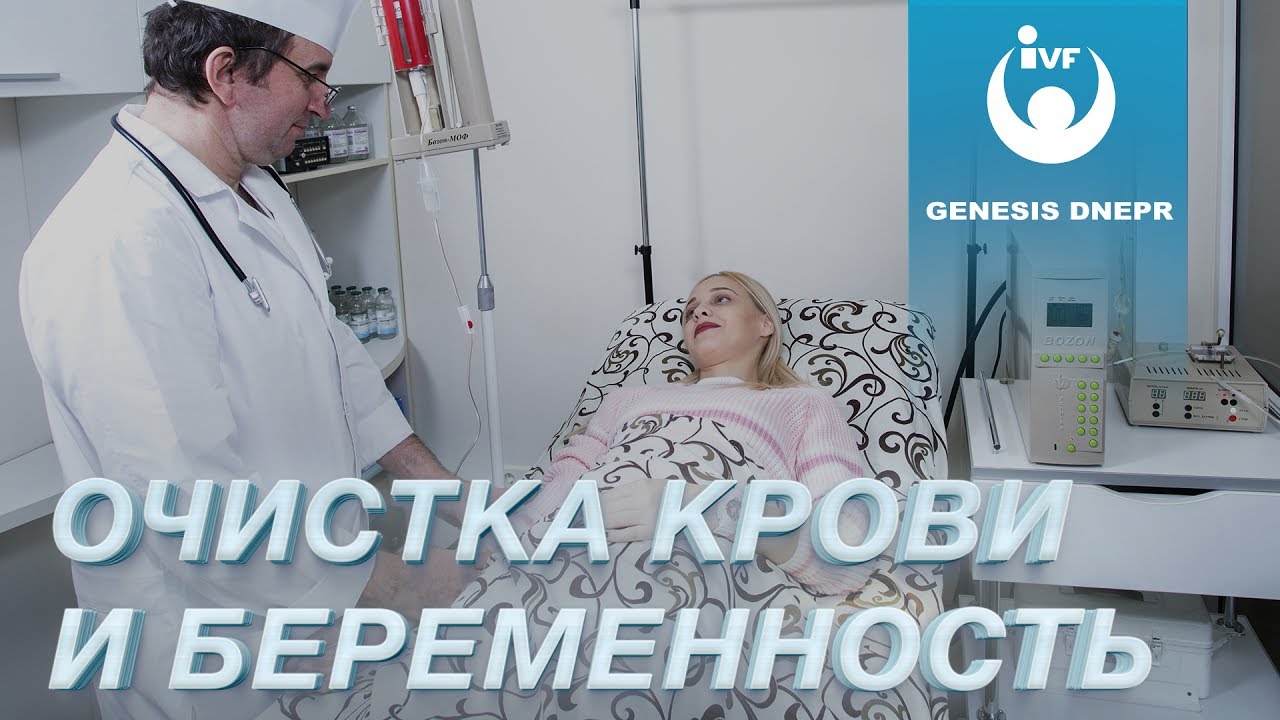
Plasmapheresis (blood purification) for pregnancy planning
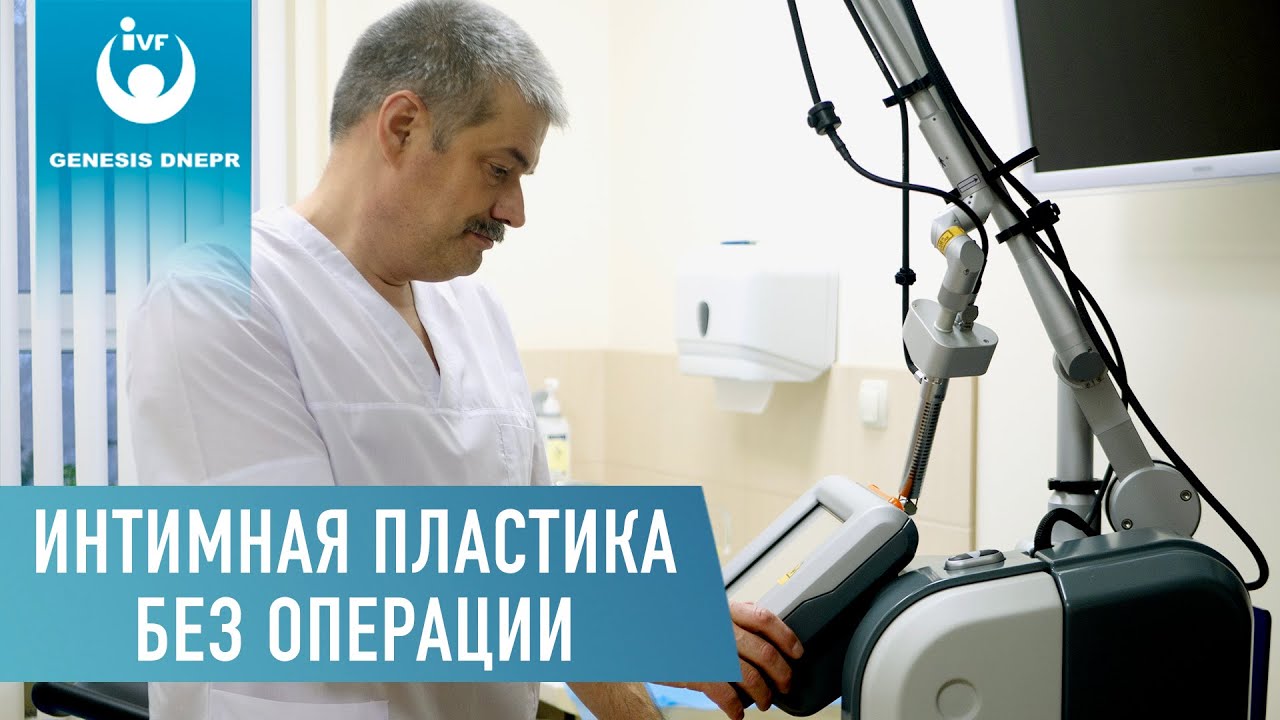
Laser intimate plastic surgery without pain and operation. Treatment of the intimate area with CO2 laser MonaLisa Touch Deka.
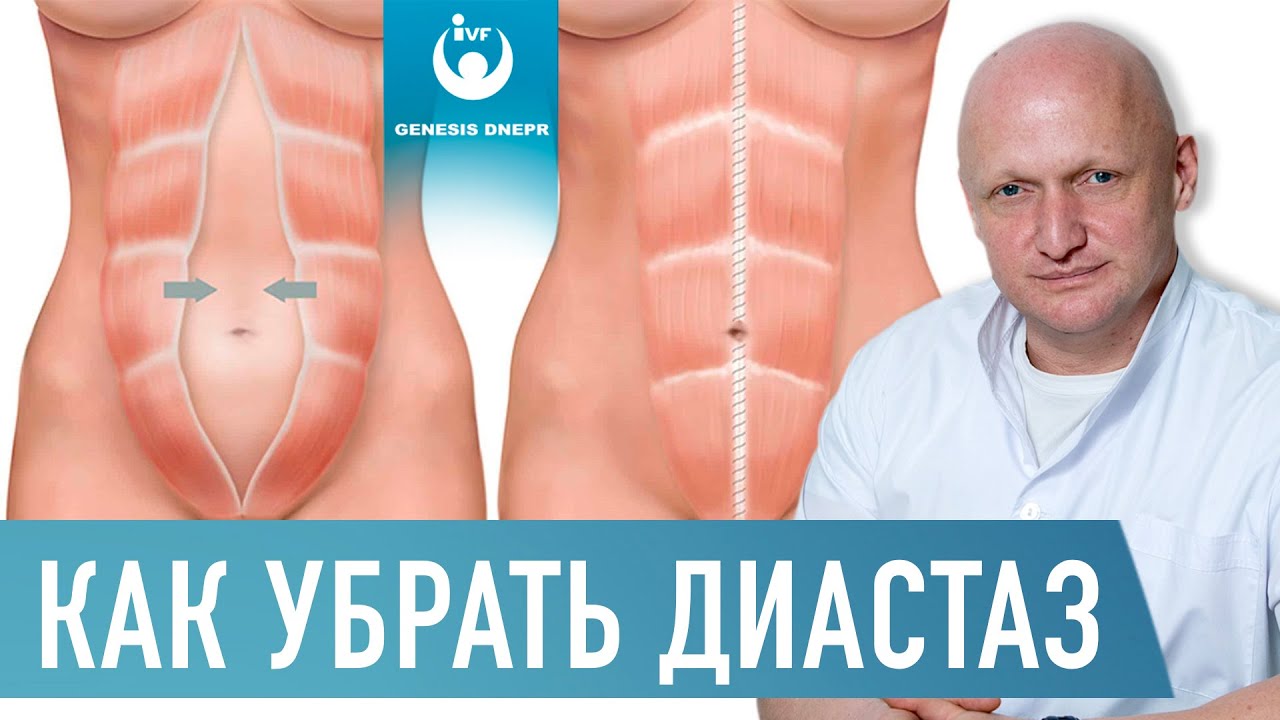
DIASTASIS (separation) of the rectus abdominis muscles. Causes, complications, treatment | Surgeon Shevtsov A.N.
1. APPUNTAMENTO TELEFONICO:
+38(067) 544-68-282. ЗАПИСЬ ЧЕРЕЗ АНКЕТУ:
Il questionario serve a far conoscere al medico le tue informazioni mediche e ti dà la possibilità di iscriverti a una consulenza gratuita o a pagamento ...
+380963701324
If you need INTRAUTERINE INSEMINATION, make an appointment with Dr. Nataliya Fedoruk or Dr. Vitaliy Kostenko by calling 0963701324.
If you need an IN VITRO FERTILIZATION program, schedule an appointment with Dr. Taras Argat by calling 0963701324.
High levels of oxidative stress in sperm can be associated with DNA damage in sperm cells, impaired motility, and functional activity. This can lead to reduced sperm quality and fertility issues.
The analysis of oxidative stress in a spermo...
High levels of oxidative stress in sperm can be associated with DNA damage in sperm cells, impaired motility, and functional activity. This can lead to reduced sperm quality and fertility issues.
The analysis of oxidative stress in a spermogram helps to identify the presence and degree of oxidative stress in sperm, which can be useful in diagnosing male infertility and selecting the optimal treatment. Additionally, this analysis can be beneficial for evaluating the effectiveness of ongoing therapy and monitoring changes in oxidative stress levels during the treatment process.
долгота: 35.0320729


