
In such cases, doctors use a wide range of gynecological and urological surgeries.
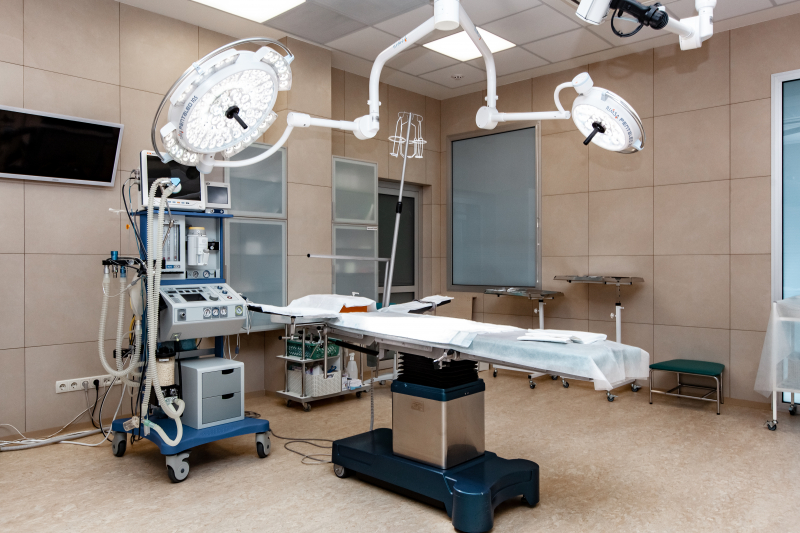
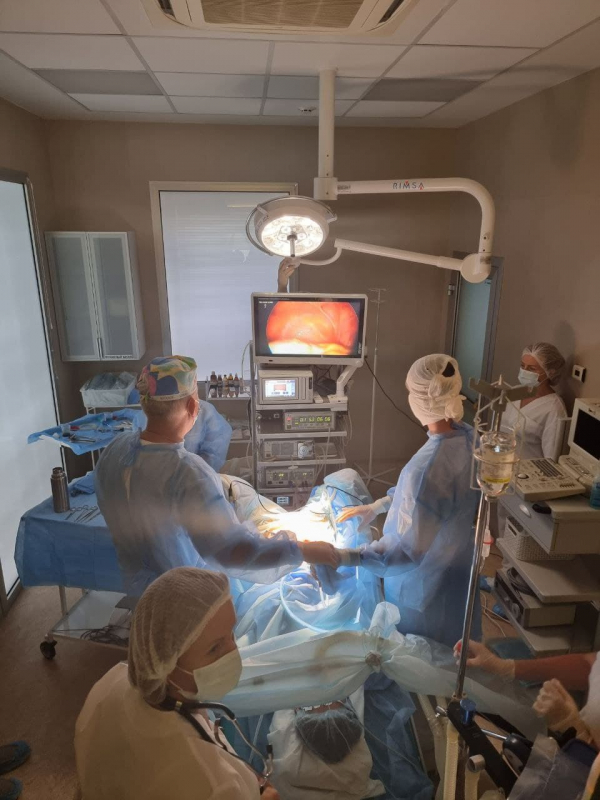
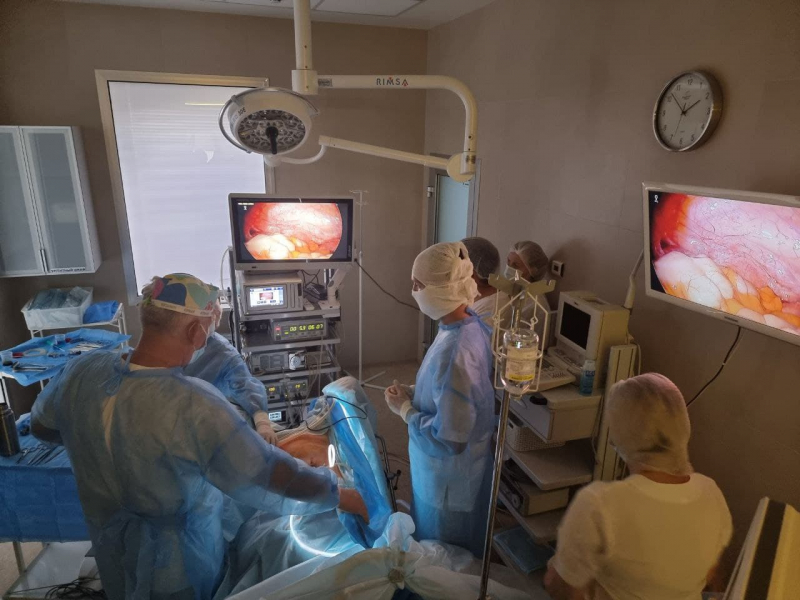
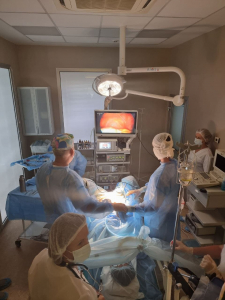
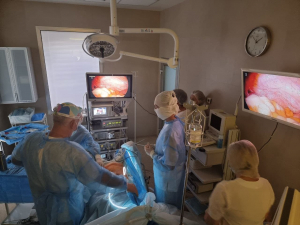
For uterine cavity pathologies such as polyps, adhesions, and submucosal fibromatous nodules, hysteroscopic surgeries are performed. Under video camera guidance, it is possible to carefully remove endometrial polyps, leiomyomas, and also perform various plastic surgeries within the uterine cavity.
Hysteros...
In such cases, doctors use a wide range of gynecological and urological surgeries.
For uterine cavity pathologies such as polyps, adhesions, and submucosal fibromatous nodules, hysteroscopic surgeries are performed. Under video camera guidance, it is possible to carefully remove endometrial polyps, leiomyomas, and also perform various plastic surgeries within the uterine cavity.
Hysteroscopy is conducted not only for therapeutic purposes but also for diagnostic purposes when a reproductive specialist needs to know the exact condition of the uterine cavity.
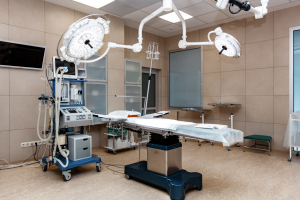
Another effective treatment method is laparoscopy. It is used for various pathologies, such as endometriosis, hydrosalpinx (fluid in the fallopian tube), and nodular uterine fibroids. Thanks to small incisions, the postoperative period is easier and faster, and there are no incision marks on the skin, which means there will be no scars in the future.
- Top-tier surgeons with at least 20 years of experience;
- In-house clinical diagnostic laboratory;
- Utilization of all modern surgical techniques;
- Organ-preserving treatment approach;
- Use of cordyceps, Milan cocktail, and biopellets for treatment efficacy;
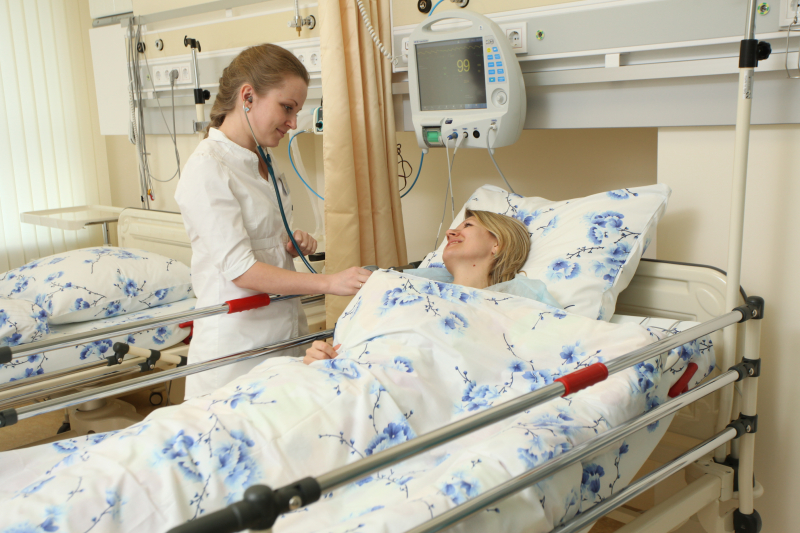
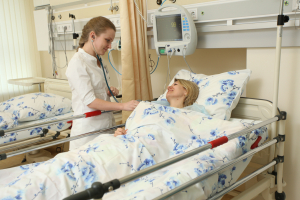
- Comfortable single occupancy rooms;
- Home-style cuisine;
- Independent sources of heat, gas, water, and electricity;
- Patient safety system with restricted access, 24-hour security, and parking.

Perelygin Igor Veniaminovich
Obstetrician-gynecologist of the highest category, Ph.D., andrologist, therapist, specialist in bioidentical therapy. Founder and head of the "GENESIS DNIPRO" clinic. Member of the Ukrainian and European Society of Reproduction and Embryology (ESHRE). IMPLEMENTATION OF THE PRINCIPLE: "FROM CONCEPTION TO BIRTH"
REPRODUCTIVE MEDICINE. ANDROLOGY. THERAPY. GENERAL AND ENDOCRINE GYNECOLOGY. CLIMACTERIC DISORDERS. BLADDER DISEASES. WEIGHT LOSS. OZEMPIC

Banakhevich Roman Mikhailovich
Obstetrician-gynecologist of the highest category, Doctor of Medical Sciences, Professor, Associate Professor of the Department of Obstetrics and Gynecology at DMU, member of the European Society of Endoscopic Surgeons and the European Board of Urogynecology, member of the Ukrainian Association of Plastic Surgeons in Gynecology.
Operative gynecology: urogynecology, gynecological plastic surgery, laparoscopy, hysteroscopy, cesarean section.

Potapov Valentin Alexandrovich
Obstetrician-gynecologist, professor, Doctor of Medical Sciences, academician of the Academy of Sciences of the Higher School of Ukraine, honored worker of science and technology of Ukraine, head of the Department of Obstetrics and Gynecology at DGMU, chairman of the Dnipropetrovsk regional branch of the Association of Obstetricians and Gynecologists of Ukraine.
Surgery in obstetrics and gynecology, endocrine gynecology, reconstructive and restorative surgery in gynecology. Management of pregnancy with extragenital pathology.

Suvarian Artem Ludvigovich
Urologist of the highest category, Candidate of Medical Sciences.
Urology, andrology, sexology. Urethral surgery, treatment of male infertility.

Antipov Gennady Vladimirovich
Surgeon of the highest category
GENERAL SURGERY, PROCTOLOGY, UROLOGY. Excision of hernias of any location. Surgical treatment of soft tissue diseases: lipoma, atheroma, fibroma, hygroma. Proctology - HAL RAR.

Glushchenko Sergey Nikolaevich
Urologist-surgeon, andrologist, oncologist, first-category doctor. 20 years of experience.
Treatment: prostate adenoma (TURP), urolithiasis, urethral stricture, prostate cancer, erectile dysfunction, kidney cysts, nephroptosis, bladder and kidney tumors, varicocele, hydrocele...




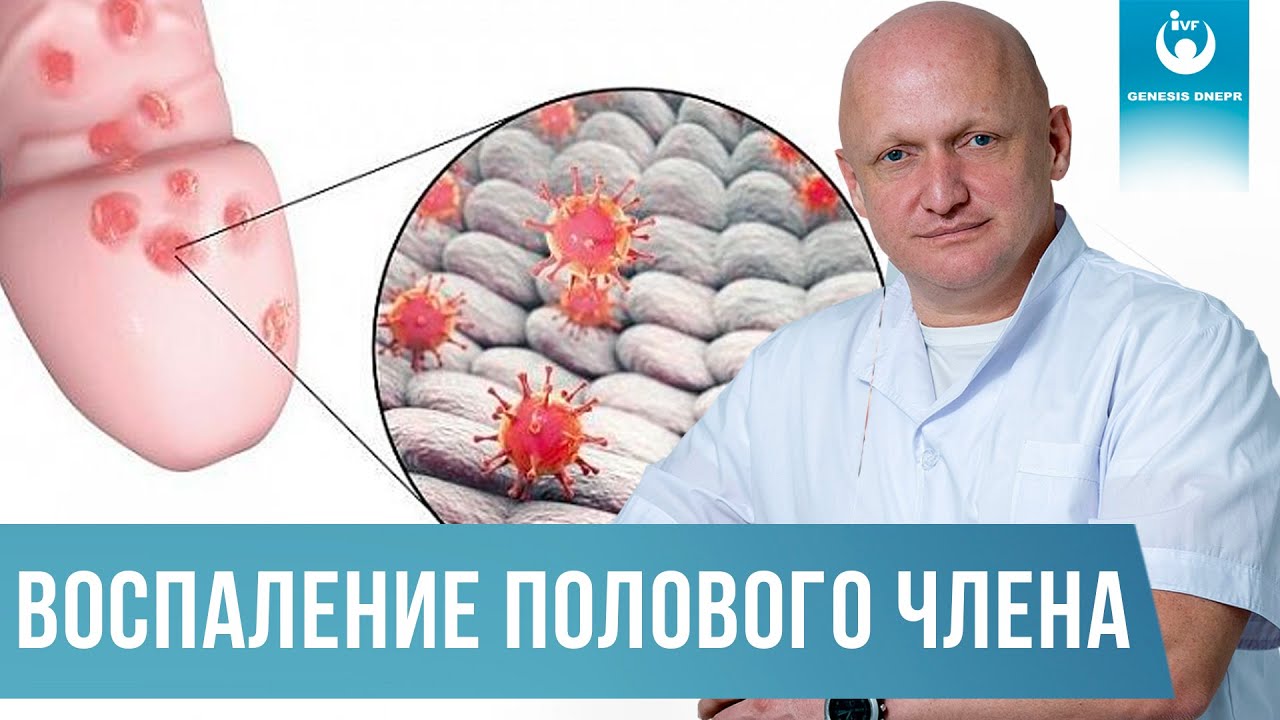
Balanoposthitis, inflammation of the penis. Stories of Surgeon Shevtsov
These surgeries can be conducted both for diagnosing and treating various conditions that may lead to infertility, as well as for improving the chances of conception.
For instance, hysteroscopy can be used to identify and remove polyps, fibroids, or other tumors in the uterine cavity that may be causing infertility. Additionally, hysteroscopy can be employed to perform surgeries to restore the patency of the fallopian tubes if they have been damaged or are obstructing the passage of sperm to the egg.
Hysteroscopic surgeries can also help identify and treat congenital abnormalities of the uterus or cervix that may hinder conception and normal pregnancy development.
These procedures are usually performed in a hospital setting under general anesthesia. Some recovery time may be required after the surgery, but in most cases, they do not significantly affect the ability to conceive and carry a pregnancy.
If you are experiencing infertility issues, consult a doctor for diagnosis and appropriate treatment, including hysteroscopic surgeries if necessary. Early detection and treatment of problems that may lead to infertility can increase the chances of successful conception and pregnancy.
These surgeries can be conducted both for diagnosing and treating various conditions that may lead to infertility, as well as for improving the chances of conception.
For instance, laparoscopy can be used to identify and remove ovarian cysts, uterine fibroids, or other pelvic tumors that may cause infertility. It can also be used to perform surgeries to restore the patency of the fallopian tubes or remove internal adhesions that may hinder conception.
Laparoscopic surgeries can also help in identifying and treating endometriosis, a condition where tissue similar to the lining of the uterus grows outside the uterus and can lead to infertility.
These procedures are usually performed in a hospital setting under general anesthesia. Some recovery time may be needed after the surgery, but in most cases, they do not significantly affect the ability to conceive and carry a pregnancy.
If you are experiencing infertility issues, consult a doctor for diagnosis and appropriate treatment, including laparoscopic surgeries if necessary. Early detection and treatment of problems that may lead to infertility can increase the chances of successful conception and pregnancy.
The cause of varicocele is related to impaired blood flow in the veins of the spermatic cord. This can occur due to weakness in the vein walls or malfunctioning valves that normally help blood move in the right direction. This leads to the formation of hardened veins, which may feel like knots or lumps.
Symptoms of varicocele can be subtle or manifest as pain, discomfort, or a feeling of heaviness in the scrotal area. Some patients may notice an increase in the size of the scrotum or irregularity in the shape of the testicle.
Treatment for varicocele may involve observation if the symptoms do not cause significant discomfort, or surgical intervention to correct the impaired blood flow. Surgery can be performed either through an open method or using endovascular techniques through small incisions in the skin.
In most cases, varicocele is not dangerous to health but can lead to fertility issues in some men. Therefore, it is important to consult a urologist for advice and to choose the most appropriate treatment.
Varicocele is a common condition that can be successfully treated. It is important to see a doctor at the first signs or concerns to avoid potential complications and fertility issues in the future.
The cause of cryptorchidism is not fully understood, but it is believed to be related to hormonal imbalances or genetic factors. In some boys, the testicles may descend into the scrotum later than usual, so it is important to consult a doctor for further monitoring.
Symptoms of cryptorchidism may be noticeable immediately after birth if the testicles are not in the scrotum. In some boys, it may become noticeable later, especially if only one testicle has not descended. In any case, it is important to see a doctor to confirm the diagnosis and choose the most appropriate treatment.
Treatment for cryptorchidism may involve surgery to move the testicle into the scrotum. This can be done through open surgery or using an endoscope through small incisions in the skin. In some cases, especially if cryptorchidism is detected early, the testicle may descend into the scrotum on its own within the first few months of life.
Although cryptorchidism can be a cause of concern for parents, in most cases it can be successfully treated. However, if left unattended, it can lead to complications such as testicular damage or fertility issues in the future.
Cryptorchidism is a common condition that can be successfully treated. It is important to consult a doctor for advice and to choose the most appropriate treatment for your child.
Symptoms of obstructive azoospermia may include the absence of sperm in the ejaculate or a low sperm count detected during a semen analysis. Men with this condition may also experience reduced fertility or infertility.
Treatment for obstructive azoospermia may involve surgical restoration of the patency of the male reproductive tract or the use of assisted reproductive techniques, such as intracytoplasmic sperm injection (ICSI). In some cases, if the obstruction cannot be resolved, a man may consider using donor sperm.
It is important to consult a doctor for the diagnosis and treatment of obstructive azoospermia. In most cases, successful treatment can lead to increased chances of conception and childbirth.
Bioidentical therapy, pellets, bioidentical hormones. Interview with Dr. Igor Perelygin.
Diabetes Treatment: An Interview with an Endocrinologist.
How does preparation for IVF affect a woman's health?

About Genesis Dnepr Clinic / Genesis Dnepr Clinic
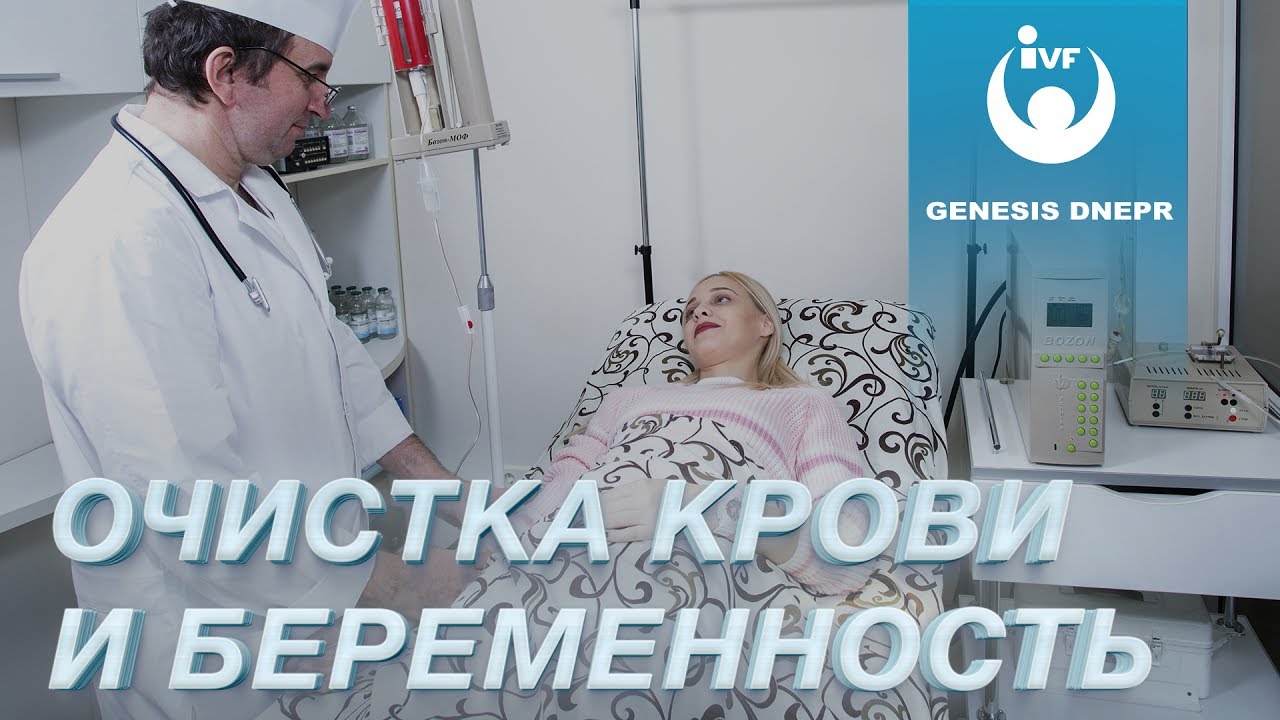
Plasmapheresis (blood purification) for pregnancy planning
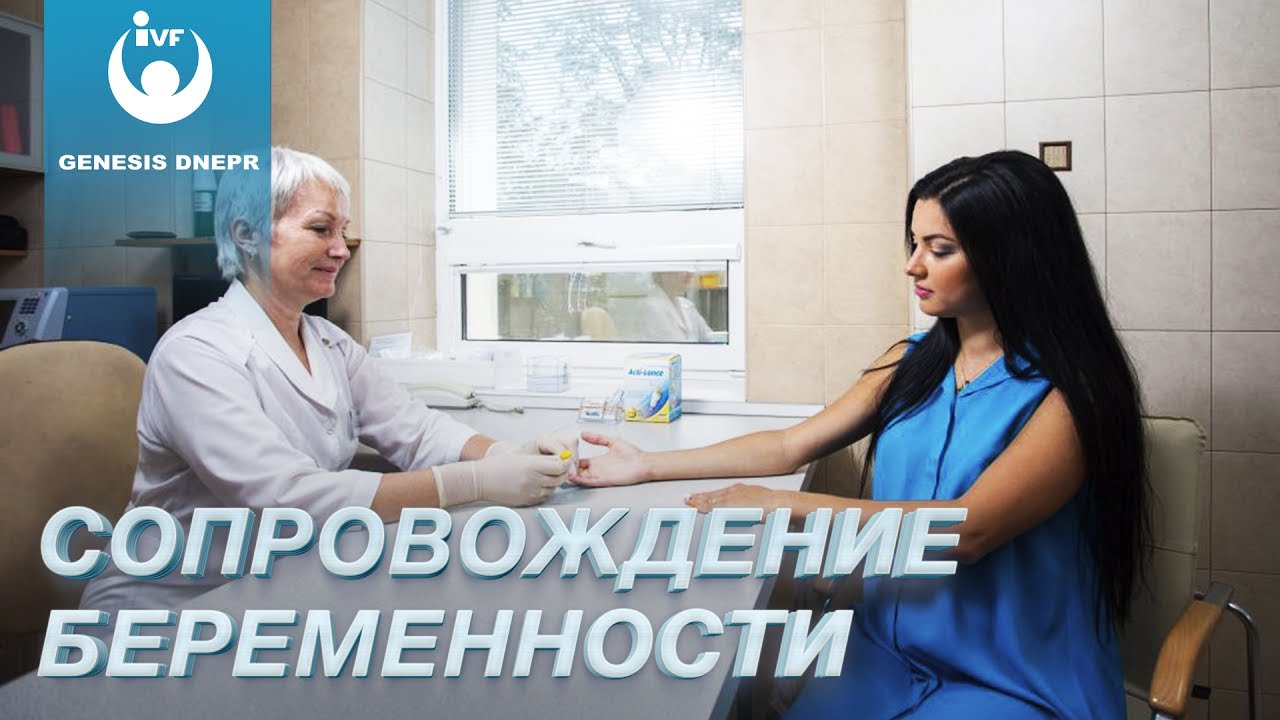
Pregnancy support / management at GENESIS DNEPR clinic. What does "all-inclusive" mean?
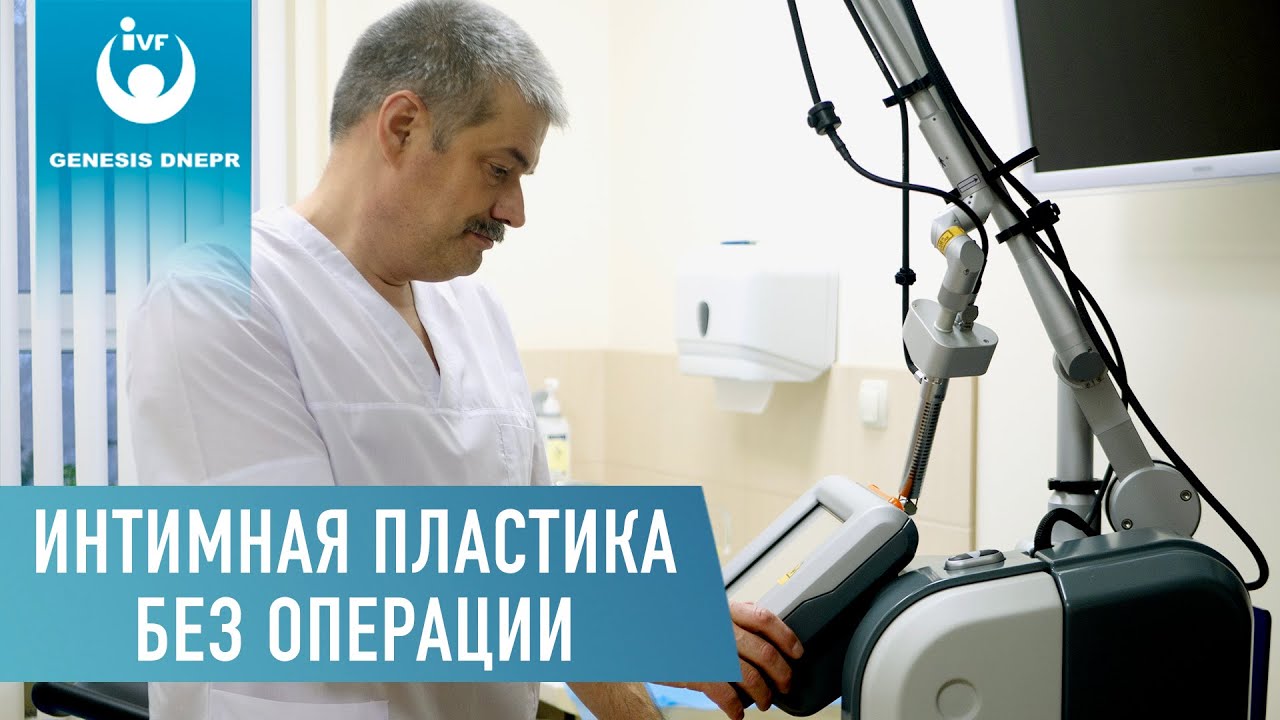
Laser intimate plastic surgery without pain and operation. Treatment of the intimate area with CO2 laser MonaLisa Touch Deka.
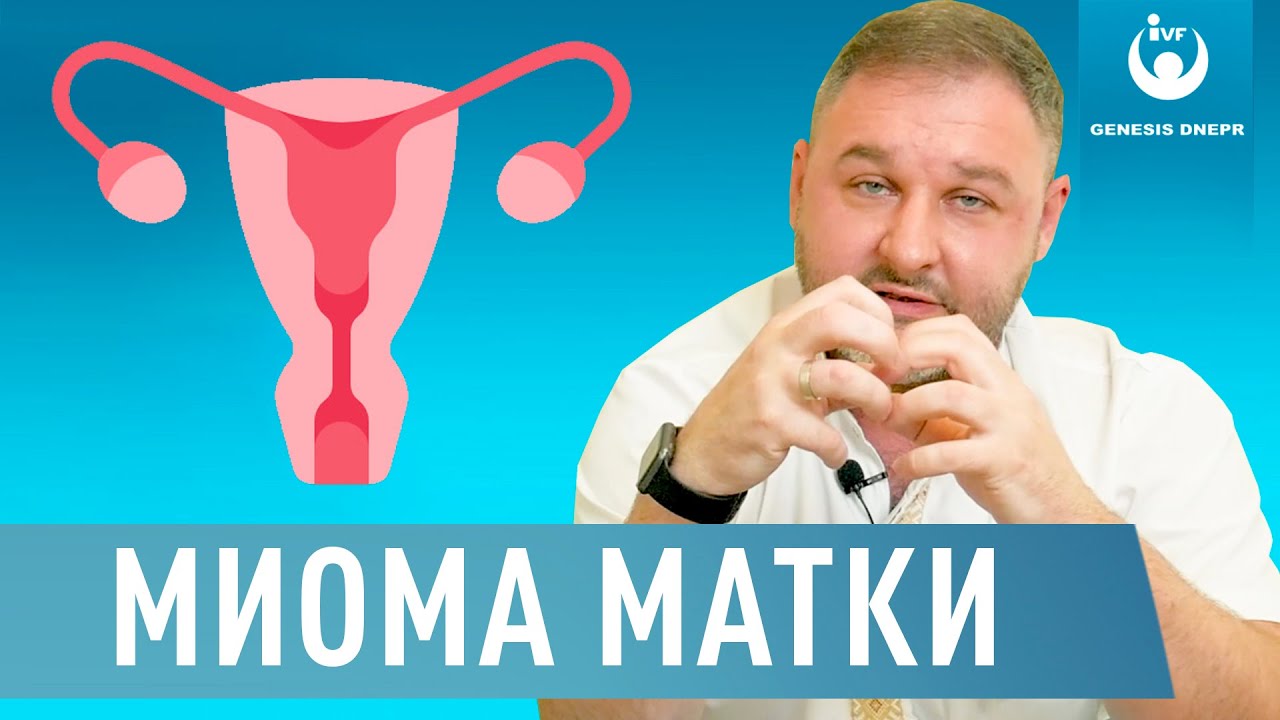
Uterine fibroids, also known as leiomyomas, are non-cancerous growths of the uterus that often appear during childbearing years. Whether to remove them or not depends on various factors, including the size and location of the fibroids, the symptoms they cause, and the patient's overall health and reproductive goals. It is best to consult with a healthcare professional, such as an obstetrician-gynecologist like Dr. Kostienko V.G., to determine the most appropriate course of action.
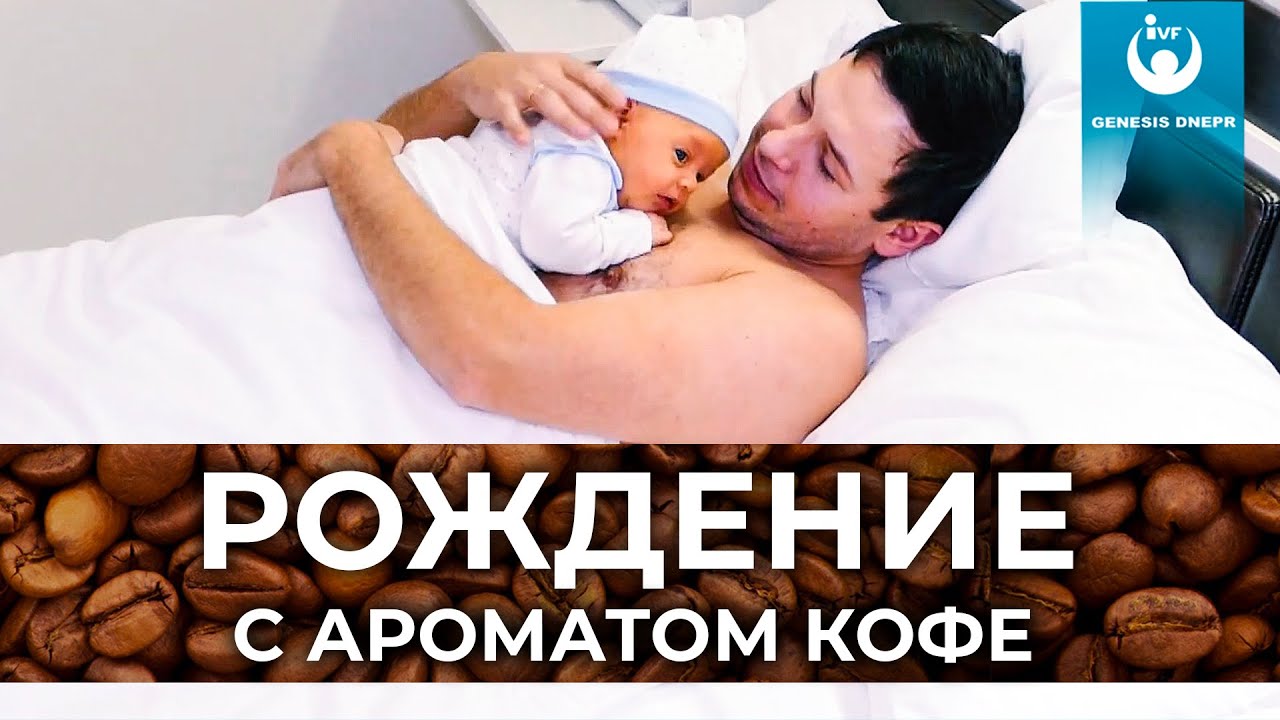
Birth with the aroma of coffee. How giving birth in a private maternity hospital differs from a regular one. Maternity Hospital "Genesis Dnipro"
1. ЗАПИС ПО ТЕЛЕФОНУ:
+38(067) 544-68-282. ЗАПИСЬ ЧЕРЕЗ АНКЕТУ:
Анкета слугує для попереднього знайомства лікаря з медичною інформацією про Вас та дає можливість записатися на платну чи безкоштовну консультацію ...
+380963701324
If you require an in vitro fertilization program, schedule an appointment with Dr. Argat Taras Grigorievich by calling 0963701324.
To perform the donor insemination procedure, it is first necessary to find a suitable gamete donor. Donors can be anonymous or known to the patient, and their selection is carried out in accordance with the legislation and rules of the medical institution.
For women who require the use of donor eggs, the procedure involves stimulating and monitoring ...
To perform the donor insemination procedure, it is first necessary to find a suitable gamete donor. Donors can be anonymous or known to the patient, and their selection is carried out in accordance with the legislation and rules of the medical institution.
For women who require the use of donor eggs, the procedure involves stimulating and monitoring ovulation in the donor, after which the eggs are retrieved through a procedure called follicular puncture. The retrieved eggs are then fertilized with the partner's or donor's sperm in the laboratory. The resulting embryos are then transferred to the patient's uterus to achieve pregnancy.
In the case of using donor sperm, the procedure involves selecting a suitable donor and freezing the sperm. The sperm is then thawed and used to fertilize the patient's eggs in the laboratory.
Donor insemination can be an effective method of treating infertility in couples where one partner has issues with producing healthy gametes. However, before undergoing the procedure, it is necessary to undergo appropriate medical and psychological consultations to discuss all aspects of the procedure and make an informed decision.
долгота: 35.0320729


