
- Increasing or decreasing the size of the nose;
- Removing a hump;
- Reducing the width of the nostrils;
- Narrowing or widening the tip of the nose;
- Raising or lowe...
- Increasing or decreasing the size of the nose;
- Removing a hump;
- Reducing the width of the nostrils;
- Narrowing or widening the tip of the nose;
- Raising or lowering the bridge;
- Correcting the nasal arch;
The surgery is performed under safe general anesthesia, which is individually selected by an anesthesiologist during a preoperative consultation.
- Top-tier surgeons with at least 20 years of experience;
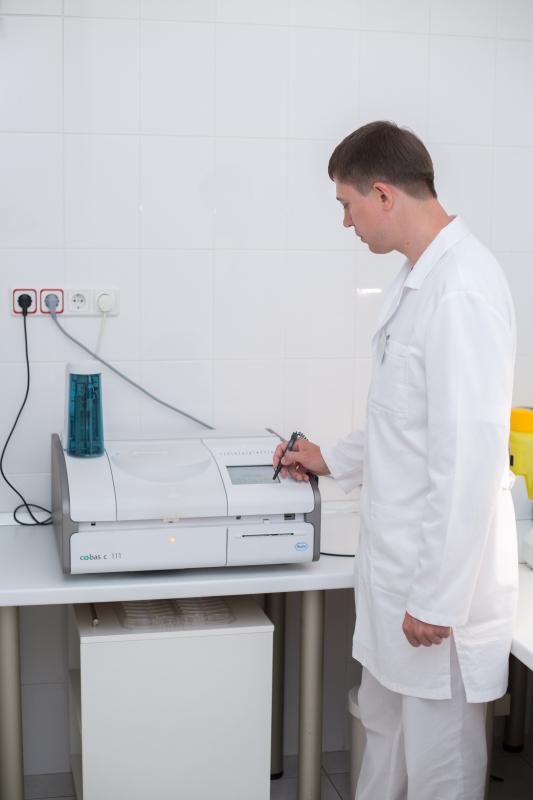
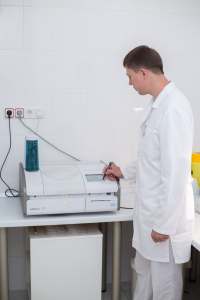
- In-house clinical diagnostic laboratory;
- Utilization of all innovative technologies - fractional CO2 laser, lipofilling using the GOISIS method;
- Single comfortable rooms;
- Home-style cuisine and personalized menu;
- Independent sources of heat, gas, water, and electricity;
- Patient safety system with restricted access, 24/7 security, and parking.

Shapovalyuk Vladimir Vladislavovich
Surgeon of the highest category, plastic surgeon. Candidate of Medical Sciences. Active member of ISAPS (International Society of Aesthetic Plastic Surgery). Lecturer, Associate Professor at the Department of Surgery, Traumatology, and Orthopedics at DMA.
Facial, breast, and full body plastic surgery.

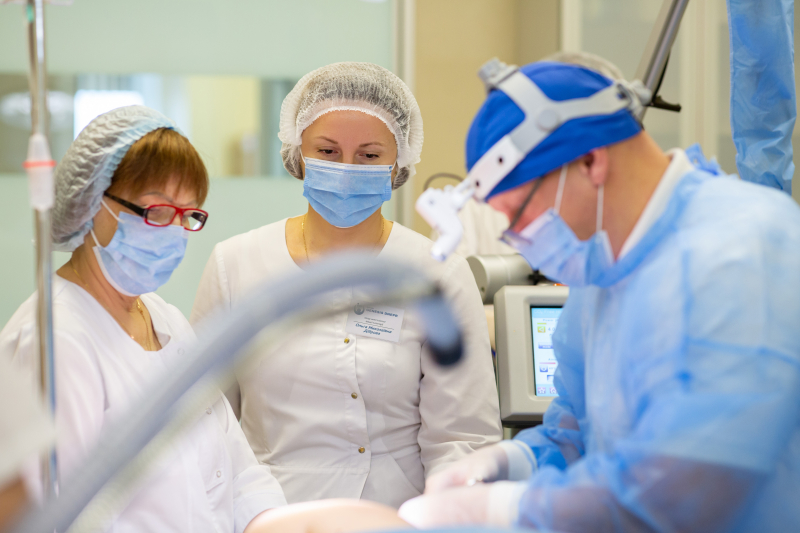


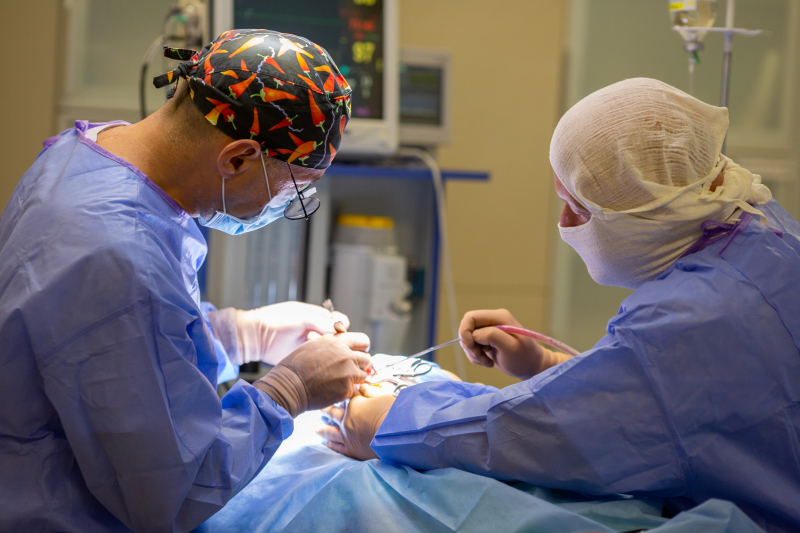
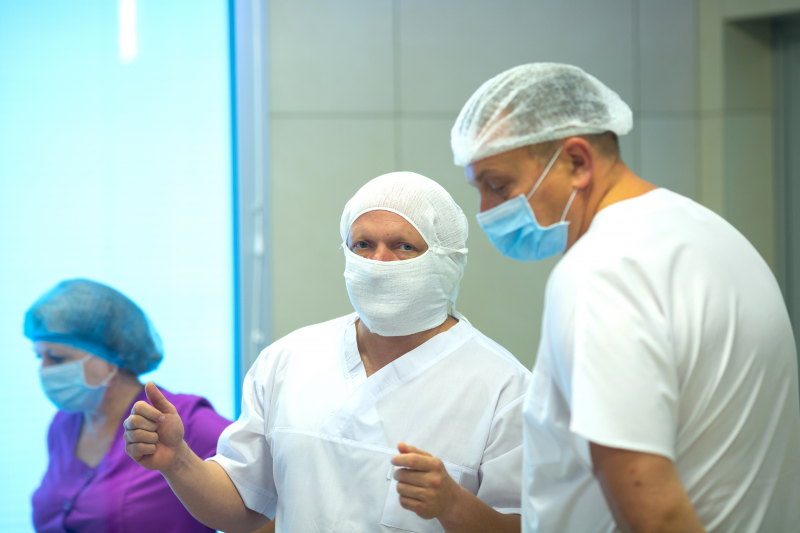

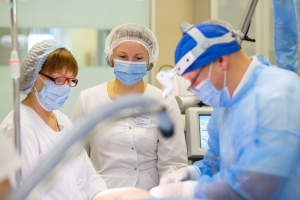

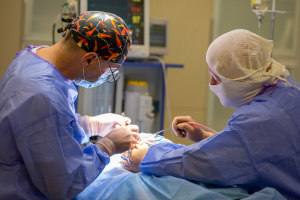
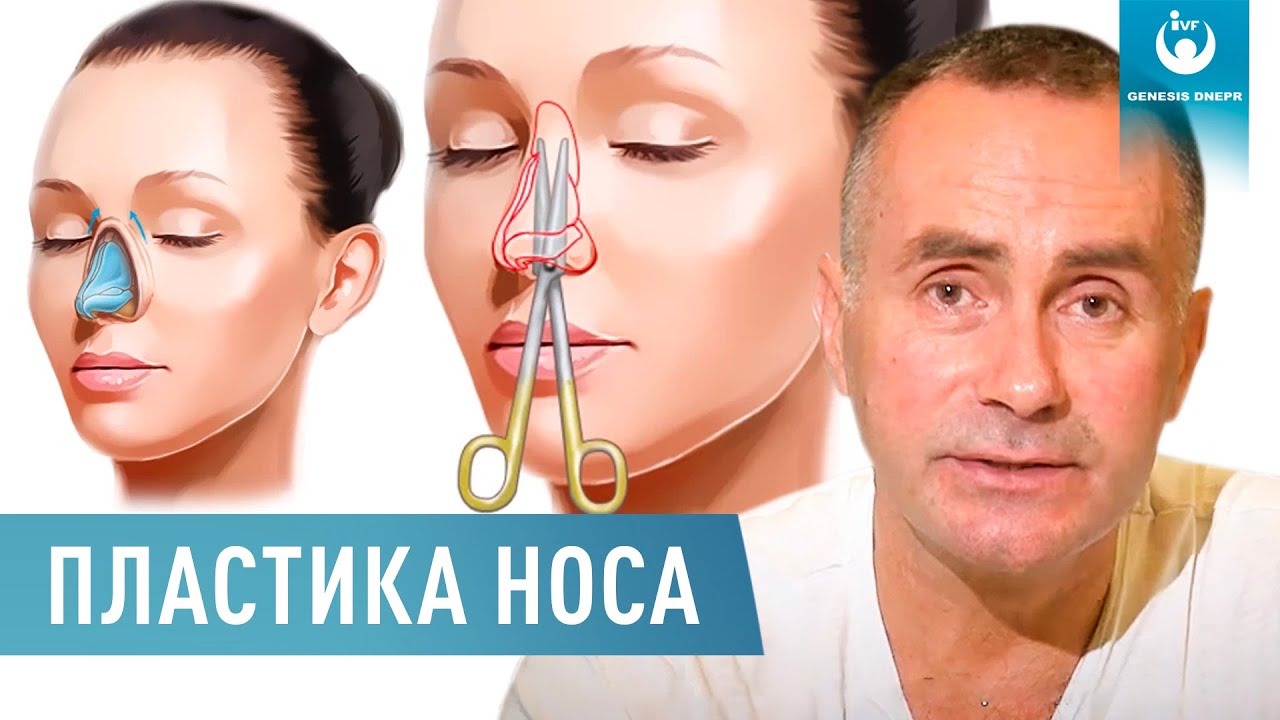
Rhinoplasty is a surgical procedure that involves reshaping or reconstructing the nose. It can be performed for cosmetic reasons to improve the appearance of the nose or for medical reasons to correct breathing issues or deformities. The procedure typically involves making incisions inside the nostrils or across the base of the nose, allowing the surgeon to access the bone and cartilage. The surgeon then reshapes the nose by removing or adding tissue, and sometimes grafting cartilage from other parts of the body. After the desired shape is achieved, the incisions are closed, and the nose is bandaged to support the new structure during healing. Dr. Karavanov D.V. is presumably a surgeon who performs this procedure.
During the procedure, the surgeon makes an incision on the skin under the nose to access the nasal structures. This incision is called "open" because it leaves a visible mark on the skin. The surgeon then manipulates the cartilage and bones of the nose to alter its shape and size. Afterward, the skin is closed and stitched.
Open rhinoplasty can take from 1 to 3 hours and may be performed under general anesthesia or local anesthesia with sedation. After the procedure, patients may experience swelling, bruising, and discomfort for several days. However, most people return to their daily activities within 1-2 weeks after the surgery.
The results of open rhinoplasty can be noticeable immediately, but the final outcome will be visible after several months when the swelling completely subsides. However, the effect can be long-lasting and may endure for many years.
Like any other surgical procedure, open rhinoplasty has its risks and complications, including the possibility of infection, bleeding, scarring, and improper healing. Therefore, it is important to consult with an experienced surgeon and discuss all possible risks and side effects before undergoing the procedure.
Open rhinoplasty can be an effective method for changing the shape and size of the nose and improving facial appearance. However, before deciding to undergo the procedure, it is necessary to thoroughly discuss it with a surgeon and choose the most suitable method to achieve the desired results.
During the procedure, the surgeon makes small incisions inside the nose to access the nasal structures. Then, the cartilage and bones of the nose can be altered and shaped to achieve the desired appearance. After that, the incisions are closed and stitched.
Closed rhinoplasty usually takes 1 to 2 hours and is performed under general anesthesia or local anesthesia with sedation. After the surgery, patients may experience swelling and discomfort for a few days, but most people return to their daily activities within 1-2 weeks.
The results of closed rhinoplasty can be noticeable immediately after the surgery, but the final result will be visible after a few months when the swelling completely subsides. However, as with open rhinoplasty, the effect can be long-lasting and may last for many years.
Like any other surgical procedure, closed rhinoplasty has its risks and complications, including the possibility of infection, bleeding, scarring, and improper healing. Therefore, it is important to consult with an experienced surgeon and discuss all possible risks and side effects before undergoing the procedure.
Closed rhinoplasty can be an effective method for changing the shape and size of the nose and improving facial appearance. However, before deciding to undergo the procedure, it is necessary to thoroughly discuss it with a surgeon and choose the most suitable method to achieve the desired results.
During the procedure, the surgeon makes an incision inside the nose to access the septum. They then cut and reshape the septum to achieve the correct form and alignment of the nose. If necessary, additional materials may be removed or added to support the structure of the nose.
Septoplasty is usually performed under local anesthesia and takes about 1-2 hours. After the surgery, patients may experience swelling and discomfort for a few days, but most people can return to their daily activities within 1-2 weeks.
The results of septoplasty can be noticeable immediately after the surgery, but the final result will be visible after a few months when the swelling completely subsides. However, as with any surgical procedure, there is a risk of complications, including the possibility of infection, bleeding, and improper healing.
Septoplasty can be an effective method for improving breathing and the appearance of the nose, but before deciding to undergo the procedure, it is necessary to discuss it with a surgeon and carefully evaluate all risks and side effects. It is also important to choose an experienced surgeon with a good reputation and experience in performing such operations.
404 not found
During the procedure with injections, various fillers such as hyaluronic acid or botulinum toxin are used to correct nasal defects. These fillers are injected under the skin and can change the shape of the nose, conceal irregularities, and improve its proportions.
There are also special pads and adhesive tapes that can be attached to the nose to change its shape and size. They can be used as a temporary solution for those who want to correct minor nasal defects but are not ready for surgical intervention.
The non-surgical rhinoplasty procedure usually takes about 15-30 minutes and can be performed under local anesthesia. After the procedure, patients can return to their daily activities immediately. However, as with any medical intervention, there is a risk of complications such as allergic reactions, swelling, and discomfort.
The results of non-surgical rhinoplasty can be noticeable immediately after the procedure, but the final result will be visible in a few days when the swelling completely subsides. However, the effect usually lasts about 6-12 months, so a repeat procedure may be necessary to maintain the desired result.
Non-surgical rhinoplasty can be a good option for those who do not want or cannot undergo surgery, but it cannot address serious nasal issues such as septal deformity or severe curvature. Therefore, before deciding to undergo the procedure, it is necessary to discuss it with a doctor and carefully evaluate all risks and side effects.

Bioidentical therapy, pellets, bioidentical hormones. Interview with Dr. Igor Perelygin.

Pregnancy management at Genesis Dnepr Clinic.
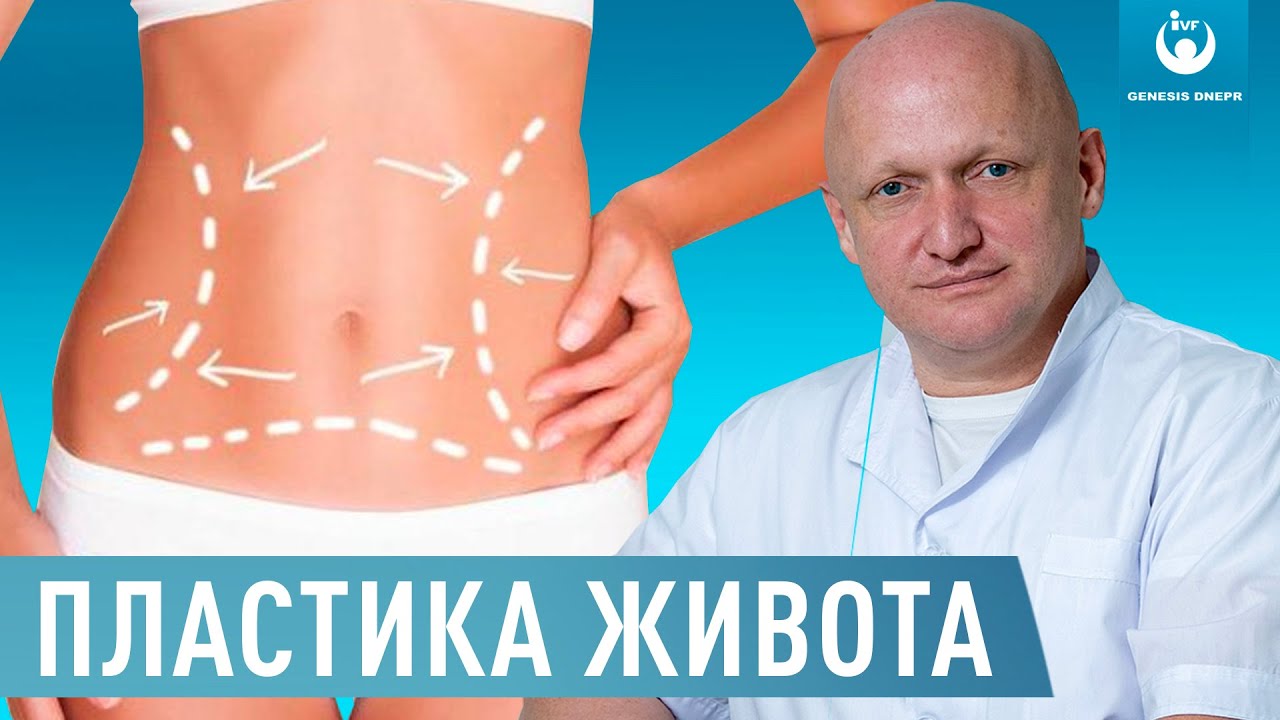
Abdominoplasty, commonly known as a tummy tuck, is a cosmetic surgical procedure aimed at improving the appearance of the abdomen. It involves the removal of excess skin and fat, and in some cases, the tightening of abdominal muscles to create a firmer and smoother abdominal profile. This procedure is often sought by individuals who have experienced significant weight loss, pregnancy, or aging, which can lead to loose or sagging skin in the abdominal area. The surgery typically takes a few hours and requires a recovery period, during which patients need to follow specific care instructions to ensure proper healing and optimal results.
Urinary incontinence in women. Laser treatment without pain and surgery.
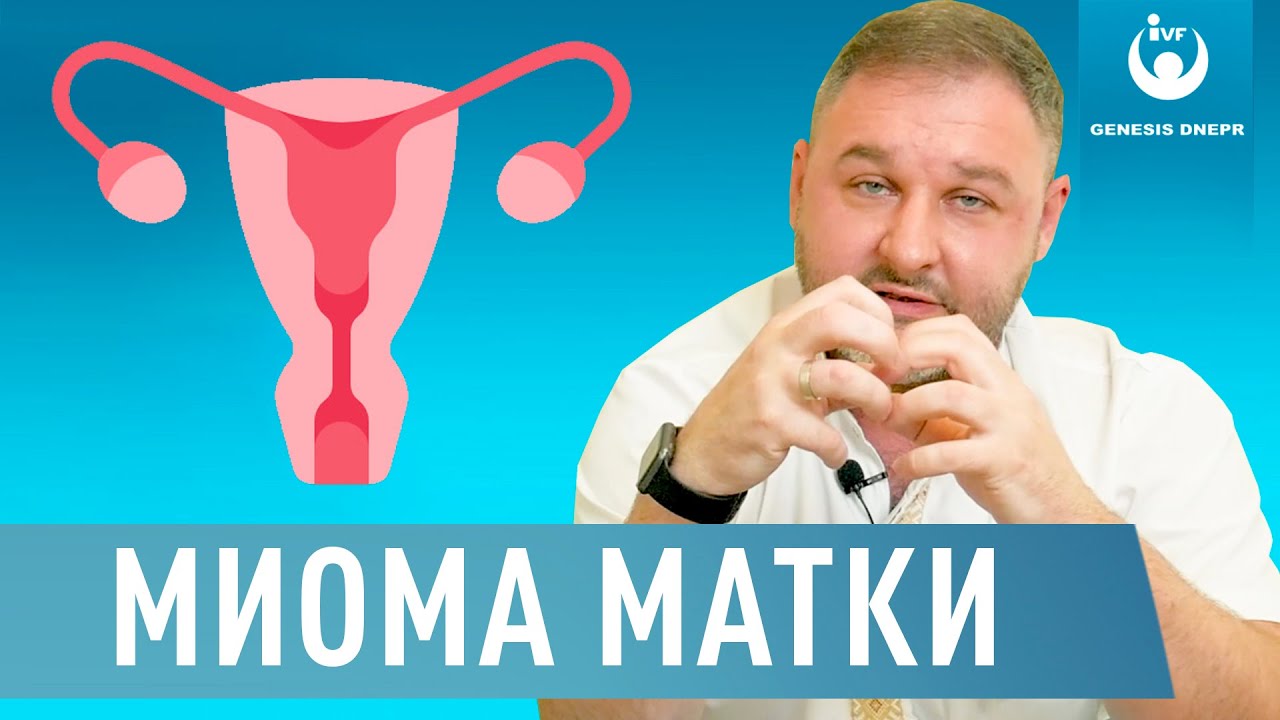
What is a uterine fibroid? Should it be removed or not? Obstetrician-gynecologist V.G. Kostenko.
Why does the back hurt? Explained by neurologist Igor Shkinder.
ABNORMAL UTERINE BLEEDING. Treatment Method for AUB. Gynecologist Fedoruk Natalia
Breast cancer - what is the "oncorecovery" method? | D. G. Mozhaev, Mammologist-Oncologist.

About endometrial and uterine diseases. Laparoscopy in gynecology. Presented by Dr. Banakhevich R.M.
1. APPOINTMENT BY PHONE:
+38(067) 544-68-282. ЗАПИСЬ ЧЕРЕЗ АНКЕТУ:
The questionnaire serves to familiarize the doctor with your medical information and gives you the opportunity to sign up for a paid or free consultation ...
+39 0963701324
Preparation before plastic surgery may include the following measures:
1. Body examination: conducting various tests and procedures to identify chronic diseases, infections, allergies, and other factors that m...
Preparation before plastic surgery may include the following measures:
1. Body examination: conducting various tests and procedures to identify chronic diseases, infections, allergies, and other factors that may affect the success of the surgery or increase the risk of complications.
2. Anesthesia preparation: assessing the tolerance to anesthesia, conducting necessary tests and examinations to determine the best type of anesthesia and dosage.
3. Preoperative preparation: includes following a series of recommendations such as avoiding certain medications (e.g., aspirin), refraining from smoking and alcohol consumption, adhering to a diet, etc.
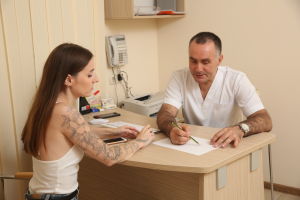
4. Psychological preparation: the doctor conducts a conversation with the patient, explaining all stages of the surgery, possible risks, and expected results. This helps the patient be ready for the surgery and reduces potential stress and anxiety.
5. Postoperative planning: the doctor discusses with the patient the rehabilitation and postoperative care plan, including taking medications, wearing compression garments, restrictions on physical activity, etc.
Overall, preparation before plastic surgery not only ensures the patient's safety but also helps achieve the best results and speeds up the recovery process after the surgery.
долгота: 35.0320729


