
- Modern equipment: lasers, radiosurgery tools, dermatoscopes...
- Surgeons with specialized expertise in microsurgery and reconstruction
- Individual treatment plans and long-term postoperative care
- Extensive experience in the most complex reconstructive surgeries
- Personalized approach and attention to cosmetic outcomes
- Cozy atmosphere and careful attention to each patient

Shagan Dmitry Valeryevich
Surgeon of the highest category, plastic surgeon. 20 years of experience. Performs over 350 surgeries per year.
Facial, breast, and body plastic surgery, liposuction, lipofilling. General surgery, leg vascular surgeries.

Vladislav Olegovich Pireev
Reconstructive surgeon
Reconstructive surgery, microsurgery, burn treatment, skin xenografting, management of thermal injuries, soft tissue defect repair. Dermatoscopy.
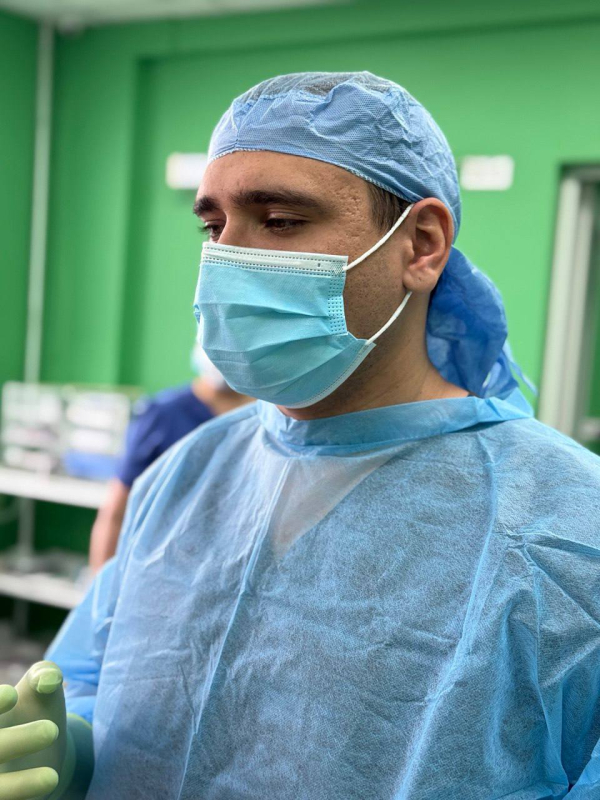
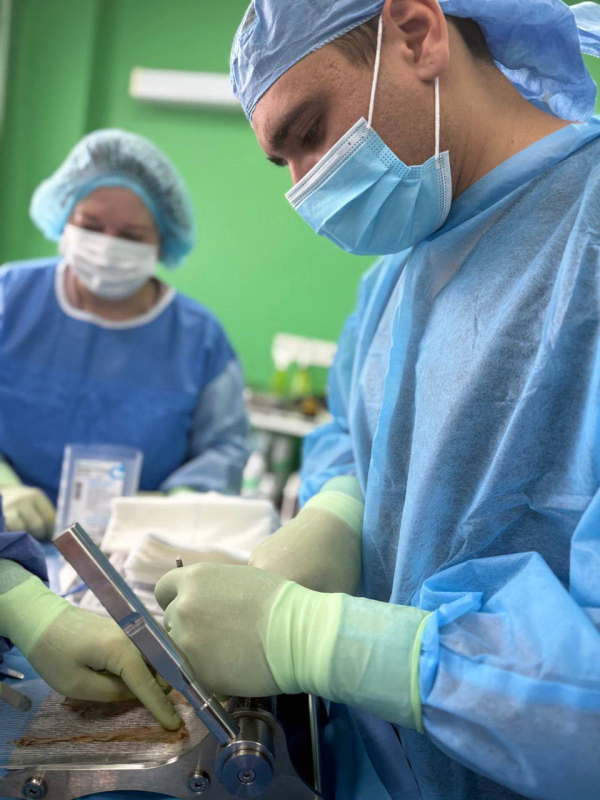
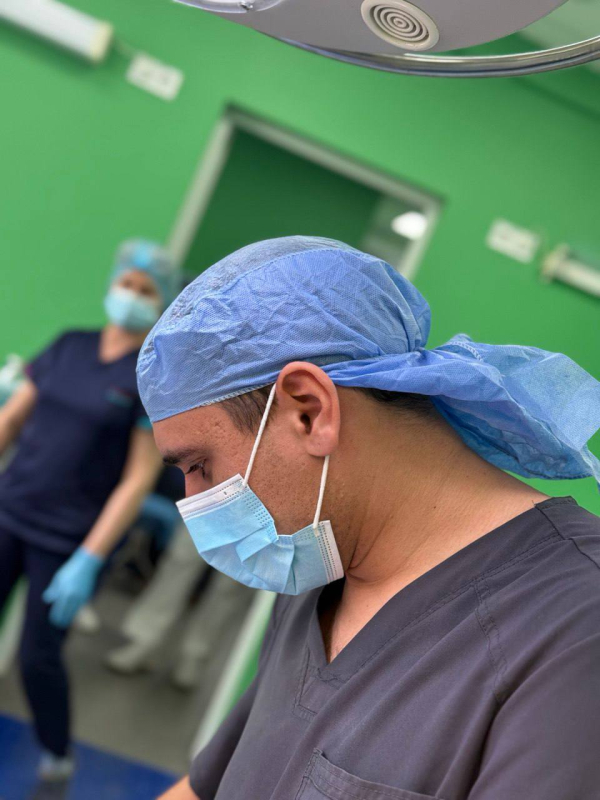
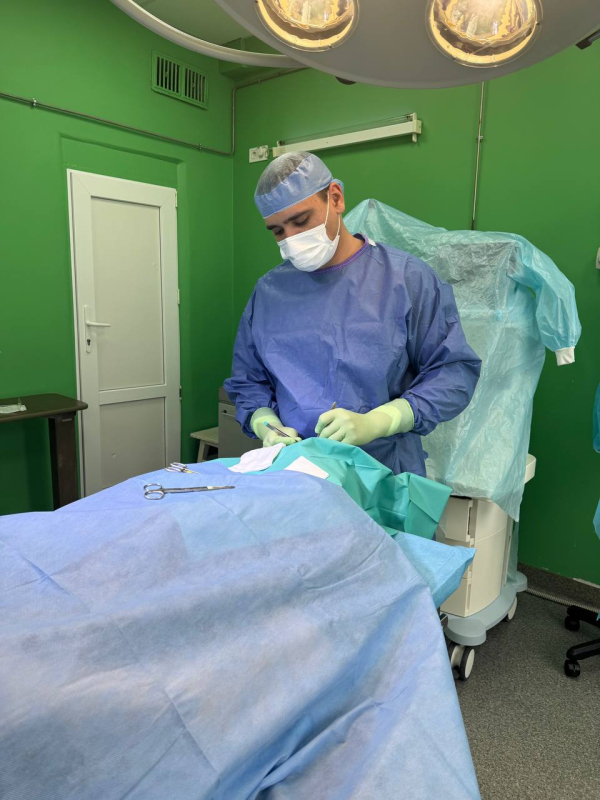
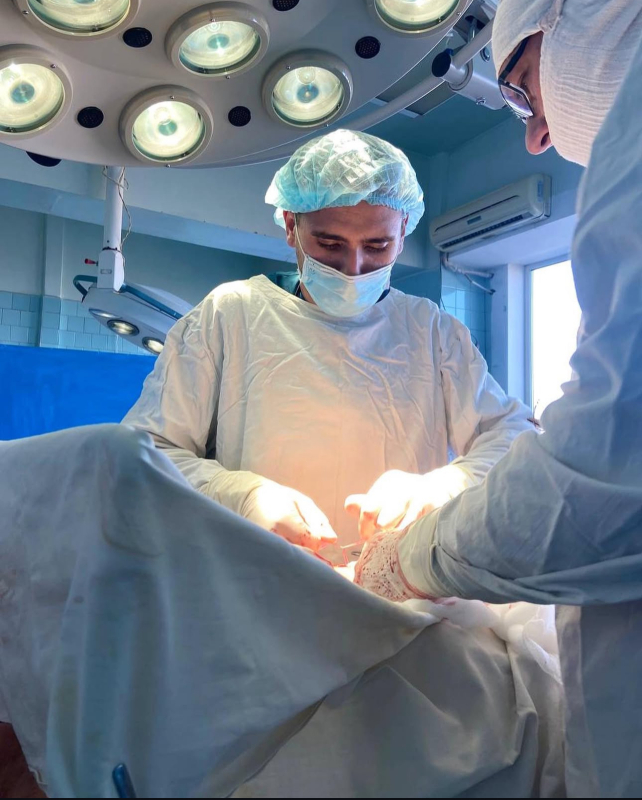
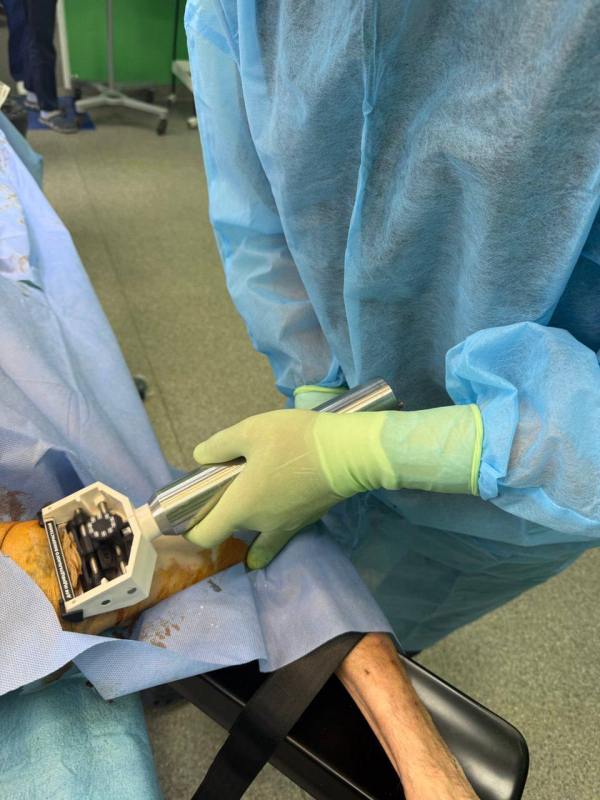
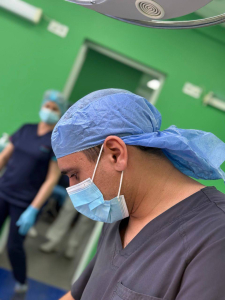
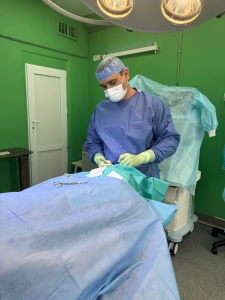
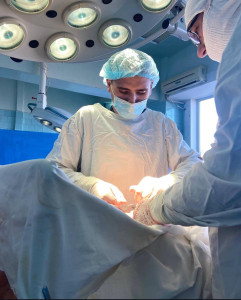
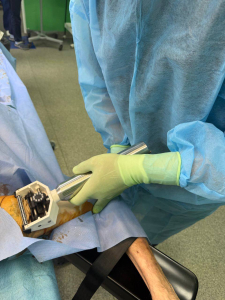
Fortunately, modern plastic and reconstructive surgery offers effective methods for correcting all types of scars.
Types of Scars Suitable for Surgical Treatment
1. Hypertrophic Scars
These are dense and raised above the skin level but do not extend beyond the wound. They often occur after surgeries, burns, or deep injuries.
2. Keloid Scars
This is the overgrowth of scar tissue beyond the original injury. Keloids can cause itching, pain, and may grow over time.
3. Atrophic Scars
These usually appear as depressions in the skin. They are often seen after acne or chickenpox.
4. Contractures
These are scars that cause tightening or constriction of the skin and tissues, especially common after burns. They can restrict the movement of joints and muscles.
Methods of Surgical Correction
Depending on the type and location of the scar, a specialist selects the optimal technique:
- Scar Excision with Re-suturing
The simplest and most common method. It is used for narrow and linear scars. The surgeon carefully removes the scar and applies a cosmetic suture to ensure the scar heals more aesthetically.
- Z- and W-Plasty
These are used for scars that impede movement or disrupt the contours of the face and body. These methods allow for changing the direction of the scar and redistributing skin tension.
- Skin Flap Transfer
For large skin defects after scar excision, local or free skin flaps are used to cover the surgical area and maintain tissue elasticity.
- Combined Methods
Surgical correction is often combined with other procedures: laser resurfacing, corticosteroid injections, microdermabrasion, or physiotherapy.
When Should You See a Doctor?
- If the scar causes physical discomfort
- If it restricts movement
- If you are dissatisfied with the appearance of the scar
- If previous procedures have been ineffective
You don't have to live with scars—they can and should be treated. Schedule a consultation, and our specialists will help you regain confidence and comfort in your body!
Modern reconstructive surgery can effectively correct post-burn deformities, restore mobility, and improve the patient's quality of life.
What are post-burn syndactyly and contractures?
Syndactyly is the fusion of fingers due to excessive scarring after a burn. It can be partial or complete and is often accompanied by restricted movement and impaired fine motor skills.
A contracture is a persistent tightening of the skin and underlying tissues, causing deformation and restriction of joint movements. Contractures most commonly form in the areas of elbows, knees, fingers, neck, and shoulders.
Both conditions can develop weeks or months after burn healing and require surgical correction.
Surgical Treatment
The choice of treatment method depends on the degree and depth of the deformity, the patient's age, the affected area, and the overall condition of the tissues. The main techniques include:
🔹 Skin Flap Surgery
Scar tissue is removed, and the defect is covered using local or transferred sections of healthy skin. This helps restore elasticity and movement.
🔹 Split-Thickness Skin Grafts
After releasing fusions or contractures, skin sections taken from other parts of the body (such as the thigh) are transplanted onto the freed surface. This method is often used for extensive injuries.
🔹 Combined Techniques
In complex cases, microsurgical techniques, vascular flap transplantation, and subsequent physiotherapy are used to achieve the best results.
Rehabilitation: A Crucial Stage of Recovery
After surgery, it is essential to undergo a rehabilitation course, which includes:
- Therapeutic exercises and stretching exercises;
- Physiotherapy;
- Wearing special splints and orthoses;
- Monitoring the healing of skin grafts;
- Regular consultations with a surgeon and rehabilitation specialist.
The goal is not only to eliminate scar deformity but also to restore full limb function.
Don't let the consequences of burns limit your freedom of movement and comfort. Seek a consultation, and we will find the optimal solution for your specific case.
Schedule an appointment by phone or through the website form — take the first step towards recovery today!
When is autodermoplasty applied?
Autodermoplasty is indicated in cases where the skin is so damaged that it cannot heal on its own:
- Deep burn wounds;
- Injuries with loss of skin flap;
- Long-healing ulcers and bedsores;
- Scar deformities requiring excision;
- After the removal of skin tumors;
- Chronic wounds that do not respond well to conservative treatment.
How is the operation performed?
The procedure includes two stages: harvesting the donor site and transplanting the skin to the defect area.
🔹 1. Selection and harvesting of the donor site
Typically, skin is taken from the thigh, abdomen, or back—areas where tissues are well vascularized and heal easily. Harvesting can be:
Split-thickness—using the upper thin layer of skin (epidermis and part of the dermis). This flap engrafts faster and leaves minimal scarring on the donor site.
Full-thickness—captures the entire skin layer, used when stronger and more elastic tissue is needed, such as on the face or hands.
🔹 2. Transplantation
The prepared flap is transferred to the defect area and carefully secured. It is important to ensure complete immobility of the transplanted tissue for successful engraftment over the next few days.
Rehabilitation after autodermoplasty
The success of the procedure largely depends on proper postoperative care:
Regular dressing changes under medical supervision;
Monitoring the blood supply and color of the graft;
Protecting the area from external influences;
Physiotherapy (if necessary—especially in the treatment of burns and contractures);
Wearing compression garments (if the transplant is performed on a limb or torso).
Complete healing occurs within 2–4 weeks, depending on the extent of the surgery and the patient's overall condition.
Advantages of autodermoplasty
✔️ Use of own tissues—minimal risk of rejection
✔️ Rapid engraftment and healing
✔️ Restoration of the skin's natural protection
✔️ Ability to restore the shape and function of the damaged area
✔️ Aesthetically more acceptable result compared to synthetic materials
Autodermoplasty is an opportunity to restore skin and regain confidence. If you are dealing with burns, long-healing wounds, or the aftermath of injuries—we are ready to help.
Schedule a consultation to find out if this method is suitable for you.
When is xenoplasty used?
Xenoplasty is applied in cases of:
- Deep burns of II–III degree;
- Extensive wounds with loss of skin cover;
- Preparing the wound for subsequent autografting;
- Temporary protection of wounds in patients with severe general conditions;
- Infection-prone or unstable areas where it is important to quickly cover the open surface.
Why is xenoplasty needed?
The skin performs many vital functions — protection against infections, fluid loss, and thermoregulation. When the skin is damaged, especially over large areas, the body becomes vulnerable.
Xenoplasty provides:
🛡️ Protection of the wound from the external environment and infection;
💧 Reduction of fluid and protein loss through the open surface;
❄️ Reduction of pain and inflammation;
🕒 Time for patient stabilization before final surgical recovery;
🌱 Stimulation of tissue healing.
How is the procedure conducted?
- Wound preparation — cleaning, removal of necrotic tissues, antiseptic treatment.
- Selection and preparation of the xenograft — specially processed animal skin (most commonly pig) is used, which has undergone sterilization and biological treatment.
- Graft fixation — the skin flap is applied to the wound and secured with a dressing or sutures.
- Observation and care — the material usually remains on the wound for 5–7 days, after which it either peels off on its own or is removed by a doctor.
It is important to understand: xenoplasty is a temporary solution.
Xenografts do not integrate permanently, as the body's immune system eventually rejects them. However, during their presence, tissues begin the healing process, the patient's overall condition improves, and the opportunity arises to perform the main operation — autografting (transplantation of the patient's own skin).
Advantages of xenoplasty:
✔️ Rapid wound closure
✔️ Safe biological protection
✔️ Relief of pain and inflammation
✔️ Support of the natural healing process
✔️ Usability in weakened patients
Xenoplasty is an important step towards recovery, especially in severe burns and wounds.
If you or your loved ones require urgent assistance — our specialists are ready to help.
Schedule a consultation or emergency appointment — we are always here when it matters most.
What is microsurgical reconstruction?
Microsurgical reconstruction involves the transplantation of tissue flaps (skin, muscles, fascia, bones, or their combinations) from one part of the body to another, with the mandatory connection of blood vessels under a microscope. This allows the graft to integrate as "living" tissue, fully incorporating into the body.
This technique is used to restore large or complex defects in shape and function, where conventional reconstruction is impossible or insufficient.
When is microsurgical reconstruction used?
The method is indispensable in the following cases:
❗ After oncological surgeries (removal of tumors in the head, neck, breast, limbs);
🔥 After deep burns, especially with the loss of not only skin but also muscle or bone tissue;
🤕 After severe injuries with damage to blood vessels, tendons, nerves;
🧠 Reconstruction of the face, skull, jaw after injuries or surgeries;
🦵 Restoration of the shape and function of limbs, especially after amputations or necrosis;
🦶 Closure of chronic and poorly healing ulcers.
How is the surgery performed?
Planning
The surgeon selects the type of flap (e.g., skin-muscle, fascial, bone-skin) and determines the donor site (abdomen, thigh, back, etc.).
Flap harvesting
Using a microscope and special instruments, the flap is taken along with its nourishing vessels.
Transfer and transplantation
The flap is moved to the defect area, where the vessels are sutured to local vessels using microsurgical techniques. This allows for the restoration of full blood supply in the transplanted tissue.
Fixation and monitoring
Surgeons carefully monitor the graft's integration, vessel patency, and function restoration.
Advantages of microsurgical reconstruction
✔️ Ability to cover extensive and structurally complex defects
✔️ Full restoration of function and appearance
✔️ Use of the patient's own tissues
✔️ High integration rate and durability of results
✔️ Minimization of the risk of repeat surgeries
Important to know
Microsurgery requires high precision, experience, and coordination, so such operations are performed in specialized centers. Success largely depends on proper planning and correct rehabilitation. We support the patient at every stage: from consultation to full recovery.
If you are facing a severe tissue defect, do not delay. We are ready to offer you modern solutions that truly work.
Modern medicine offers safe and effective methods for removing skin formations with minimal trauma and excellent cosmetic results.
When is it necessary to remove neoplasms?
Not all skin formations are dangerous, but removal may be recommended in the following cases:
🔺 Suspicion of malignancy (changes in color, shape, bleeding, rapid growth);
⚠️ Location in a trauma-prone area (collar, shaving area, belt, sole);
💬 Cosmetic discomfort;
🔄 Multiple formations (e.g., papillomatosis or keratomas in elderly people);
🧪 On a doctor's recommendation after dermatoscopy or biopsy.
What removal methods are used?
Our clinic uses only safe and effective methods, tailored to the type and nature of the neoplasm:
1. Surgical excision
🔹 Used when malignancy is suspected or for large formations.
🔹 Allows for histological examination of the removed tissue.
🔹 A cosmetic suture is applied, leaving a minimal scar.
2. Laser removal
🔹 A non-contact method suitable for moles, papillomas, keratomas.
🔹 Minimal discomfort, no bleeding, quick healing.
🔹 Excellent cosmetic effect, especially on the face and exposed areas.
3. Radio wave removal
🔹 A gentle method using a radio knife.
🔹 High precision, suitable for sensitive skin and complex areas.
🔹 Can be combined with material collection for analysis.
4. Cryodestruction (liquid nitrogen)
🔹 Used for papillomas, warts, keratomas.
🔹 Painless, no anesthesia required, suitable for children.
After removal: what you need to know?
🔬 Histological examination is conducted if necessary;
🧴 Skin care products are prescribed for the healing period;
🚫 It is important to avoid sun exposure on the removal site for 4–6 weeks;
📆 Follow-up examination — in 1–2 weeks or as prescribed by the doctor.
A skin neoplasm is not a reason to panic, but a valid reason to visit a doctor. Early detection and timely removal can prevent complications and preserve health.
Schedule a consultation now to find out if your formation needs removal and the best method to do so.
Bioidentical therapy, pellets, bioidentical hormones. Interview with Dr. Igor Perelygin.
What is a uterine fibroid? Should it be removed or not? By obstetrician-gynecologist V.G. Kostenko.
Lipofilling | Liposculpture of the face, neck, hands, and entire body. Mario Goisis and Igor Perelygin.
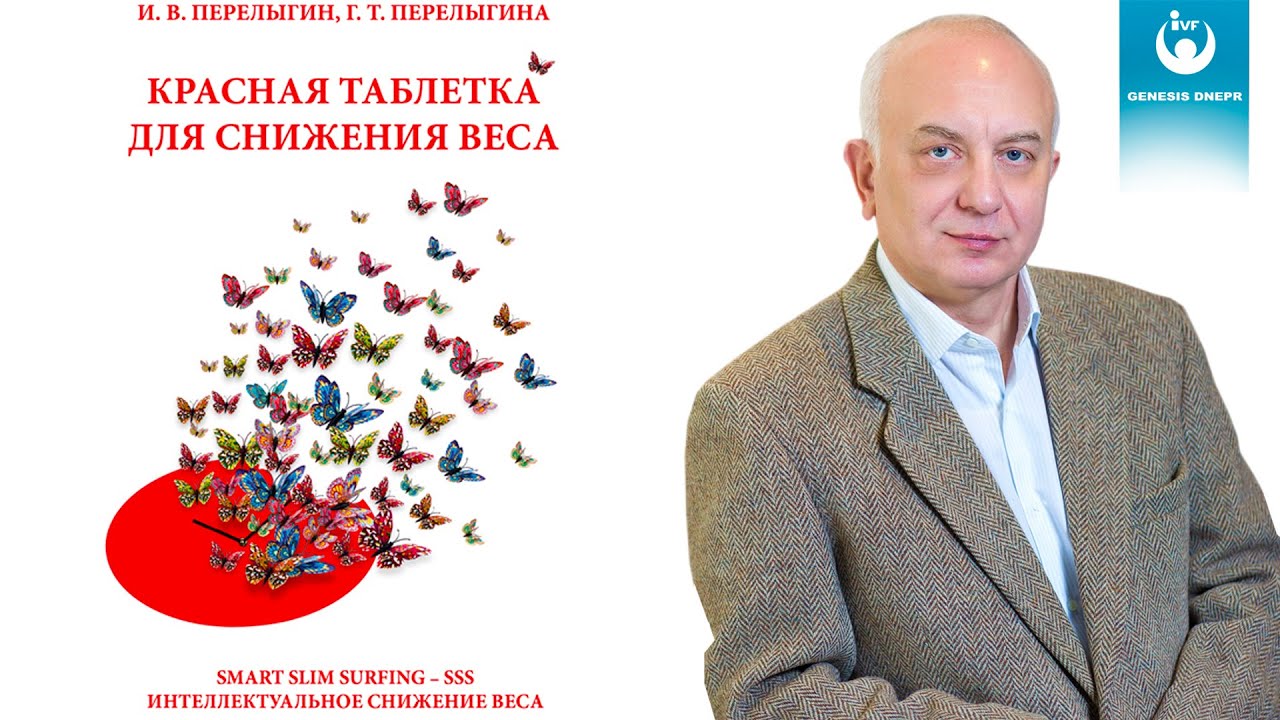
Lose weight without harm. Diabetes treatment. The book "Red Pill for Weight Loss".
Breast cancer - what is the "oncorecovery" method? | Mojaev D. G. Mammologist-oncologist.
Tour of Genesis Dnepr Clinic | Maternity Ward, Plastic Surgery, Therapy, Detoxification...
1. ЗАПИС ПО ТЕЛЕФОНУ:
+38(067) 544-68-28долгота: 35.0320729


