
GENESIS DNEPR
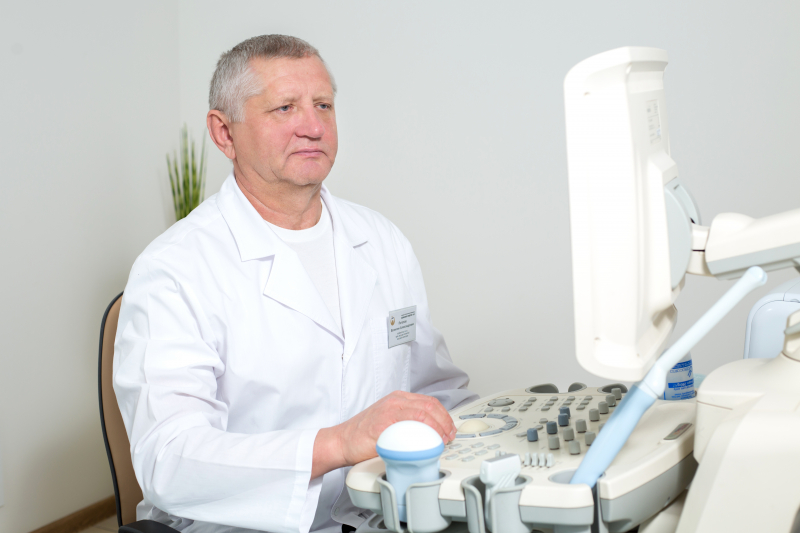
Professor Potapov's consultation on gynecology and obstetrics.

Potapov Valentin Alexandrovich
Obstetrician-gynecologist, professor, Doctor of Medical Sciences, academician of the Academy of Sciences of the Higher School of Ukraine, honored worker of science and technology of Ukraine, head of the Department of Obstetrics and Gynecology at DGMU, chairman of the Dnipropetrovsk regional branch of the Association of Obstetricians and Gynecologists of Ukraine.
Фотогалерея








Directions
1
obstetrics: childbirth and cesarean section
In our clinic, patients have a unique opportunity to go through the entire "From Conception to Birth" process:
1. Pregnancy planning and consultation...
1. Pregnancy planning and consultation...
In our clinic, patients have a unique opportunity to go through the entire "From Conception to Birth" process:
1. Pregnancy planning and consultations for conception preparation.
2. Pregnancy management: ultrasound examinations, monitoring the condition of the mother and fetus, amniocentesis.
3. Childbirth and postpartum period: managing complications, performing cesarean sections if necessary, as well as postpartum observation and treatment.
4. Obstetric care for women with uterine scars, risk of premature birth, Rh incompatibility, diabetes, and hepatitis.
5. Diagnosis and treatment of gynecological diseases such as inflammatory processes, tumors, endometriosis, uterine fibroids, and others.
6. Performing organ-preserving surgeries, which provide the opportunity to conceive naturally.
7. Monitoring and treatment of menstrual cycle disorders and hormonal imbalances.
8. Management of pregnancy loss.
1. Pregnancy planning and consultations for conception preparation.
2. Pregnancy management: ultrasound examinations, monitoring the condition of the mother and fetus, amniocentesis.
3. Childbirth and postpartum period: managing complications, performing cesarean sections if necessary, as well as postpartum observation and treatment.
4. Obstetric care for women with uterine scars, risk of premature birth, Rh incompatibility, diabetes, and hepatitis.
5. Diagnosis and treatment of gynecological diseases such as inflammatory processes, tumors, endometriosis, uterine fibroids, and others.
6. Performing organ-preserving surgeries, which provide the opportunity to conceive naturally.
7. Monitoring and treatment of menstrual cycle disorders and hormonal imbalances.
8. Management of pregnancy loss.
2
surgery in gynecology
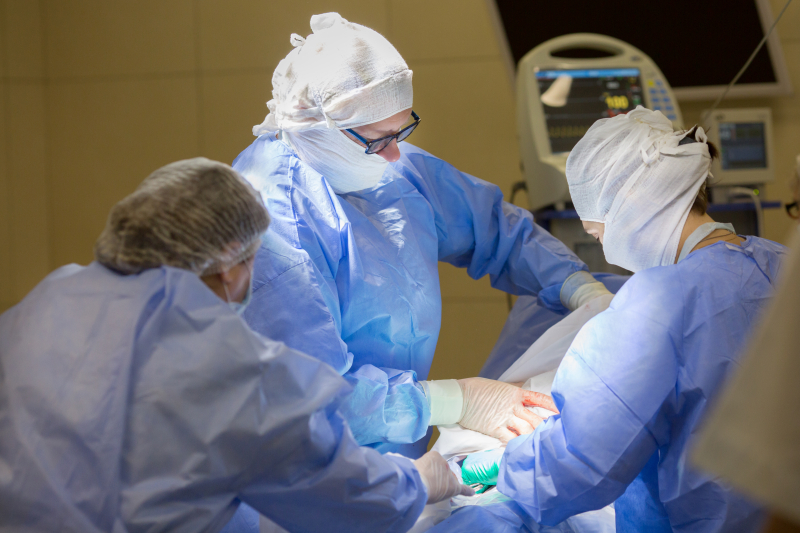
The removal of polyps, ovarian cysts, or uterine fibroids is among the most common surgical procedures in gynecology.
Polyps are small growths on the...
Polyps are small growths on the...
The removal of polyps, ovarian cysts, or uterine fibroids is among the most common surgical procedures in gynecology.
Polyps are small growths on the lining of the uterus or cervix that can cause bleeding or infertility.
Ovarian cysts are fluid-filled formations in the ovaries that can be dangerous if they become large or cause symptoms.
Uterine fibroids are tumors made of uterine muscle that can cause painful or heavy menstruation, lower abdominal pain, or pregnancy issues.
Surgery to restore the uterus or ovaries may be performed in cases of damage or removal of part of the organ, such as after trauma or surgical intervention.
Surgical treatment of endometriosis may involve the removal of endometrial implants that cause pain and pregnancy problems.
A hysterectomy is a surgery to remove the uterus. It may be necessary in cases of cancer, severe bleeding, uterine prolapse, or other serious conditions.
Reconstructive surgery significantly improves the chances of pregnancy.
Polyps are small growths on the lining of the uterus or cervix that can cause bleeding or infertility.
Ovarian cysts are fluid-filled formations in the ovaries that can be dangerous if they become large or cause symptoms.
Uterine fibroids are tumors made of uterine muscle that can cause painful or heavy menstruation, lower abdominal pain, or pregnancy issues.
Surgery to restore the uterus or ovaries may be performed in cases of damage or removal of part of the organ, such as after trauma or surgical intervention.
Surgical treatment of endometriosis may involve the removal of endometrial implants that cause pain and pregnancy problems.
A hysterectomy is a surgery to remove the uterus. It may be necessary in cases of cancer, severe bleeding, uterine prolapse, or other serious conditions.
Reconstructive surgery significantly improves the chances of pregnancy.
3
treatment of uterine leiomyoma (fibroids)
The treatment of uterine fibroids, or leiomyomas, can include both conservative methods and surgical intervention, depending on the size and symptoms ...
The treatment of uterine fibroids, or leiomyomas, can include both conservative methods and surgical intervention, depending on the size and symptoms of the tumor, as well as the patient's plans regarding pregnancy.
Conservative methods for treating fibroids include taking medications aimed at reducing the size of the tumor or alleviating symptoms such as painful or heavy menstruation. These can be hormonal medications, such as contraceptives or gonadotropin-releasing hormone (GnRH) analogs, which lower estrogen levels in the body. Medications that block blood flow to the tumor and cause its regression may also be used.
However, if the fibroid has reached a large size or is obstructing pregnancy, surgical intervention may be necessary.
The surgery to remove fibroids is called a myomectomy. A doctor can perform a myomectomy as an open surgery with access through the abdomen or using minimally invasive methods such as laparoscopy or hysteroscopy. In some cases, if the fibroid is too large or multiple, a hysterectomy—removal of the entire uterus—may be required.
The decision on the method of fibroid treatment depends on the individual characteristics of the patient and the doctor's recommendations.
Conservative methods for treating fibroids include taking medications aimed at reducing the size of the tumor or alleviating symptoms such as painful or heavy menstruation. These can be hormonal medications, such as contraceptives or gonadotropin-releasing hormone (GnRH) analogs, which lower estrogen levels in the body. Medications that block blood flow to the tumor and cause its regression may also be used.
However, if the fibroid has reached a large size or is obstructing pregnancy, surgical intervention may be necessary.
The surgery to remove fibroids is called a myomectomy. A doctor can perform a myomectomy as an open surgery with access through the abdomen or using minimally invasive methods such as laparoscopy or hysteroscopy. In some cases, if the fibroid is too large or multiple, a hysterectomy—removal of the entire uterus—may be required.
The decision on the method of fibroid treatment depends on the individual characteristics of the patient and the doctor's recommendations.
4
amniocentesis
Amniocentesis is a medical procedure used to diagnose various genetic and chromosomal abnormalities in a fetus. It is performed during pregnancy, usua...
Amniocentesis is a medical procedure used to diagnose various genetic and chromosomal abnormalities in a fetus. It is performed during pregnancy, usually between 15 and 20 weeks.
The amniocentesis procedure involves taking a sample of the amniotic fluid that surrounds the fetus in the womb. This sample is then sent to a laboratory for analysis.
The primary indicator for performing amniocentesis is a high risk of genetic or chromosomal abnormalities in the fetus. This risk can be due to various factors, such as the mother's age (over 35 years), previous cases of genetic abnormalities in the family, abnormalities detected during an ultrasound examination, or other medical indications.
During the amniocentesis procedure, the woman lies on her back, and the doctor uses ultrasound scanning to determine the location of the fetus and the amniotic fluid. Then, using a thin needle, the doctor punctures the mother's abdomen and collects approximately 20 ml of amniotic fluid.
The amniotic fluid sample is sent to a laboratory where various tests are conducted to identify possible genetic or chromosomal abnormalities. These tests may include chromosome analysis, detection of genetic mutations, or analysis of certain protein levels.
The results of amniocentesis are usually available within a few weeks. If genetic or chromosomal abnormalities are detected, parents can consult with a geneticist or other specialists at our clinic to obtain additional information and make decisions regarding further steps.
Although amniocentesis is a relatively safe procedure, it is not without risks. Possible complications include bleeding, infection, premature labor, or problems with the placenta. However, the frequency of these complications is very low.
Amniocentesis is an important tool for diagnosing genetic and chromosomal abnormalities in a fetus. It allows parents to make informed decisions regarding the continuation of the pregnancy and to prepare for any special needs the child may have.
The amniocentesis procedure involves taking a sample of the amniotic fluid that surrounds the fetus in the womb. This sample is then sent to a laboratory for analysis.
The primary indicator for performing amniocentesis is a high risk of genetic or chromosomal abnormalities in the fetus. This risk can be due to various factors, such as the mother's age (over 35 years), previous cases of genetic abnormalities in the family, abnormalities detected during an ultrasound examination, or other medical indications.
During the amniocentesis procedure, the woman lies on her back, and the doctor uses ultrasound scanning to determine the location of the fetus and the amniotic fluid. Then, using a thin needle, the doctor punctures the mother's abdomen and collects approximately 20 ml of amniotic fluid.
The amniotic fluid sample is sent to a laboratory where various tests are conducted to identify possible genetic or chromosomal abnormalities. These tests may include chromosome analysis, detection of genetic mutations, or analysis of certain protein levels.
The results of amniocentesis are usually available within a few weeks. If genetic or chromosomal abnormalities are detected, parents can consult with a geneticist or other specialists at our clinic to obtain additional information and make decisions regarding further steps.
Although amniocentesis is a relatively safe procedure, it is not without risks. Possible complications include bleeding, infection, premature labor, or problems with the placenta. However, the frequency of these complications is very low.
Amniocentesis is an important tool for diagnosing genetic and chromosomal abnormalities in a fetus. It allows parents to make informed decisions regarding the continuation of the pregnancy and to prepare for any special needs the child may have.
5
plastic surgeries in gynecology
Plastic surgeries in gynecology are medical procedures performed to restore or alter the anatomy and function of the female genital organs. They can b...
Plastic surgeries in gynecology are medical procedures performed to restore or alter the anatomy and function of the female genital organs. They can be conducted for medical or cosmetic reasons.
One of the most common plastic surgeries in gynecology is labiaplasty, or labia surgery. This procedure is performed to change the size or shape of the labia, which may be for aesthetic reasons or to alleviate discomfort or pain when wearing underwear or during intimate contact.
Other plastic surgeries in gynecology include vaginal reconstruction, which can be performed after trauma or childbirth, and clitoral reconstruction, which may be done to restore clitoral function after its removal for medical reasons.
Plastic surgeries in gynecology can be beneficial for women experiencing physical or emotional discomfort due to abnormalities or changes in the anatomy of their genital organs. However, like any surgical procedure, they are not without risks and require careful discussion with a doctor and an informed decision.
One of the most common plastic surgeries in gynecology is labiaplasty, or labia surgery. This procedure is performed to change the size or shape of the labia, which may be for aesthetic reasons or to alleviate discomfort or pain when wearing underwear or during intimate contact.
Other plastic surgeries in gynecology include vaginal reconstruction, which can be performed after trauma or childbirth, and clitoral reconstruction, which may be done to restore clitoral function after its removal for medical reasons.
Plastic surgeries in gynecology can be beneficial for women experiencing physical or emotional discomfort due to abnormalities or changes in the anatomy of their genital organs. However, like any surgical procedure, they are not without risks and require careful discussion with a doctor and an informed decision.
6
endocrine gynecology
Treatment of Endocrine Disorders Related to the Female Reproductive System and Hormonal Balance:
1. Menstrual Cycle Disorders: Diagnosis and treatmen...
1. Menstrual Cycle Disorders: Diagnosis and treatmen...
Treatment of Endocrine Disorders Related to the Female Reproductive System and Hormonal Balance:
1. Menstrual Cycle Disorders: Diagnosis and treatment of various menstrual cycle disorders such as amenorrhea (absence of menstruation), oligomenorrhea (infrequent menstruation), polymenorrhea (frequent menstruation), and dysmenorrhea (painful menstruation).
2. Infertility: Diagnosis and treatment of various causes of infertility in women. Hormonal studies, ultrasound examinations, and other procedures to identify the causes of infertility.
3. Polycystic Ovary Syndrome (PCOS): Diagnosis and treatment of PCOS, a condition where women develop multiple cysts on the ovaries, which can lead to menstrual cycle disorders and infertility.
4. Hormonal Disorders During Pregnancy: Diagnosis and treatment of hormonal disorders that may occur during pregnancy, such as gestational diabetes or gestational hyperthyroidism.
5. Postmenopausal Issues: Assistance for women in postmenopause—treatment of issues related to changes in hormone levels after the cessation of menstruation.
6. Reproductive System Oncology: Diagnosis and treatment of reproductive system cancers, such as ovarian cancer, uterine cancer, or cervical cancer.
Our patients have access to various tests and examinations for the diagnosis of gynecological endocrine diseases, such as blood tests to measure hormone levels, pelvic ultrasound, hysteroscopy, and biopsy to detect tissue changes.
An individual treatment plan will be developed for each patient, which may include hormone therapy, surgical intervention, lifestyle changes, or other methods.
1. Menstrual Cycle Disorders: Diagnosis and treatment of various menstrual cycle disorders such as amenorrhea (absence of menstruation), oligomenorrhea (infrequent menstruation), polymenorrhea (frequent menstruation), and dysmenorrhea (painful menstruation).
2. Infertility: Diagnosis and treatment of various causes of infertility in women. Hormonal studies, ultrasound examinations, and other procedures to identify the causes of infertility.
3. Polycystic Ovary Syndrome (PCOS): Diagnosis and treatment of PCOS, a condition where women develop multiple cysts on the ovaries, which can lead to menstrual cycle disorders and infertility.
4. Hormonal Disorders During Pregnancy: Diagnosis and treatment of hormonal disorders that may occur during pregnancy, such as gestational diabetes or gestational hyperthyroidism.
5. Postmenopausal Issues: Assistance for women in postmenopause—treatment of issues related to changes in hormone levels after the cessation of menstruation.
6. Reproductive System Oncology: Diagnosis and treatment of reproductive system cancers, such as ovarian cancer, uterine cancer, or cervical cancer.
Our patients have access to various tests and examinations for the diagnosis of gynecological endocrine diseases, such as blood tests to measure hormone levels, pelvic ultrasound, hysteroscopy, and biopsy to detect tissue changes.
An individual treatment plan will be developed for each patient, which may include hormone therapy, surgical intervention, lifestyle changes, or other methods.
1. ЗАПИС ПО ТЕЛЕФОНУ:
+38(067) 544-68-282. ЗАПИС НА ОЧНИЙ ПРИЙОМ:
Записатися на очний прийом3. ЗАПИСЬ ЧЕРЕЗ АНКЕТУ:
Анкета слугує для попереднього знайомства лікаря з медичною інформацією про Вас та дає можливість записатися на платну чи безкоштовну консультацію ...
Поставити запитання
Українa, м. Дніпро, вул. 25 Січеславської Бригади (вул. Рибінська), 119 ‑ 120:
широта: 48.43154848
долгота: 35.0320729
долгота: 35.0320729
Працюємо щодня:
ivf.genesis.dnepr@gmail.com


