
We treat:
- Hemorrhoids
- Hemorrhoids during pregnancy
- Anal fissures
- Anal itching
- Anal polyps
- Constipation
To establish an accurate diagnosis, we use:
- ...
We treat:
- Hemorrhoids
- Hemorrhoids during pregnancy
- Anal fissures
- Anal itching
- Anal polyps
- Constipation
To establish an accurate diagnosis, we use:
- Anoscopy
- Sigmoidoscopy
- Colonoscopy
And of course, we practice only the most modern treatment methods:
- Rubber band ligation
- Infrared coagulation
- Doppler-guided HAL-RAR dearterialization
- Radio wave surgery
- Injection sclerotherapy
All necessary procedures are performed with anesthesia or under medical sedation.
- We use all modern diagnostic and treatment methods, such as HAL-RAR (hemorrhoidal artery ligation under ultrasound guidance) and laser surgery.
- We have our own clinical diagnostic laboratory.
- All procedures are performed without pain and discomfort, during medicated sleep.
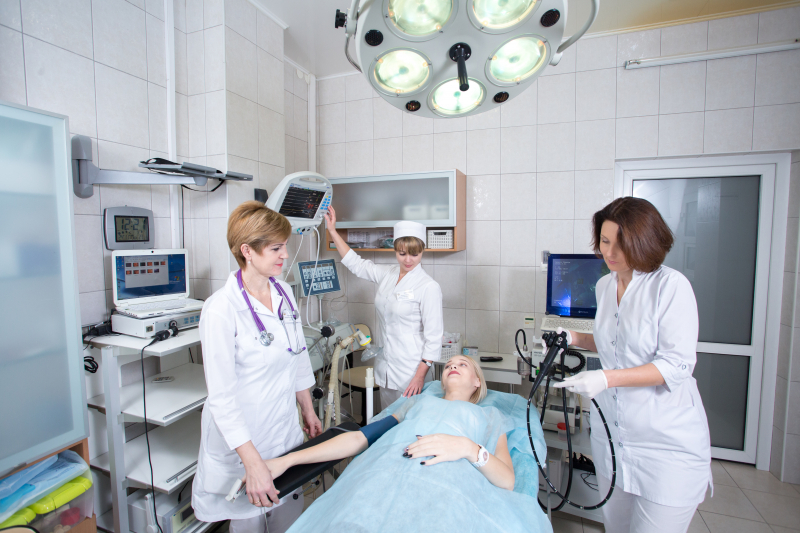
- The clinic has several well-equipped operating rooms.
- We use cordyceps, Milan cocktail, and biopellets for e...
- We use all modern diagnostic and treatment methods, such as HAL-RAR (hemorrhoidal artery ligation under ultrasound guidance) and laser surgery.
- We have our own clinical diagnostic laboratory.
- All procedures are performed without pain and discomfort, during medicated sleep.
- The clinic has several well-equipped operating rooms.
- We use cordyceps, Milan cocktail, and biopellets for effective treatment.
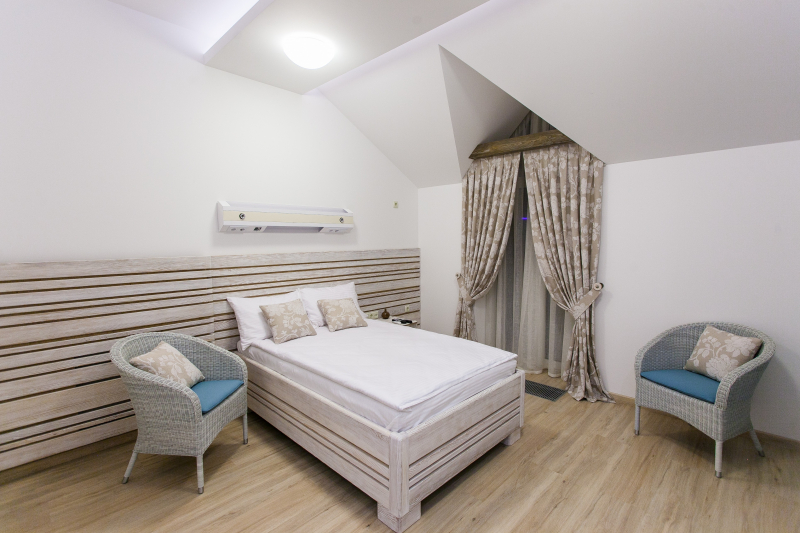
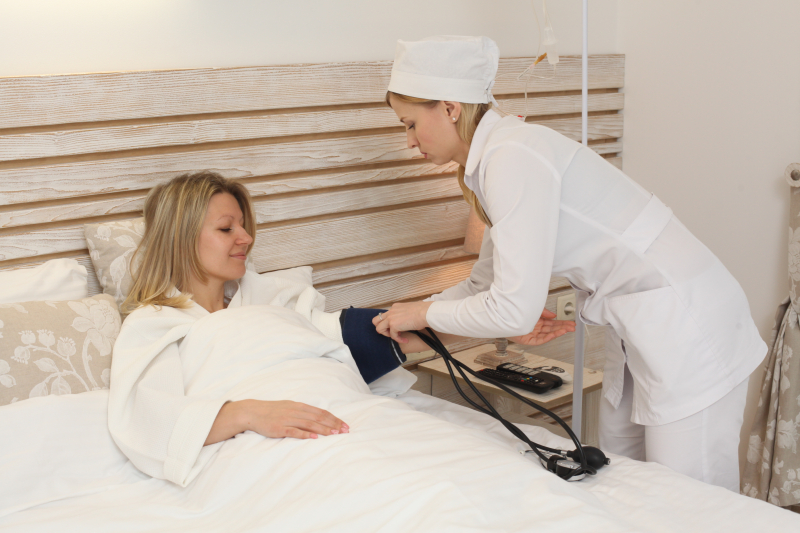
- We offer 24-hour and day inpatient care.

Ryabchinskaya Olga Vladimirovna
Surgeon of the highest category. Vascular surgeon. Proctologist.
TREATMENT AND DIAGNOSIS OF RECTAL DISEASES: HEMORRHOIDS, FISSURE, ITCHING, BLEEDING... HAL RAR OUTPATIENT SURGERY

Antipov Gennady Vladimirovich
Surgeon of the highest category
GENERAL SURGERY, PROCTOLOGY, UROLOGY. Excision of hernias of any location. Surgical treatment of soft tissue diseases: lipoma, atheroma, fibroma, hygroma. Proctology - HAL RAR.

Lysunets Pavel Borisovich
Surgeon of the highest category. European Association for Endoscopic Surgery (EAES)
General surgery. Laparoscopic, endoscopic, and traditional procedures on soft tissues, abdominal organs, and more. Removal of the appendix, hernias of various locations, rectal polyps...




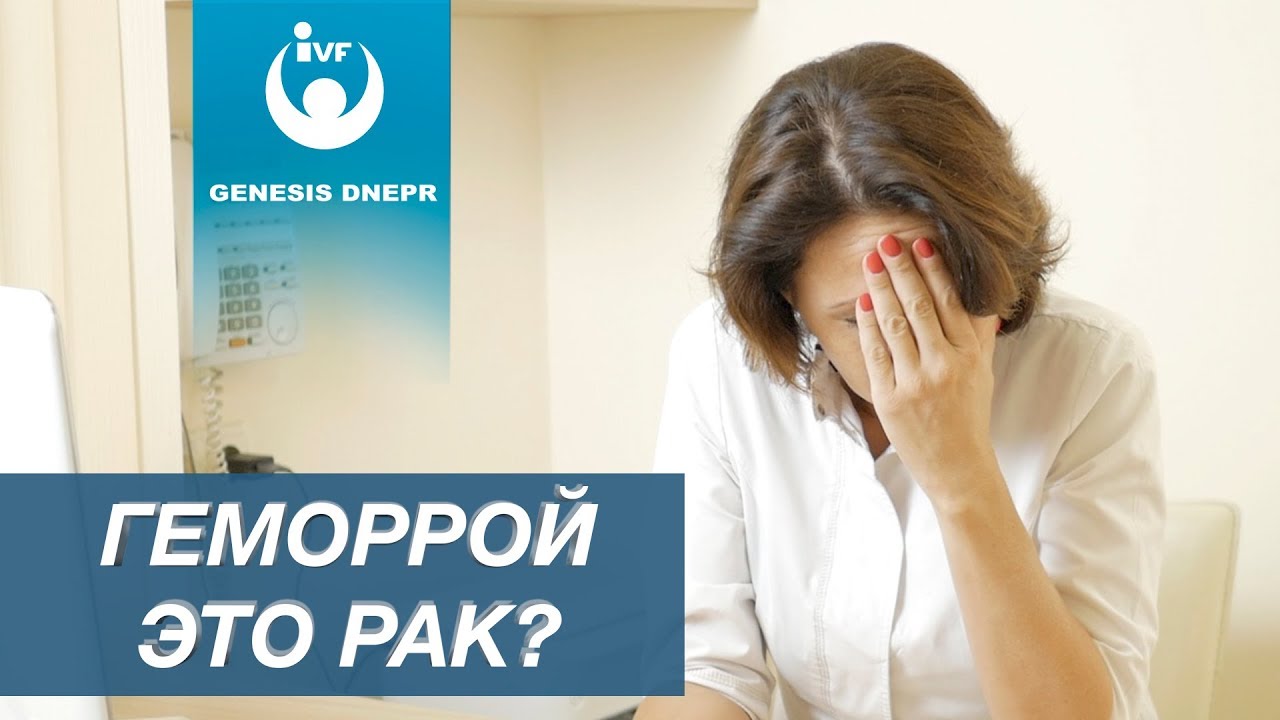
You thought it was hemorrhoids, but it's cancer! Treatment and prevention of hemorrhoids. Dr. Olga Ryabchinskaya
There are several methods for treating hemorrhoids, and the choice of a specific one depends on the severity of the condition. Here are some of them:
1. Medication therapy - this is the first step in treating hemorrhoids. It may include taking medications to reduce inflammation and pain, as well as agents to improve blood circulation in the rectal area.
2. Minimally invasive procedures - these are treatment methods conducted without surgical intervention. They may include sclerotherapy (injecting a special solution to reduce the size of hemorrhoidal nodes), laser coagulation (using a laser to remove hemorrhoidal nodes), or electrocoagulation (using electric current to remove hemorrhoidal nodes).
3. Surgical intervention - this is a last resort when other treatment methods have not yielded results. Surgical removal of hemorrhoidal nodes can be performed in various ways, including mechanical excision (removal of nodes with instruments), laser surgery, or wide excision (removal of part of the rectum where the hemorrhoidal nodes are located).
4. Prevention - after successful treatment of hemorrhoids, it is very important to prevent their recurrence. This requires following the doctor's recommendations, including a proper diet with sufficient fiber and fluids, regular physical exercise, and avoiding prolonged sitting or standing.
Treatment of hemorrhoids should be comprehensive and include not only medication therapy or surgical intervention but also lifestyle changes. Only in this way can the best results be achieved and the recurrence of the problem prevented. If you experience symptoms of hemorrhoids, be sure to consult a doctor for qualified assistance and to choose the optimal treatment method.
Treatment for an anal fissure may include the following methods:
1. Topical treatment - This is the first step in treating an anal fissure. It may involve the application of ointments or creams to reduce inflammation and pain, as well as to speed up the healing of the tear.
2. Lifestyle changes - To prevent the recurrence of an anal fissure, certain habits need to be changed. It is important to maintain regular bowel movements, avoid constipation and excessive straining during defecation, and eat a proper diet with sufficient fiber and fluids.
3. Surgical intervention - If topical treatment does not yield results, surgical removal of the anal fissure may be necessary. This can be done through various methods, including mechanical excision or laser surgery.
4. Prevention - After successful treatment of an anal fissure, it is important to prevent its recurrence. This requires following the doctor's recommendations and avoiding injury to the anus.
If you have symptoms of an anal fissure, be sure to consult a doctor for professional help. Do not delay visiting a doctor, as early diagnosis and treatment can prevent complications and speed up healing. It is also important to remember prevention and follow the doctor's recommendations to prevent recurrent cases of anal fissure.
Below are some common methods for treating anal itching:
1. Topical treatment - In most cases, itching can be reduced with topical treatment. This may include the application of ointments or creams containing anesthetics or anti-inflammatory components. Preparations for softening the skin and promoting healing may also be prescribed.
2. Lifestyle changes - To prevent the recurrence of anal itching, some habits need to be changed. It is important to maintain hygiene in the anal area, avoid injury and excessive straining during bowel movements, and eat properly with sufficient fiber and fluids.
3. Treatment of the underlying condition - If the itching is caused by hemorrhoids, anal fissures, or an infection, it is necessary to treat the underlying condition to eliminate the itching.
4. Prevention - After successful treatment of anal itching, it is important to prevent its recurrence. This requires following the doctor's recommendations and avoiding injury to the anus.
If you have symptoms of anal itching, be sure to consult a doctor for qualified assistance. Self-medication should be avoided, as it can lead to a worsening of the condition. It is also important to remember about prevention and follow the doctor's recommendations to prevent repeated cases of anal itching.
1. Lifestyle Changes - Constipation is often caused by a poor diet and insufficient physical activity. Therefore, the first step in treating constipation is to change your lifestyle. It is recommended to increase the intake of fiber, water, and physical activity.
2. Laxatives - If lifestyle changes do not help, a doctor may prescribe laxatives. However, they should not be used frequently as this can lead to dependency.
3. Stool Softeners - In some cases, constipation may be caused by overly hard stools. In this case, a doctor may prescribe medications that help soften the stool.
4. Abdominal Massage - Abdominal massage can help stimulate bowel peristalsis and improve the defecation process.
5. Treating the Underlying Condition - If constipation is caused by an underlying condition, it is necessary to treat it to alleviate constipation.
It is important to remember that treating constipation may take some time and requires patience. If you have chronic constipation or it does not improve after lifestyle changes and medication, it is necessary to consult a doctor for further assistance. It is also important to follow the doctor's recommendations and avoid self-medication.
The HAL-RAR procedure is performed under local anesthesia and does not require hospitalization. Using a special instrument (proctoscope), the doctor locates and ligates the arteries supplying the hemorrhoidal nodes, leading to their reduction and regression. Then, the recto-anal repair method is performed, which involves creating a new connection between the rectum and the skin of the anal canal, helping to reduce pressure in the anal canal area and preventing the recurrence of hemorrhoids.
Advantages of the HAL-RAR method:
1. Minimally invasive - the procedure is performed without incisions and stitches, reducing the risk of complications and speeding up the recovery process.
2. Less invasive - the procedure does not require general anesthesia or hospitalization, allowing the patient to recover faster and return to normal life.
3. Painless - thanks to local anesthesia, the patient does not experience pain during the procedure.
4. Effective - the HAL-RAR method has proven effective in treating both internal and external hemorrhoidal nodes.
5. Low recurrence rate - due to the recto-anal repair method, the HAL-RAR method prevents the recurrence of hemorrhoids.
It is important to note that the HAL-RAR method may be ineffective in cases of severe hemorrhoids or if there are other rectal issues. Therefore, it is necessary to consult a doctor before the procedure and choose the most suitable treatment method.
The procedure for treating hemorrhoids with a laser is performed under local or general anesthesia. The laser radiation is directed at the affected areas, leading to their heating and coagulation (sealing) of the blood vessels that supply the hemorrhoidal nodes. This results in their reduction and regression.
Advantages of laser treatment for hemorrhoids:
1. Minimally invasive - the procedure does not require incisions or stitches, reducing the risk of complications and speeding up the recovery process.
2. Less invasive - the procedure does not require general anesthesia or hospitalization, allowing the patient to recover faster and return to normal life.
3. Painless - thanks to local or general anesthesia, the patient does not experience pain during the procedure.
4. Effective - the laser treatment method has proven effective in treating both internal and external hemorrhoidal nodes.
5. Low recurrence rate - by coagulating the blood vessels, the laser treatment method prevents the recurrence of hemorrhoids.
It is important to note that laser treatment for hemorrhoids may be ineffective in cases of severe hemorrhoids or if there are other issues with the rectum.
1. ЗАПИСЬ ПО ТЕЛЕФОНУ:
+38(067) 544-68-28+38 0963701324
2. Surgical treatment: In some cases, when conservative treatment does not lead to complete recovery, surgical intervention may be required. Procedures may include anal dilation, fissure removal, or performing a therapeutic incision.
3...
2. Surgical treatment: In some cases, when conservative treatment does not lead to complete recovery, surgical intervention may be required. Procedures may include anal dilation, fissure removal, or performing a therapeutic incision.
3. Ozone therapy can be used as a treatment method for anal fissures. It may help accelerate fissure healing, prevent infection, and reduce inflammation.
4. Physiotherapy: Physiotherapeutic procedures, such as the application of laser therapy, can help restore damaged tissues and speed up fissure healing.
5. Dietary and lifestyle changes: It is important to maintain regular bowel movements and avoid constipation, which can help prevent the recurrence of fissures. It is recommended to increase the intake of fiber-rich foods and drink an adequate amount of water.
In any case, before starting treatment for an anal fissure, it is necessary to consult a doctor for an accurate diagnosis and to determine the most effective treatment method for each specific case.
долгота: 35.0320729


