
For the convenience of our patients, we offer a package-based approach to pregnancy management.
Our principle is that there are no small details when it comes to managing pregnancy. Within the walls of our clinic, patients receive the entire necessary range of services.
- Own maternity hospital
- Experience with the most complex patients after IVF, as well as in cases of pregnancy loss
- Option to choose your own doctor
- Unlimited doctor visits at any convenient time
- Involvement of related specialists if necessary
- Day hospital and 24-hour inpatient care. Comfortable single rooms
- Own robotic laboratory
- State-of-the-art diagnostic equipment...
- Own maternity hospital
- Experience with the most complex patients after IVF, as well as in cases of pregnancy loss
- Option to choose your own doctor
- Unlimited doctor visits at any convenient time
- Involvement of related specialists if necessary
- Day hospital and 24-hour inpatient care. Comfortable single rooms
- Own robotic laboratory
- State-of-the-art diagnostic equipment for mother and fetus -- expert class
- Maternal school, massage for pregnant women
- Presence of the attending physician during childbirth -- upon request.

Revilo Olga Ivanovna
Obstetrician-gynecologist of the highest category. Chief physician.
Obstetrics and Gynecology. Pregnancy Pathology. Management of complicated and normal pregnancies, as well as after IVF programs. Pregnancy management in cases of fetal loss syndrome. General Gynecology.

Sulima Elena Mikhailovna
Obstetrician-gynecologist of the highest category, chief physician of the maternity hospital "GENESIS DNIPRO"
OBSTETRICS: PREGNANCY CARE, CHILDBIRTH, CESAREAN SECTION, POSTPARTUM MANAGEMENT GENERAL GYNECOLOGY

Gribanova Lyudmila Valerievna
Obstetrician-gynecologist of the 1st category.
Management of complicated and normal pregnancies, as well as pregnancies following IVF programs and in cases of recurrent pregnancy loss. General gynecology.

Kostenko Vitaliy Grigoryevich
Obstetrician-gynecologist of the highest category.
OBSTETRICS: PREGNANCY CARE, CHILDBIRTH, CESAREAN SECTION GYNECOLOGY: DISEASES OF THE UTERUS AND ENDOMETRIUM, OVARIES, PREGNANCY TERMINATION MENSTRUAL CYCLE DISORDERS CYSTITIS

Fedoruk Natalya Sergeevna
Obstetrician-gynecologist.
OBSTETRICS AND GYNECOLOGY, PREGNANCY CARE, CHILDBIRTH, INTIMATE REJUVENATION, AESTHETIC GYNECOLOGY AND PRP THERAPY, INFERTILITY TREATMENT...

Chernomorets Svetlana Nikolaevna
Obstetrician-gynecologist of the highest category
OBSTETRICS AND GYNECOLOGY, PREGNANCY CARE, CHILDBIRTH, INTIMATE REJUVENATION, AESTHETIC GYNECOLOGY AND PRP THERAPY, INFERTILITY TREATMENT, PEDIATRIC GYNECOLOGY.

Vasilyeva Alina Alexandrovna
Obstetrician-gynecologist, reproductive specialist, ultrasound doctor
Pregnancy planning. IVF. Preparation for IVF. Folliculometry. Pregnancy management. General gynecology: menstrual cycle disorders, cervical treatment, endometrial pathology, contraceptive selection, HPV vaccination; aesthetic gynecology. Ultrasound of the thyroid gland, breast, and pelvic organs.

Kulbach Irina Ivanovna
Obstetrician-gynecologist of the highest category, Honored Doctor of Ukraine.
OBSTETRICS: PREGNANCY CARE, CHILDBIRTH, CESAREAN SECTION, POSTPARTUM MANAGEMENT. GENERAL GYNECOLOGY: preventive examinations, pregnancy termination, menopausal syndrome, treatment of inflammatory conditions, contraception selection. Intimate plastic surgery.
Prenatal care in a private clinic - how it works. Tested by an obstetrician-gynecologist herself.
Amniocentesis is usually performed between the 15th and 20th weeks of pregnancy. The procedure is conducted under ultrasound guidance to accurately determine the location from which the amniotic fluid will be taken. The doctor uses a thin needle to puncture the uterine abdominal wall and reach the amniotic cavity. Then, a small amount of fluid is drawn using a syringe.
The collected amniotic fluid is sent to a laboratory for further analysis. Typically, a cytogenetic study is conducted to determine the presence of chromosomal abnormalities, such as Down syndrome or Edwards syndrome. Testing for genetic diseases, such as cystic fibrosis or spinal muscular atrophy, may also be performed.
Amniocentesis is an invasive procedure and carries some risks. The main risk is the possibility of miscarriage. However, this risk is very low, approximately 0.5-1%. There is also a possibility of bleeding, infection, and fetal injury from the needle. The doctor should discuss all the risks and benefits of amniocentesis with the pregnant woman before the procedure.
Amniocentesis may be recommended in the following cases:
- If the woman has a high risk of developing genetic or chromosomal abnormalities, for example, if she is over 35 years old.
- If there is a family history of genetic diseases or chromosomal abnormalities.
- If an ultrasound examination has shown abnormalities in the fetus.
- If previous screening tests, such as tests for Down syndrome or Edwards syndrome, have revealed abnormalities.
Amniocentesis is an important procedure for diagnosing genetic and chromosomal abnormalities in the fetus. However, the decision to undergo amniocentesis should be made individually, taking into account all the risks and benefits for each specific pregnant woman. It is important to discuss all questions and concerns with a doctor or midwife before making a decision.
The goal of obstetric screening is to identify a high risk of certain diseases in the fetus, providing parents with the opportunity to make decisions about further actions, such as undergoing additional tests or procedures to confirm a diagnosis.
Obstetric screening may include the following tests:
- Blood test for risk markers. This test examines certain substances or proteins in the mother's blood that may indicate possible fetal abnormalities.
- Ultrasound to assess the structure and size of the fetus.
- Combined test, which integrates blood analysis and ultrasound to assess the risk of chromosomal abnormalities, such as Down syndrome.
The results of obstetric screening are not a definitive diagnosis but may indicate potential issues that require further investigation. If the screening results show a high risk of disease, the doctor may recommend more precise tests, such as amniocentesis or chorionic villus sampling, to confirm the diagnosis.
Obstetric screening is voluntary, and parents have the right to decide whether to undergo it or decline. The doctor should provide all necessary information about the procedure and its possible outcomes to help parents make an informed choice.
Pregnancy ultrasound is performed using an ultrasound probe that is gently moved over the pregnant woman's abdomen. Sound waves are reflected from organs and tissues, and the obtained information is converted into an image on a monitor. The doctor can examine the fetus, its heartbeat, the placenta, surrounding structures, and other parameters.
Pregnancy ultrasound is safe for both the mother and the fetus and is not associated with risks. The procedure is usually conducted in a doctor's office or a specialized clinic. During the ultrasound, the pregnant woman may lie on her back or side to ensure comfort and convenience.
Pregnancy ultrasound may be recommended in the following cases:
- To determine the exact date of pregnancy and assess the gestational age.
- To evaluate the growth and development of the fetus, including its size, weight, and position.
- To identify possible abnormalities or special conditions of the fetus, such as Down syndrome or spina bifida.
- To assess the condition and function of the placenta.
- To monitor multiple pregnancies or other special conditions.
Pregnancy ultrasound is an important tool for monitoring and assessing pregnancy. It allows the doctor to obtain valuable information about the fetus's condition and take appropriate measures if necessary. It is important to discuss any questions and concerns with a doctor or midwife before undergoing a pregnancy ultrasound.
1. Geneticist: A geneticist can cond...
1. Geneticist: A geneticist can conduct a detailed family and medical assessment to determine the presence of genetic risk factors for the baby. They can also perform genetic tests to identify possible genetic abnormalities in the fetus.
2. Perinatologist: A perinatologist is a doctor specializing in high-risk pregnancies and pregnancy-related complications. They can offer additional ultrasound examinations and other procedures to assess the health of the fetus and the mother.
3. Cardiologist: If there are potential heart problems in the fetus or mother, a cardiologist can conduct further examinations and offer specialized medical care.
4. Neurologist: If there are potential neurological issues in the fetus or mother, a neurologist can conduct further examinations and offer specialized medical care.
5. Endocrinologist: If the mother has issues with the thyroid or other endocrine glands, an endocrinologist can offer additional examination and treatment.
6. Psychologist: Pregnancy can be an emotionally and psychologically challenging period for parents. A psychologist can offer support and counseling for parents experiencing stress or anxiety.
It is important to consult a specialist if you have any concerns or if your doctor recommends it. A specialist can provide additional medical examination and consultation to ensure the optimal health and well-being of both the mother and the fetus.
The CTG procedure is non-invasive and safe for both the fetus and the mother. To perform CTG, sensors are placed on the abdomen of the pregnant woman to record the fetal heart rate and movements. The information is transmitted to the cardiotocograph, which displays it on a paper strip or monitor screen.
CTG can be conducted in both outpatient clinics and hospitals. It is usually scheduled around the 30th to 32nd week of pregnancy and is performed weekly until delivery. It allows for the assessment of the fetus's condition, heart rate, movements, and response to uterine contractions.
CTG can detect fetal problems such as hypoxia (insufficient oxygen supply), heart rhythm disturbances, developmental delays, and others. It can also help determine the optimal timing for delivery and assess its success.
However, like any other diagnostic method, CTG has its limitations. It may not always accurately determine the fetus's condition and can produce false-positive or false-negative results. Additionally, it cannot replace other diagnostic methods, such as ultrasound examination.
CTG is an important method for monitoring the fetus's condition during pregnancy. However, it is necessary to consult with a doctor before undergoing the procedure to evaluate its effectiveness and safety for each specific case.
At the courses offered by the Genesis-Dnipro clinic, future mothers and fathers will receive information about the physiology of pregnancy, proper nutrition and self-care, physical exercises for pregnant women, preparation for childbirth, and possible complications. The courses also cover the development of the baby in the womb and how to properly care for them after birth.
Additionally, the courses for expectant parents discuss important issues of child-rearing, such as how to communicate with the child, how to develop their emotional and intellectual spheres, and how to handle difficult situations.
The courses for expectant parents also include practical sessions, such as training in proper feeding and newborn care, demonstrations of baby bathing techniques, and other useful skills.
Participating in courses for expectant parents can help parents feel more confident and calm as they approach childbirth and begin a new life with their child. Moreover, the courses provide an opportunity to meet other expectant parents and share concerns and questions.
It is important to note that courses for expectant parents do not replace medical consultations and cannot predict all possible problems and complications during pregnancy and childbirth. However, they can help parents better understand what is happening and be prepared for their new role.
1. Examinations and Consultations: Highly qualified doctors conduct a full medical examination, including ultrasound scans to monitor fetal development.
2. Laboratory Tests: Regular blood and urine tests ensure the monitoring of the health of both mother and child.
3. Personalized Nutrition Plan: Nutrition experts develop an individual diet plan, taking into account the body's needs during pregnancy.
4. Childbirth Preparation: Courses aimed at preparing for childbirth and stress management.
5. Massage and Physical Activity: Special procedures and exercises that help improve physical and emotional well-being.
6. Psychological Support: Qualified psychologists provide support during pregnancy and the postpartum period.
7. Emergency Medical Assistance: Guaranteed access to urgent care in case of unexpected situations.
This approach allows expectant parents to feel confident, receiving everything they need in one place, and highlights the clinic's commitment to the health and comfort of every pregnant woman.
1. Virtual Consultations: The ...
1. Virtual Consultations: The ability to conduct consultations with doctors and pregnancy care specialists online, which is especially important for those in remote areas.
2. Telemedicine Monitoring: The use of technology for remote monitoring of the pregnant woman's health indicators, such as blood pressure or heart rate.
3. Online Courses: Providing materials and courses on childbirth preparation, nutrition, and general self-care during pregnancy via the internet.
4. Access to Results and Tests: The ability to receive test results and examinations online.
This approach ensures more flexible and convenient pregnancy management, especially in today's world where technology plays a key role in providing access to medical services.
Pregnancy management in a private clinic - how it happens. Tested by an obstetrician-gynecologist herself.

Pregnancy Management at Genesis Dnepr Clinic.
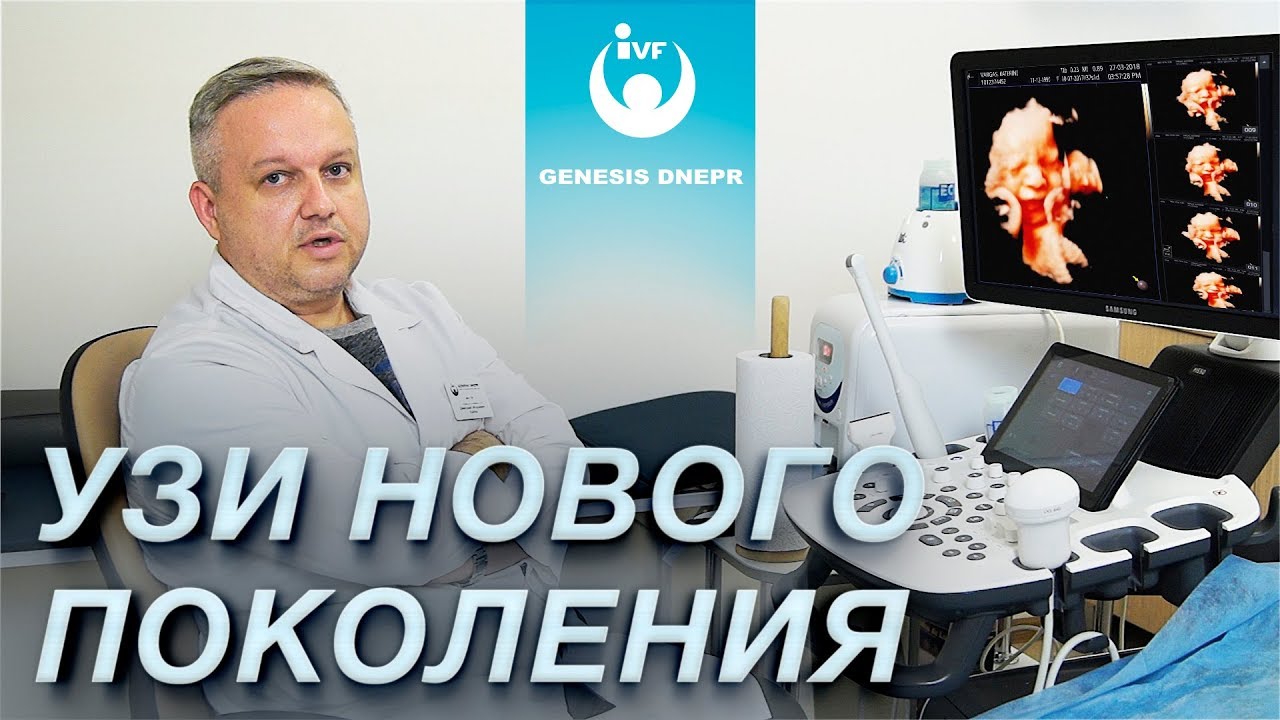
New generation ultrasound for pregnant women, obstetric screening at the "Genesis Dnipro" clinic. Doctor Lailo D.I.
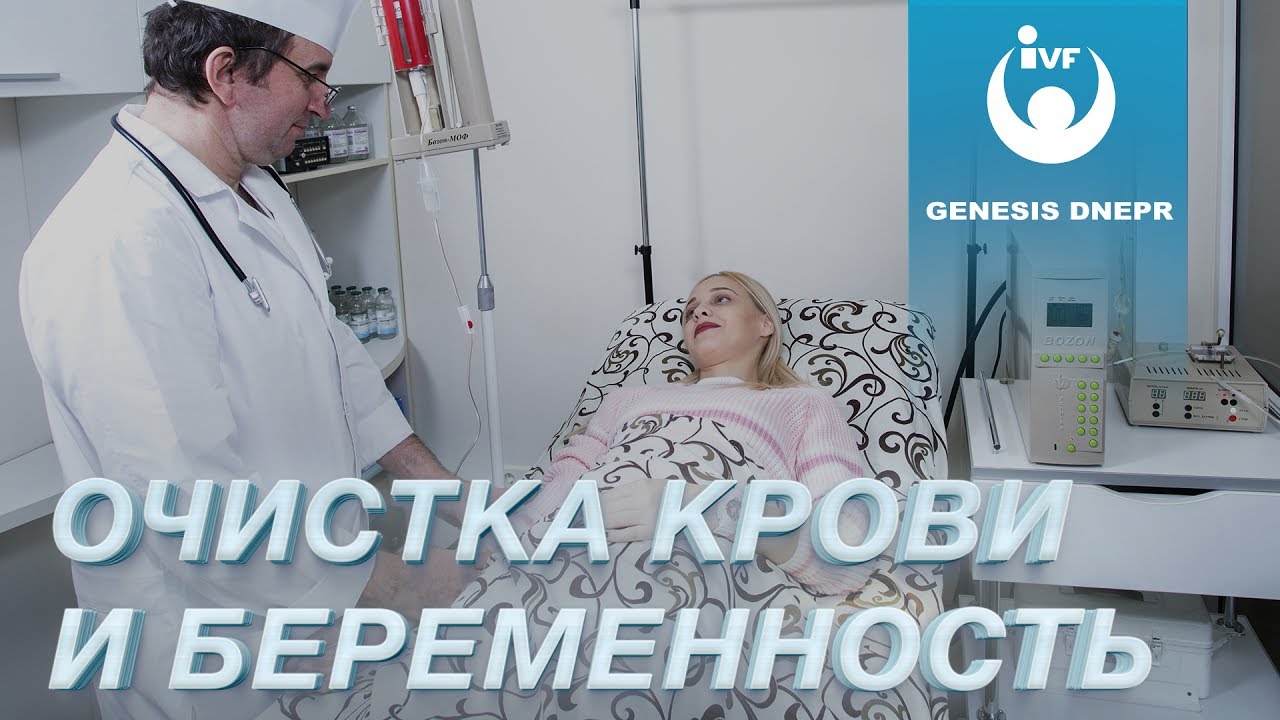
Plasmapheresis (blood purification) for pregnancy planning

About Genesis Dnepr Clinic / Genesis Dnepr Clinic
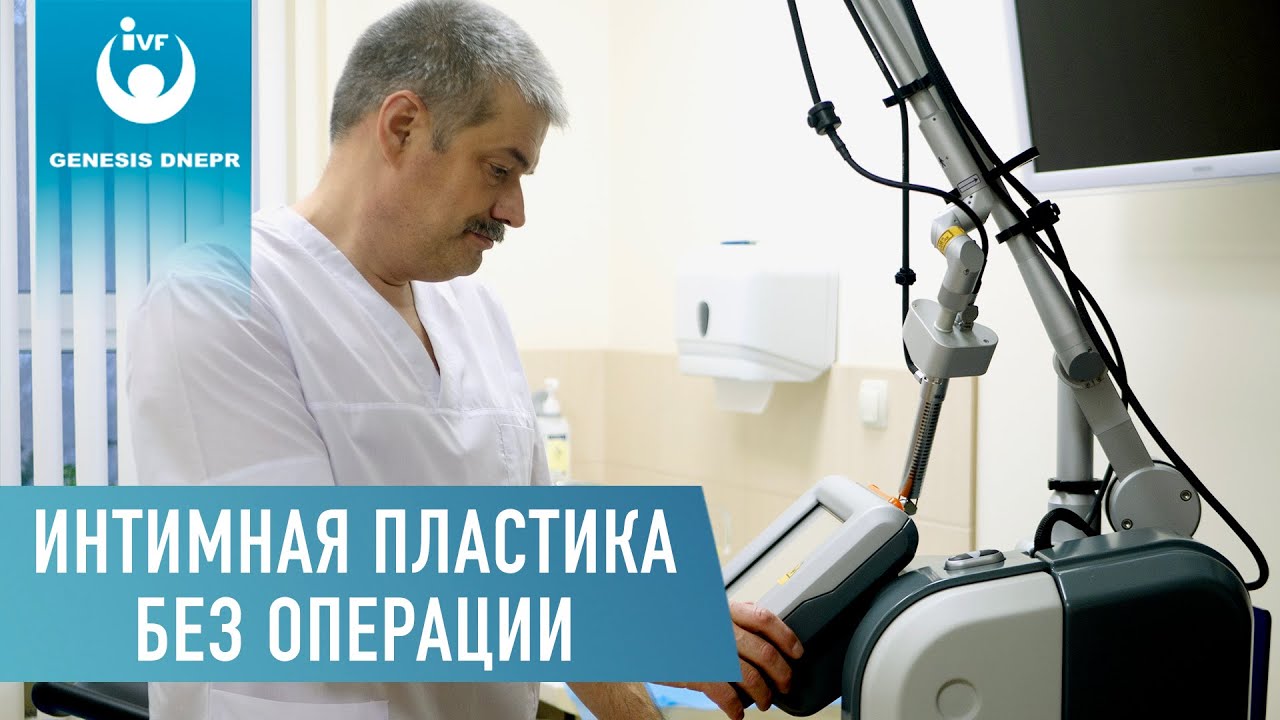
Laser intimate plastic surgery without pain and operation. Treatment of the intimate area with CO2 laser MonaLisa Touch Deka.
Hemorrhoidal disease. How to treat hemorrhoids. Proctologist Olga Vladimirovna Ryabchinskaya.
New generation ultrasound for pregnant women, obstetric screening at the "Genesis Dnipro" clinic. Doctor Lailo D.I.

Tummy tuck. How to achieve a beautiful abdomen? Laser plastic surgery. Abdominoplasty | Surgeon Shevtsov
1. ЗАПИС ПО ТЕЛЕФОНУ:
+38(067) 544-68-282. ЗАПИСЬ ЧЕРЕЗ АНКЕТУ:
Анкета слугує для попереднього знайомства лікаря з медичною інформацією про Вас та дає можливість записатися на платну чи безкоштовну консультацію ...
The clinic's reception phone number is +38 0963701324.
If you haven't made a decision yet and want to come for a tour, call the clinic's PR manager, Elena Ponomareva, at +38 0982412246.
2. Use of special devices: There are special devices that help train the pelvic floor muscles and restore vaginal tone. These devices are inserted into the vagina and require muscle contractions to hold them in place.
3. Laser revitalization: Vaginal restoration using fractional CO2...
2. Use of special devices: There are special devices that help train the pelvic floor muscles and restore vaginal tone. These devices are inserted into the vagina and require muscle contractions to hold them in place.
3. Laser revitalization: Vaginal restoration using fractional CO2 laser is a modern method that uses laser irradiation to stimulate tissue regeneration and increase collagen in the vagina. This helps improve the tone and elasticity of the vagina, as well as make it tighter.
4. Surgical methods: In some cases, when other methods do not provide the desired results, surgical intervention may be required to restore the vagina. One such method is vaginal reconstruction, which involves the removal of excess tissue and strengthening of the vaginal muscles.
It is important to note that the choice of method for vaginal restoration after childbirth depends on the individual characteristics of each woman and should be discussed with a doctor.
долгота: 35.0320729


