
PDT can be used to treat various diseases, including:
1. Skin cancer and other tumors: melanoma,...
PDT can be used to treat various diseases, including:
1. Skin cancer and other tumors: melanoma, basal cell carcinoma, squamous cell carcinoma, etc.
2. Skin conditions: acne, rosacea, psoriasis, lupus erythematosus, etc.
3. Eye diseases: macular degeneration, glaucoma, diabetic retinopathy, etc.
4. Respiratory diseases: lung cancer, asthma, chronic bronchitis, etc.
5. Genitourinary diseases: prostate cancer, cervical cancer, urinary tract infections, etc.
6. Digestive system diseases: stomach cancer, liver cancer, peptic ulcers, etc.
7. Nervous system diseases: Parkinson's disease, Alzheimer's disease, migraines, etc.
8. Blood system diseases: thrombosis, thrombophlebitis, varicose veins, etc.
9. Musculoskeletal system diseases: arthritis, osteochondrosis, rheumatoid arthritis, etc.
10. Immune system diseases: autoimmune diseases, allergies, etc.
PDT has several advantages over other treatment methods:
- Minimally invasive method that does not require surgical intervention.
- High effectiveness in treating various diseases.
- Painless and absence of side effects.
- Can be applied at any age.
- Can be used in combination with other treatment methods.
- Does not require the use of medications.
Today, photodynamic therapy is recognized worldwide as one of the most effective and painless procedures.
- Possible combination of treatment methods depending on your diagnosis and the doctors' consultation
- Availability of all specialized medical professionals
- Own clinical and diagnostic laboratory
- 24-hour inpatient care with single rooms
- Autonomy of the clinic's operations: heating, water, electricity.

Kostenko Vitaliy Grigoryevich
Obstetrician-gynecologist of the highest category.
OBSTETRICS: PREGNANCY CARE, CHILDBIRTH, CESAREAN SECTION GYNECOLOGY: DISEASES OF THE UTERUS AND ENDOMETRIUM, OVARIES, PREGNANCY TERMINATION MENSTRUAL CYCLE DISORDERS CYSTITIS

Poltavets Antonina Pavlovna
Adult and pediatric otolaryngologist, highest category (ENT). 25 years of experience.
Acute and chronic tonsillitis. Acute and chronic sinusitis, otitis, laryngitis. ENT cryosurgery. Endoscopy.

Snezinsky Sergey Ivanovich
Doctor-endoscopist of the highest category, with 31 years of experience
Gastroscopy, colonoscopy, endoscopic polypectomy, endoscopic intraluminal pH-metry of the upper gastrointestinal tract, therapeutic PDT - photodynamic therapy.

Andreeva Irma Igorevna
Doctor of dermatologic surgery of the highest category, family doctor, cosmetologist, oncologist, trichologist, podologist. Founder of the first international school of cosmetologists in Ukraine. Bachelor of MBI. PreventAge specialist. Bachelor of the School of Nutritional Medicine.
Removal of skin neoplasms, skin oncology, general therapy, dermatoscopy, laser skin resurfacing, laser blepharoplasty, scar removal, injectable cosmetology, botulinum therapy, thread and filler placement, hair and nail treatment, hyperhidrosis treatment, photodynamic therapy.

Meshchaninov Andrey Alexandrovich
Anesthesiologist of the highest category.
Anesthesiology and resuscitation. Labor pain relief. Therapy, detoxification. Plasmapheresis (blood purification) membrane and discrete. Alcohol withdrawal treatment. Treatment of pain syndrome resistant to medication therapy. Back pain. Ozone therapy, UV blood irradiation.
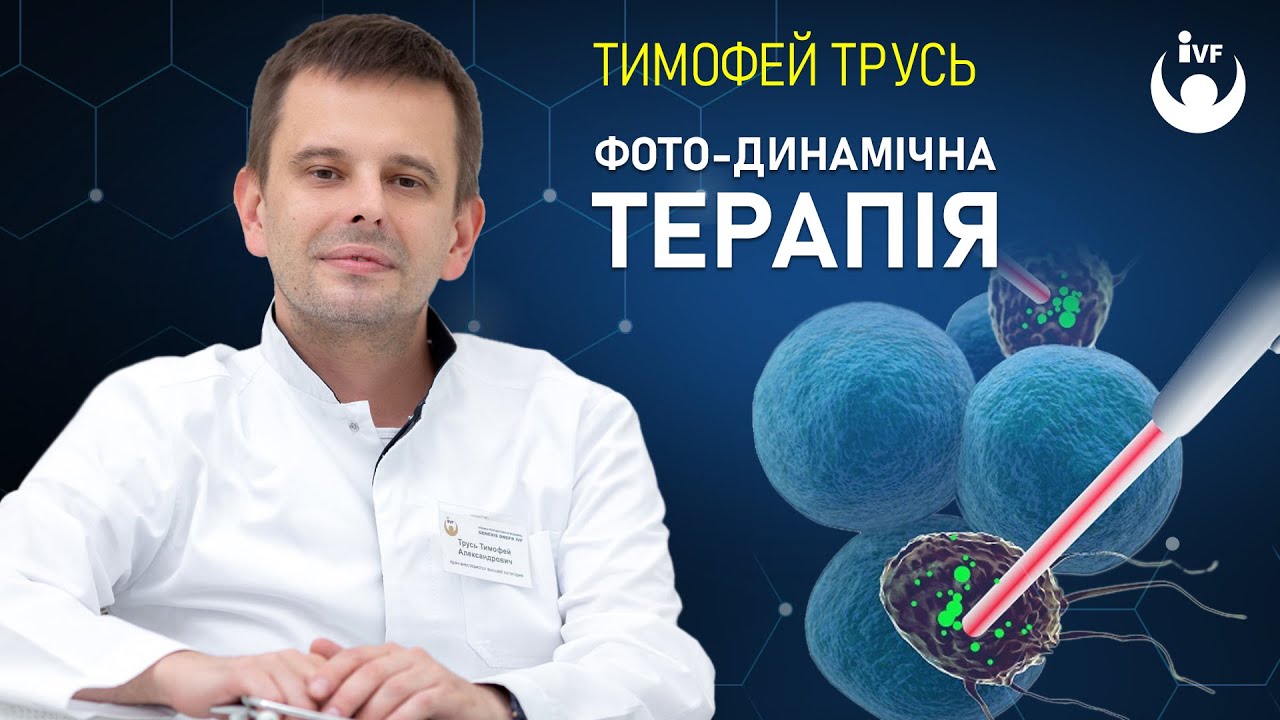
What does photodynamic therapy treat? PDT in cancer treatment. Timofey Trus speaks.
The treatment of skin cancer depends on the stage of the disease and its type. One of the most effective treatment methods is photodynamic therapy (PDT). This method combines the use of a photosensitizer and a light source to destroy cancer cells.
The principle of photodynamic therapy is that the photosensitizer, introduced into the patient's body, accumulates in cancer cells and becomes active when exposed to light of a specific wavelength. This leads to the formation of reactive oxygen species, which destroy the membranes and structures of cancer cells, ultimately leading to their death.
The photodynamic therapy procedure consists of several stages. First, the patient is administered a photosensitizer, which can be introduced either into the body (orally or intravenously) or applied to the skin's surface. Then, the patient waits for a certain period to allow the photosensitizer to accumulate in the cancer cells. After this, a light source is applied to the affected area, activating the photosensitizer and initiating the destruction of cancer cells. Depending on the size and location of the tumor, several PDT sessions may be required to completely destroy the cancer cells.
One of the main advantages of photodynamic therapy is its high effectiveness and minimal side effects. When applied correctly, PDT can completely destroy cancer cells without leaving residues, making it ideal for treating superficial forms of skin cancer. Additionally, PDT can be used to treat recurrent cases of skin cancer and prevent the development of new tumors.
However, like any other treatment method, photodynamic therapy has its limitations. It cannot be used to treat deeply located tumors or metastases of skin cancer. It is also not suitable for patients with photosensitivity or allergic reactions to photosensitizers.
Moreover, after the PDT procedure, patients may experience some discomfort, such as redness, swelling, or burning in the treated area. These side effects usually disappear within a few days after the procedure. Scarring or changes in skin pigmentation may also occur, but they are usually minimal and fade over time.
Overall, photodynamic therapy is one of the most effective methods for treating skin cancer. It allows for a high degree of cancer cell destruction while having minimal side effects. However, before starting the procedure, a thorough examination and consultation with a doctor are necessary to assess its effectiveness and safety for each specific case. It is also important to remember the need to follow preventive measures to prevent the recurrence of skin cancer, such as using sunscreen and regular skin check-ups with an oncologist.
The PDT procedure in cosmetology involves applying a photosensitizer to the skin, which is then activated by a special light source. This process destroys bacteria, reduces oil production, decreases inflammation, and stimulates collagen production.
Advantages of PDT in cosmetology:
- Improvement of overall skin condition.
- Reduction in the appearance of wrinkles and pigmentation.
- Pore tightening and reduction of oil production.
- Enhancement of skin color and texture.
- Painlessness and lack of side effects.
- Applicability to any skin area.
- Can be combined with other cosmetic procedures.
However, like any other treatment method, PDT may have limitations and contraindications, so it is necessary to consult with a cosmetologist before undergoing the procedure.
Photodynamic therapy is an effective and safe method for treating and improving skin condition. However, results may vary individually, so it is important to choose the optimal course of procedures and monitor the skin's condition afterward.
The PDT procedure in gynecology is performed using a photosensitizer, which is applied to the affected area (vagina, cervix, or vulva). Then, a special light source is directed at this area, which activates the photosensitizer and destroys pathogenic microorganisms or tumor cells.
The main advantage of photodynamic therapy in gynecology is its safety and lack of systemic impact on the body. It does not cause allergic reactions and does not negatively affect the vaginal microflora. Moreover, it can be used to treat pregnant women and does not affect fetal development.
However, like any other procedure, PDT in gynecology has its limitations. It may be ineffective for treating certain forms of oncological diseases or may require repeated procedures to achieve a positive result. It can also cause temporary discomfort or redness in the treated area.
Photodynamic therapy is a safe and effective method for treating various gynecological issues. However, it is necessary to consult with a gynecologist before undergoing the procedure to assess its effectiveness and safety for each specific case. It is also important to follow care recommendations for the treated area after the procedure to achieve the best results.
The PDT procedure in gastroenterology is performed using a photosensitizer, which is introduced into the body either orally or through injections. A special light source is then directed at the affected area, activating the photosensitizer and destroying pathological cells.
The main advantage of photodynamic therapy in gastroenterology is its minimal invasiveness and the absence of the need for surgical intervention. It can also be performed in outpatient settings and does not require patient hospitalization.
However, like any other procedure, PDT in gastroenterology has its limitations. It may be ineffective for treating certain forms of diseases or may require repeated procedures to achieve a positive result. It can also cause temporary discomfort or redness in the treated area.
Photodynamic therapy is a safe and effective method for treating various gastrointestinal tract diseases. However, it is necessary to consult with a gastroenterologist before undergoing the procedure to assess its effectiveness and safety for each specific case. It is also important to follow care recommendations for the treated area after the procedure to achieve the best results.
The PDT procedure in ENT practice is performed using a photosensitizer, which is introduced into the body either orally or through injections. A special light source is then directed at the affected area, activating the photosensitizer and destroying pathological cells.
The main advantage of photodynamic therapy in ENT practice is its minimal invasiveness and the absence of the need for surgical intervention. It can also be performed in outpatient settings and does not require patient hospitalization.
However, like any other procedure, PDT in ENT practice has its limitations. It may be ineffective for treating certain forms of diseases or may require repeated procedures to achieve a positive result. It can also cause temporary discomfort or redness in the treated area.
Photodynamic therapy is a safe and effective method for treating various ENT conditions. However, it is necessary to consult with an ENT specialist before undergoing the procedure to assess its effectiveness and safety for each specific case. It is also important to follow care recommendations for the treated area after the procedure to achieve the best results.
The main advantage of PDT in cosmetology is its ability to stimulate regeneration processes and improve skin condition. It helps reduce wrinkles, improve skin tone, decrease pigmentation, and increase skin elasticity.
The PDT procedure for facial rejuvenation and lifting is usually carried out in several stages with intervals of a few weeks. It is often combined with other cosmetic methods, such as mesotherapy or laser procedures, to achieve the best results.
Photodynamic therapy is a safe and effective method for facial rejuvenation and lifting. However, it is essential to consult with a cosmetologist before undergoing the procedure to assess its effectiveness and safety for each individual case. It is also important to follow post-procedure skincare recommendations to achieve the best results.
Advantages of PDT for psoriasis:
High effectiveness for localized forms of the disease (including on the scalp, palms, and soles).
Minimal side effects — the procedure does not compromise the integrity of the skin and does not cause systemic effects on the body.
Quick recovery — patients can return to their normal lifestyle immediately after the session.
Compatibility with other methods — PDT can be used in conjunction with traditional treatments, such as ointments, phototherapy, or systemic medications.
Photodynamic therapy represents a step towards a personalized and gentle approach to treating psoriasis. It combines scientific advancements with high clinical efficacy, helping patients achieve long-lasting remission and regain self-confidence.
PDT not only alleviates symptoms but also targets the root cause of the disease - pathogenic microorganisms that form a resistant biofilm during chronic inflammation.
Advantages of photodynamic therapy in the treatment of ENT pathologies:
✅ Effective destruction of bacteria, viruses, and fungi, including those resistant to antibiotics
✅ No systemic effects - the drug and light act strictly locally
✅ Minimal risk of side effects
✅ No development of resistance (habituation of microorganisms)
✅ Painless and non-invasive procedure
✅ Possibility of multiple applications if necessary
What ENT diseases are treated with PDT?
Photodynamic therapy is used for a variety of upper respiratory tract pathologies, including:
Chronic tonsillitis
Elimination of infection foci in the tonsils without surgical intervention.
Pharyngitis and laryngitis
Reduction of inflammation and restoration of the mucous membrane of the pharynx and larynx.
Rhinitis and sinusitis (including chronic)
Impact on the inflamed mucosa of the nose and paranasal sinuses, cleansing from infection.
Otitis (external and middle)
Treatment of inflammatory processes in the ear with bactericidal and anti-inflammatory effects.
Laryngeal papillomatosis, neoplasms of ENT organs
PDT is used as an adjunct to surgical treatment or as an independent method.
How does the procedure work?
A photosensitizing agent (usually in the form of a gel or solution) is applied to the mucous membrane.
After a short exposure period (on average 10-20 minutes), irradiation is performed using a laser or LED device.
The procedure takes about 15-30 minutes and does not require pain relief or anesthesia.
After the session, the patient can immediately return to their usual activities.
The treatment course usually includes 3-5 procedures, depending on the nature and severity of the disease.
Why choose photodynamic therapy?
PDT is a high-tech alternative to antibiotic therapy and surgical methods. It is particularly relevant for frequently recurring diseases when standard treatment does not yield the expected results or is accompanied by side effects.
In our clinic, photodynamic therapy is performed using modern equipment and certified drugs, under the supervision of experienced ENT specialists.
Bioidentical therapy, pellets, bioidentical hormones. Interview with doctor Igor Perelygin.
How to treat HPV - human papillomavirus? Diagnosis and treatment. Gynecologist Fedoruk Natalia.
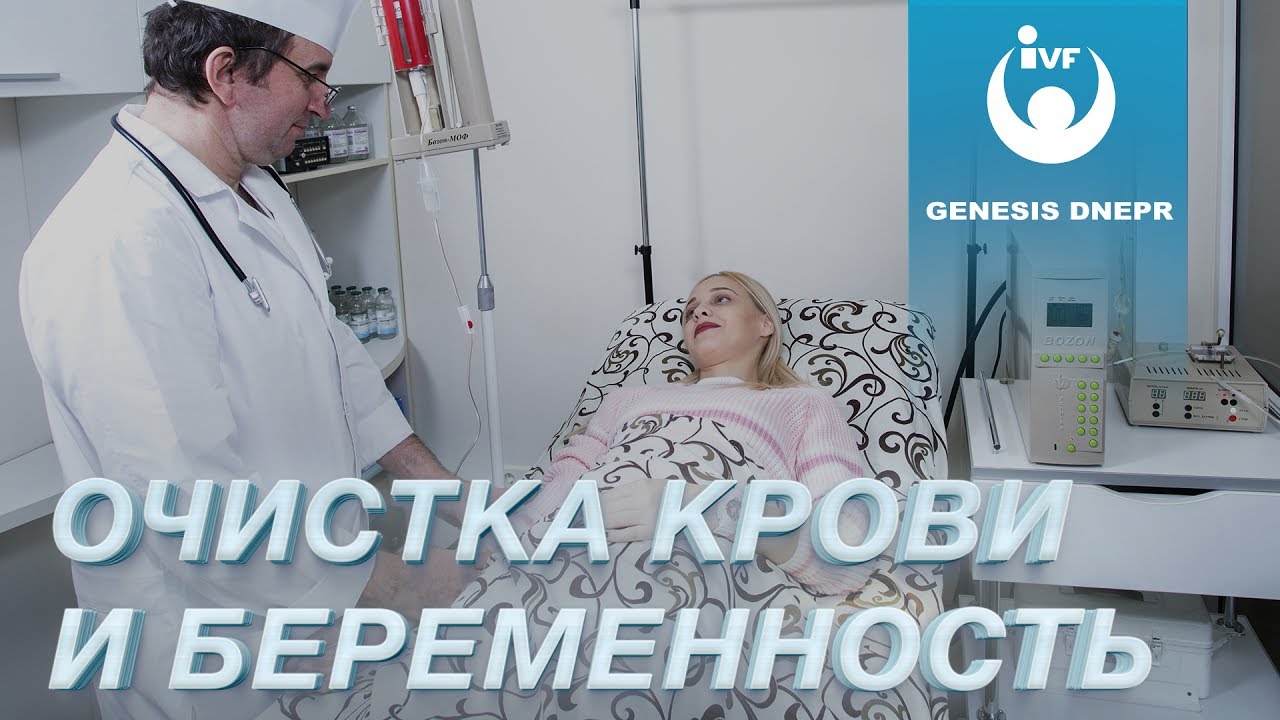
Plasmapheresis (blood purification) for pregnancy planning.
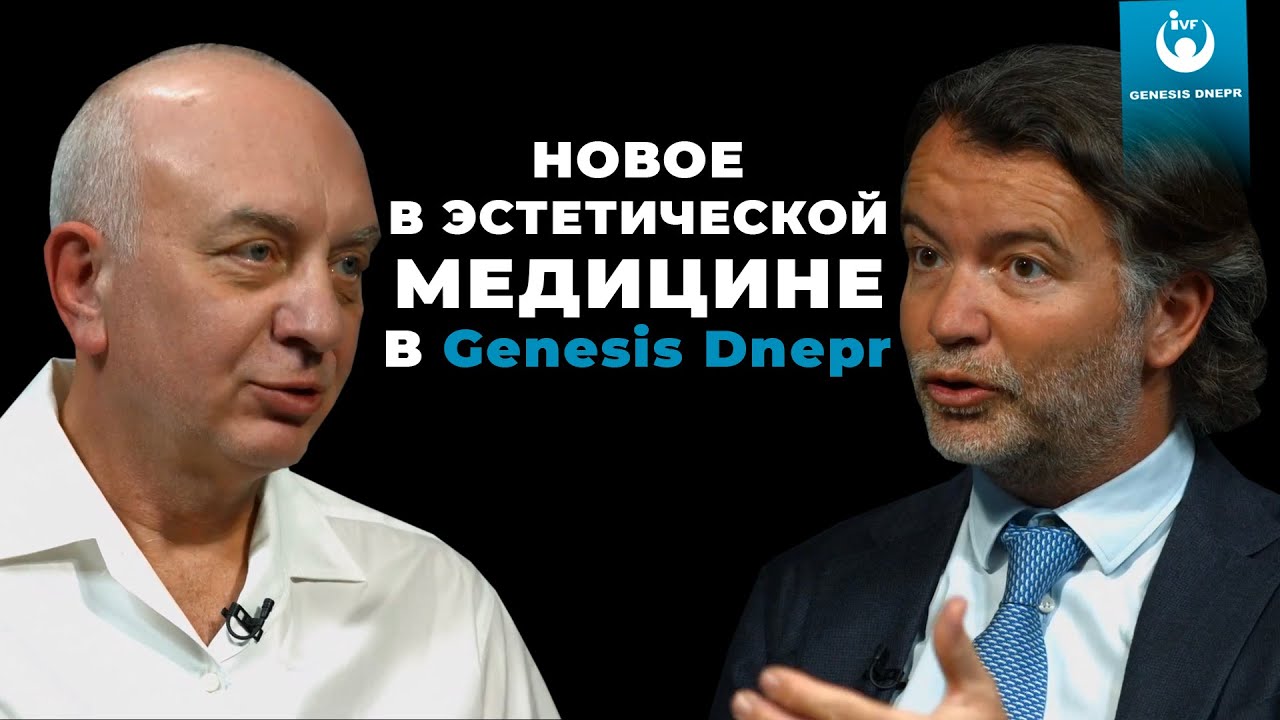
Lipo-filling | Liposculpture of the face, neck, arms, and the entire body. Mario Goisis and Igor Perelygin.
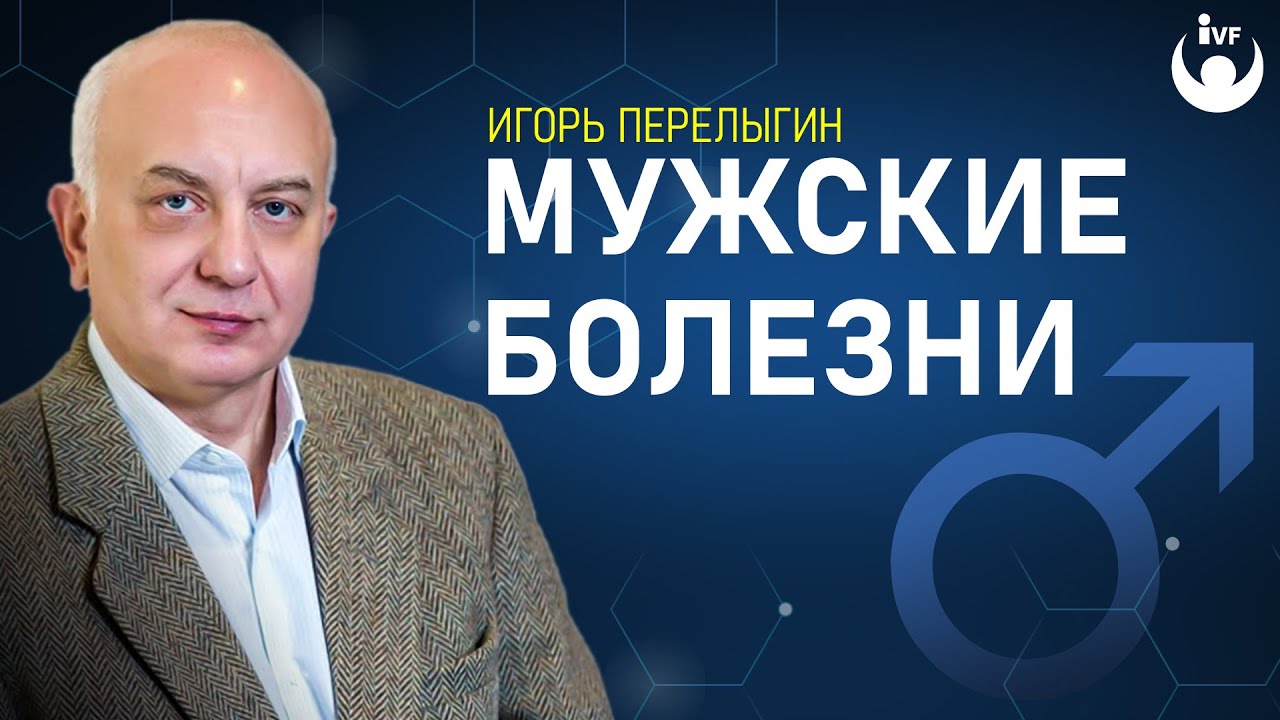
Igor Perelygin on male infertility, male dysfunction, and decreased sperm quality.
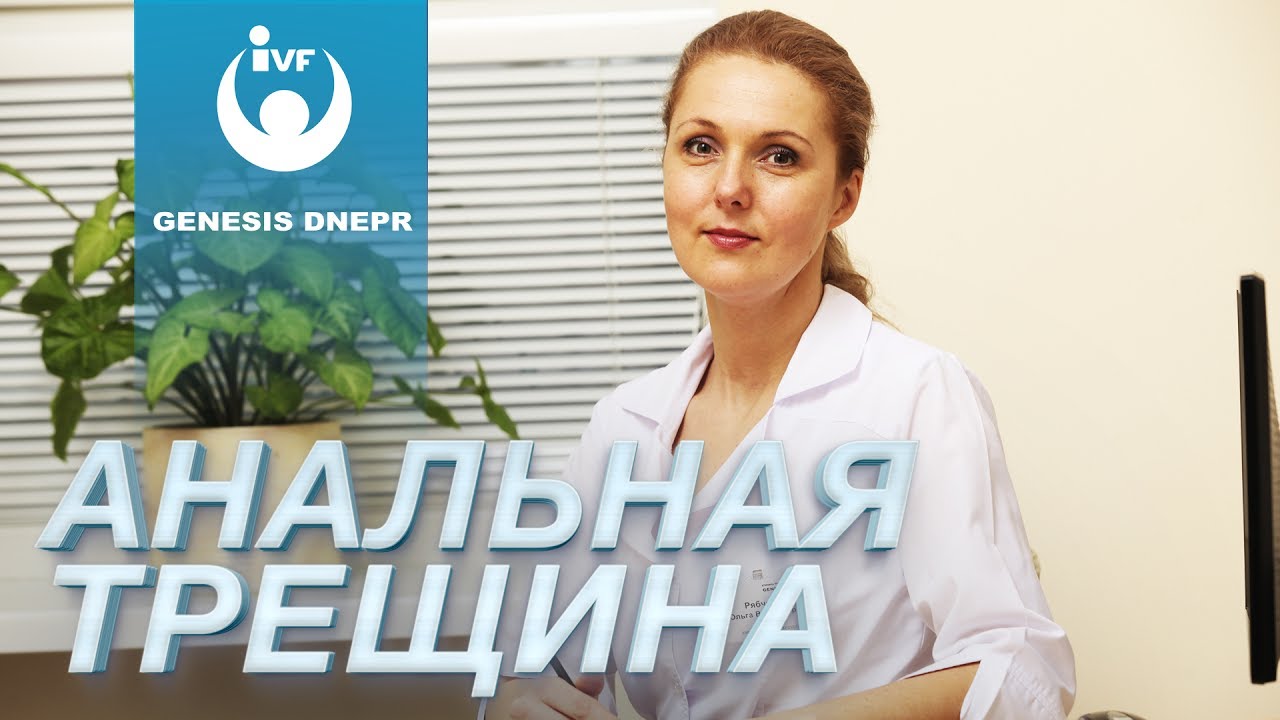
Treatment of anal fissure. Proctology at "Genesis Dnipro". Proctologist Olga Ryabchinskaya.
1. ЗАПИС ПО ТЕЛЕФОНУ:
+38(067) 544-68-282. ЗАПИСЬ ЧЕРЕЗ АНКЕТУ:
Анкета слугує для попереднього знайомства лікаря з медичною інформацією про Вас та дає можливість записатися на платну чи безкоштовну консультацію ...
- High effectiveness in treating various diseases.
- Painless and free from side effects.
- Suitable for use at any age.
- Can be used in combination with other treatment methods.
- Does not require the use of medications.
долгота: 35.0320729


