
- UROGYNECOLOGY
- ULTRASOUND DIAGNOSTICS IN GYNECOLOGY
- OVARIAN CYSTS: functional and true
- AESTHETIC SURGERY: labia minora reduction, hymen restoration, vaginal volume correction
- SURGICAL TERMINATION OF PREGNANCY
- MENSTRUAL CYCLE DISORDERS: bleeding, endometrial ablation
- CHILDBIRTH, CESAREAN SECTION
Specialization: operative gynecology and obstetrics
Endoscopic surgery: office hysteroscopy, hysteroscopic resection, any volume of laparoscopic operations
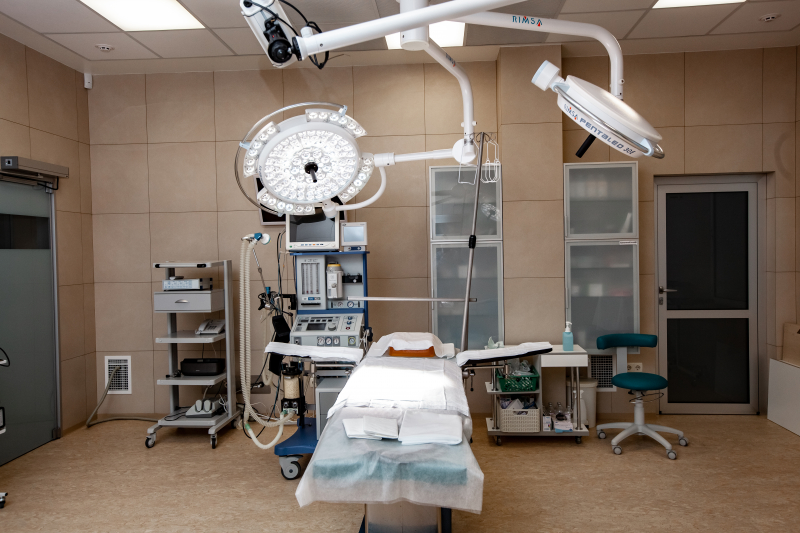
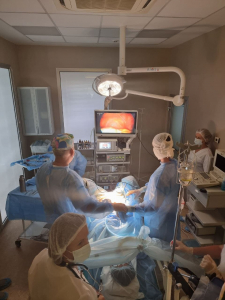
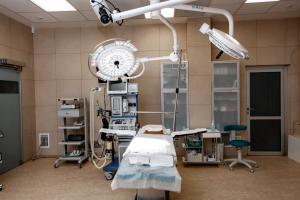
All procedures are performed in a modern endoscopic operating room with digital equipment from "STRYKER" (USA) and anesthesia equipment from "DRAGER" (Germany)
Patients stay in comfortable single rooms
...
Specialization: operative gynecology and obstetrics
Endoscopic surgery: office hysteroscopy, hysteroscopic resection, any volume of laparoscopic operations
All procedures are performed in a modern endoscopic operating room with digital equipment from "STRYKER" (USA) and anesthesia equipment from "DRAGER" (Germany)
Patients stay in comfortable single rooms
Secured parking, enhanced security measures, autonomous clinic operation

Obstetrician-gynecologist of the highest category, Doctor of Medical Sciences, Professor, Associate Professor of the Department of Obstetrics and Gynecology at DMU, member of the European Society of Endoscopic Surgeons and the European Board of Urogynecology, member of the Ukrainian Association of Plastic Surgeons in Gynecology.
Operative gynecology: urogynecology, gynecological plastic surgery, laparoscopy, hysteroscopy, cesarean section.
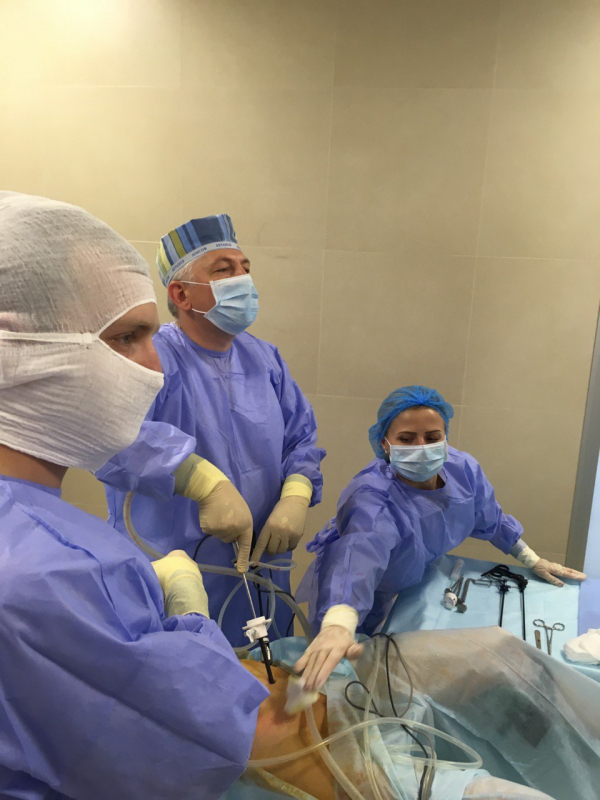
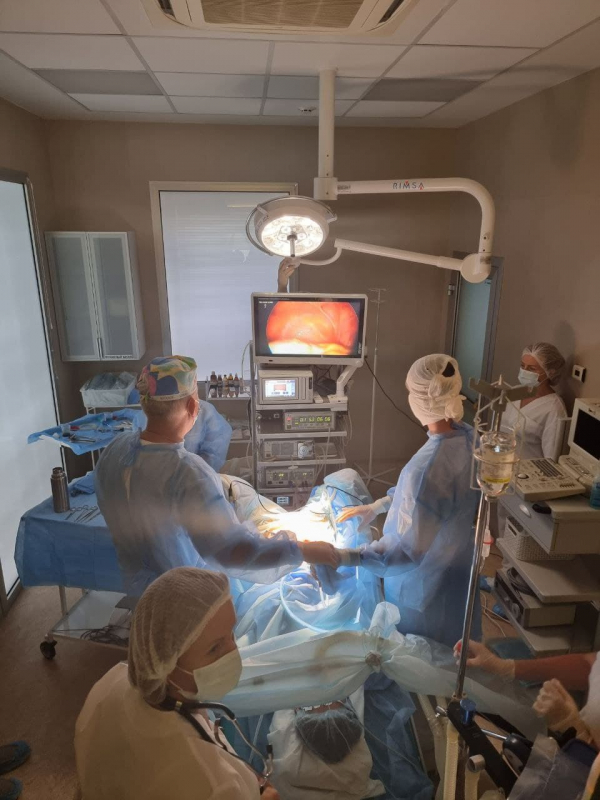


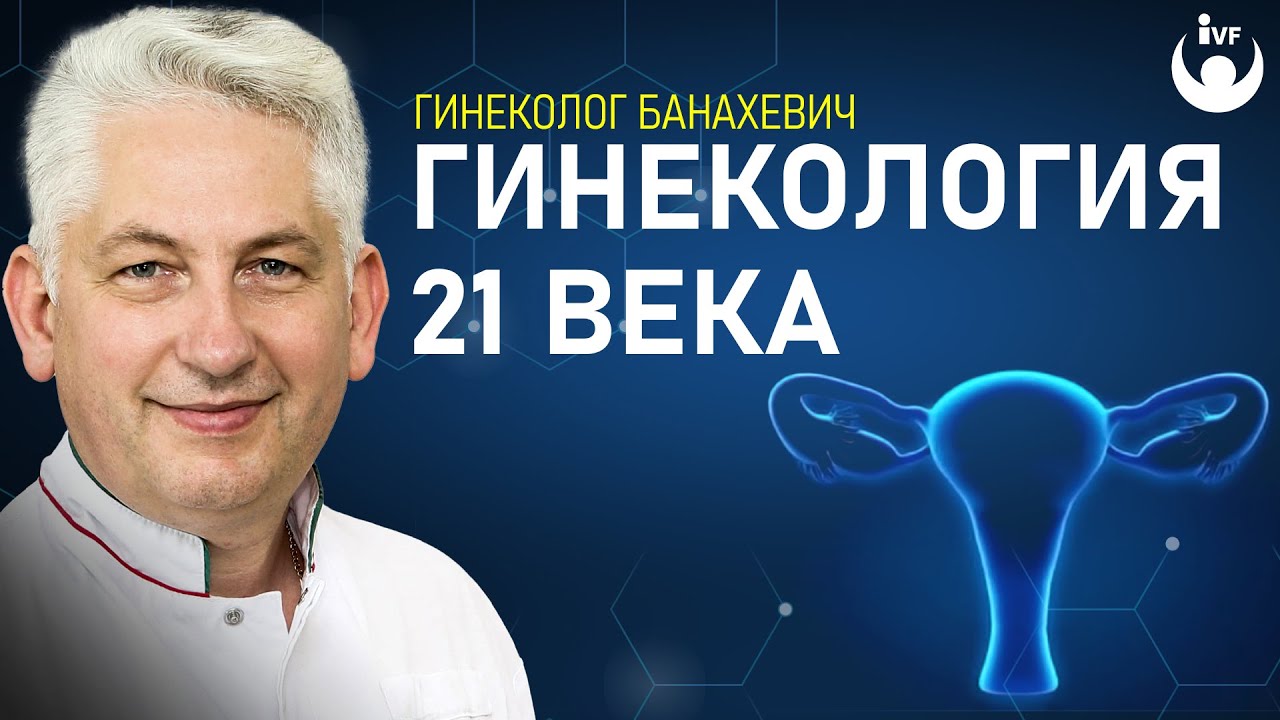
Gynecologist Roman Banachevich on endometrial diseases, ovarian cysts, and the menstrual cycle...about his work.
During laparoscopy, the surgeon makes small incisions on the patient's skin and inserts a special optical system that allows them to see the internal structure of the abdominal cavity on a large screen. This enables the surgeon to examine the organs in detail, identify pathological changes, and perform necessary manipulations.
One of the main advantages of laparoscopy is its reduced invasiveness compared to open surgery. Due to the use of small incisions, the risk of bleeding, infections, and other complications is significantly reduced. Additionally, because of the small size of the incisions, the patient's recovery time after surgery is also shortened.
Laparoscopy can be performed as a diagnostic procedure, where the surgeon simply examines the abdominal organs to establish a diagnosis. It can also be used as a surgical intervention, where the surgeon removes tumors, stones, or performs other manipulations to treat the pathology.
After laparoscopy, the patient is usually monitored in the hospital for several hours or days, depending on the complexity of the operation. Most patients return to a full life within a few weeks after the surgery.
Laparoscopy is a safe procedure, but like any surgical procedure, it can have certain risks and complications. These may include bleeding, infection, scar formation, and others.
Laparoscopy is a modern and effective method for diagnosing and treating various diseases of the abdominal organs. It helps reduce the risk of complications and shortens the patient's recovery time after surgery. This method has become an essential tool for many surgeons worldwide.
Hysteroscopy can be used for the diagnosis and treatment of various conditions, such as polyps, fibroids, congenital anomalies, inflammatory processes, and more. During the procedure, the doctor may take tissue samples for biopsy or perform procedures such as the removal of polyps or fibroids.
The procedure is performed using local or general anesthesia. The hysteroscope is inserted through the vagina and cervix, and then the cavity is filled with a solution to expand the uterine cavity and provide better visibility. The doctor examines the uterine cavity on a large screen and performs the necessary procedures.
Hysteroscopy is a safe procedure but may have certain risks and complications, such as bleeding, infection, or damage to the uterus or other organs. After the procedure, the patient may experience slight discomfort or temporary bleeding.
After hysteroscopy, the patient can usually return to normal activities within a few days. The results of the examination may be available immediately or after tissue sample analysis.
Hysteroscopy is an important method for diagnosing and treating uterine cavity conditions. It allows the doctor to obtain detailed information about the condition of the uterus and perform necessary procedures. This method is widely used in gynecology and helps improve treatment outcomes for patients.
One of the most popular procedures in aesthetic gynecology is labiaplasty, or the correction of the labia. This procedure allows for the alteration of the shape and size of the labia, the elimination of irregularities and defects, and the enhancement of their appearance. Labiaplasty can be performed for both medical and aesthetic reasons.
Aesthetic gynecology also includes procedures such as clitoral reduction, G-spot augmentation, labia volume enhancement, and other procedures aimed at improving the appearance and functionality of the genital organs.
Aesthetic surgery in gynecology should be performed by experienced and qualified specialists, as it is a complex field of medicine that requires special attention to detail and knowledge of the anatomy of female genital organs. Patients considering aesthetic surgery in gynecology should discuss their expectations and desires with their doctor to choose the most appropriate procedure and achieve the desired results.
However, in some cases, ovarian cysts can cause discomfort or painful sensations. In such cases, medical intervention may be necessary. Treatment for ovarian cysts may include monitoring, medication, or surgical removal of the cyst.
Surgical removal of an ovarian cyst can be performed using various methods, depending on the size and characteristics of the cyst. In some cases, removal of the entire ovary may be necessary.
The decision on the treatment of ovarian cysts should be made by a doctor based on the individual characteristics of the patient and the cyst. Patients who have been diagnosed with an ovarian cyst should discuss possible treatment options with their doctor and make an informed decision about further actions.
One of the main medical indications for surgical termination of pregnancy is embryonic pathology. This can include genetic anomalies, congenital developmental defects of the fetus, or other serious conditions that may lead to severe developmental issues and the inability of the fetus to survive after birth. In such cases, terminating the pregnancy becomes necessary to preserve the health and life of the mother.
Medical indications for surgical termination of pregnancy may also include conditions such as pregnancy-induced toxicosis, severe preeclampsia, or eclampsia, where the pregnancy poses a threat to the mother's life. In these cases, terminating the pregnancy may be necessary to prevent complications and save the mother's life.
Another medical indication for surgical termination of pregnancy is congenital infection of the fetus, such as HIV or cytomegalovirus. These infections can be transmitted from the mother to the fetus during pregnancy and pose a threat to its health and survival. In this case, terminating the pregnancy may be necessary to prevent serious complications in the fetus.
Surgical termination of pregnancy may also be recommended in cases where the pregnancy exacerbates chronic diseases in the mother, which could lead to severe consequences. For example, in women with cardiovascular diseases or diabetes, pregnancy can become dangerous, and termination may be necessary to preserve the mother's health.
Surgical termination of pregnancy for medical reasons is conducted only after thorough examination and consultation with a doctor. The procedure is usually performed in the early stages of pregnancy when the risk to the mother and fetus is minimal. It can be carried out either medically or surgically, depending on the condition of the mother and fetus.
It is important to note that surgical termination of pregnancy for medical reasons is a legal procedure and is performed only with the woman's consent. Doctors strictly adhere to medical ethical principles and do everything possible to preserve the life and health of both the mother and the fetus.
Surgical termination of pregnancy for medical reasons is a complex and responsible procedure carried out to preserve the health and life of the mother and fetus. Doctors select the optimal method of pregnancy termination in each specific case, based on medical indications and the woman's condition.
One of the main indications for endometrial ablation is endometrial hyperplasia, a condition where the uterine lining thickens and can lead to various problems, including bleeding and painful menstruation. Endometrial ablation helps remove the thickened endometrial layer and prevent further development of the condition.
Endometrial ablation may also be recommended for the treatment of endometriosis, a condition where tissue similar to the endometrium grows outside the uterus. This can lead to painful and heavy menstruation, pain during intercourse, and other issues. Endometrial ablation can help reduce symptoms and improve a woman's quality of life.
Additionally, endometrial ablation can be used as a method of contraception. After the procedure, the likelihood of conception decreases, as the removal of the endometrial layer makes it impossible for a fertilized egg to attach to the uterine wall. However, this method is not 100% reliable and is not recommended as the sole method of contraception.
There are several methods of endometrial ablation, including surgical and non-surgical. Surgical ablation can be performed using electrocautery (using electric current to remove tissue), laser ablation (using a laser), or cryoablation (using frozen nitrogen). Non-surgical methods include the use of thermal devices (such as a balloon heated with water), which is placed inside the uterus to remove the endometrial layer.
Endometrial ablation is a relatively safe procedure, but it may be accompanied by some complications, such as bleeding, infections, or damage to other organs. Therefore, before the procedure, the doctor must carefully assess the patient's health condition and medical history.
It is important to note that endometrial ablation is not recommended for women who plan to become pregnant in the future, as the procedure can lead to impaired uterine function and reduced chances of conception. Endometrial ablation is also not recommended for women with uterine tumors or other serious conditions.
Endometrial ablation is an effective procedure for treating various endometrial conditions and preventing pregnancy. However, it is necessary to thoroughly discuss all possible risks and contraindications with a doctor before undergoing the procedure.
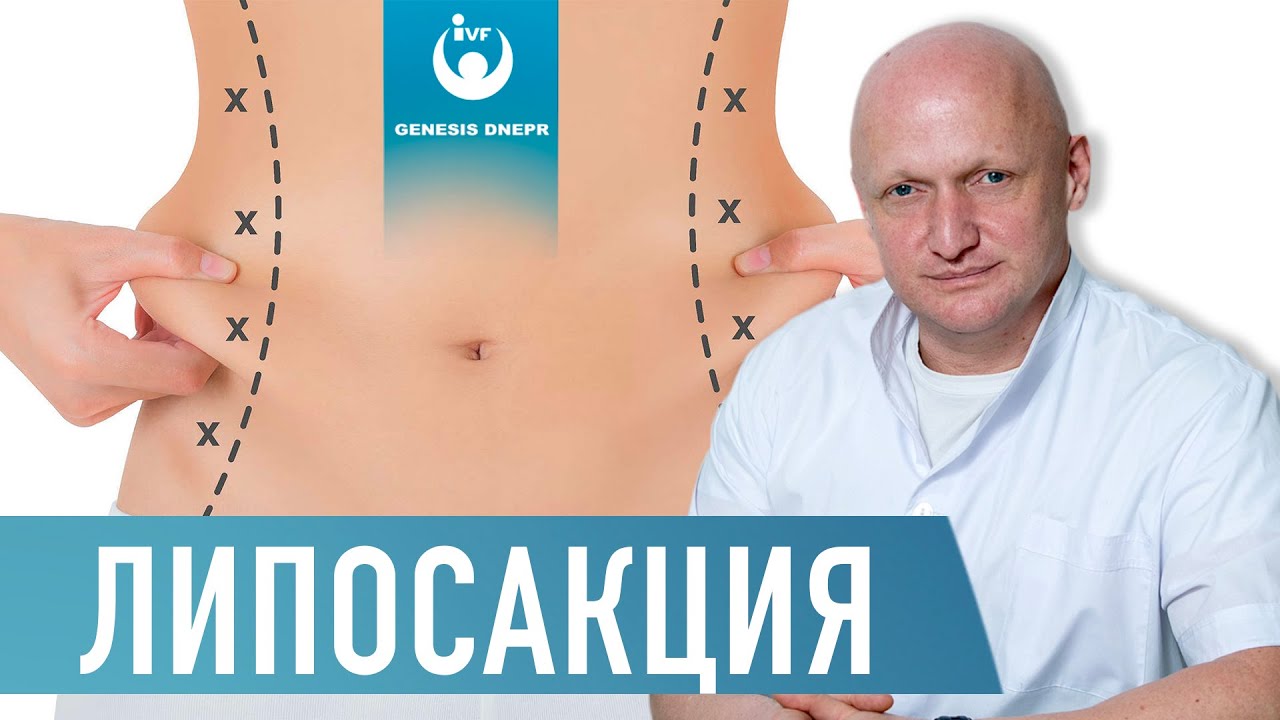
Liposuction is a cosmetic surgical procedure that removes excess fat from specific areas of the body. There are different types of liposuction techniques, including laser liposuction, vibroliposuction, and ultrasound liposuction. Each method uses different technologies to break down and remove fat cells.
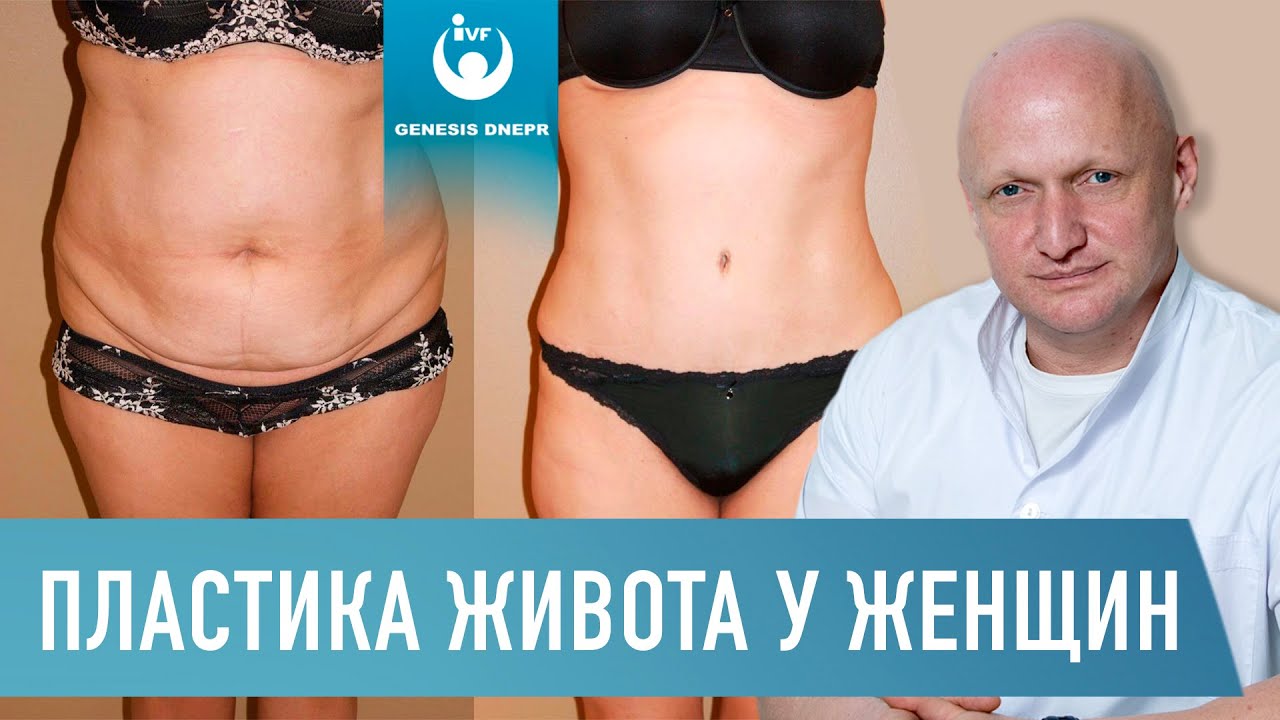
Tummy Tuck. How to Achieve a Beautiful Abdomen? Laser Sculpting. Abdominoplasty | Surgeon Shevtsov
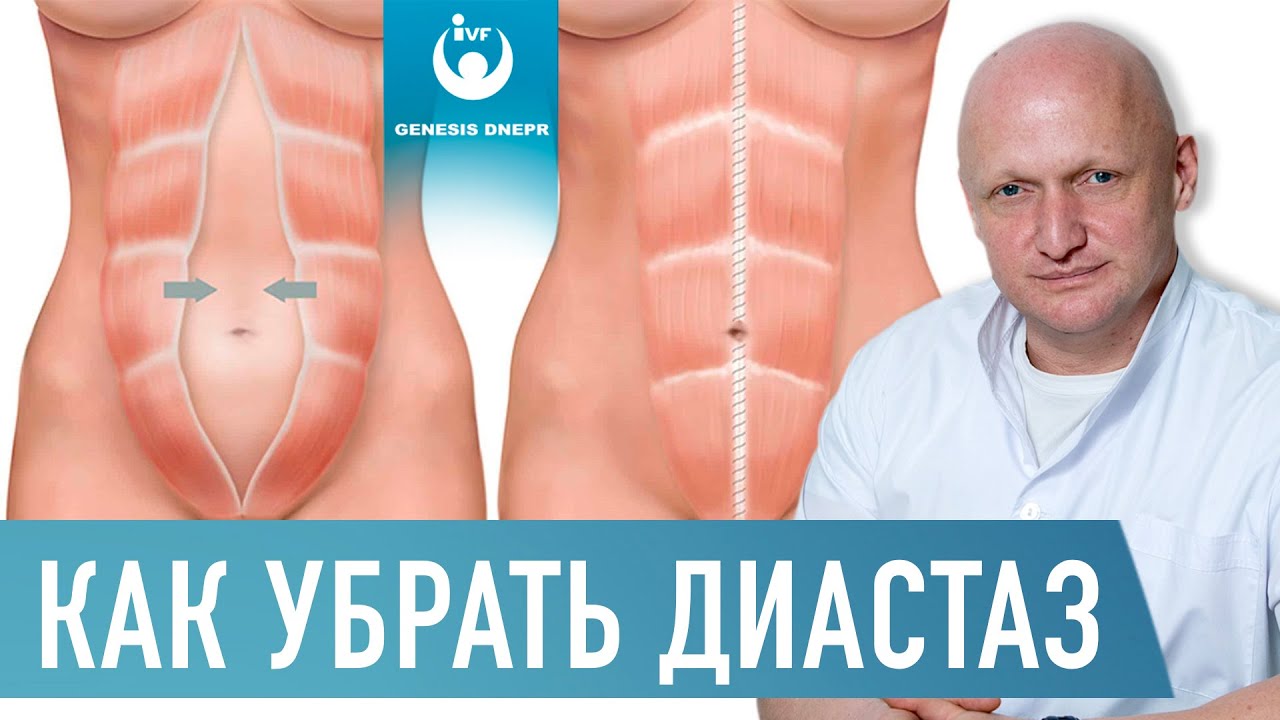
DIASTASIS (separation) of the rectus abdominis muscles. Causes, complications, treatment | Surgeon Shevtsov A.N.
Circumcision, laser circumcision for men without blood and pain | Surgeon Shevtsov A.N.

Tummy tuck for men. Abdominoplasty. How to get rid of a beer belly in one day. Surgeon Shevtsov.

Abdominoplasty, commonly known as a tummy tuck, is a cosmetic surgical procedure aimed at improving the appearance of the abdomen. It involves the removal of excess skin and fat, and in some cases, the tightening of abdominal muscles to create a smoother and firmer abdominal profile. This procedure is often sought by individuals who have experienced significant weight loss, pregnancy, or aging, which can result in loose or sagging skin around the stomach area. The surgery typically takes a few hours, and recovery time can vary depending on the extent of the procedure.
1. ЗАПИС ПО ТЕЛЕФОНУ:
+38(067) 544-68-282. ЗАПИС НА ОЧНИЙ ПРИЙОМ:
Записатися на очний прийом3. ЗАПИСЬ НА ОНЛАЙН-КОНСУЛЬТАЦИЮ:
Записатися на онлайн-консультаціюдолгота: 35.0320729


