
- For cancer (oncology); cyst; fibroma; purulent mastitis; nodular mastopathy; intraductal papilloma; nipple adenoma.
- Plastic surgery: breast augmentation using lipofilling or implants, breast lift, breast reduction.
- Top-tier surgeons with at least 20 years of experience;
- In-house clinical diagnostic laboratory;
- Expert-class diagnostic equipment;
- Utilization of all modern surgical techniques;
- Organ-preserving treatment approach;
- Use of cordyceps, Milan cocktail, and biopellets for treatment efficacy;
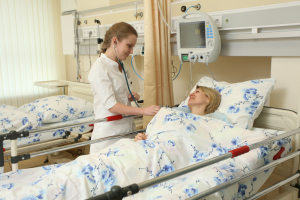
- Comfortable single occupancy rooms;
- Home-style cuisine;
- Independent sources of heat, gas, water, and electricity;
- Patient safety system with restricted access, 2...
- Top-tier surgeons with at least 20 years of experience;
- In-house clinical diagnostic laboratory;
- Expert-class diagnostic equipment;
- Utilization of all modern surgical techniques;
- Organ-preserving treatment approach;
- Use of cordyceps, Milan cocktail, and biopellets for treatment efficacy;
- Comfortable single occupancy rooms;
- Home-style cuisine;
- Independent sources of heat, gas, water, and electricity;
- Patient safety system with restricted access, 24-hour security, and parking.

Mozhaev Dmitry Grigoryevich
Mammologist of the highest category, oncologist, surgeon.
Diagnosis and treatment of breast diseases, ultrasound examination of the breasts. Removal and reconstruction of the breast ("oncorecovery" - proprietary technique).

Shapovalyuk Vladimir Vladislavovich
Surgeon of the highest category, plastic surgeon. Candidate of Medical Sciences. Active member of ISAPS (International Society of Aesthetic Plastic Surgery). Lecturer, Associate Professor at the Department of Surgery, Traumatology, and Orthopedics at DMA.
Facial, breast, and full body plastic surgery.

Shagan Dmitry Valeryevich
Surgeon of the highest category, plastic surgeon. 20 years of experience. Performs over 350 surgeries per year.
Facial, breast, and body plastic surgery, liposuction, lipofilling. General surgery, leg vascular surgeries.

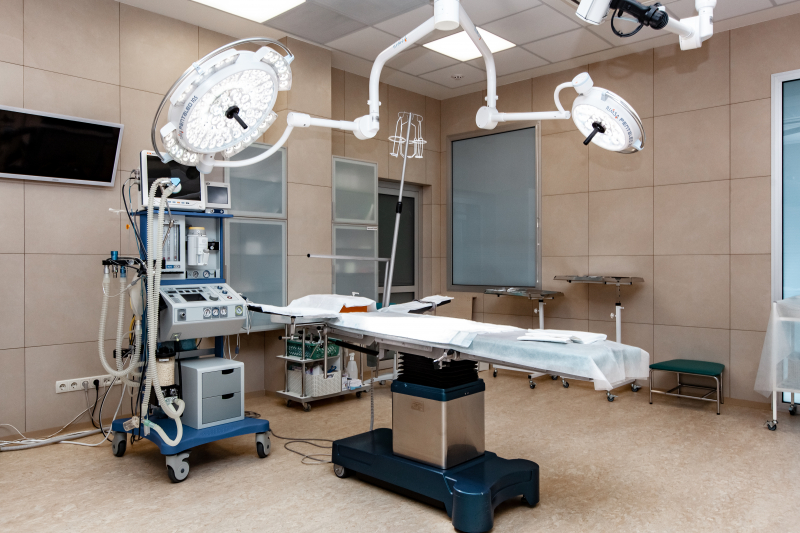
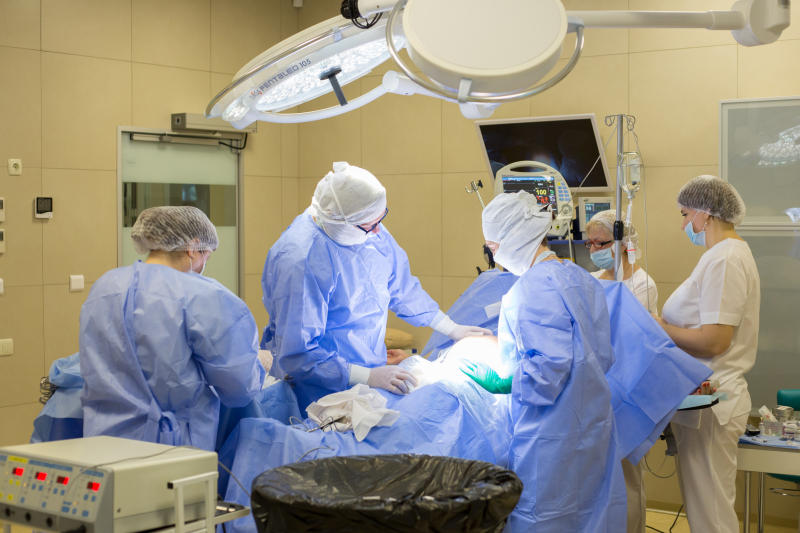
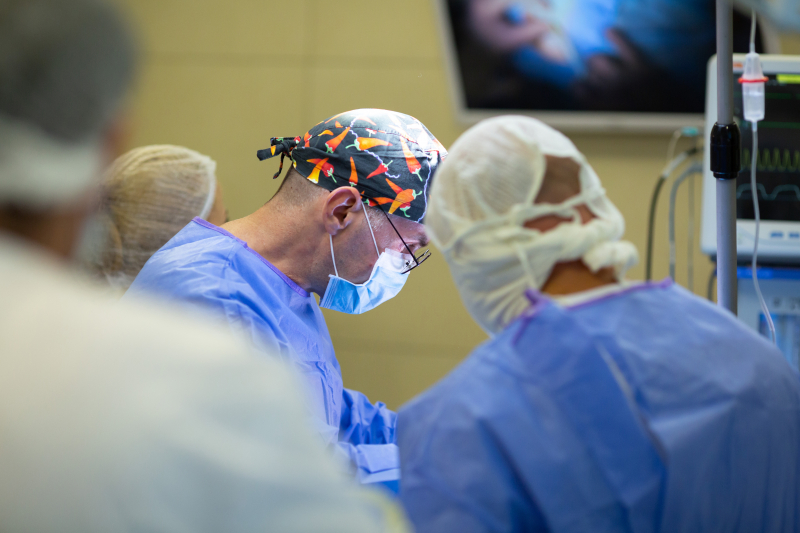
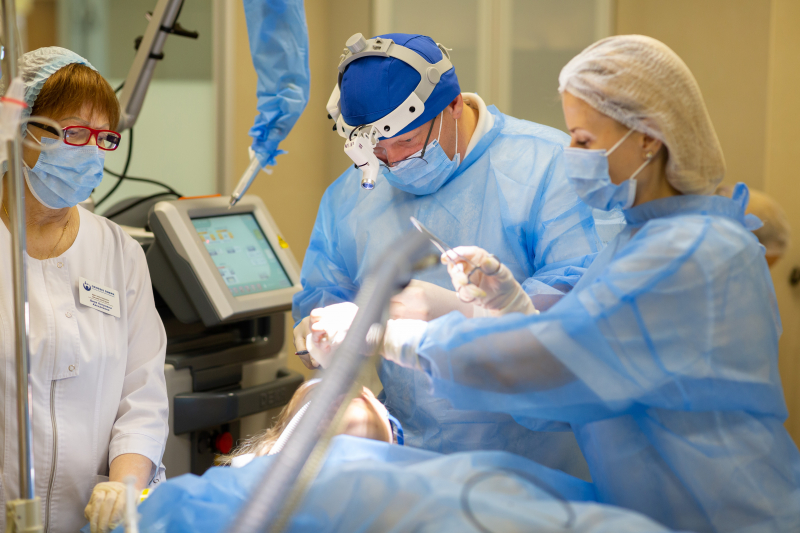






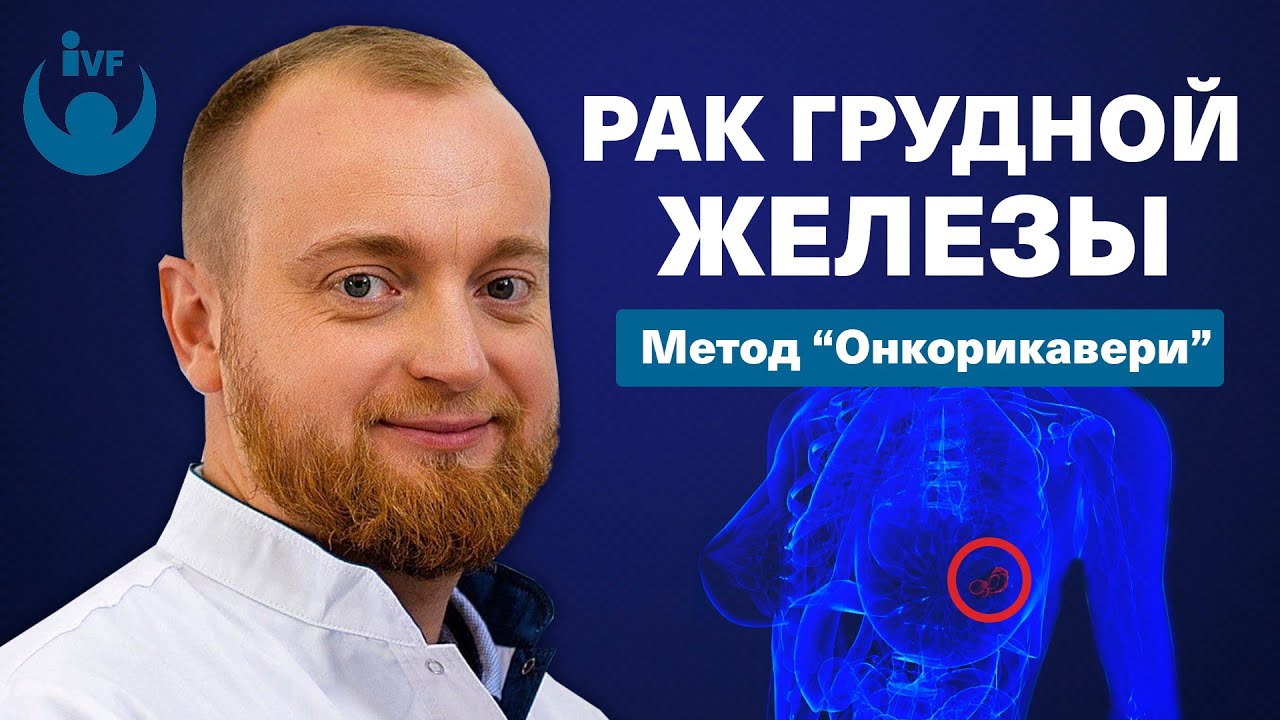
Breast cancer - what is the "oncorecovery" method? | Mojaev D. G. Mammologist-oncologist.
Indications for Mastectomy
Mastectomy is indicated in the following cases:
Oncological diseases — when malignant breast tumors are detected, especially if the tumor size is significant or there is a high risk of its spread.
Cancer prevention — for patients with a high genetic predisposition (e.g., presence of mutations in the BRCA1 and BRCA2 genes).
Benign conditions — severe forms of fibrocystic mastopathy that do not respond to conservative treatment.
Types of Mastectomy
Modern techniques allow the adaptation of the surgery to the individual needs of the patient:
Simple mastectomy — removal of the entire breast, including the skin, nipple-areolar complex, but without lymph node removal.
Radical mastectomy — removal of the breast, axillary lymph nodes, and chest muscles (rarely used).
Modified radical mastectomy — a more sparing option with preservation of chest muscles.
Skin or nipple-sparing — allows the preservation of the skin or nipple-areolar complex for subsequent breast reconstruction.
Prophylactic mastectomy — performed in patients at high risk of developing cancer to prevent the disease.
Breast Reconstruction
Mastectomy can be combined with breast reconstruction, which is performed either simultaneously with the removal of the breast (immediate reconstruction) or after a certain period (delayed reconstruction). To restore breast volume, the following are used:
Implants;
The patient's own tissues (flaps of skin, fat, or muscle tissue).
Reconstruction helps restore a natural appearance and improve the patient's psychological comfort.
Rehabilitation
Post-mastectomy rehabilitation includes:
Wearing compression garments;
Physiotherapy procedures to restore arm mobility and prevent lymphedema;
Psychological support for adaptation to changes.
Advantages of Modern Mastectomy
Use of minimally invasive techniques and minimization of trauma;
Possibility of combining with breast reconstruction;
High effectiveness in the treatment and prevention of diseases.
Mastectomy is not just a surgical operation but a step towards restoring health and quality of life. Thanks to modern technologies, this type of intervention has become more sparing, and the results are aesthetically satisfactory. If you need consultation or treatment, contact our clinic. Our specialists will provide an individual approach and support you at every stage of treatment and recovery.
One of the most popular procedures in plastic mammoplasty is breast augmentation. This surgery can be performed using implants or fat tissue. The surgeon inserts an implant under the breast tissue or chest muscles to achieve the desired size and shape. In the case of using fat tissue, it is taken from other parts of the patient's body and transplanted to the breast area.
Breast reduction is a surgery that may be necessary when the breasts are too large, causing discomfort and health issues. The surgeon removes excess tissue and fat deposits to reduce the breast size and give it a more proportional appearance.
A breast lift is a surgery that helps tighten and firm sagging breasts. The surgeon removes excess skin and tissue, then tightens the remaining tissue and skin to achieve the desired effect.
Plastic mammoplasty also includes breast reconstruction after a mastectomy (removal of the breast). This procedure can be performed immediately after the breast removal surgery or at a later time. The surgeon may use implants, fat tissue, or a combination of both methods to restore the shape and appearance of the breast.
Plastic mammoplasty helps women improve their self-esteem and boost their confidence, and it can also have a positive effect on physical health. However, before undergoing any surgery, it is essential to consult with an experienced plastic surgeon and carefully weigh all possible risks and benefits of the procedure.
The breast ultrasound procedure is usually performed if lumps or other changes are detected during self-examination of the breasts or during a mammogram. It may also be prescribed to monitor the condition of the breasts in women at high risk of developing breast cancer.
During the procedure, the patient lies on her back, and the doctor applies gel to the skin and moves a transducer over the surface of the breast. Ultrasound waves pass through the skin and reflect off the internal structures of the breasts, creating an image on a computer screen. The doctor can study this image to identify any abnormalities or changes.
Breast ultrasound can be performed for diagnostic purposes as well as for monitoring the condition of the breasts over a certain period of time. It is a safe procedure that does not require special preparation or recovery time.
However, breast ultrasound is not an all-encompassing diagnostic method and may be supplemented by other methods, such as mammography or biopsy, to obtain a more accurate diagnosis. It is also important to note that breast ultrasound cannot replace regular self-examinations and visits to the doctor for preventive check-ups.
Overall, breast ultrasound is an important diagnostic method for detecting changes in breast tissue and monitoring their condition. Regular examinations help detect diseases at early stages, increasing the chances of successful treatment. If you have any concerns or questions about the condition of your breasts, be sure to consult a doctor for diagnosis and necessary treatment.
There are several types of breast biopsies, including needle biopsy, vacuum-assisted biopsy, and surgical biopsy. Depending on the chosen method, the procedure can be performed under local or general anesthesia.
During a biopsy, the doctor uses a special instrument, such as a needle or vacuum device, to extract a tissue sample from the breast. The sample is then sent to a laboratory for examination, where it will be studied under a microscope to detect the presence of cancer cells or other pathologies.
A breast biopsy may be recommended for diagnosis or to clarify a diagnosis when abnormalities are found in breast tissue. It can also be used to monitor the condition of the breast in patients at high risk of developing breast cancer.
After the procedure, there may be minor bleeding and swelling at the biopsy site, but these usually resolve within a few days. The doctor may also recommend avoiding strenuous physical activity and keeping the biopsy area clean and dry.
A breast biopsy is an important diagnostic method for detecting breast cancer and other pathologies. It allows for an accurate diagnosis and determination of necessary treatment. If you have been scheduled for a breast biopsy, it is important to follow your doctor's recommendations and seek help if any complications or questions arise.
Aesthetic medicine is actively evolving, offering modern methods ...
Aesthetic medicine is actively evolving, offering modern methods for correcting body shape and volume. Among the popular procedures are liposuction and lipofilling of the breasts. These methods allow for the harmonization of the figure, improvement of breast appearance, and enhancement of self-esteem without the use of implants.
Liposuction: Removal of Excess Fat
Liposuction is a procedure aimed at removing excess fat deposits from specific areas of the body, including the breast area. Breast liposuction is most commonly performed on men to eliminate gynecomastia but can also be applied to women with excessive fat tissue volume.
The procedure is conducted through small incisions, through which special cannulas are inserted to remove fat. It helps to:
Reduce breast volume;
Give the breasts a more aesthetic shape;
Maintain the natural appearance of the skin through its contraction.
The results of liposuction are noticeable almost immediately, and rehabilitation takes from a few weeks to a month.
Lipofilling: Natural Volume Enhancement
Lipofilling is a technique where the patient's own fat is used to add volume to specific areas, including the breasts. The procedure includes two main stages:
Harvesting fat tissue from areas such as the thighs, abdomen, or flanks using liposuction.
Enriching and injecting the fat tissue into the breast area to correct shape and increase volume.
Lipofilling has several advantages:
Using one's own fat eliminates the risk of allergic reactions;
The results look as natural as possible;
The procedure allows for simultaneous reduction of volume in problem areas and improvement of breast shape.
Who Are These Procedures Suitable For?
Breast liposuction is indicated for excessive fat accumulation in the breast area, especially in cases of gynecomastia in men.
Lipofilling is recommended for women who wish to correct breast shape or add moderate volume without using implants.
Limitations and Rehabilitation
Both procedures require consultation with a doctor to assess the patient's health condition. The rehabilitation period depends on the extent of the intervention but usually lasts up to a few weeks.
Gynecomastia is the enlargement of the male breast gland, caused by h...
Gynecomastia is the enlargement of the male breast gland, caused by hormonal imbalance, excess fatty tissue, or other medical reasons. This condition can cause discomfort and lower self-esteem. Surgical treatment is the most effective way to eliminate gynecomastia and restore the natural appearance of the chest.
Causes of Gynecomastia
Gynecomastia can be caused by various factors, including:
Hormonal imbalances (imbalance of testosterone and estrogens);
Use of certain medications;
Obesity and fat accumulation in the chest area;
Liver, kidney, or endocrine system diseases.
When is Surgical Treatment Indicated?
Surgery is recommended if:
Conservative treatment methods (diet, physical activity, medications) have not been effective;
Gynecomastia is accompanied by discomfort or pain;
There are aesthetic issues affecting psychological well-being.
How is the Surgery Performed?
Surgical treatment of gynecomastia may include the following methods:
Liposuction – removal of excess fatty tissue. Used in pseudo-gynecomastia, where breast enlargement is due to fat deposits.
Mastectomy – removal of glandular tissue. This method is used in true gynecomastia associated with gland hypertrophy.
Combined approach – a combination of liposuction and mastectomy to achieve optimal results.
The surgery is performed under local or general anesthesia, depending on the extent of the intervention. Incisions are minimal and often placed in natural folds, making scars virtually unnoticeable.
Rehabilitation and Results
After surgery, it is necessary to follow the doctor's recommendations:
Wear compression garments to reduce swelling and support shape;
Avoid physical activity in the first few weeks;
Monitor diet and lifestyle to prevent recurrence.
The final result becomes noticeable after a few months, when swelling subsides and tissues fully recover.
Advantages of Surgical Treatment
Quick and noticeable problem resolution;
Restoration of the male chest contour;
Increased self-esteem and confidence.
When is a sectoral resection required?
Sectoral resection is indicated for the following diseases and conditions:
Benign tumors: fibroadenoma, lipoma, breast cyst.
Proliferative changes: nodular form of mastopathy, intraductal papillomas.
Suspicion of malignant neoplasm: the operation can be both therapeutic and diagnostic.
Malignant tumors: for small-sized formations and absence of metastases.
How is the operation performed?
The procedure includes the following stages:
Diagnosis: before the operation, ultrasound, mammography, biopsy, or MRI of the breasts are performed to accurately determine the location of the pathology.
Anesthesia: most often, the operation is performed under general anesthesia, although local anesthesia may be used for small interventions.
Tissue removal: the surgeon excises the affected tissue area along with a small amount of adjacent healthy tissue to prevent the risk of recurrence.
Histological analysis: the removed material is sent for histological examination for final diagnosis confirmation.
Cosmetic suture: after tissue removal, the wound is sutured, aiming to minimize scar visibility.
Advantages of sectoral resection
Breast preservation: only the affected area is removed, allowing the preservation of the breast's shape and volume.
Minimal risk of recurrence: thorough excision of pathological tissue reduces the likelihood of disease recurrence.
Short rehabilitation period: recovery after the operation is faster than after radical interventions.
Postoperative rehabilitation
The rehabilitation period after sectoral resection usually takes 1-2 weeks. Patients are recommended to:
Wear compression garments to reduce swelling;
Limit physical activity in the first days after the operation;
Follow the doctor's recommendations for postoperative suture care.
The results of the histological analysis will help the doctor determine further treatment tactics. In some cases, additional therapy (hormonal, radiation, or chemotherapy) may be required.
Sectoral resection of the breast is a modern and gentle surgical treatment method that effectively addresses breast diseases while preserving its shape and aesthetics. Our clinic has experienced specialists who provide a professional approach at all stages—from diagnosis to rehabilitation.
If you are facing breast problems, do not delay visiting a doctor. Schedule a consultation to receive qualified assistance and maintain your health!
What is oncorecovery?
Oncorecovery in mammoplasty involves performing reconstructive surgeries on the breast after a mastectomy (removal of the breast) or a segmental resection (partial removal of breast tissue). Restoration can be done either simultaneously with the oncological surgery (immediate reconstruction) or after a certain period (delayed reconstruction).
Goals of oncorecovery:
- Restoring symmetry and shape of the breast;
- Creating an aesthetically pleasing appearance;
- Maintaining the patient's self-esteem and psychological well-being.
Breast reconstruction methods in oncorecovery:
- Implantation: Modern silicone or saline implants are used to restore the volume and shape of the breast. Implantation can be performed with the prior placement of a tissue expander to prepare the tissues.
- Autotransplantation of tissues: Reconstruction is carried out using the patient's own tissues (flaps from the abdomen, back, or thigh). This method allows for the most natural result.
- Combined methods: A combination of implants and autotransplantation is used in complex cases to achieve the best aesthetic and functional results.
Advantages of oncorecovery:
- Comprehensive approach: Breast restoration is carried out considering the patient's oncological history and individual characteristics.
- Modern technologies: The use of the latest techniques and materials ensures reliable and aesthetic results.
- Psychological support: The procedure helps patients overcome psychological difficulties associated with the loss of a breast.
When to perform reconstruction?
The timing of reconstruction depends on the patient's condition and the course of treatment:
- Immediate reconstruction: Performed right after the oncological surgery, avoiding additional interventions.
- Delayed reconstruction: Conducted after the completion of treatment (chemo- or radiotherapy) to ensure optimal tissue healing conditions.
Oncorecovery in mammoplasty is not only about restoring aesthetics but also a step towards a full life after cancer treatment. Our clinic has specialists who will help you choose the optimal restoration method, taking into account all individual features.
Schedule a consultation to receive qualified assistance and support on your path to restoring health and beauty. We will help you regain harmony and confidence!
Without timely treatment, purulent mastitis can lead to the destruction of breast tissue, the formation of fistulas, sepsis, and pose a life-threatening risk to the patient.
Causes of Purulent Mastitis:
Main causes include:
- Infection (often staphylococcus) entering through nipple cracks.
- Milk stasis (lactostasis) and duct blockage.
- Weakened immunity (stress, anemia, chronic diseases).
- Poor breast hygiene during breastfeeding.
Risk factors:
- The first few weeks postpartum.
- Incorrect latching of the baby to the breast.
- Residual milk after feeding.
- Refusal to express milk when necessary.
Symptoms of Purulent Mastitis:
- Severe pain and hardening in the breast.
- Redness of the skin over the hardened area.
- Local increase in breast skin temperature.
- Fever, chills, weakness.
- Enlarged and painful axillary lymph nodes.
- In the case of abscess formation, fluctuation (a sensation of "fluid") at the site of hardening.
If these symptoms appear, it is crucial to see a doctor immediately and not attempt to treat purulent mastitis with home remedies, as this can worsen the condition.
Diagnosis:
To diagnose purulent mastitis, a doctor may use:
- Examination and palpation of the breast.
- Breast ultrasound to determine the presence, location, size of the abscess, and amount of pus.
- Complete blood count (leukocytosis, increased ESR).
- Bacteriological culture of milk or pus to identify the pathogen and its antibiotic sensitivity.
Treatment of Purulent Mastitis:
1️⃣ Conservative treatment (in the infiltrative stage without an abscess):
2️⃣ Surgical treatment
When an abscess forms, the only effective treatment is surgical incision and drainage of the abscess.
Timely surgical treatment allows for rapid resolution of inflammation, prevention of complications, and preservation of breast structure.
If mastitis treatment is needed at Genesis Dnipro, an ultrasound will be performed, effective treatment will be prescribed, or minimally invasive surgery will be conducted with subsequent monitoring and lactation recovery.
If you notice symptoms of mastitis, do not delay visiting a mammologist or surgeon—timely consultation ensures quick recovery and minimizes consequences.
Breast surgery, lift, and augmentation. Mammoplasty. Breast enlargement with implants, lipofilling.
Bioidentical therapy, pellets, bioidentical hormones. Interview with Dr. Igor Perelygin.
Pregnancy support / management at GENESIS DNEPR clinic. What does "all-inclusive" mean?
Itching in the Anus: Real Causes, Treatment, and Prevention. Proctologist O.V. Ryabchinskaya.
Laser intimate plastic surgery without pain and operation. Treatment of the intimate area with CO2 laser MonaLisa Touch Deka.
Lipofilling | Liposculpture of the face, neck, hands, and entire body. Mario Goisis and Igor Perelygin.
Effective treatment of cystitis in women. Treatment of chronic and acute cystitis. Causes of cystitis.
What is a uterine fibroid? Should it be removed or not? By obstetrician-gynecologist V.G. Kostenko.
ABNORMAL UTERINE BLEEDING. Treatment Method for AUB. Gynecologist Fedoruk Natalia
1. ЗАПИС ПО ТЕЛЕФОНУ:
+38(067) 544-68-282. ЗАПИСЬ ЧЕРЕЗ АНКЕТУ:
Анкета слугує для попереднього знайомства лікаря з медичною інформацією про Вас та дає можливість записатися на платну чи безкоштовну консультацію ...
1. Materials: Modern implants are typically made from medical-grade silicone or saline. These materials have been thoroughly researched and deemed safe for use in the body.
2. Quality and reliability: Today's breast implants are manufactured using advanced technologies and strict quality standard...
1. Materials: Modern implants are typically made from medical-grade silicone or saline. These materials have been thoroughly researched and deemed safe for use in the body.
2. Quality and reliability: Today's breast implants are manufactured using advanced technologies and strict quality standards. They undergo certification and testing to ensure their long-term durability and safety.
3. Implantation procedure: The implantation of breast implants is performed by experienced surgeons who follow strict protocols and guidelines to minimize the risk of any complications.
4. Monitoring and examination: After the implantation of implants, patients usually undergo regular examinations and monitoring to ensure their health and peace of mind.
As with any surgical procedure, the implantation of breast implants may have certain limitations that depend on the individual characteristics of the patient. Therefore, it is important to consult with an experienced surgeon to discuss all aspects and make the right decision.
долгота: 35.0320729


