
- We perform a wide range of surgeries in gynecology and urology.
- We practice all types of surgical interventions: endoscopic minimally invasive and traditional open surgeries.
- We meticulously prepare for each surgery to avoid complications and make the rehabilitation process faster.
- We have developed proprietary rapid recover...
- We perform a wide range of surgeries in gynecology and urology.
- We practice all types of surgical interventions: endoscopic minimally invasive and traditional open surgeries.
- We meticulously prepare for each surgery to avoid complications and make the rehabilitation process faster.
- We have developed proprietary rapid recovery programs for our patients.
- In the medical hotel based in the clinic, you can relax with home-like coziness and comfort after surgery.
- We apply innovative technologies: the fractional CO2 laser (DEKA, made in Italy) allows for virtually bloodless operations with invisible sutures.
- We use cordyceps, Milan cocktail, and biopellets for effective treatment.
- Top-tier surgeons with at least 20 years of experience
- In-house clinical diagnostic laboratory
- Utilization of all modern surgical techniques
- Organ-preserving treatment approach
- Comfortable single occupancy rooms
- Home-style cuisine
- Independent sources of heat, gas, water, and electricity
- Patient safety system with restricted access, 24-hour security, and parking

Sulima Elena Mikhailovna
Obstetrician-gynecologist of the highest category, chief physician of the maternity hospital "GENESIS DNIPRO"
OBSTETRICS: PREGNANCY CARE, CHILDBIRTH, CESAREAN SECTION, POSTPARTUM MANAGEMENT GENERAL GYNECOLOGY

Banakhevich Roman Mikhailovich
Obstetrician-gynecologist of the highest category, Doctor of Medical Sciences, Professor, Associate Professor of the Department of Obstetrics and Gynecology at DMU, member of the European Society of Endoscopic Surgeons and the European Board of Urogynecology, member of the Ukrainian Association of Plastic Surgeons in Gynecology.
Operative gynecology: urogynecology, gynecological plastic surgery, laparoscopy, hysteroscopy, cesarean section.

Potapov Valentin Alexandrovich
Obstetrician-gynecologist, professor, Doctor of Medical Sciences, academician of the Academy of Sciences of the Higher School of Ukraine, honored worker of science and technology of Ukraine, head of the Department of Obstetrics and Gynecology at DGMU, chairman of the Dnipropetrovsk regional branch of the Association of Obstetricians and Gynecologists of Ukraine.
Surgery in obstetrics and gynecology, endocrine gynecology, reconstructive and restorative surgery in gynecology. Management of pregnancy with extragenital pathology.

Kostenko Vitaliy Grigoryevich
Obstetrician-gynecologist of the highest category.
OBSTETRICS: PREGNANCY CARE, CHILDBIRTH, CESAREAN SECTION GYNECOLOGY: DISEASES OF THE UTERUS AND ENDOMETRIUM, OVARIES, PREGNANCY TERMINATION MENSTRUAL CYCLE DISORDERS CYSTITIS

Fedoruk Natalya Sergeevna
Obstetrician-gynecologist.
OBSTETRICS AND GYNECOLOGY, PREGNANCY CARE, CHILDBIRTH, INTIMATE REJUVENATION, AESTHETIC GYNECOLOGY AND PRP THERAPY, INFERTILITY TREATMENT...

Kulbach Irina Ivanovna
Obstetrician-gynecologist of the highest category, Honored Doctor of Ukraine.
OBSTETRICS: PREGNANCY CARE, CHILDBIRTH, CESAREAN SECTION, POSTPARTUM MANAGEMENT, GENERAL GYNECOLOGY
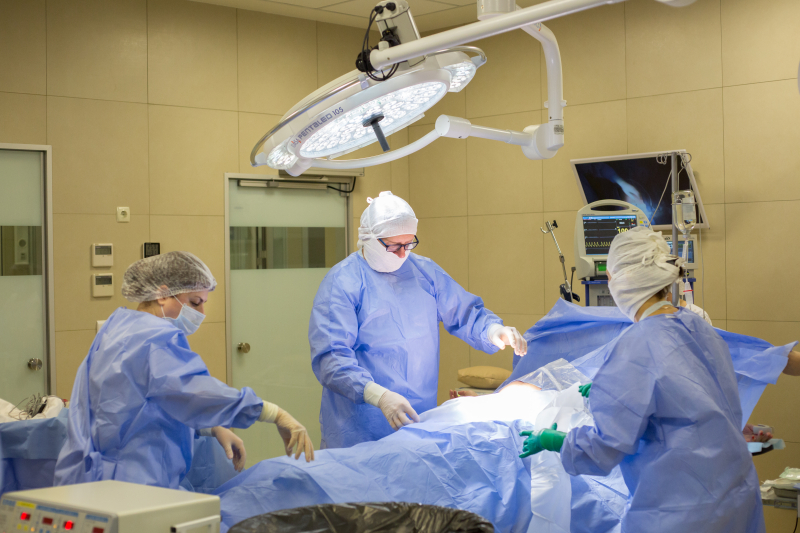
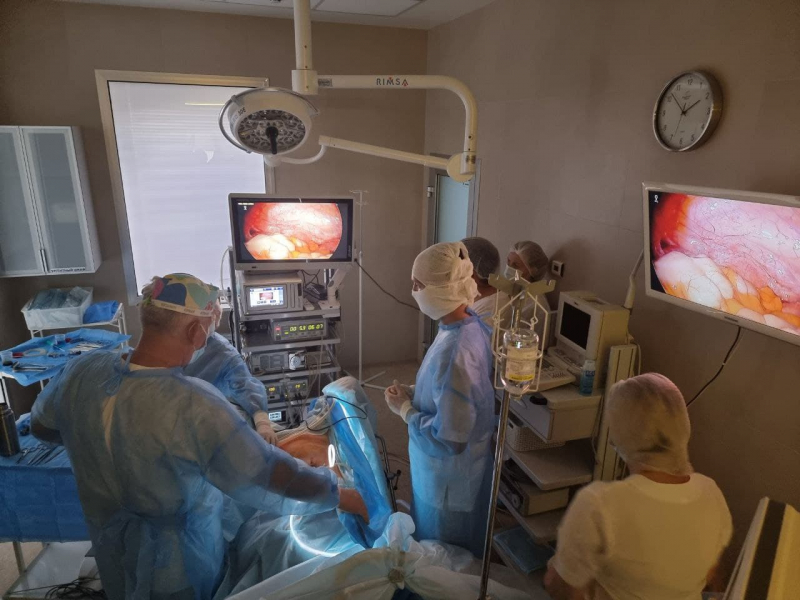
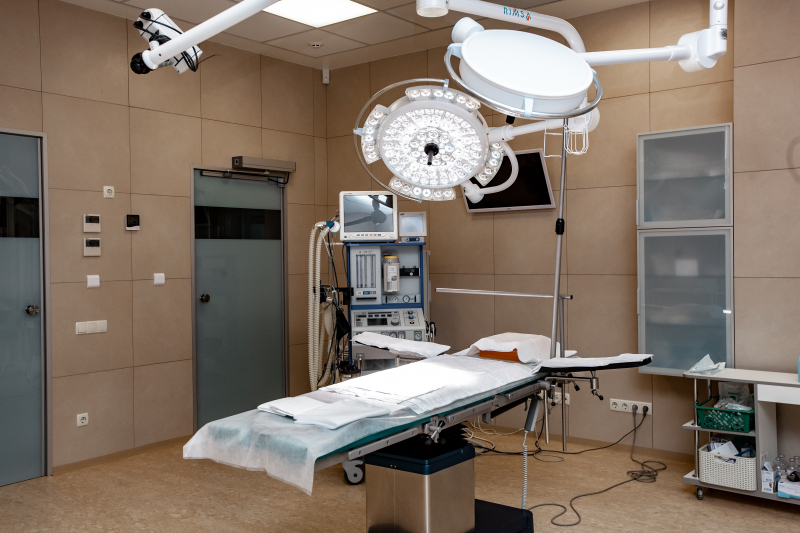



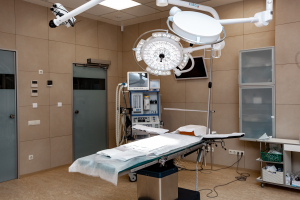


Hysteroscopy can be performed both for diagnosing various uterine conditions and for treating some of them. It allows the doctor to visually assess the condition of the uterine cavity, detect any pathologies, and take tissue biopsies for further examination.
The procedure is conducted in a gynecologist's office under local anesthesia. Before starting, the patient is asked to lie down in a horizontal position, after which the doctor inserts the hysteroscope through the cervix. A special solution is used to introduce air or saline into the uterine cavity to expand its walls for better visibility.
During the procedure, the patient may feel slight discomfort or pressure in the uterine area. After the procedure is completed, the patient can return to her daily activities, but it is recommended to avoid intense physical exertion and sexual intercourse for a few days.
Hysteroscopy has a small number of complications, such as bleeding, infections, or cervical damage. However, these are extremely rare.
Contraindications for hysteroscopy may include pregnancy, acute infection in the uterine area, blood clotting disorders, and some other conditions.
Hysteroscopy is a safe and effective method for examining the uterine cavity. It allows the doctor to obtain accurate information about the condition of the organ and make the right decision regarding further treatment. However, it is necessary to consult with a doctor and evaluate all possible risks and benefits before undergoing the procedure.
Laparoscopy can be performed both for diagnosing various diseases of the abdominal organs and for treating some of them. It allows the doctor to visually assess the condition of the organs, detect the presence of pathologies, and also perform surgical interventions.
The procedure is conducted in an operating room under general or local anesthesia. Before starting, the patient is asked to lie down in a horizontal position, after which the doctor inserts the laparoscope through an incision in the abdominal wall. A special solution is used to introduce gas into the abdominal cavity to create space and improve visibility.
During the procedure, the patient may feel slight discomfort or pressure in the abdominal area. After its completion, the patient can return to their daily life, but it is recommended to avoid intense physical activities and sex for several days.
Laparoscopy has a small number of complications, such as bleeding, infections, or damage to the abdominal organs. However, these are extremely rare.
Contraindications to laparoscopy may include pregnancy, acute infection in the abdominal cavity, blood clotting disorders, and some other conditions.
Laparoscopy is a safe and effective method for examining the abdominal cavity. It allows the doctor to obtain accurate information about the condition of the organs and make the right decision regarding further treatment. However, it is necessary to consult with a doctor and assess all possible risks and benefits before undergoing the procedure.
The surgery may be performed in the presence of symptoms such as bleeding, painful or heavy menstruation, lower abdominal pain, and discomfort during sexual intercourse. Myomectomy may also be recommended for women who plan to become pregnant but have fibroids that could hinder conception or lead to complications during pregnancy.
The procedure can be performed as an open surgery through an incision in the lower abdomen or using a laparoscope. Depending on the size and location of the fibroid nodules, the doctor chooses the most appropriate method.
During myomectomy, the doctor removes the fibroid nodules and restores the shape and size of the uterus. After the surgery, the patient may be prescribed hormone therapy to prevent the recurrence of fibroids.
Recovery after myomectomy can take from several weeks to several months. In the first few days after the surgery, the patient is advised to limit physical activity and avoid sexual intercourse. It is important to follow the doctor's recommendations and take medications prescribed to prevent possible complications.
Myomectomy has a number of complications, such as bleeding, infections, damage to abdominal organs, and the development of adhesions. However, these are extremely rare.
Contraindications to myomectomy may include pregnancy, severe heart and lung diseases, blood clotting disorders, and other serious conditions.
Myomectomy is an effective method for treating fibroids and can significantly improve the quality of life for women with this condition. However, it is necessary to consult with a doctor and assess all possible risks and benefits before undergoing the procedure.
The surgery may be performed if symptoms such as lower abdominal pain, unusual vaginal discharge, frequent urination, or changes in the menstrual cycle are present. Ovarian cyst removal may also be recommended if cysts are detected during a gynecological examination or if there is suspicion of a malignant growth.
The procedure can be performed as an open surgery through an incision in the lower abdomen or using a laparoscope. Depending on the size and nature of the cysts, the doctor will choose the most appropriate method.
During the ovarian cyst removal process, the doctor removes the cysts and, if necessary, part or all of the ovary. If the cysts are malignant, removal of both ovaries and the uterus may be required.
Recovery after the surgery can take from several weeks to several months. In the first few days post-surgery, the patient is advised to limit physical activity and avoid sexual intercourse. It is important to follow the doctor's recommendations and take prescribed medications to prevent possible complications.
Ovarian cyst removal has several complications, such as bleeding, infections, damage to abdominal organs, and the development of adhesions. However, these are extremely rare.
Contraindications for ovarian cyst removal may include pregnancy, severe heart and lung diseases, blood clotting disorders, and other serious conditions.
Ovarian cyst removal can be an effective method of treatment and prevention of complications from cysts. However, it is essential to consult with a doctor and assess all possible risks and benefits before proceeding with the surgery.
When is conization required?
Cervical conization is indicated in the following cases:
Detection of cervical dysplasia (CIN II–III);
Suspicion of malignant changes based on biopsy results;
Leukoplakia or erythroplakia of the cervix;
Positive results for high-risk oncogenic HPV combined with abnormal colposcopy findings;
Early-stage cervical cancer (stage 0 or IA1).
How is the procedure performed?
Conization is performed under local anesthesia or short-term general anesthesia and includes the following steps:
Preparation: Before the surgery, the patient undergoes a complete examination, including tests for infections, colposcopy, and cytological analysis.
Removal of the affected area: Using a laser, radio wave knife, or loop electrosurgical excision, the affected tissue section is removed in the shape of a cone.
Histological examination: The removed material is sent for analysis to confirm the diagnosis and assess the extent of tissue damage.
The procedure lasts 15–30 minutes, and recovery takes several weeks.
Advantages of conization
Minimally invasive: The procedure is gentle, with minimal damage to surrounding tissues.
Effectiveness: It allows for the complete removal of the pathological focus, reducing the risk of recurrence.
Diagnostic value: Accurate analysis of the removed tissue helps determine the strategy for further treatment.
Preservation of reproductive function: The procedure is suitable for women planning pregnancy, as the cervix retains its main functions.
Rehabilitation
After conization, it is recommended to:
Avoid physical exertion and sexual activity for 4–6 weeks;
Maintain hygiene of the intimate area;
Regularly visit the doctor to monitor healing.
Complications are rare, but if pain, bleeding, or other unpleasant symptoms occur, you should immediately consult a doctor.
Cervical conization is a safe and effective method for the treatment and diagnosis of diseases, allowing women to maintain their health and prevent the development of serious complications.
If you have been advised to undergo conization or wish to receive additional consultation, contact our clinic. We provide a professional approach, modern equipment, and support at all stages of treatment. Your health is in reliable hands!
Methods of Non-Medication Termination of Pregnancy
Vacuum Aspiration (Mini-Abortion)
This method is used in the early stages (up to 5–6 weeks). A special device creates negative pressure, allowing the contents of the uterus to be removed through a thin tube. The procedure takes 5–10 minutes and is most often performed under local anesthesia.
Surgical Curettage
Used at later stages (up to 12 weeks). During the operation, the doctor manually removes the contents of the uterus using a surgical instrument (curette). The procedure is performed under general or local anesthesia.
Indications for Non-Medication Termination of Pregnancy
Personal desire of the woman;
Medical indications (fetal developmental anomalies, threat to the life and health of the mother);
Social indications (in exceptional cases).
It is important to emphasize that the decision to undergo the procedure should be carefully considered, and the operation itself should be performed only in a licensed medical facility.
Preparation for the Procedure
Before undergoing a non-medication abortion, the patient needs to:
Consult with a gynecologist;
Have an ultrasound to determine the gestational age;
Undergo a complete blood count and infection tests.
These measures help reduce risks and ensure the safety of the procedure.
Rehabilitation and Recovery
After the termination of pregnancy, it is important to follow the doctor's recommendations:
Avoid physical exertion and sexual activity for 2–4 weeks;
Monitor the body's condition and undergo additional examinations if necessary;
Seek psychological support if needed.
Additionally, the doctor will help choose an appropriate method of contraception to prevent unwanted pregnancy in the future.
Risks and Contraindications
Although modern surgical methods minimize risks, the procedure may be accompanied by complications such as infections, bleeding, or damage to the uterine walls. To prevent such situations, it is important to choose a professional clinic with experienced specialists.
Non-medication termination of pregnancy is a serious decision that requires a careful approach. Our clinic offers qualified assistance, ensuring safety and support at all stages of the procedure. If you are faced with the need for pregnancy termination, contact our specialists for professional consultation and compassionate care. We are here to help you make an informed choice.
Bioidentical therapy, pellets, bioidentical hormones. Interview with Dr. Igor Perelygin.
Plasmapheresis (blood purification) for pregnancy planning

404 Not Found
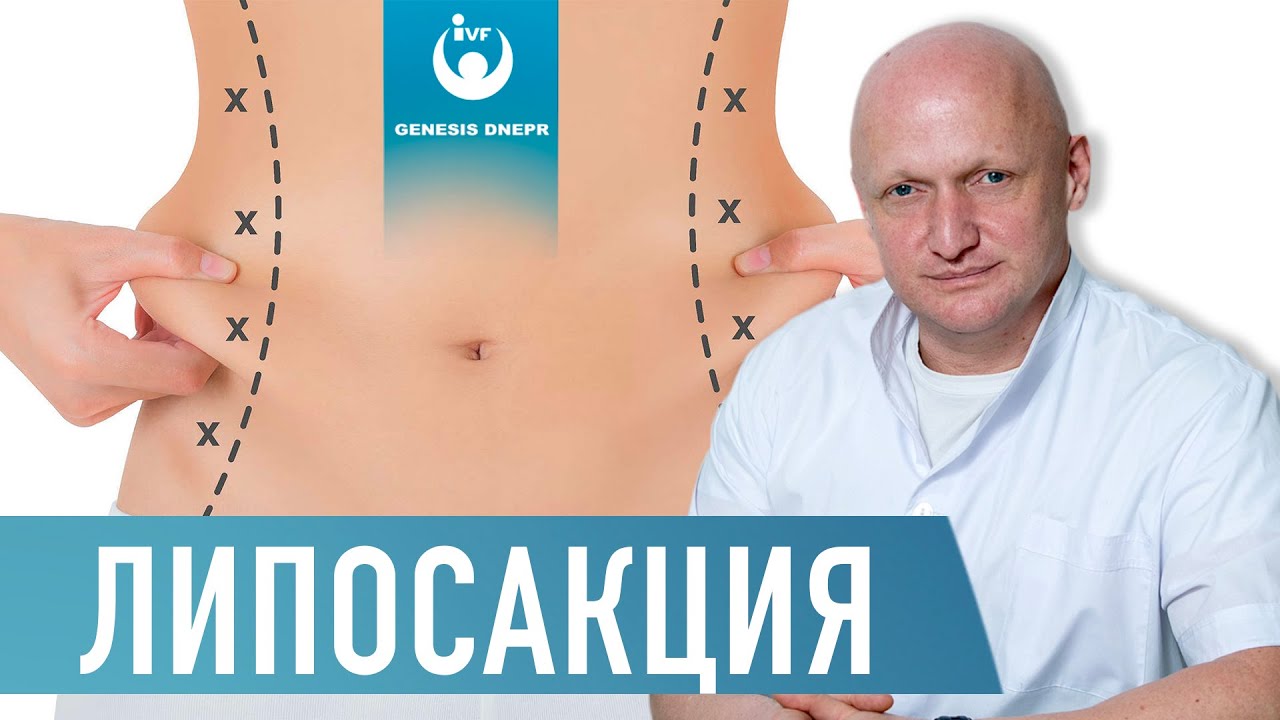
What is LIPOSUCTION? Laser liposuction, vibroliposuction, ultrasonic liposuction.|Surgeon Shevtsov

Treatment of Diabetes. Interview with an Endocrinologist.

Treatment of anal fissure. Proctology at "Genesis Dnipro". Proctologist Olga Ryabchinskaya.
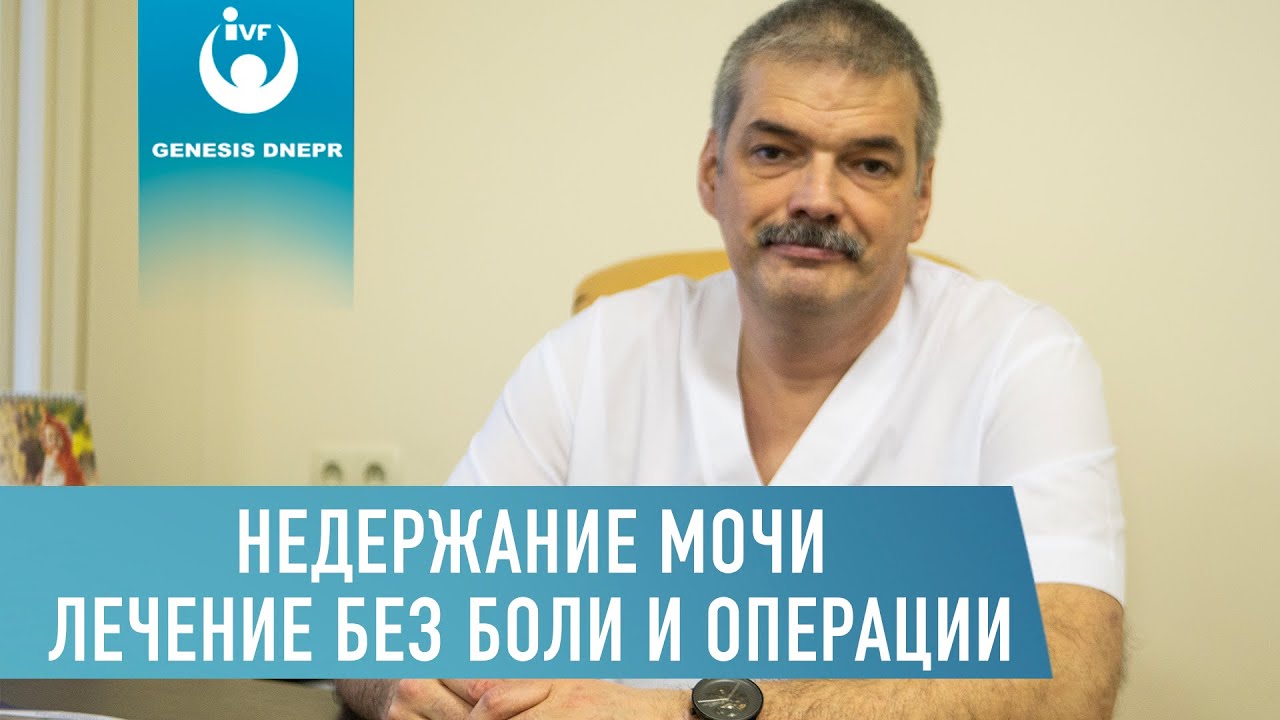
Urinary incontinence in women. Laser treatment without pain and surgery.

Breast surgery, breast lift, and breast augmentation. Mammoplasty. Breast augmentation with implants, lipofilling.

Pregnancy management at Genesis Dnepr Clinic.
1. ЗАПИС ПО ТЕЛЕФОНУ:
+38(067) 544-68-282. ЗАПИСЬ ЧЕРЕЗ АНКЕТУ:
Анкета слугує для попереднього знайомства лікаря з медичною інформацією про Вас та дає можливість записатися на платну чи безкоштовну консультацію ...
+38 0963701324
2. More accurate diagnosis: Laparoscopy enables visualization of pelvic organs with a high degree of detail, helping to detect even small changes and pathologies. This is particularly useful for identifying tumors, inflammatory processes, and endometriosis.
3. Capabilit...
2. More accurate diagnosis: Laparoscopy enables visualization of pelvic organs with a high degree of detail, helping to detect even small changes and pathologies. This is particularly useful for identifying tumors, inflammatory processes, and endometriosis.
3. Capability to perform surgeries: Laparoscopy allows for various surgical interventions, such as the removal of tumors, fibroids, ovarian cysts, as well as tubal reconstruction and hysterectomy. This helps avoid open surgery and its associated complications.
4. Quick recovery: Due to the small size of the incisions and the less traumatic nature of the procedure, patients who undergo laparoscopic surgery typically recover faster and experience less postoperative pain.
5. Cosmetic effect: Because of the small size of the incisions and the absence of a large wound, laparoscopy leaves minimal marks on the skin, enhancing the cosmetic outcome.
долгота: 35.0320729


