
The leading causes of adhesion formation are:
- Diseases of the abdominal organs combined with surgical trauma;
- Abdominal bruises and injuries;
- Congenital anomalies of the abdominal organs.
Clinical manifestations range from minor abdominal pain to severe forms of acute bowel obstruction. One of the main complaints is persistent pain throughout...
The leading causes of adhesion formation are:
- Diseases of the abdominal organs combined with surgical trauma;
- Abdominal bruises and injuries;
- Congenital anomalies of the abdominal organs.
Clinical manifestations range from minor abdominal pain to severe forms of acute bowel obstruction. One of the main complaints is persistent pain throughout the abdomen without clear localization.
- The clinic is equipped with modern surgical, anesthesiological, and rehabilitation equipment that meets the highest quality standards.
- Innovative surgical equipment - CO2 fractional laser (Deka, Italy) - only available with us in our region!
- We ensure the patient's comfort post-operation and provide 24/7 monitoring by medical staff.
- We have our own laboratory complex for conducting necessary tests.
...
- The clinic is equipped with modern surgical, anesthesiological, and rehabilitation equipment that meets the highest quality standards.
- Innovative surgical equipment - CO2 fractional laser (Deka, Italy) - only available with us in our region!
- We ensure the patient's comfort post-operation and provide 24/7 monitoring by medical staff.
- We have our own laboratory complex for conducting necessary tests.
- Single luxury rooms with enhanced comfort.
- Independent sources of heat, gas, water, and electricity.
- Modern water purification and ventilation systems.
- Patient safety system with restricted access, 24-hour security, and parking.

Banakhevich Roman Mikhailovich
Obstetrician-gynecologist of the highest category, Doctor of Medical Sciences, Professor, Associate Professor of the Department of Obstetrics and Gynecology at DMU, member of the European Society of Endoscopic Surgeons and the European Board of Urogynecology, member of the Ukrainian Association of Plastic Surgeons in Gynecology.
Operative gynecology: urogynecology, gynecological plastic surgery, laparoscopy, hysteroscopy, cesarean section.

Antipov Gennady Vladimirovich
Surgeon of the highest category
GENERAL SURGERY, PROCTOLOGY, UROLOGY. Excision of hernias of any location. Surgical treatment of soft tissue diseases: lipoma, atheroma, fibroma, hygroma. Proctology - HAL RAR.

Lysunets Pavel Borisovich
Surgeon of the highest category. European Association for Endoscopic Surgery (EAES)
General surgery. Laparoscopic, endoscopic, and traditional procedures on soft tissues, abdominal organs, and more. Removal of the appendix, hernias of various locations, rectal polyps...
Tour of Genesis Dnepr Clinic | Maternity Ward, Plastic Surgery, Therapy, Detoxification...
The procedure is performed under general anesthesia and involves making several small incisions in the abdominal wall through which instruments and a laparoscope are inserted. Using the laparoscope, the surgeon examines the abdominal cavity and removes adhesions with special instruments.
Laparoscopic adhesiolysis has several advantages over open surgery, such as faster recovery, less pain, and a lower risk of complications. Additionally, the use of a laparoscope provides the surgeon with a more precise view of the abdominal cavity, allowing for more careful removal of adhesions.
However, like any surgical procedure, laparoscopic adhesiolysis carries certain risks, including bleeding, infection, and organ damage. Therefore, it is important to discuss all potential risks and indications for the procedure with a doctor beforehand.
After laparoscopic adhesiolysis, patients may be prescribed special diets and exercises to speed up recovery and prevent the formation of new adhesions. Regular follow-up with a doctor may also be necessary to monitor health status.
Laparoscopic adhesiolysis can be an effective procedure for removing adhesions in the abdominal cavity and improving the patient's condition. However, it is essential to discuss the indications and possible risks with a doctor before undergoing the procedure. Following the procedure, it is important to adhere to all medical recommendations and maintain a healthy lifestyle to achieve the best results.
404 Not Found
The procedure is performed under general anesthesia and involves inserting a hysteroscope through the cervix into the uterine cavity. Using the hysteroscope, the surgeon examines the uterine cavity and removes adhesions with special instruments.
Hysteroscopic adhesiolysis has several advantages over open surgery, such as faster recovery, less pain, and a lower risk of complications. Additionally, the use of a hysteroscope provides the surgeon with a more precise view of the uterine cavity, allowing for more careful removal of adhesions.
However, like any surgical procedure, hysteroscopic adhesiolysis carries certain risks, including bleeding, infection, and organ damage. Therefore, it is important to discuss all potential risks and indications for the procedure with a doctor beforehand.
After hysteroscopic adhesiolysis, patients may be prescribed specific diets and exercises to speed up recovery and prevent the formation of new adhesions. Regular follow-up with a doctor may also be necessary to monitor health status.
Hysteroscopic adhesiolysis can be an effective procedure for removing adhesions inside the uterus and improving the patient's condition. However, it is essential to discuss its indications and potential risks with a doctor before undergoing the procedure. Following the procedure, it is important to adhere to all medical recommendations and maintain a healthy lifestyle to achieve the best results.
One such method is laparoscopic adhesiolysis. This procedure involves a surgeon using a laparoscope (a thin tube with a camera at the end) to break down and remove adhesions inside the abdominal cavity. This method is less invasive than surgical removal of adhesions and can be performed as an alternative.
Another method is hysteroscopy with adhesion removal. This procedure is used to remove adhesions inside the uterus and can be performed using a hysteroscope (a thin tube with a camera at the end) or with special instruments inserted through the cervix.
Laser therapy can also be used to treat adhesions. In this procedure, a laser is used to remove adhesions inside the patient's body. This method can be more precise and less invasive than surgical removal of adhesions.
Some patients may benefit from physical therapy, which can help break down and reduce adhesions. Massage, stretching, and other exercises can help improve tissue mobility and prevent the formation of new adhesions.
In rare cases, a hysterectomy (removal of the uterus) or oophorectomy (removal of the ovaries) may be recommended for treating adhesions. However, these methods are used only in extreme cases and are usually not recommended as a first-line treatment.
In any case, the choice of treatment method for adhesions will depend on the individual characteristics of the patient and the doctor's recommendations. Therefore, it is important to discuss all possible options with a doctor and choose the most suitable one for each specific case.
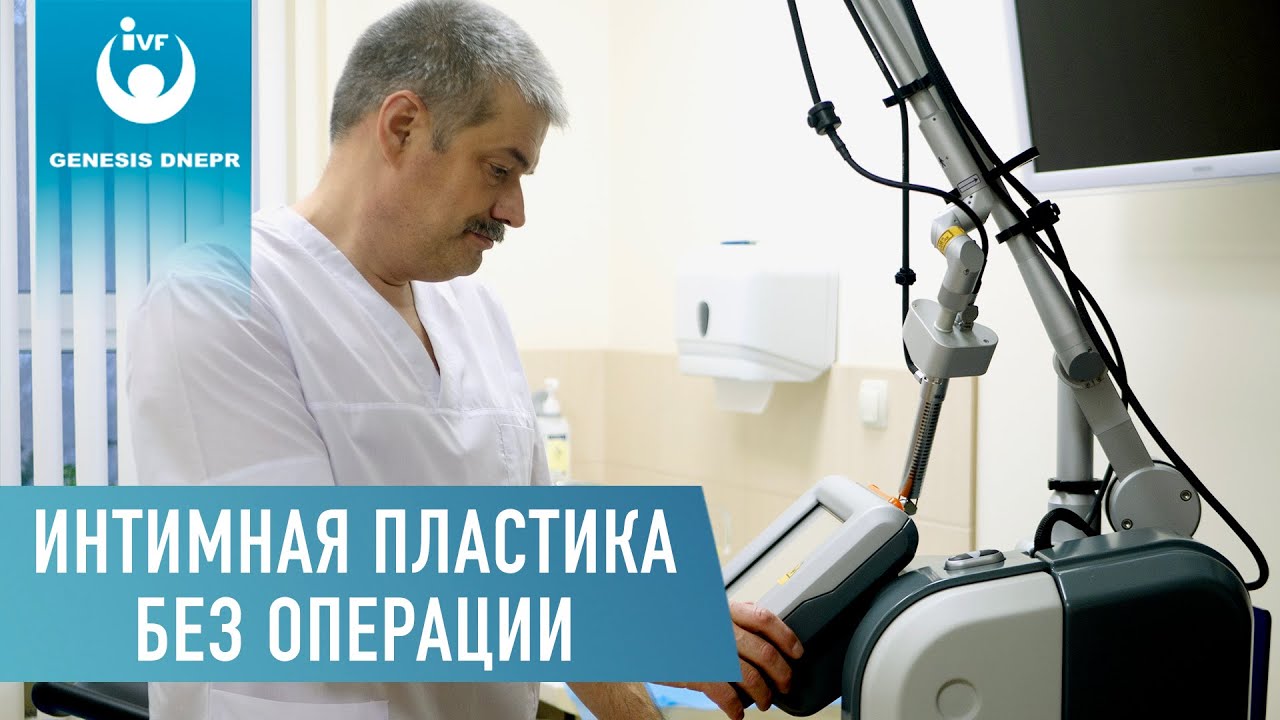
Laser intimate plastic surgery without pain and operation. Treatment of the intimate area with CO2 laser MonaLisa Touch Deka.
How to treat HPV - Human Papillomavirus? Diagnosis and treatment. Gynecologist Natalia Fedoruk.
Itching in the Anus: Real Causes, Treatment, and Prevention. Proctologist O.V. Ryabchinskaya.
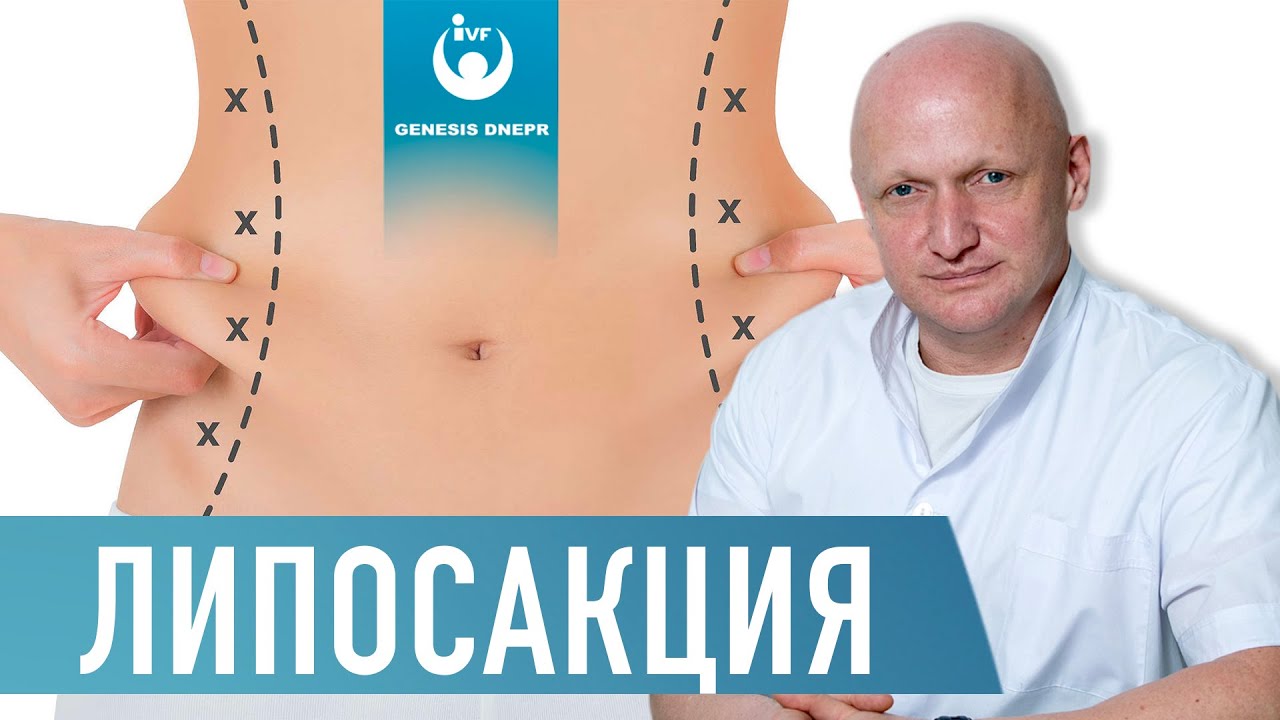
What is LIPOSUCTION? Laser liposuction, vibroliposuction, ultrasonic liposuction.|Surgeon Shevtsov
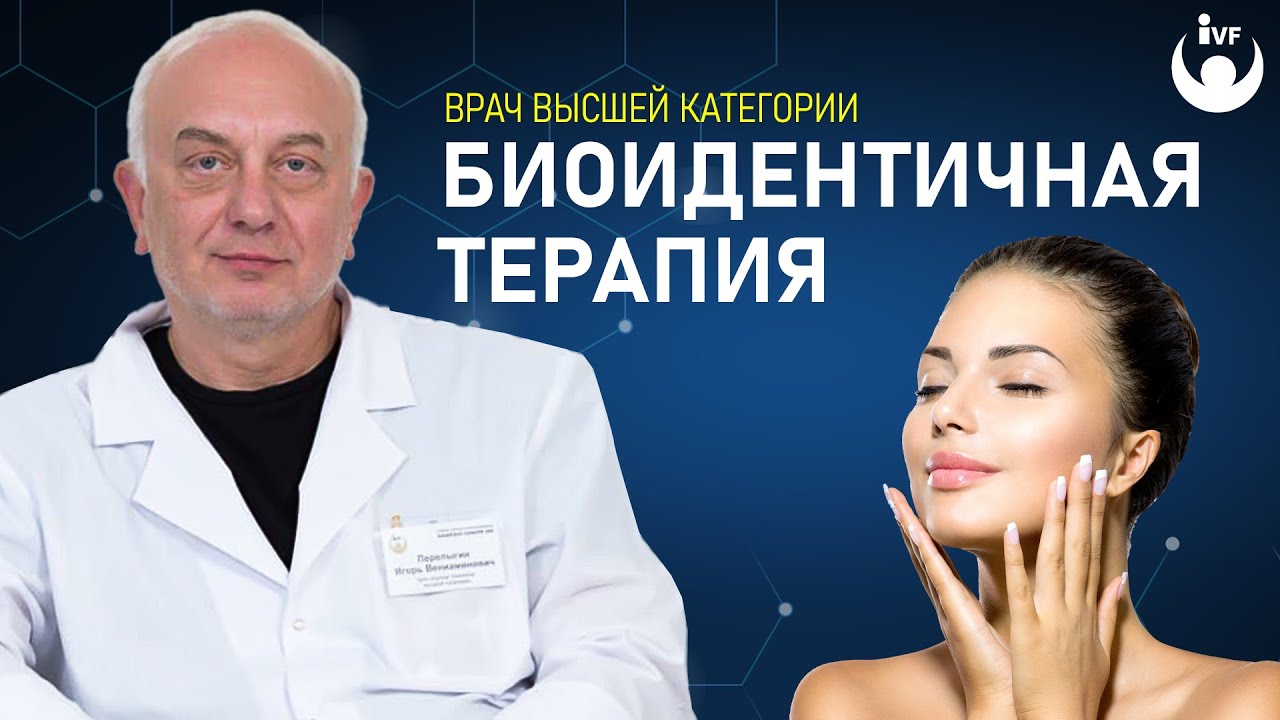
Bioidentical therapy. Treatment with bioidentical hormones - pellets.
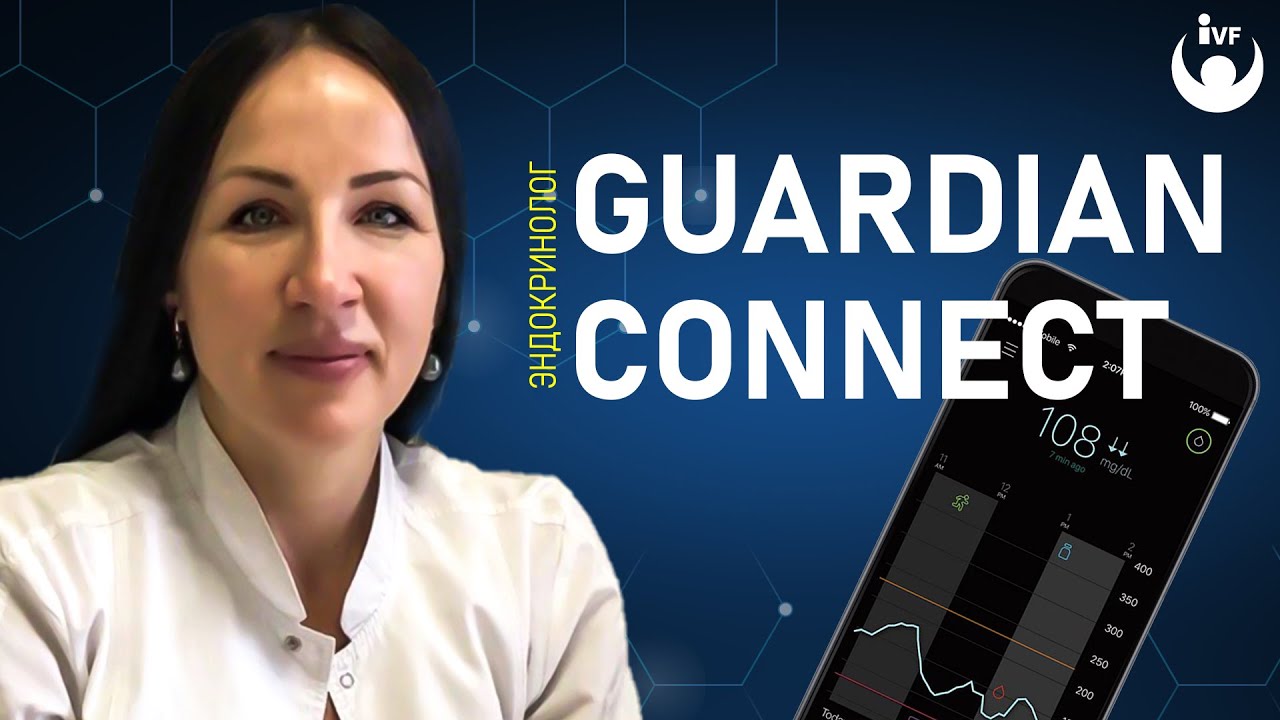
Guardian Connect - Continuous Glucose Monitoring. Diagnosis and treatment of diabetes.
Itching in the Anus: Real Causes, Treatment, and Prevention. Proctologist O.V. Ryabchinskaya.

Lipofilling | Liposculpture of the face, neck, hands, and entire body. Mario Goisis and Igor Perelygin.
1. APPOINTMENT BY PHONE:
+38(067) 544-68-282. ЗАПИСЬ ЧЕРЕЗ АНКЕТУ:
The questionnaire serves to familiarize the doctor with your medical information and gives you the opportunity to sign up for a paid or free consultation ...
2. Injuries or surgical interventions in the genitourinary area.
3. Vasectomy - blockage or cutting of the spermatic ducts.
4. Genetic abnormalities.
5. Radiation therapy or chemotherapy for cancer treatment.
долгота: 35.0320729


