
Reasons to consult a neurologist:
- Back pain (osteochondrosis and radiculopathy)
- Headache (cluster headache, migraine, tension headache)
- Multiple sclerosis, Parkinson's disease, Alzheimer's disease, multiple system atrophy
- Age-related memory disorders (dementia)
- Myasthenia and myasthenic syndrome
- Neuralgias: trigeminal nerve inflammation, sciatic nerve neuralgia...
- Epilepsy and epileptic syndromes
- Post-st...
Reasons to consult a neurologist:
- Back pain (osteochondrosis and radiculopathy)
- Headache (cluster headache, migraine, tension headache)
- Multiple sclerosis, Parkinson's disease, Alzheimer's disease, multiple system atrophy
- Age-related memory disorders (dementia)
- Myasthenia and myasthenic syndrome
- Neuralgias: trigeminal nerve inflammation, sciatic nerve neuralgia...
- Epilepsy and epileptic syndromes
- Post-stroke condition, treatment of chronic cerebral circulation disorders
- Withdrawal from binge drinking or alcohol intoxication
- Own clinical and diagnostic laboratory;
- A wide range of instrumental examinations of the body;
- 24-hour and day inpatient care;
- Opportunity to undergo a course of massage and kinesiotherapy at the clinic;
- Use of bioidentical pellets and Cordyceps to enhance therapy effectiveness;
- The clinic is open daily!

Neurologist of the highest category, with over 20 years of experience!
DIAGNOSIS AND TREATMENT OF NERVOUS SYSTEM DISEASES: Parkinson's disease, Alzheimer's disease, epilepsy, dementia, depression, addictions. HEAD AND SPINAL PAIN SLEEP DISORDERS

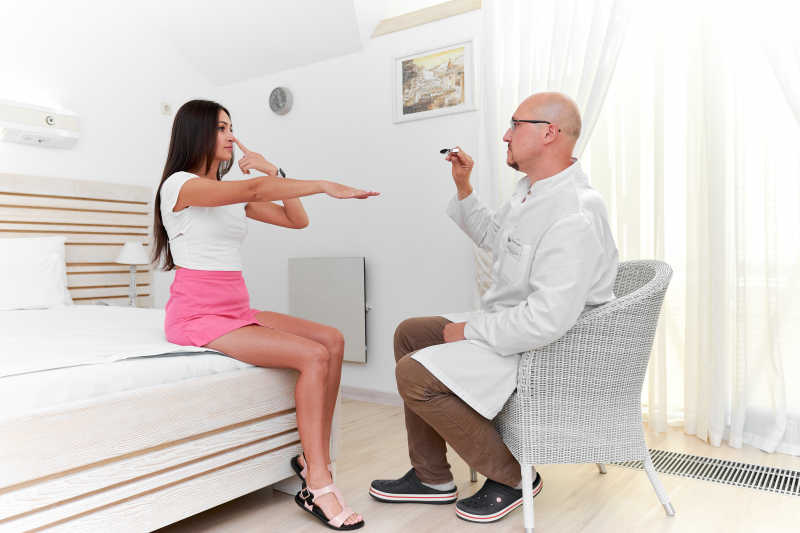


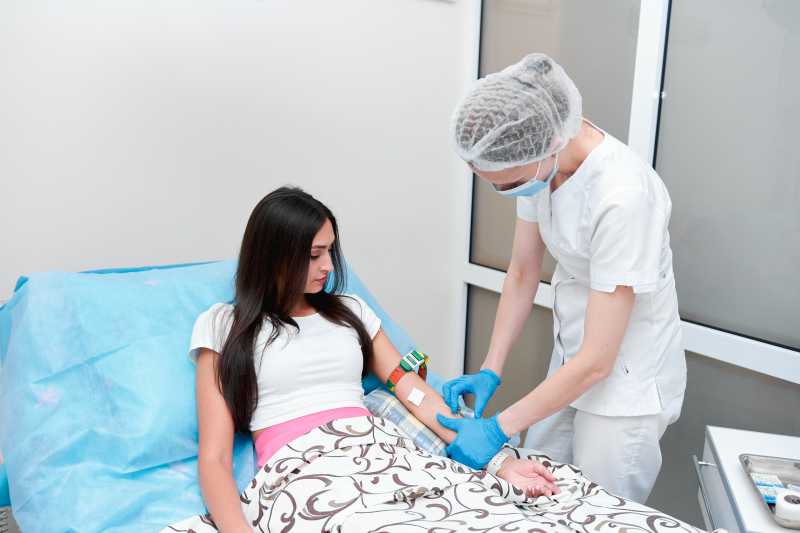
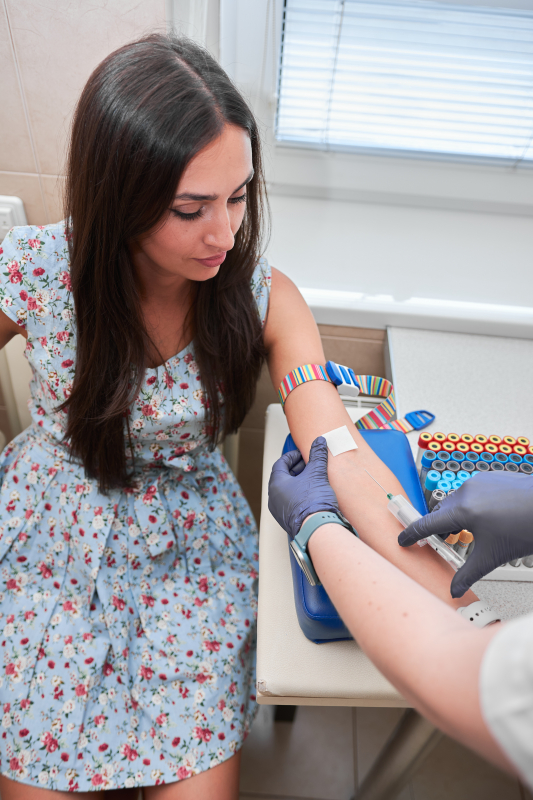





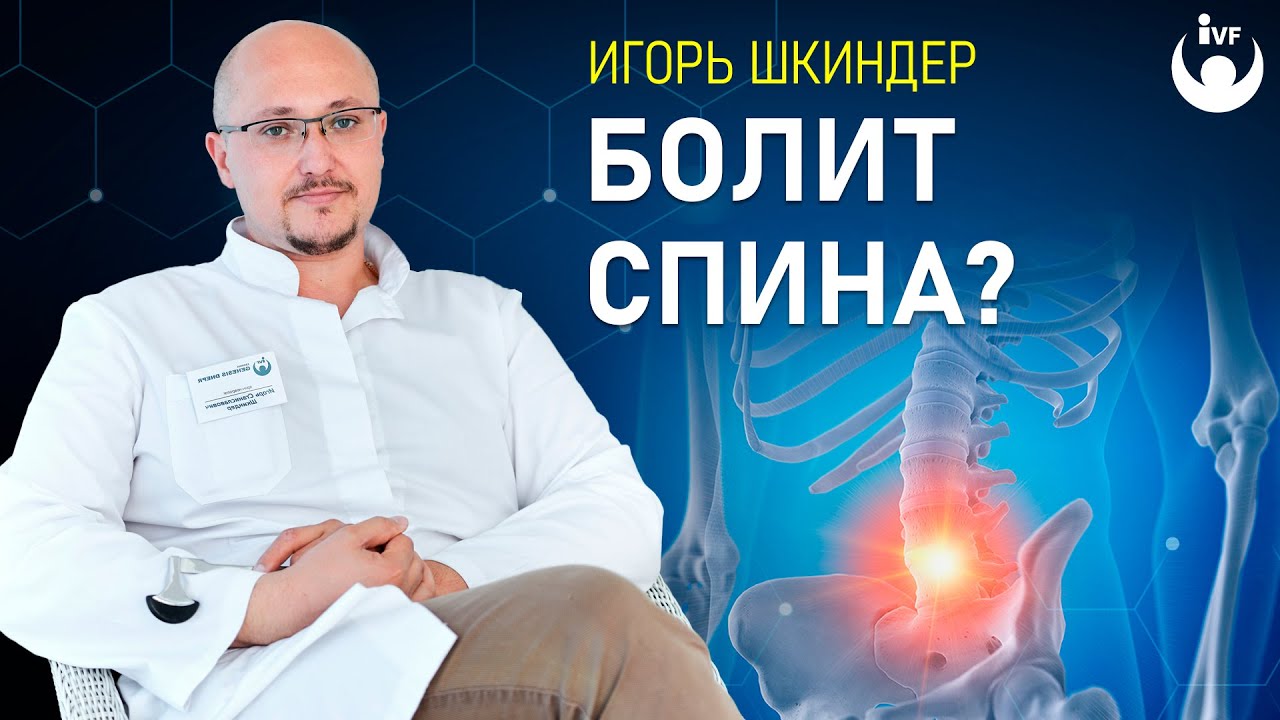
Why does the back hurt? Explained by neurologist Igor Shkinder.
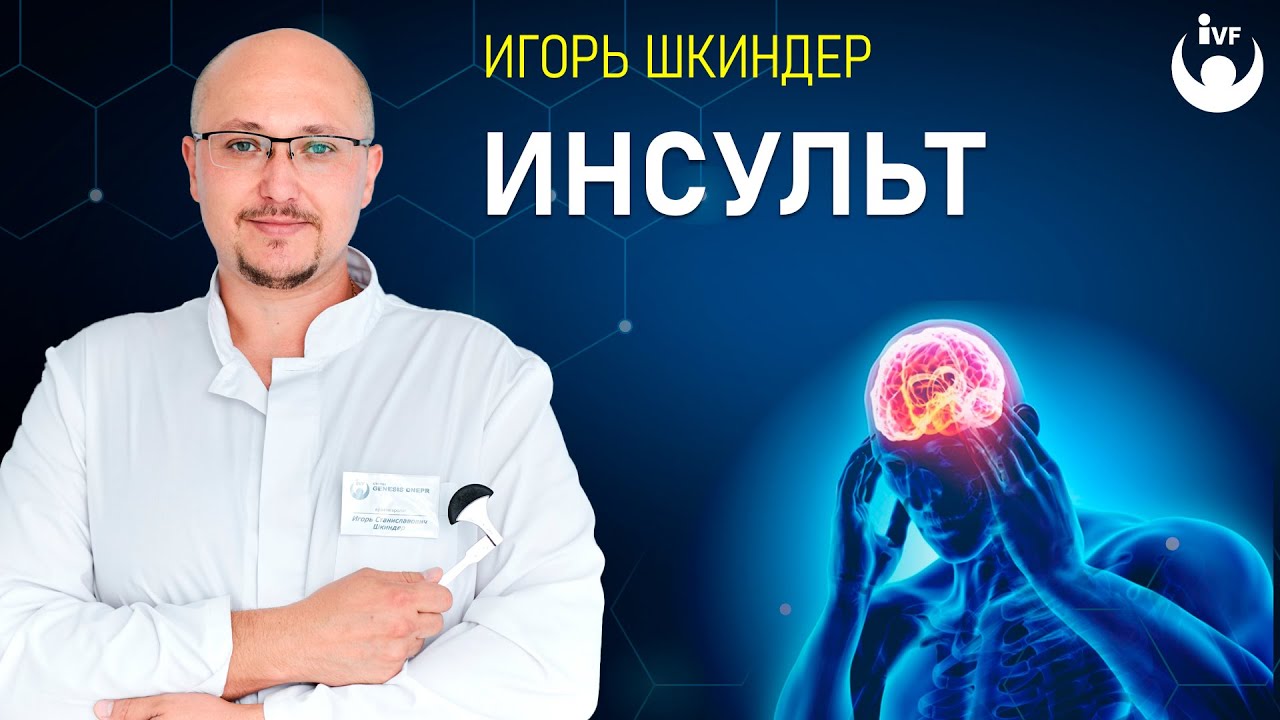
How to survive after a stroke?
One of the most common spinal disorders causing back pain is osteochondrosis. This is a chronic condition characterized by degenerative changes in the intervertebral discs and spinal joints. In osteochondrosis, the discs lose their elasticity and become less resilient, leading to vertebral displacement and pain.
A herniated disc is another common cause of back pain. A hernia occurs when the soft core of an intervertebral disc is pushed through a damaged or weakened disc shell. This can compress nerve endings and cause sharp back pain, as well as pain radiating along the nerve, which can lead to numbness, weakness, and other symptoms.
Radiculitis is an inflammatory nerve condition that can cause back pain. It can be triggered by infection, injury, or autoimmune reactions. Radiculitis is often accompanied by sharp back pain, as well as numbness, weakness, and changes in sensitivity along the affected nerve.
Other spinal disorders, such as scoliosis, spondylosis, and spondylolisthesis, can also cause back pain. Scoliosis is a lateral curvature of the spine that can lead to pain and spinal deformity. Spondylosis refers to degenerative changes in the spinal joints, which can cause pain and restricted movement. Spondylolisthesis is the displacement of one vertebra relative to another, which can lead to pain and spinal instability.
The treatment of back pain depends on its cause. In most cases, conservative treatment, such as physical therapy, medication, and back exercises, can help manage pain and improve spinal function. However, in some cases, surgical intervention may be necessary, especially in the presence of a herniated disc or other structural changes in the spine.
Back pain is a serious issue that can significantly limit a person's daily activities. Therefore, it is important to consult a doctor when experiencing back pain to obtain an accurate diagnosis and appropriate treatment.
Pain in the spine can be chronic—persistent and long-lasting—or acute, when the static-dynamic function of the spine is disrupted (the person cannot stand upright and assumes a "pain-relieving" posture). It can be localized in different areas of the back and radiate to the shoulders, neck, chest, or limbs. Pain is merely a symptom caused by a specific condition. In different pathologies, the nature of the pain usually varies, but a person cannot determine the correct diagnosis based solely on the nature of the pain.
Physical symptoms of post-stroke condition may include paresis or paralysis, coordination disorders, seizures, loss of sensation, or pain. These symptoms make it difficult to perform daily tasks and may require physical rehabilitation to restore function.
Emotional symptoms of post-stroke condition include depression, anxiety, irritability, apathy, or emotional instability. Patients may experience mood swings and emotional breakdowns, which can complicate their social functioning and interactions with others.
Cognitive symptoms of post-stroke condition may involve problems with memory, attention, concentration, speech, and comprehension. Patients may have difficulties with orientation in time and space, as well as with performing complex cognitive tasks.
Treatment of post-stroke condition aims to improve the patient's functional independence and quality of life. Physical rehabilitation plays a crucial role in restoring motor functions and enhancing physical activity. This may include physical exercises, massage, physiotherapy, and other methods.
For treating emotional symptoms of post-stroke condition, psychological support and psychotherapy are important. Medication therapy is prescribed to manage depression, anxiety, or other mental disorders.
Cognitive rehabilitation can help patients improve cognitive functions and increase their ability for self-care and social adaptation. This may include memory training, compensation strategies, and various cognitive exercises.
Treatment of post-stroke condition should be individualized and multifaceted to address all symptoms and patient needs. Early initiation of rehabilitation and medical intervention can aid in functional recovery and enhance quality of life after a stroke.
The treatment of headache...
The treatment of headaches, including migraines, cluster headaches, and tension headaches, can vary depending on the type and intensity of the pain. However, general approaches to treating headaches include the following methods:
1. Medication therapy: Depending on the type of headache, a doctor may prescribe various medications to relieve pain and prevent its occurrence. For example, triptans or ergotamines may be prescribed for migraines, while oxygen therapy or medications affecting the vascular system may be used for cluster headaches.
2. Lifestyle changes: Some lifestyle changes can help reduce the frequency and intensity of headaches. This may include regular physical exercise, maintaining a regular sleep and rest schedule, managing stress, and avoiding triggers such as certain foods or strong odors.
3. Relaxation techniques: Relaxation techniques such as deep breathing, meditation, and yoga can help relieve tension and stress, which may contribute to reducing headaches.
4. Physical therapy: Some types of headaches may be related to muscle tension or uncomfortable body positions. Physical therapy, including massage, stretching, and exercises to strengthen muscles, can help relieve tension and improve symptoms.
5. Alternative methods: Some people find relief from headaches through alternative methods such as acupuncture, homeopathy, or herbal remedies. However, it is important to consult a doctor before using these methods.
It is important to consult a doctor for an accurate diagnosis and the most effective treatment for your specific case. Self-treatment or improper use of medications can worsen the condition or cause side effects.
Treatment for Parkinson's disease may include the following approaches:
1. Medication Therapy: A doctor may prescribe various medications to manage the symptoms of Parkinson's disease. Some of these affect the level of dopamine, a chemical in the brain that plays a key role in controlling movement.
2. Physical Therapy: Physical therapy can help improve flexibility, strength, and muscle coordination, as well as enhance balance. Various exercises and stretching techniques may be suggested by a physical therapist.
3. Occupational Therapy: Occupational therapy helps people with Parkinson's disease develop skills and strategies to cope with daily tasks and maintain independence.
4. Speech Therapy: Parkinson's disease can affect a patient's speech and voice. Speech therapy can help improve articulation, volume, and speech clarity.
5. Surgical Interventions: In some cases, surgical intervention, such as deep brain stimulation, may be recommended to improve the symptoms of Parkinson's disease.
6. Support and Lifestyle: It is important to receive support from family, friends, and professionals such as a psychologist or social worker. Lifestyle changes, such as regular physical exercise, healthy eating, and stress management, can also help manage symptoms.
It is important to consult a doctor for an accurate diagnosis and to determine the most effective treatment for your specific case of Parkinson's disease. Self-treatment or improper use of medications can worsen the condition or cause side effects.
Epilepsy can be caused by various factors, including genetic predisposition, brain damage due to injury or infection, certain brain development disorders, tumors, or vascular disorders. It can develop at any age but most commonly begins in childhood or old age.
Treatment for epilepsy includes the following approaches:
1. Medication Therapy: A doctor may prescribe antiepileptic drugs to control and prevent seizures. These medications help stabilize electrical activity in the brain.
2. Surgical Treatment: In some cases, when medication therapy is ineffective, surgery may be recommended. This may involve removing or separating the part of the brain that causes seizures.
3. Ketogenic Diet: A ketogenic diet, which is low in carbohydrates and high in fats, may be recommended for some patients with epilepsy. This diet can help reduce the frequency and intensity of seizures.
4. Vagus Nerve Stimulation: Vagus nerve stimulation (VNS) is a procedure where a device similar to a pacemaker is implanted to stimulate the vagus nerve. This can help reduce the frequency and intensity of seizures.
5. Support and Lifestyle: It is important to receive support from family, friends, and professionals such as a psychologist or social worker. Avoiding stress, regular physical exercise, healthy eating, and adequate sleep can also be beneficial for controlling seizures.
As with Parkinson's disease, it is important to consult a doctor for an accurate diagnosis and the most effective treatment plan for your specific case of epilepsy. Self-treatment or improper use of medications can be dangerous and ineffective.
Symptoms of anxiety disorders:
- Feeling of restlessness or unease
- Intense worries and fears
- Difficulty concentrating and focusing
- Nervousness and irritability
- Physical symptoms such as increased heart rate, sweating, trembling, and dizziness
- Sleep problems, including insomnia
Treatment for anxiety disorders may include the following approaches:
1. Psychotherapy: Cognitive-behavioral therapy (CBT) is the most common type of psychotherapy for treating anxiety disorders. It helps individuals change negative thoughts and behaviors associated with anxiety. Other types of therapy, such as psychodynamic therapy and interpersonal therapy, can also be effective.
2. Medication therapy: A doctor may prescribe anxiolytics (anti-anxiety medications) or antidepressants to treat anxiety disorders. These medications help reduce anxiety symptoms and improve mood.
3. Relaxation and stress management techniques: Relaxation techniques such as deep breathing, meditation, yoga, and progressive muscle relaxation can help lower anxiety levels and improve overall well-being.
4. Lifestyle changes: A healthy lifestyle, including regular physical exercise, a balanced diet, adequate sleep, and avoiding harmful habits (such as alcohol consumption or smoking), can help reduce anxiety levels.
5. Support and self-help: Receiving support from loved ones, joining support groups, and using self-help methods such as journaling or using meditation and relaxation apps can also be beneficial.
It is important to consult a doctor for an accurate diagnosis and to determine the most effective treatment for your specific case of anxiety disorder. Self-treatment or improper use of medications can be dangerous and ineffective.
Symptoms of Alzheimer's disease include forgetfulness, difficulty with orientation in time and place, problems with solving simple tasks, difficulties in communication, changes in mood and behavior, loss of interest in previously enjoyed activities, and problems with self-care.
The causes of Alzheimer's disease are not fully understood, but it is believed that genetic and environmental factors play a major role. Currently, there is no cure for this disease, and treatment is aimed at alleviating symptoms and slowing the progression of the disease.
Treatment for Alzheimer's disease includes pharmacological therapy, such as medications that improve cognitive functions and slow disease progression, as well as psychosocial support, which includes psychological assistance for the patient and their loved ones, education, and advice on patient care.
Approaches to treating Alzheimer's disease:
1. Pharmacotherapy: A doctor may prescribe medications that can help slow the progression of the disease and improve symptoms. For example, cholinesterase inhibitors, such as donepezil and rivastigmine, can improve memory and cognitive functions. Antidepressants or antipsychotic medications may also be prescribed to manage accompanying psychiatric symptoms.
2. Psychosocial support: Patients with Alzheimer's disease should receive psychosocial support from specialists who provide information about the disease to the entire family.
3. Regular physical activity: Physical activity can be beneficial in slowing the progression of Alzheimer's disease and improving overall physical and mental well-being. Regular moderate physical activity, such as walking or swimming, is recommended.
4. Cognitive stimulation: Various cognitive exercises and training can help maintain cognitive functions and improve memory in patients with Alzheimer's disease. This may include solving puzzles, reading, memory games, or participating in brain training programs.
5. Self-care and support from others: It is important to provide a safe and supportive environment for a patient with Alzheimer's disease. This may include creating a structured schedule, assisting with daily tasks, ensuring proper nutrition, and adequate rest.
It is important to consult a doctor as early as possible to obtain an accurate diagnosis and the most effective treatment for your specific case of Alzheimer's disease. Treatment should be individualized and based on the specific needs of the patient.
1. Medication: A doctor may prescribe medications to he...
1. Medication: A doctor may prescribe medications to help manage withdrawal symptoms and eliminate toxins from the body. These can include drugs that help with withdrawal syndrome, such as benzodiazepines or anticonvulsants.
2. Regular monitoring and medical supervision: Patients detoxing from a binge should be under medical observation and supervision. The doctor will monitor the patient's condition, assess their physical and mental state, and adjust treatment as necessary.
3. Psychological support: Patients coming out of a binge may need psychological support to cope with the emotional and mental consequences. A psychologist or therapist can help the patient develop strategies to prevent relapse and deal with potential issues related to binge drinking.
4. Support from others: It is important for the patient to receive support from family and those around them. This can include creating a safe and supportive environment, helping with daily tasks, encouraging a healthy lifestyle, and providing emotional support.
Detoxing from a binge is a complex and individual process that requires medical supervision and support. It is important to seek professional help from a doctor promptly to develop a treatment plan that is most suitable for your specific case of binge drinking.
This procedure allows doctors to assess the heart's electrical activity in everyday conditions, including during various physical activities and sleep. It can help identify abnormalities in heart rhythm, such as arrhythmias or insufficient blood flow.
Holter monitoring is typically used for diagnosing various cardiovascular diseases, such as atrial fibrillation, sick sinus syndrome, heart conduction disorders, and others. It can also be useful for evaluating the effectiveness of treatment or monitoring heart activity in patients at high risk of cardiovascular diseases.
Holter monitoring is a safe procedure; however, the wearer of the device should avoid wet conditions to prevent damage to the device. After the procedure is completed, the data is analyzed by a specialist, and the results are used for diagnosis and treatment planning.
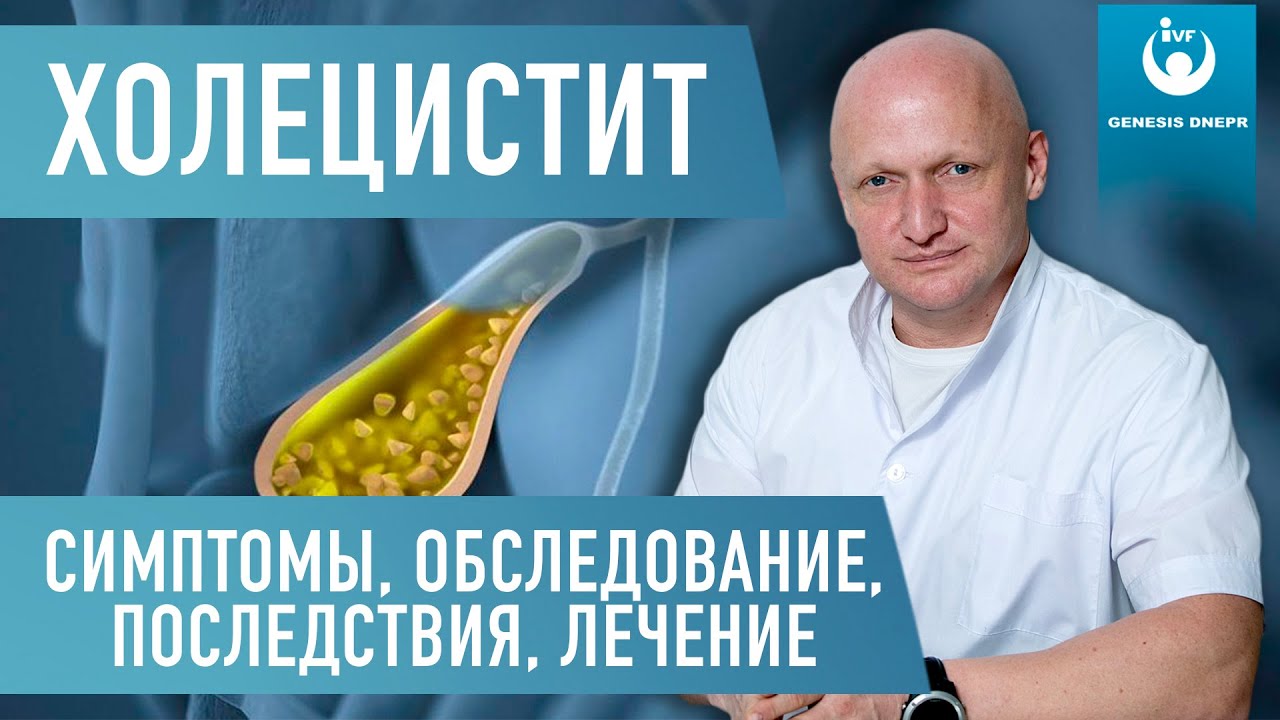
Cholecystitis. Inflammation of the gallbladder - what it is, the dangers, and how to treat it. Surgeon Shevtsov

Doctors Perelygin I.V. and Shevtsov A.N. on plastic surgery at Genesis Dnepr clinic. Why here?
Bioidentical therapy, pellets, bioidentical hormones. Interview with Dr. Igor Perelygin.

Lose weight without harm. Diabetes treatment. The book "Red Pill for Weight Loss".

Tour of Genesis Dnepr Clinic | Maternity Ward, Plastic Surgery, Therapy, Detoxification...
Urinary incontinence in women. Laser treatment without pain and surgery.
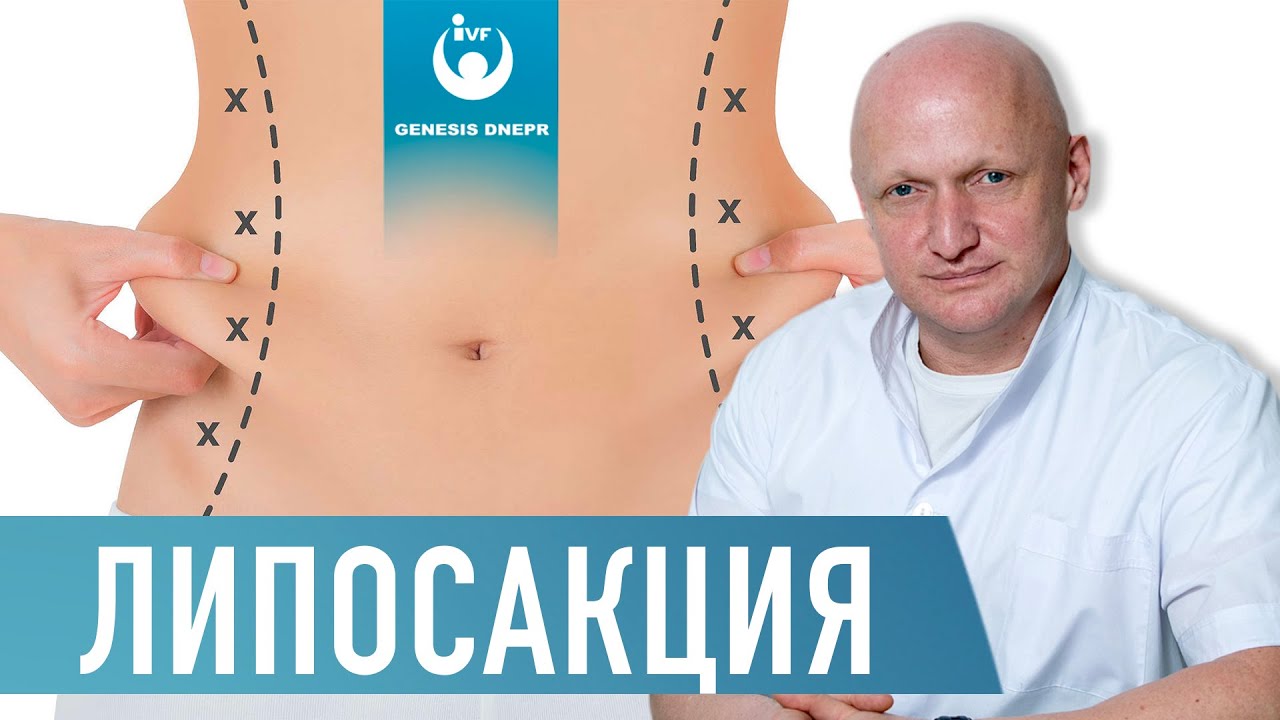
Liposuction is a cosmetic surgical procedure that removes excess fat from specific areas of the body. There are different types of liposuction techniques, including laser liposuction, vibroliposuction, and ultrasound liposuction. Each method uses different technologies to break down and remove fat cells.
Hemorrhoid and anal fissure treatment. Proctology at Genesis Dnepr Clinic. Olga Ryabchinskaya.

Plasmapheresis, or plasma blood purification, is a medical procedure that involves removing plasma from the blood, treating it to remove harmful substances, and then returning the cleaned plasma or a substitute back to the body. This procedure is often used to treat various autoimmune disorders and other conditions. The Genesis Clinic in Dnipro may offer such treatments as part of their medical services.
1. ЗАПИС ПО ТЕЛЕФОНУ:
+38(067) 544-68-282. ЗАПИС НА ОЧНИЙ ПРИЙОМ:
Записатися на очний прийом3. ЗАПИСЬ НА ОНЛАЙН-КОНСУЛЬТАЦИЮ:
Записатися на онлайн-консультацію4. ЗАПИСЬ ЧЕРЕЗ АНКЕТУ:
Анкета слугує для попереднього знайомства лікаря з медичною інформацією про Вас та дає можливість записатися на платну чи безкоштовну консультацію ...
⁉️ What mental and medical conditions can be confused with depression, and how do they differ?
⭕️ Anemia
When the body lacks healthy red blood cells to deliver oxygen to internal organs, you may feel fatigue and weakness, which are also symptoms of depres...
⁉️ What mental and medical conditions can be confused with depression, and how do they differ?
⭕️ Anemia
When the body lacks healthy red blood cells to deliver oxygen to internal organs, you may feel fatigue and weakness, which are also symptoms of depression. However, anemia also has signs not typical for people with depression, such as shortness of breath, feeling cold, dizziness, headaches, and skin problems.
⭕️ Anxiety
Sometimes anxiety is a symptom of depression or can trigger it. A person can also have both depression and anxiety simultaneously. Irritability, sleep problems, and difficulty concentrating are common to both conditions. A doctor can determine the exact diagnosis.
⭕️ Attention Deficit Hyperactivity Disorder (ADHD)
The stress of living with ADHD can trigger situational depression. If you treat this disorder, the symptoms of depression may weaken or disappear.
⭕️ Bipolar Disorder
In bipolar disorder, episodes of depression alternate with periods of elevated mood and unrealistic optimism. During a depressive period, you may feel sadness, hopelessness, and a loss of interest in life, but later experience euphoria, energy, or irritability. These are not symptoms of depression.
⭕️ Chronic Fatigue
Fatigue is a common symptom of depression but is also a primary sign of chronic fatigue syndrome. Chronic fatigue can cause memory, concentration, and sleep problems. A doctor can make an accurate diagnosis.
⭕️ Diabetes
Depression and diabetes can also be similar. The stress that diabetes provokes can cause depression. Weakness and fatigue are symptoms of both conditions. However, if you have intense thirst, blurred vision, numbness in hands or feet, slow healing of sores, frequent urination, it is not depression.
⭕️ Fibromyalgia
This condition involves chronic muscle pain and fatigue. A person with fibromyalgia may also have depression. However, fibromyalgia has specific symptoms, such as increased sensitivity, muscle spasms, deep burning pain, numbness, and tingling in the limbs.
⭕️ Hypercalcemia
Lethargy, poor mood, memory loss, and irritability are common symptoms of depression. They are also signs of high calcium levels in the blood. If you have these symptoms, your doctor may order a blood test to determine the exact diagnosis.
⭕️ Hypothyroidism
Hypothyroidism, a thyroid disease, is often mistakenly diagnosed as depression. When the thyroid gland has reduced function, it can affect your emotions. Some patients with hypothyroidism are mistakenly prescribed antidepressants when they need thyroid treatment.
⭕️ Post-Traumatic Stress Disorder (PTSD)
Emotional difficulties, sleep and concentration problems, irritation, and anger are symptoms of both depression and PTSD. However, PTSD occurs after a traumatic event. If you have memories or nightmares related to a specific event, it may indicate PTSD.
⭕️ Vitamin D Deficiency
Vitamin D helps the body function well. Signs that you are not getting enough vitamin D include weakness, pain, fatigue, and mood changes. These can also be mistaken for depression. Your doctor can order a blood test to understand what is causing these symptoms.
❤️🩹 Be caring and attentive to yourself, take care of your physical and mental health. And remember: only a doctor can establish a diagnosis and prescribe treatment for the fastest recovery.
долгота: 35.0320729


