
Indications for laparoscopy:
- Various forms of infertility (diagnostic laparoscopy is performed)
- Preparation for in vitro fert...
Indications for laparoscopy:
- Various forms of infertility (diagnostic laparoscopy is performed)
- Preparation for in vitro fertilization (IVF)
- Ovarian apoplexy
- Ovarian pathologies (cysts, tumors), fallopian tube pathologies (obstruction)
- Endometriosis
- Improper formation of internal reproductive organs due to childbirth or congenital defects
- Chronic pelvic pain syndrome
- Uterine fibroids
- Prolapse of female reproductive organs
- Ectopic pregnancy
- Uterine neoplasms
- Ovarian tumors.
- Top-tier surgeons with at least 20 years of experience
- In-house clinical diagnostic laboratory
- Organ-preserving treatment approach
- Use of cordyceps, Milan cocktail, and biopellets for treatment efficacy
- Single occupancy comfortable rooms
- Home-style cuisine
- Independent sources of heat, gas, water, and electricity
- Patient safety system with restricted access, 24/7 security, and parking

Banakhevich Roman Mikhailovich
Obstetrician-gynecologist of the highest category, Doctor of Medical Sciences, Professor, Associate Professor of the Department of Obstetrics and Gynecology at DMU, member of the European Society of Endoscopic Surgeons and the European Board of Urogynecology, member of the Ukrainian Association of Plastic Surgeons in Gynecology.
Operative gynecology: urogynecology, gynecological plastic surgery, laparoscopy, hysteroscopy, cesarean section.

Kostenko Vitaliy Grigoryevich
Obstetrician-gynecologist of the highest category.
OBSTETRICS: PREGNANCY CARE, CHILDBIRTH, CESAREAN SECTION GYNECOLOGY: DISEASES OF THE UTERUS AND ENDOMETRIUM, OVARIES, PREGNANCY TERMINATION MENSTRUAL CYCLE DISORDERS CYSTITIS

Pilipets Valentina Andreevna
Obstetrician-gynecologist of the highest category
GENERAL GYNECOLOGY, CERVICAL TREATMENT, ONCOGYNECOLOGY, PEDIATRIC GYNECOLOGY, ULTRASOUND OF THE BREAST AND THYROID GLAND, CLIMACTERIC DISORDERS AND OSTEOPOROSIS ...
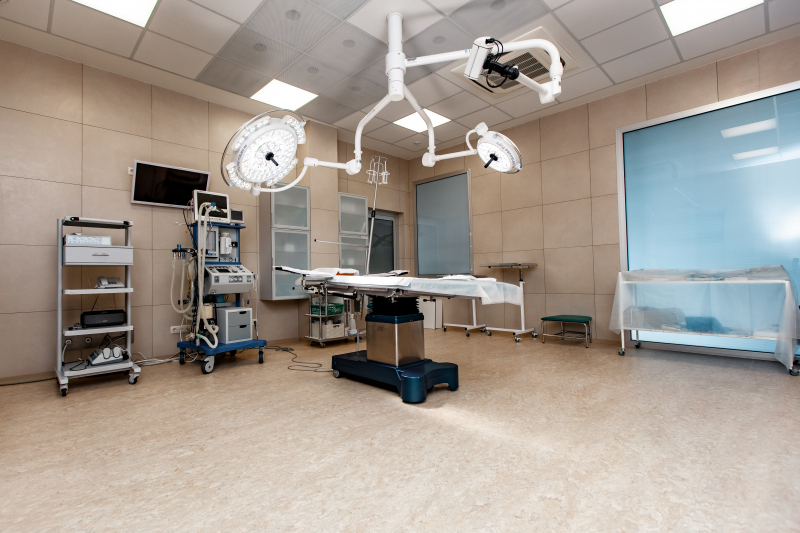
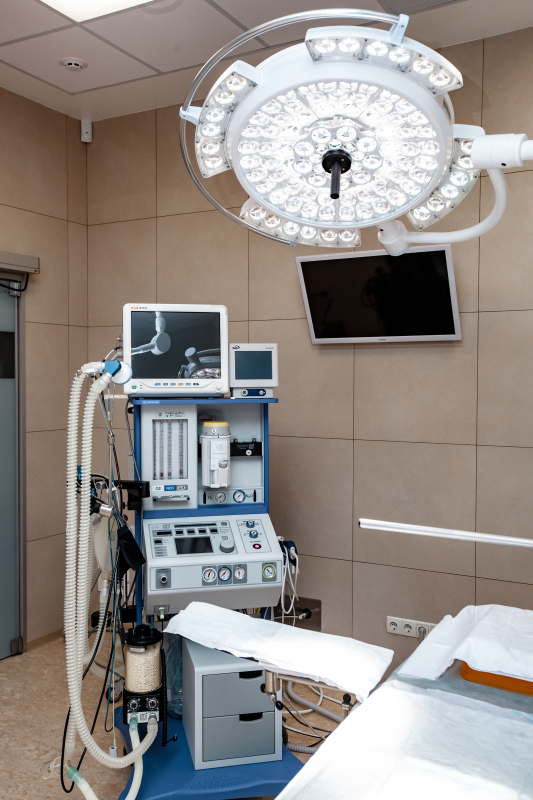
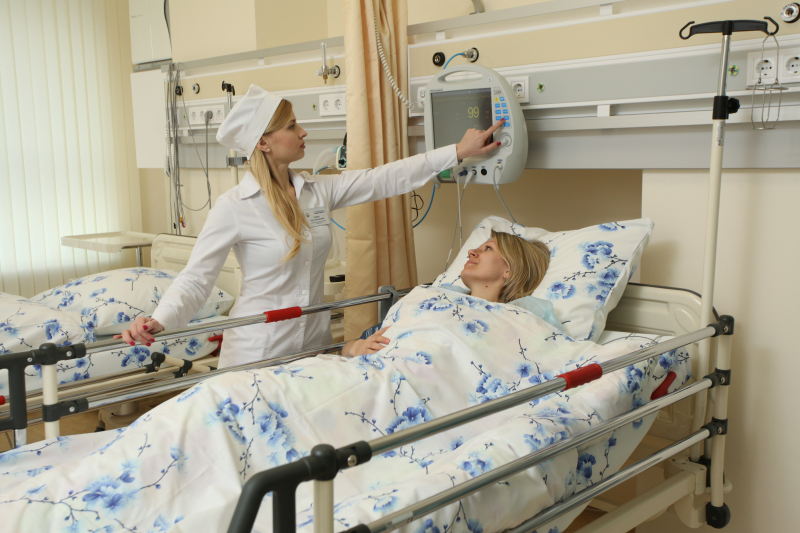
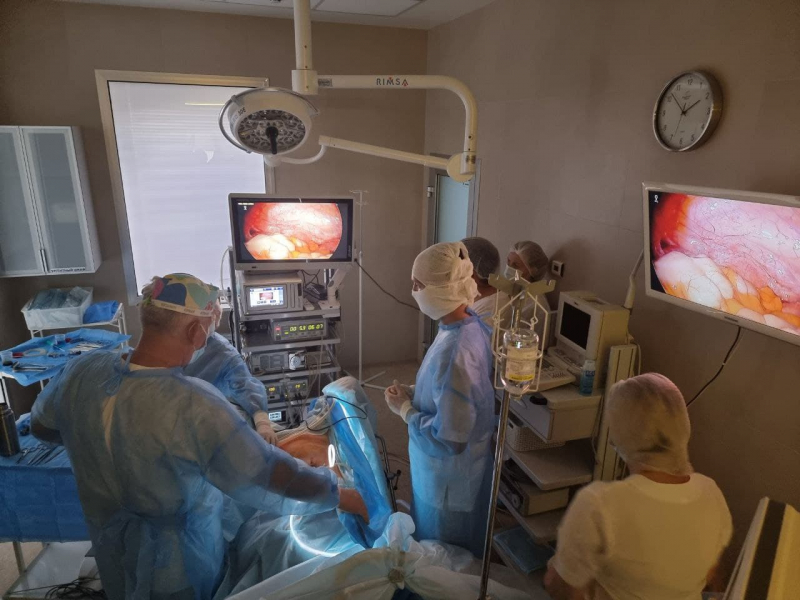

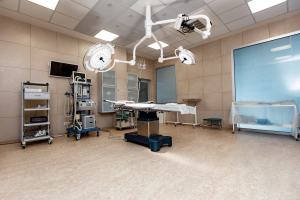
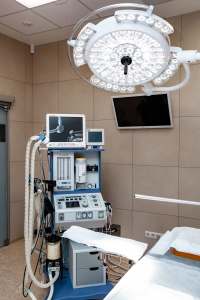

Diagnostic laparoscopy can be used to diagnose and assess various conditions related to menstrual cycle disorders in adolescents. It can help identify the cause of irregular or painful menstruation, determine the presence of polyps or cysts on the ovaries, and assess the overall condition of the reproductive system organs.
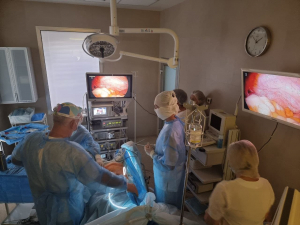
The procedure is usually performed in a hospital or clinic under local or general anesthesia. The laparoscope is inserted through a small incision in the abdominal wall, and then a visual examination of the organs is conducted inside the abdominal cavity using a camera that transmits the image to a monitor.
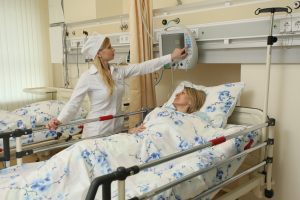
After the procedure, some recovery time may be needed, and the patient may be given recommendations for further treatment or management of menstrual cycle disorders.
Diagnostic laparoscopy can be a useful tool for identifying the causes of menstrual cycle disorders in adolescents, but it is only prescribed in cases where other diagnostic methods do not provide sufficient information or require more precise visualization of the organs.
Therapeutic laparoscopy can be used for various purposes, including the removal of tumors, cysts, or polyps, repair of damaged organs, examination and treatment of endometriosis, or restoration of fallopian tube patency.
The procedure is usually performed under local or general anesthesia. The laparoscope is inserted through a small incision in the abdominal wall, allowing not only visual examination of the organs but also the performance of therapeutic manipulations using special instruments.
After the procedure, some recovery time may be needed, and the patient will be given recommendations for further treatment or postoperative care.
Therapeutic laparoscopy is a more invasive procedure compared to diagnostic laparoscopy and is typically prescribed only in cases where active treatment or surgical intervention within the abdominal cavity is required.
Tour of Genesis Dnepr Clinic | Maternity Ward, Plastic Surgery, Therapy, Detoxification...
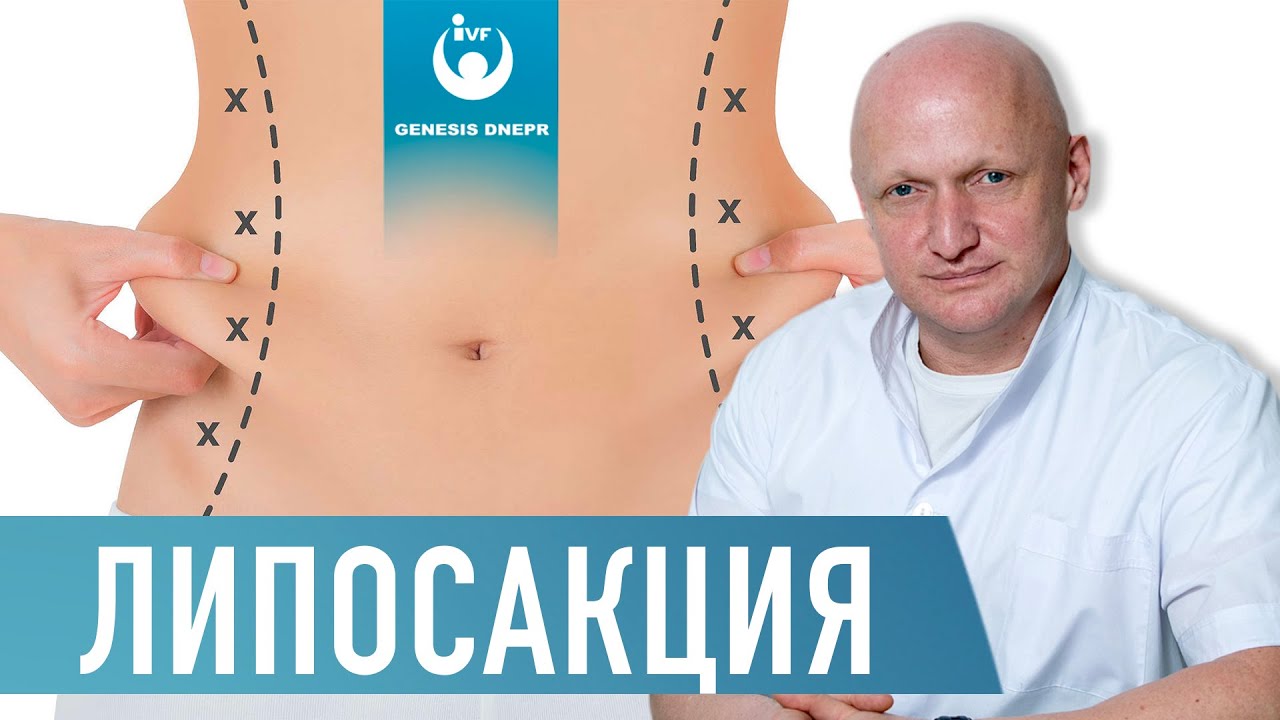
Liposuction is a cosmetic surgical procedure that removes excess fat from specific areas of the body. There are different types of liposuction techniques, including laser liposuction, vibroliposuction, and ultrasonic liposuction. Each method uses different technologies to break down and remove fat cells.
Bioidentical therapy. Treatment with bioidentical hormones - pellets.
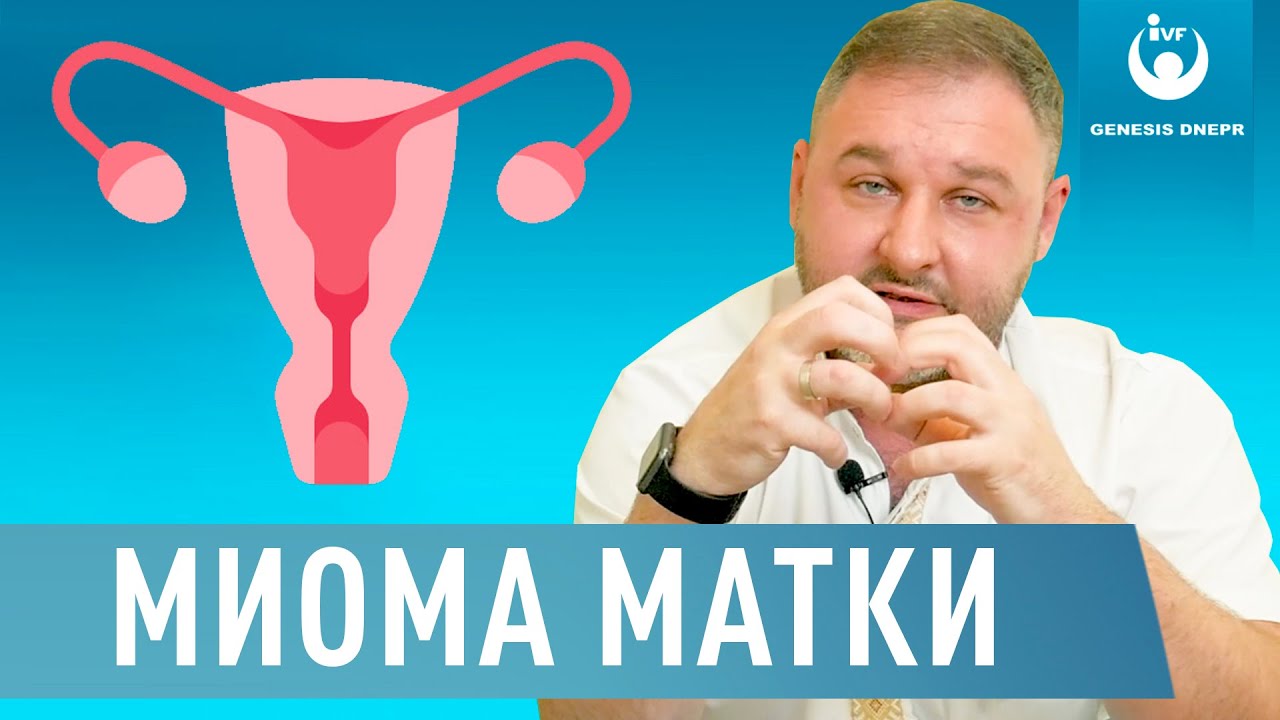
What is a uterine fibroid? Should it be removed or not? By obstetrician-gynecologist V.G. Kostenko.
Urinary incontinence in women. Laser treatment without pain and surgery.
Hemorrhoidal disease. How to treat hemorrhoids. Proctologist Olga Vladimirovna Ryabchinskaya.
Urogynecology: Treatment of Urinary Incontinence. Obstetrician-Gynecologist, Professor Banakhevich R.M.
Lipofilling | Liposculpture of the face, neck, hands, and entire body. Mario Goisis and Igor Perelygin.
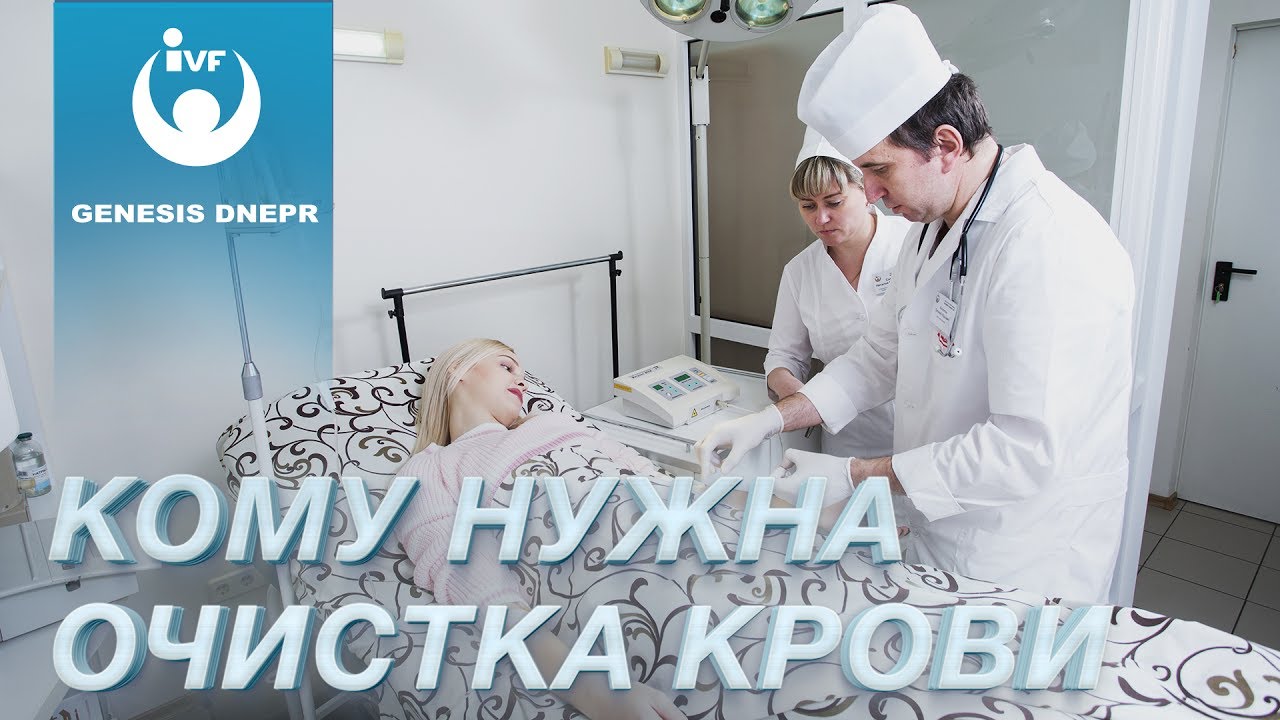
Who is eligible for plasmapheresis (blood purification) from viruses and diseases? Genesis Dnepr Clinic.
1. ЗАПИС ПО ТЕЛЕФОНУ:
+38(067) 544-68-282. ЗАПИСЬ ЧЕРЕЗ АНКЕТУ:
Анкета слугує для попереднього знайомства лікаря з медичною інформацією про Вас та дає можливість записатися на платну чи безкоштовну консультацію ...
+38 0963701324
1. Complete blood count and urinalysis: These allow for the assessment of hemoglobin levels, platelet count, and other indicators that may be important for surgery.
2. Blood biochemistry analysis: This helps evaluate the function of the liver, kidneys, and other organs.
3. Coagulogram: Determines blood clotting speed and can provide important information for surgery.
4. Electrocardiogram (ECG): Assesses heart function and detects...
1. Complete blood count and urinalysis: These allow for the assessment of hemoglobin levels, platelet count, and other indicators that may be important for surgery.
2. Blood biochemistry analysis: This helps evaluate the function of the liver, kidneys, and other organs.
3. Coagulogram: Determines blood clotting speed and can provide important information for surgery.
4. Electrocardiogram (ECG): Assesses heart function and detects possible rhythm disturbances or ischemia.
5. Pelvic ultrasound: Identifies the presence of tumors, ovarian cysts, or other changes that may affect the course of surgery.
6. Anesthesiologist consultation: Necessary to assess anesthetic risk and choose the most appropriate method of anesthesia.
7. Gynecologist consultation: Allows for discussion of all possible risks and benefits of the surgery, as well as obtaining recommendations for preoperative preparation.
A check-up before laparoscopic surgery helps reduce the risk of complications and increases the safety of the procedure. Therefore, it is recommended to undergo all necessary tests and consultations before the surgery.
долгота: 35.0320729


