
- Uterine leiomyoma. Laparoscopic removal of fibroid nodules or the uterus – either partially (supracervical hysterectomy) or completely (hysterectomy) if the organ cannot be preserved.
- Endometriosis. Laparoscopy is recommended for severe pain syndrome, endometriotic ovarian cysts, endometriosis of the pelvic peritoneum, retrocervical space, and adenomyosis.
- Infertility. Diagnostic laparoscopy to check the patency of the fallop...
- Uterine leiomyoma. Laparoscopic removal of fibroid nodules or the uterus – either partially (supracervical hysterectomy) or completely (hysterectomy) if the organ cannot be preserved.
- Endometriosis. Laparoscopy is recommended for severe pain syndrome, endometriotic ovarian cysts, endometriosis of the pelvic peritoneum, retrocervical space, and adenomyosis.
- Infertility. Diagnostic laparoscopy to check the patency of the fallopian tubes and, if necessary, perform laparoscopic surgery to remove adhesions and restore tubal patency; laparoscopic ovarian drilling for polycystic ovary syndrome.
- Cysts and tumors of the uterine appendages: serous, mucinous, dermoid, paratubal/parovarian cysts, ovarian and fallopian tube fibroma.
- Inflammation of the appendages: laparoscopy for diagnosis or surgery to remove pus, cut adhesions in the fallopian tubes.
- Ectopic pregnancy, ovarian apoplexy, and other conditions associated with intra-abdominal bleeding or a high risk of its occurrence. In these cases, urgent laparoscopy is required.
- Female sterilization. Laparoscopic procedures for partial (application of rings on the fallopian tubes) or complete, irreversible (tubal ligation) sterilization.
- Developmental anomalies of the reproductive organs (vaginal aplasia, hymen atresia).
- Varicocele.
- Gallstone disease, indications for gallbladder removal.
- Hernia (inguinal, umbilical).
- Pathologies of the large or small intestine (tumors, endometriosis, diverticular disease, complicated colitis).
- Appendicitis.
- Top-tier surgeons with at least 20 years of experience;
- In-house clinical diagnostic laboratory;
- Organ-preserving treatment approach;
- Comfortable single occupancy rooms;
- Home-style cuisine;
- Independent sources of heat, gas, water, and electricity;
- Patient safety system with restricted access, 24-hour security, and parking.

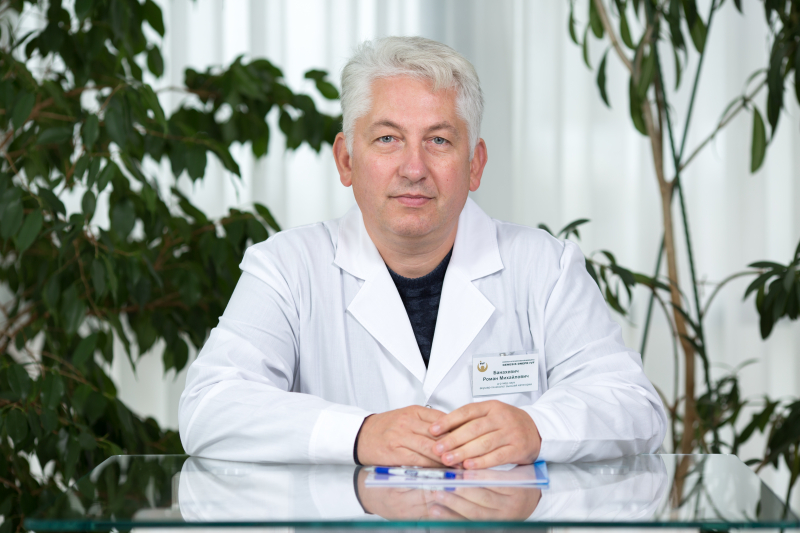
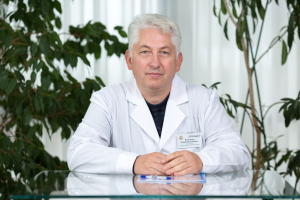
Banakhevich Roman Mikhailovich
Obstetrician-gynecologist of the highest category, Doctor of Medical Sciences, Professor, Associate Professor of the Department of Obstetrics and Gynecology at DMU, member of the European Society of Endoscopic Surgeons and the European Board of Urogynecology, member of the Ukrainian Association of Plastic Surgeons in Gynecology.
Operative gynecology: urogynecology, gynecological plastic surgery, laparoscopy, hysteroscopy, cesarean section.

Glushchenko Sergey Nikolaevich
Urologist-surgeon, andrologist, oncologist, first-category doctor. 20 years of experience.
Treatment: prostate adenoma (TURP), urolithiasis, urethral stricture, prostate cancer, erectile dysfunction, kidney cysts, nephroptosis, bladder and kidney tumors, varicocele, hydrocele...

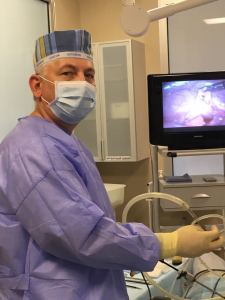
Lysunets Pavel Borisovich
Surgeon of the highest category. European Association for Endoscopic Surgery (EAES)
General surgery. Laparoscopic, endoscopic, and traditional procedures on soft tissues, abdominal organs, and more. Removal of the appendix, hernias of various locations, rectal polyps...
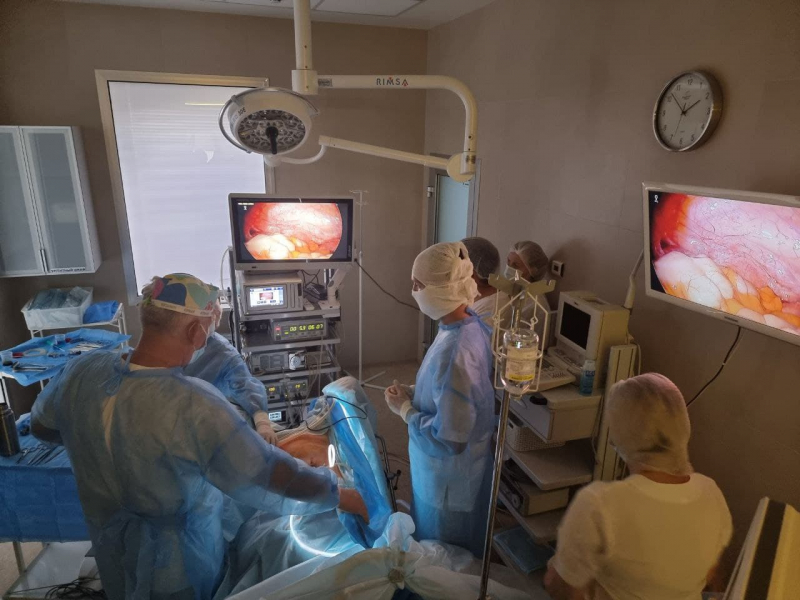
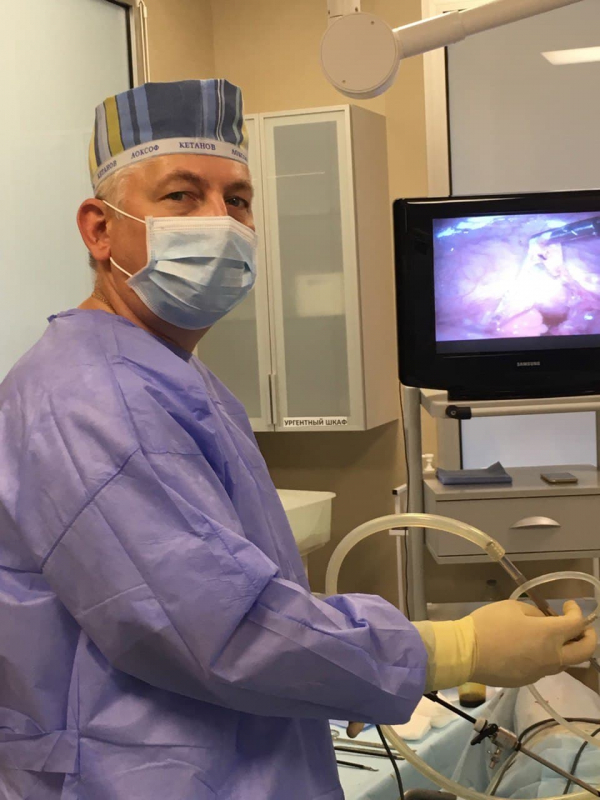


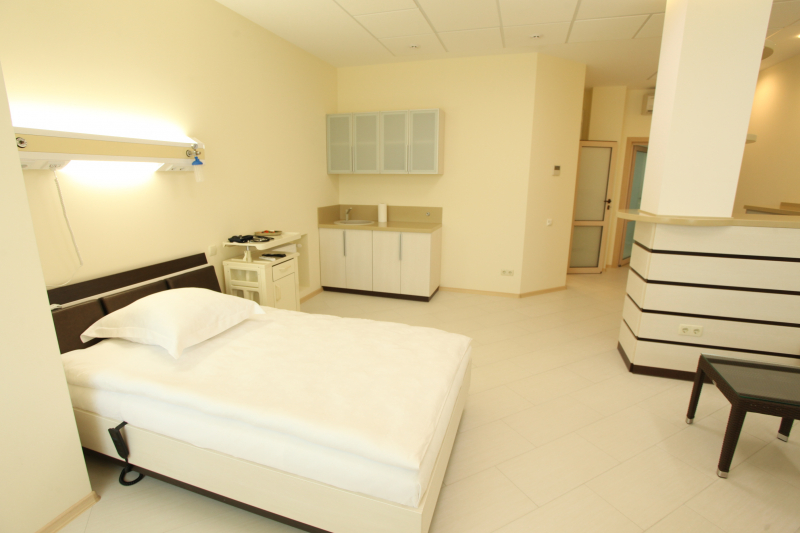
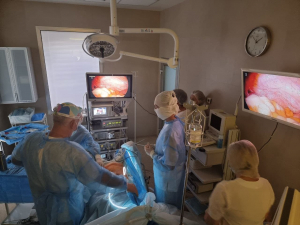




Tour of Genesis Dnepr Clinic | Maternity Ward, Plastic Surgery, Therapy, Detoxification...
Diagnostic laparoscopy can be used to detect and diagnose various diseases of the abdominal organs, including the spleen. The procedure may be recommended if the following symptoms are present:
- Abdominal pain
- Unexplained changes in the function of abdominal organs
- Suspicion of cysts or tumors in the spleen
- Suspicion of inflammatory processes in the spleen
Before the procedure, the patient may be required to undergo a series of examinations, including blood tests and an abdominal X-ray. Bowel preparation with an enema or special medications may also be necessary.
The procedure itself is performed under general anesthesia or local anesthesia and usually takes about 30 minutes. The doctor makes a small incision in the abdominal wall through which the laparoscope is inserted. The doctor then examines the abdominal organs and may take a biopsy (tissue sample) for further study.
After the procedure, the patient may be prescribed anti-inflammatory or pain-relieving medications to reduce pain and discomfort. Observation in the hospital for several hours or days may also be required.
Diagnostic laparoscopy is generally considered a safe procedure, but like any other surgical operation, it may carry the risk of complications such as bleeding, infection, or damage to the abdominal organs.
After the procedure, it is important to follow all the doctor's recommendations for wound care and take medications if prescribed. It is also necessary to seek medical help if any complications or unusual symptoms occur.
Diagnostic laparoscopy is an effective method for diagnosing diseases of the spleen and other abdominal organs, allowing doctors to obtain accurate data for diagnosis and appropriate treatment.
The procedure is performed under general anesthesia and usually takes about 30 minutes. The doctor makes small incisions in the abdominal wall and inserts a laparoscope to examine the pelvic organs. If any abnormalities are detected during the procedure, they can be corrected using additional instruments inserted through other incisions.
After the procedure, the patient may be prescribed anti-inflammatory or pain-relieving medications to reduce pain and discomfort. Hospital observation may also be required for a few hours or days.
Laparoscopy for infertility issues can help identify and address the cause of infertility, potentially increasing the chances of a successful pregnancy. However, like any surgical procedure, it carries the risk of complications such as bleeding, infection, or damage to pelvic organs.
After the procedure, it is important to follow all the doctor's recommendations for wound care and take any prescribed medications. It is also necessary to seek medical attention if any complications or unusual symptoms arise.
Laparoscopy is a useful tool for diagnosing and treating infertility issues, and its use should be discussed with a doctor if there are suspicions of abnormalities in the pelvic organs.
The procedure is performed under general anesthesia and involves inserting a thin tube with a camera into the abdominal cavity through small incisions in the abdominal wall. This allows the doctor to visually assess the pelvic organs and identify any abnormalities.
Laparoscopy can be used to remove cysts, polyps, fibroids, and other abnormalities that may cause painful or unusual symptoms. It can also be used for diagnosing and treating endometriosis, a condition where tissue similar to the lining of the uterus grows outside of it.
After the procedure, the patient may be prescribed anti-inflammatory or pain-relieving medications to reduce pain and discomfort. Hospital observation may be required for several hours or days.
Laparoscopy in gynecology is a relatively safe procedure, but like any other surgical procedure, it may carry risks of complications such as bleeding, infection, or damage to pelvic organs.
After the procedure, it is important to follow all the doctor's recommendations for wound care and take any prescribed medications. It is also necessary to seek medical attention if any complications or unusual symptoms occur.
Laparoscopy is a valuable tool for diagnosing and treating various conditions of the female reproductive system. It allows for accurate diagnosis and effective treatment, which can help patients achieve pregnancy or relieve painful symptoms. However, it is important to discuss the indications and potential risks with a doctor before undergoing the procedure.
The procedure is conducted under general anesthesia and involves the insertion of a thin tube with a camera into the abdominal cavity through small incisions in the abdominal wall. This allows the doctor to visually assess the pelvic organs and identify any abnormalities.
Laparoscopy can be used to remove stones from the kidneys or bladder, as well as to treat various genitourinary diseases such as prostatitis, kidney or bladder cancer, varicocele, and others.
After the procedure, the patient may be prescribed anti-inflammatory or pain-relieving medications to reduce pain and discomfort. Hospital observation may also be required for several hours or days.
Laparoscopy in urology can also carry the risk of complications such as bleeding, infection, or damage to pelvic organs. Therefore, it is important to discuss all possible risks and indications for the procedure with a doctor beforehand.
After the procedure, it is important to follow all the doctor's recommendations for wound care and take any prescribed medications. It is also necessary to seek medical help if any complications or unusual symptoms occur.
Laparoscopy is an effective method for diagnosing and treating various diseases of the genitourinary system. It allows for accurate diagnosis and effective treatment, which can help patients alleviate painful symptoms and restore health. However, it is essential to discuss the indications and potential risks with a doctor before undergoing the procedure.
The procedure is conducted under general anesthesia and involves inserting a thin tube with a camera into the abdominal cavity through small incisions in the abdominal wall. This allows the doctor to visually assess the abdominal organs and identify any abnormalities.
Laparoscopy can be used to remove tumors, cysts, and other formations, as well as to treat various conditions such as appendicitis, hernias, gallstones, and others.
After the procedure, the patient may be prescribed anti-inflammatory or pain-relieving medications to reduce pain and discomfort. Hospital observation may also be required for several hours or days.
Abdominal laparoscopy can also carry the risk of complications, such as bleeding, infection, or damage to the abdominal organs. Therefore, it is important to discuss all possible risks and indications for the procedure with a doctor beforehand.
After the procedure, it is important to follow all the doctor's recommendations for wound care and take any prescribed medications. It is also necessary to seek medical help if any complications or unusual symptoms occur.
Abdominal laparoscopy is a safe and effective procedure that allows for accurate diagnosis and effective treatment of various conditions. However, it is essential to discuss its indications and potential risks with a doctor before undergoing the procedure.
The procedure is performed under general anesthesia and involves making several small incisions in the abdominal wall, through which instruments and a laparoscope are inserted. Using the laparoscope, the surgeon reduces the size of the stomach by creating a small pouch that fills up more quickly and induces a feeling of fullness. Additionally, the digestive tract may be rerouted so that food bypasses part of the stomach and small intestine, leading to reduced nutrient absorption.
Laparoscopic treatment of obesity can offer several advantages over open surgery, such as faster recovery, less pain, and a lower risk of complications.
However, like any surgical procedure, it may be associated with certain risks, including bleeding, infection, and organ damage. Therefore, it is important to discuss all potential risks and indications for the procedure with a doctor before undergoing it.
After laparoscopic treatment of obesity, patients may be prescribed special diets and exercises to maintain weight loss and achieve the best results. Regular follow-up with a doctor may also be necessary to monitor weight and health status.
Laparoscopic treatment of obesity can be an effective method for achieving sustainable weight loss in patients with obesity. However, it is essential to discuss its indications and potential risks with a doctor before the procedure. Following the procedure, it is important to adhere to all medical recommendations and maintain a healthy lifestyle to achieve the best outcomes.
Urinary incontinence in women. Laser treatment without pain and surgery.

Bioidentical therapy, pellets, bioidentical hormones. Interview with Dr. Igor Perelygin.
Is the human papillomavirus (HPV) dangerous? Papilloma in women and cervical cancer. Gynecologist V.G. Kostenko.
Itching in the Anus: Real Causes, Treatment, and Prevention. Proctologist O.V. Ryabchinskaya.
Who is eligible for plasmapheresis (blood purification) from viruses and diseases? Genesis Dnepr Clinic.

Treatment of Diabetes. Interview with an Endocrinologist.
Laser plastic surgery - quick recovery after the procedure. | Surgeon Shevtsov A.N.

Effective treatment of cystitis in women. Treatment of chronic and acute cystitis. Causes of cystitis.
1. ЗАПИСЬ ПО ТЕЛЕФОНУ:
+38(067) 544-68-282. ЗАПИСЬ ЧЕРЕЗ АНКЕТУ:
Анкета служит для предварительного знакомства врача с медицинской информацией о Вас и дает возможность записаться на платную или бесплатную консультацию ...
The examination may include various procedures and tests, such as blood and urine tests, electrocardiogram, X-rays, ultrasound, a...
The examination may include various procedures and tests, such as blood and urine tests, electrocardiogram, X-rays, ultrasound, and others. These methods help identify any deviations from the norm and provide doctors with comprehensive information about the patient's condition.
Additionally, the examination allows for the identification of individual patient characteristics that may require a special approach or additional precautions during the surgery.
Overall, a medical examination before surgery is an important step in preparing for the operation, helping to minimize risks and ensure the patient's safety.
долгота: 35.0320729


