
This method of assisted reproductive technology is the simplest, requires minimal preparation, and is the most natural.
Intrauterine insemination is used when there are no significant obstacles to pregnancy: the fallopian tubes are in good condition, the uterine endometrium i...
This method of assisted reproductive technology is the simplest, requires minimal preparation, and is the most natural.
Intrauterine insemination is used when there are no significant obstacles to pregnancy: the fallopian tubes are in good condition, the uterine endometrium is ready for embryo implantation, and the sperm analysis is within normal limits.
When IUI is used:
The main indication for intrauterine insemination is cervical infertility. In this case, sperm either cannot pass through the cervix into the uterine cavity or lose their ability to fertilize the egg while passing through the cervical canal. There are other indications as well.
IUI for Female Infertility:
- Cervical factor;
- Increased acidity of the vaginal environment;
- Irregular menstrual cycle and some other endocrine factors.
IUI is also used by healthy women who do not have a partner but wish to have a child.
IUI for Male Infertility:
- Low sperm quality — sperm is prepared for IUI, which enhances its fertilization capability;
- Antisperm antibodies in the ejaculate (immunological factor of infertility);
- Inability to perform sexual intercourse for various reasons;
- High risk of passing on hereditary pathology — in this case, donor sperm is used for IUI.
- UTILIZATION OF ALL EXISTING METHODS FOR TREATING MALE AND FEMALE INFERTILITY
- OWN CLINICAL-DIAGNOSTIC ROBOTIC LABORATORY
- USE OF ONLY ORIGINAL MEDICAL DRUGS
- THE CLINIC IS DESIGNED FOR SMALL PATIENT FLOWS, ALLOWING FOR THE CREATION OF EXCLUSIVE CONDITIONS FOR EACH PATIENT
- USE OF CORDYCEPS, MILAN COCKTAIL, AND BIOPELLETS FOR TREATMENT EFFECTIVENESS

Argat Taras Grigorievich
Obstetrician-gynecologist of the 1st category, reproductive specialist. Head of the ART department. Member of the European Society of Human Reproduction and Embryology (ESHRE).
Assisted reproductive technologies, female infertility, general gynecology.

Kostenko Vitaliy Grigoryevich
Obstetrician-gynecologist of the highest category.
OBSTETRICS: PREGNANCY CARE, CHILDBIRTH, CESAREAN SECTION GYNECOLOGY: DISEASES OF THE UTERUS AND ENDOMETRIUM, OVARIES, PREGNANCY TERMINATION MENSTRUAL CYCLE DISORDERS CYSTITIS

Fedoruk Natalya Sergeevna
Obstetrician-gynecologist.
OBSTETRICS AND GYNECOLOGY, PREGNANCY CARE, CHILDBIRTH, INTIMATE REJUVENATION, AESTHETIC GYNECOLOGY AND PRP THERAPY, INFERTILITY TREATMENT...
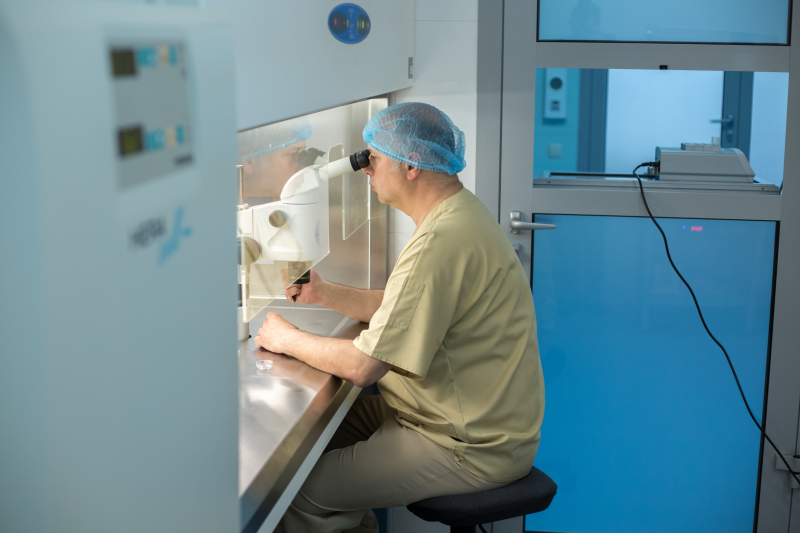



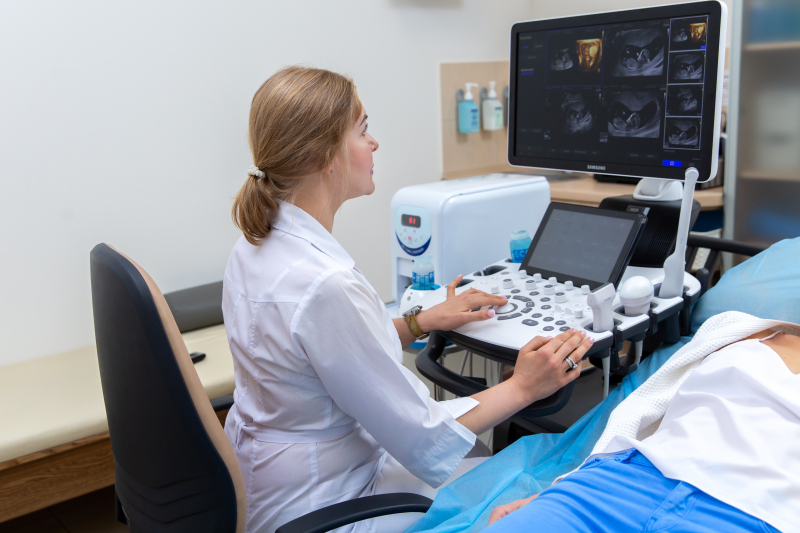



Certain preparatory procedures may be required before performing IUI, such as ovulation stimulation with medication or cycle monitoring to determine the optimal timing for the procedure.
The IUI procedure itself usually does not require hospitalization and is performed in a doctor's office. After the sperm is inserted, the woman can return to her regular activities.
The effectiveness of IUI can vary depending on the specific situation and factors such as the woman's age, the condition of the reproductive system, and others.
The IUI-D procedure is similar to regular IUI, but instead of the husband's sperm, donor sperm is used. Donor sperm can be obtained from a sperm bank or through a personal donation. Before using donor sperm, it undergoes special tests for infections and genetic diseases.
As with regular IUI, preparatory procedures such as ovulation stimulation or cycle monitoring may be required before performing IUI-D.
The effectiveness of IUI-D can also vary depending on the specific situation and factors.
1. ЗАПИС ПО ТЕЛЕФОНУ:
+38(067) 544-68-282. ЗАПИСЬ ЧЕРЕЗ АНКЕТУ:
Анкета слугує для попереднього знайомства лікаря з медичною інформацією про Вас та дає можливість записатися на платну чи безкоштовну консультацію ...
долгота: 35.0320729


