
IGOR VENIAMINOVICH PERELYGIN,
an obstetrician-gynecologist, andrologist of the highest category, Doctor of Medicine, founder of the "GENESIS DNIPRO" clinic in Dnipro (Ukraine)
25 years of practice in the field of infertility treatment and in vitro fertilization...
ONLINE CONSULTATIONS ON MALE AND FEMALE INFERTILITY AND IN VITRO FERTILIZATION


(shielded from all types of electromagnetic radiation) under the guidance and supervision of Israel's leading embryologist and bestselling author in reproductive medicine, ELIEZER HIRSCH
ALL TYPES OF LAPAROSCOPY AND HYSTEROSCOPY IN GYNECOLOGY AND REPRODUCTIVE MEDICINE
using digital equipment from "STRYKER" (USA)
ALL TYPES OF LAPAROTOMIC INTERVENTIONS:
conservative myomectomy, removal of tumors and true ovarian cysts, correction of uterine developmental a...
(shielded from all types of electromagnetic radiation) under the guidance and supervision of Israel's leading embryologist and bestselling author in reproductive medicine, ELIEZER HIRSCH
ALL TYPES OF LAPAROSCOPY AND HYSTEROSCOPY IN GYNECOLOGY AND REPRODUCTIVE MEDICINE
using digital equipment from "STRYKER" (USA)
ALL TYPES OF LAPAROTOMIC INTERVENTIONS:
conservative myomectomy, removal of tumors and true ovarian cysts, correction of uterine developmental anomalies
ALL IN A MODERN OPERATING ROOM
with anesthesia equipment from "DRAGER" (Germany).
SINGLE ROOMS WITH ENHANCED COMFORT

Obstetrician-gynecologist of the highest category, Ph.D., andrologist, therapist, specialist in bioidentical therapy. Founder and head of the "GENESIS DNIPRO" clinic. Member of the Ukrainian and European Society of Reproduction and Embryology (ESHRE). IMPLEMENTATION OF THE PRINCIPLE: "FROM CONCEPTION TO BIRTH"
REPRODUCTIVE MEDICINE. ANDROLOGY. THERAPY. GENERAL AND ENDOCRINE GYNECOLOGY. CLIMACTERIC DISORDERS. BLADDER DISEASES. WEIGHT LOSS. OZEMPIC
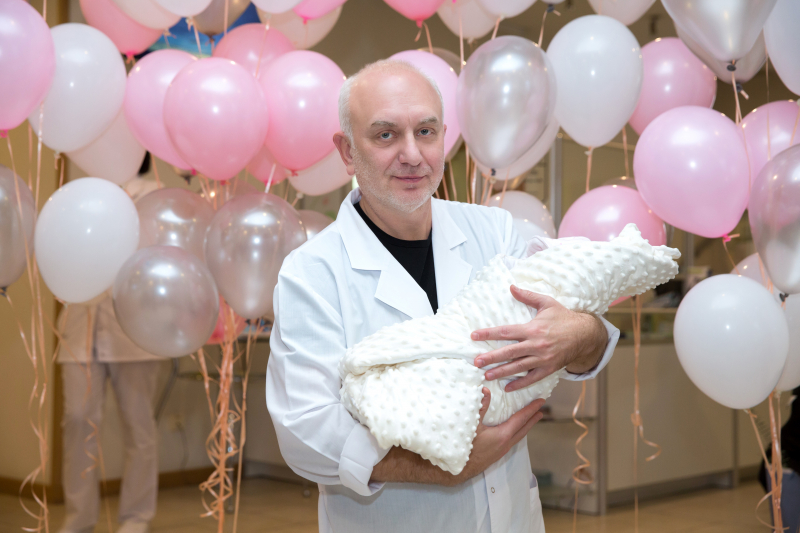

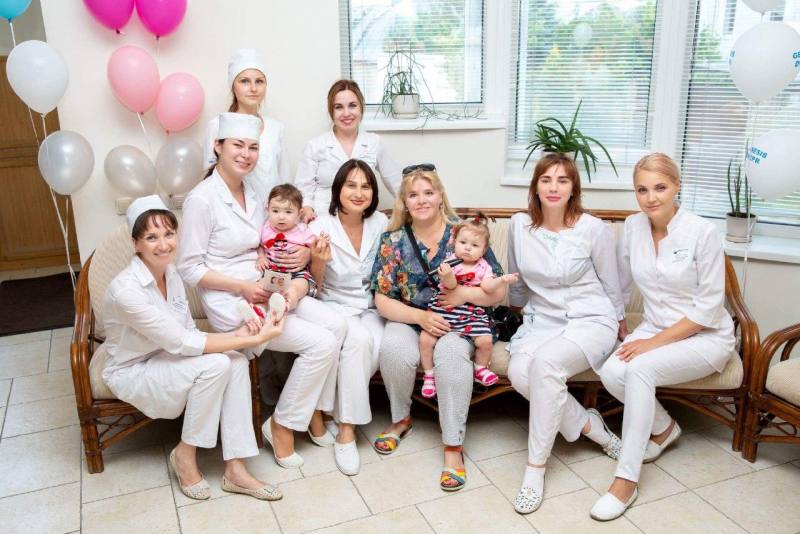



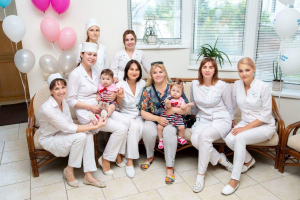
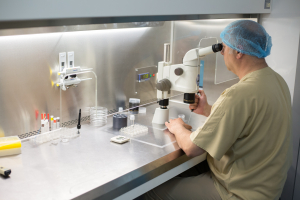

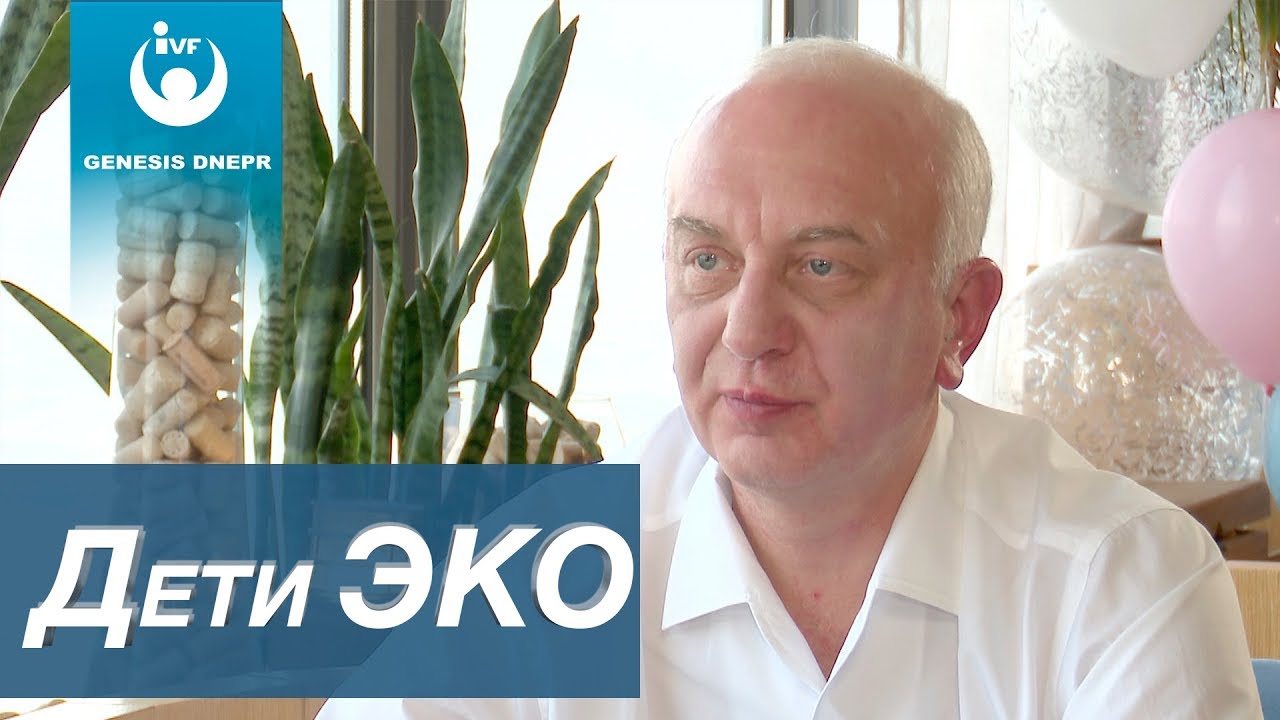
About IVF children, the infertility treatment clinic, and the private maternity hospital "Genesis Dnipro"
The IVF process begins with preparing the woman for the procedure. She undergoes a series of examinations, including ultrasound, blood tests, and hormone analysis, to determine the optimal time for the procedure. Then, the woman receives hormonal stimulation to induce the maturation of multiple eggs simultaneously.
After this, a procedure called aspiration is performed, where mature eggs are extracted from the ovaries using a thin needle. These eggs are then mixed with the partner's or donor's sperm in a special medium in the laboratory. If fertilization is successful, embryos are formed.
The next step is the transfer of embryos into the woman's uterus. Usually, several embryos are transferred to increase the chances of pregnancy. The transfer procedure is typically painless and is performed using a special catheter.
After the transfer, the woman should rest and avoid physical exertion for several days. A blood test for pregnancy is conducted 10-14 days after the procedure.
IVF has several advantages over other infertility treatment methods. Firstly, it is an effective method that can help a couple achieve pregnancy when other methods do not yield results. Secondly, IVF allows for the control of the number of embryos transferred, reducing the risk of multiple pregnancies. Thirdly, IVF allows the use of donor sperm or eggs, which can be beneficial for couples with genetic issues or same-sex couples.
However, IVF also has some limitations and risks, such as ovarian hyperstimulation or miscarriage. Additionally, achieving pregnancy is not always guaranteed, and several attempts may be required.
IVF is an effective infertility treatment method that helps many couples fulfill their dream of having a child. However, the decision to undergo the procedure should be made together with a doctor, taking into account all individual characteristics and risks.
The process begins with selecting suitable donor eggs and sperm. Donors typically undergo medical examinations and testing to ensure their physical and genetic health. Then, the surrogate mother and the intended parents must agree to the use of these donor reproductive cells.
Next is the IVF process, where the donor eggs are fertilized with sperm and then transferred to the surrogate mother's uterus. If the pregnancy is successful, the surrogate mother will carry and give birth to a child from the donor reproductive cells.
It is important to note that each case of surrogacy using donor reproductive cells is unique and requires an individual approach and legal support. Consultation with experienced professionals in this field is necessary to ensure the safety and protection of all parties involved, including the surrogate mother, the donor, and the intended parents.
The surrogate mother undergoes medical examinations and preparation procedures for pregnancy. In the case of natural conception, the intended parent's or donor's sperm is introduced into the surrogate mother's body, leading to natural conception. In the case of embryo transfer, embryos obtained from the intended mother's or donor's eggs are transferred to the surrogate mother's uterus.
Throughout the pregnancy, the surrogate mother receives medical monitoring and support. She must follow all medical recommendations and take care of her health to ensure the safety and well-being of the child.
After the child is born, the intended parents establish their legal parental rights in accordance with the laws of their country. In some cases, a court order or approval of the surrogacy agreement may be required.
Surrogacy raises many ethical, legal, and moral questions, and the rules and laws governing this process vary across different countries. Some countries completely prohibit surrogacy, others allow it only in certain cases, and some have more liberal laws in this area.
Surrogacy can be a valuable way for couples or women who cannot have children on their own to fulfill their dream of having a family. However, it also raises complex questions about the rights and protection of the interests of all parties involved, including the surrogate mother and the child.
404 not found
For cryopreservation of embryos, sperm, or eggs, they are first prepared and treated with special solutions to protect them from damage during freezing and thawing. They are then placed in special containers, which are subsequently immersed in liquid nitrogen, where they can be stored at very low temperatures (usually around -196 degrees Celsius).
Cryopreservation allows reproductive cells and embryos to be preserved for a long time, providing the opportunity to use them in the future. This is particularly useful for couples planning to undergo IVF or other family planning methods in the future but are not ready for it now.
Cryopreservation does not guarantee 100% survival and successful thawing of reproductive cells or embryos. There is some risk of damage to the cells or embryos during the freezing and thawing process. Additionally, there are ethical and legal issues related to the storage and use of cryopreserved reproductive cells and embryos that need to be considered and discussed with medical and legal professionals.
1. Confirmation of Diagnosis. Obtaining a second opinion from another specialist can help confirm or refute the initial diagnosis. This is especially important in cases where the diagnosis is serious or requires complex treatment.
2. Expanding Information. Every doctor has their own experience and knowledge, and getting a second opinion can provide the patient with more information about their condition and possible treatment options.
3. Verification of Recommendations. In some cases, the initial doctor may suggest a treatment that might be questionable or cause doubts for the patient. Obtaining a second opinion can help verify these recommendations and make a more informed decision.
4. Improving Treatment Quality. A second opinion may offer new or more effective treatment methods that the initial doctor did not consider.
5. Confidence in the Decision. Obtaining a second opinion can help the patient feel more confident in their decision and increase their confidence in the chosen treatment.
It is important to note that obtaining a second opinion does not mean that the initial diagnosis was incorrect. It is simply additional information that can help the patient make an informed decision about their health.
Additionally, a second opinion can also be useful for patients who doubt the competence or reliability of the initial doctor, as well as for those who want to gain additional information about their illness or treatment methods.
It is important to remember that obtaining a second opinion should not replace trust in the initial doctor and their recommendations. It should be considered as an additional tool for making an informed health decision.
Obtaining a second opinion is important and beneficial for patients, especially in cases of serious illnesses or complex diagnoses. It helps to expand information about the illness and possible treatment methods, and can also confirm or refute the initial diagnosis. However, before deciding to obtain a second opinion, it is necessary to carefully choose qualified and reliable doctors.
Key advantages of online consultations:
1. Convenience and accessibility. Online consultations allow you to receive expert help at any time and from any location without leaving your home or office.
2. Confidentiality. All online consultations are conducted in a secure mode, ensuring complete confidentiality of the discussed issues.
3. Time and cost savings. Online consultations save time and money on travel to the doctor and help avoid waiting in line.
4. Wide choice of specialists. Online consultations provide the opportunity to consult with specialists from various fields of medicine, allowing you to choose the most suitable one for your specific problem.
5. Real-time support and advice. Online consultations allow you to get answers to questions in real-time, enabling quick resolution of issues and obtaining necessary assistance.
Online consultations for infertility and IVF are conducted using modern technologies such as video conferencing, chats, and email. Specialists from the Genesis-Dnipro clinic conduct detailed examinations and analyze the provided data, after which they give recommendations and prescribe necessary procedures and treatments.
Online consultations are suitable for patients who cannot visit a medical facility due to distance or other reasons, as well as for those who want to receive additional consultation or a second opinion from another specialist.
It is important to remember that online consultations cannot replace a full visit to a doctor and necessary examinations. They can be used as an additional tool for obtaining information and advice, but the final decision on diagnosis and treatment should be made by the attending physician.
Online consultations for infertility and IVF are a convenient and effective way to receive help and support from qualified specialists at the Genesis-Dnipro clinic.
1. ЗАПИСЬ ПО ТЕЛЕФОНУ:
+38(067) 544-68-282. ЗАПИСЬ НА ОЧНЫЙ ПРИЕМ:
Записаться на очный прием3. ЗАПИСЬ НА ОНЛАЙН-КОНСУЛЬТАЦИЮ:
Записаться на онлайн-консультацию4. ЗАПИСЬ ЧЕРЕЗ АНКЕТУ:
Анкета служит для предварительного знакомства врача с медицинской информацией о Вас и дает возможность записаться на платную или бесплатную консультацию ...
долгота: 35.0320729


