
Indications for hysteroscopy includ...
Indications for hysteroscopy include:
- Submucosal fibroid nodules
- Polyps
- Presence of an intrauterine septum
- Presence of intrauterine adhesions
- Uterine developmental anomalies
- Uterine bleeding
- Infertility, spontaneous miscarriage
- Presence of foreign bodies in the uterine cavity
- Tumor processes.
- Top-tier surgeons with at least 20 years of experience;
- In-house clinical diagnostic laboratory;
- Organ-preserving treatment approach;
- Use of cordyceps, Milan cocktail, and biopellets for treatment efficacy;
- Daytime and 24-hour inpatient care;
- Independent sources of heat, gas, water, and electricity;
- Patient safety system with restricted access, 24-hour security, and parking.

Banakhevich Roman Mikhailovich
Obstetrician-gynecologist of the highest category, Doctor of Medical Sciences, Professor, Associate Professor of the Department of Obstetrics and Gynecology at DMU, member of the European Society of Endoscopic Surgeons and the European Board of Urogynecology, member of the Ukrainian Association of Plastic Surgeons in Gynecology.
Operative gynecology: urogynecology, gynecological plastic surgery, laparoscopy, hysteroscopy, cesarean section.

Kostenko Vitaliy Grigoryevich
Obstetrician-gynecologist of the highest category.
OBSTETRICS: PREGNANCY CARE, CHILDBIRTH, CESAREAN SECTION GYNECOLOGY: DISEASES OF THE UTERUS AND ENDOMETRIUM, OVARIES, PREGNANCY TERMINATION MENSTRUAL CYCLE DISORDERS CYSTITIS

Pilipets Valentina Andreevna
Obstetrician-gynecologist of the highest category
GENERAL GYNECOLOGY, CERVICAL TREATMENT, ONCOGYNECOLOGY, PEDIATRIC GYNECOLOGY, ULTRASOUND OF THE BREAST AND THYROID GLAND, CLIMACTERIC DISORDERS AND OSTEOPOROSIS ...
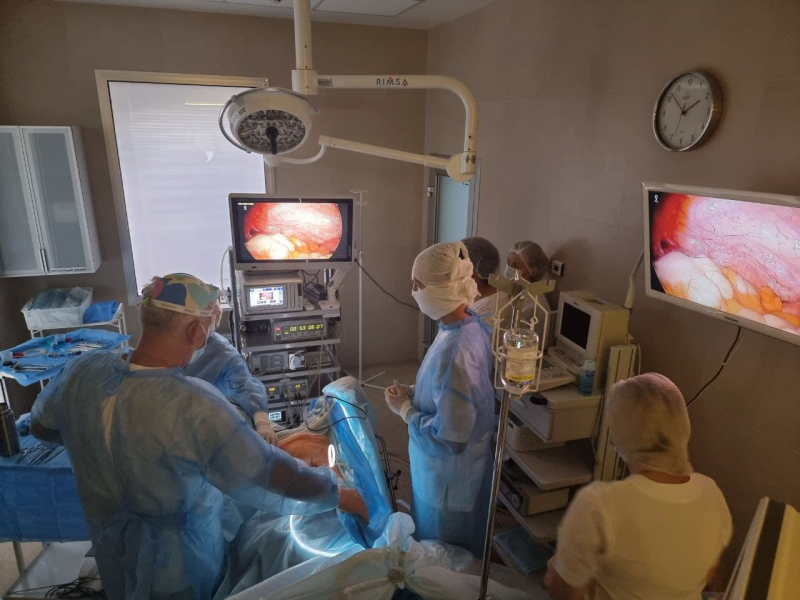
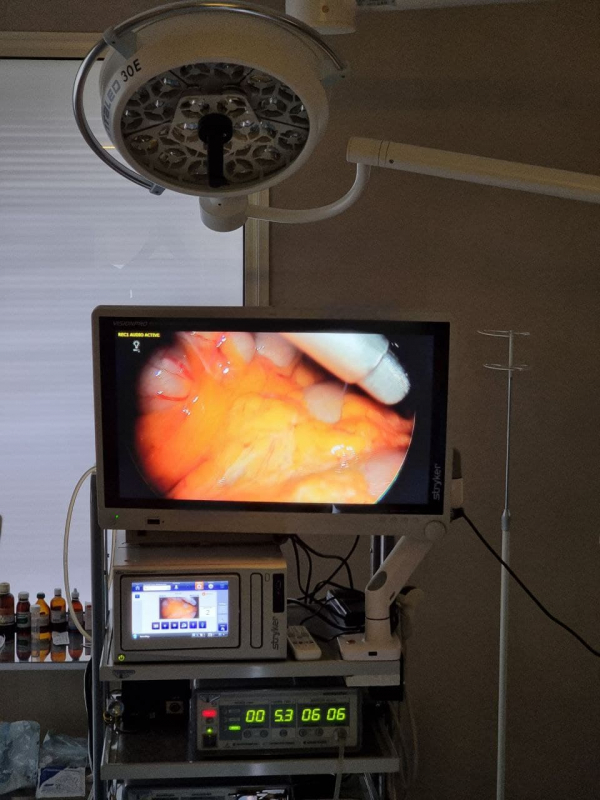
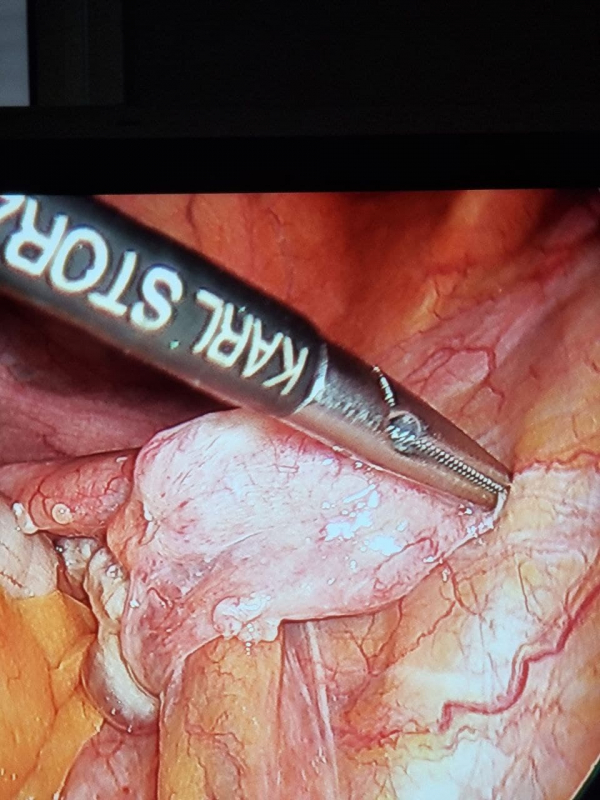
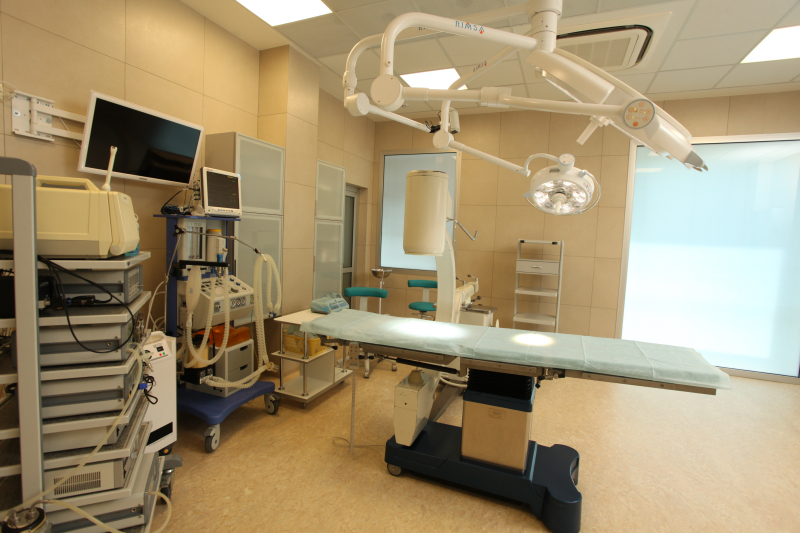
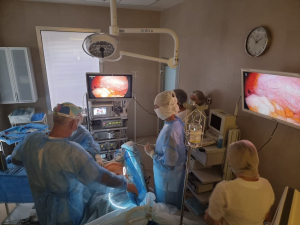
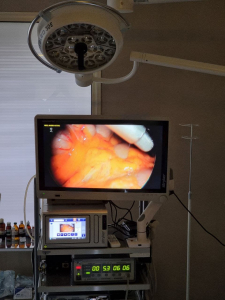
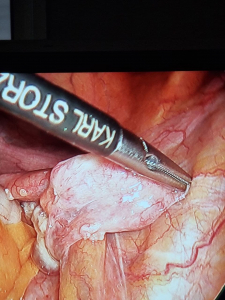
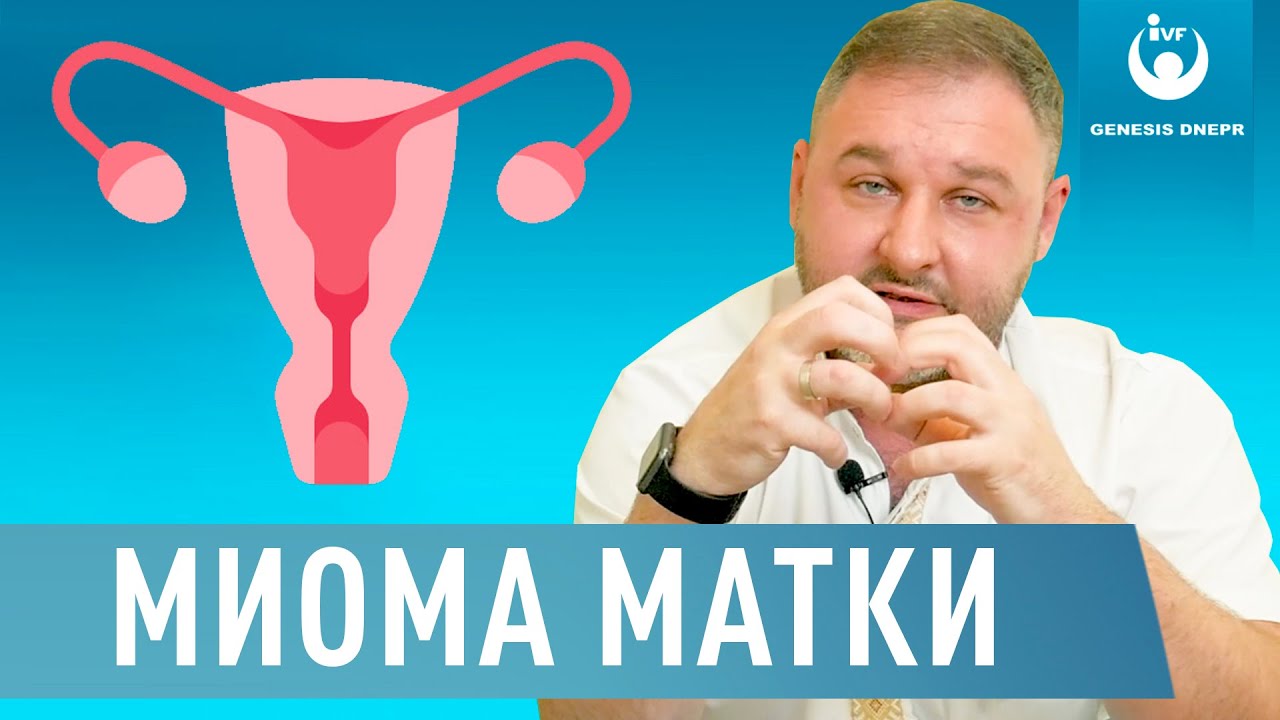
Uterine fibroids, also known as leiomyomas, are non-cancerous growths of the uterus that often appear during childbearing years. Whether to remove them or not depends on various factors, including the size and location of the fibroids, the severity of symptoms, and the patient's personal health goals. It is best to consult with a healthcare professional, such as an obstetrician-gynecologist like Dr. Kostienko V.G., to determine the most appropriate course of action based on individual circumstances.
The hysteroscopy procedure is usually performed under local or general anesthesia. The hysteroscope is inserted through the vagina and cervix, and then a visual examination of the uterine cavity is conducted using the optical device at the end of the instrument. If necessary, therapeutic manipulations can be performed, such as the removal of polyps or fibroids.
After the procedure, some recovery time may be needed, and the patient may be given recommendations for further treatment or postoperative care.
Hysteroscopy is a less invasive procedure compared to laparoscopy and is usually prescribed first for investigating and diagnosing problems inside the uterus. However, if necessary, hysteroscopy can also be used to perform therapeutic manipulations.
During hysteroscopic resection, the doctor inserts a special instrument called a hysteroscope through the vagina and cervix. This instrument has an electric loop or another cutting device at the end, which is used to remove or resect abnormalities inside the uterus.
The procedure is usually performed under general anesthesia. The doctor conducts a visual examination of the uterine cavity using the optical device at the end of the hysteroscope and removes or cuts abnormalities as needed.
After the procedure, some recovery time may be required, and the patient is given recommendations for further treatment or post-operative care.
Hysteroscopic resection is one of the methods used to treat abnormalities inside the uterus and can be used to remove polyps, fibroids, and other abnormalities that may cause issues such as pain or bleeding.
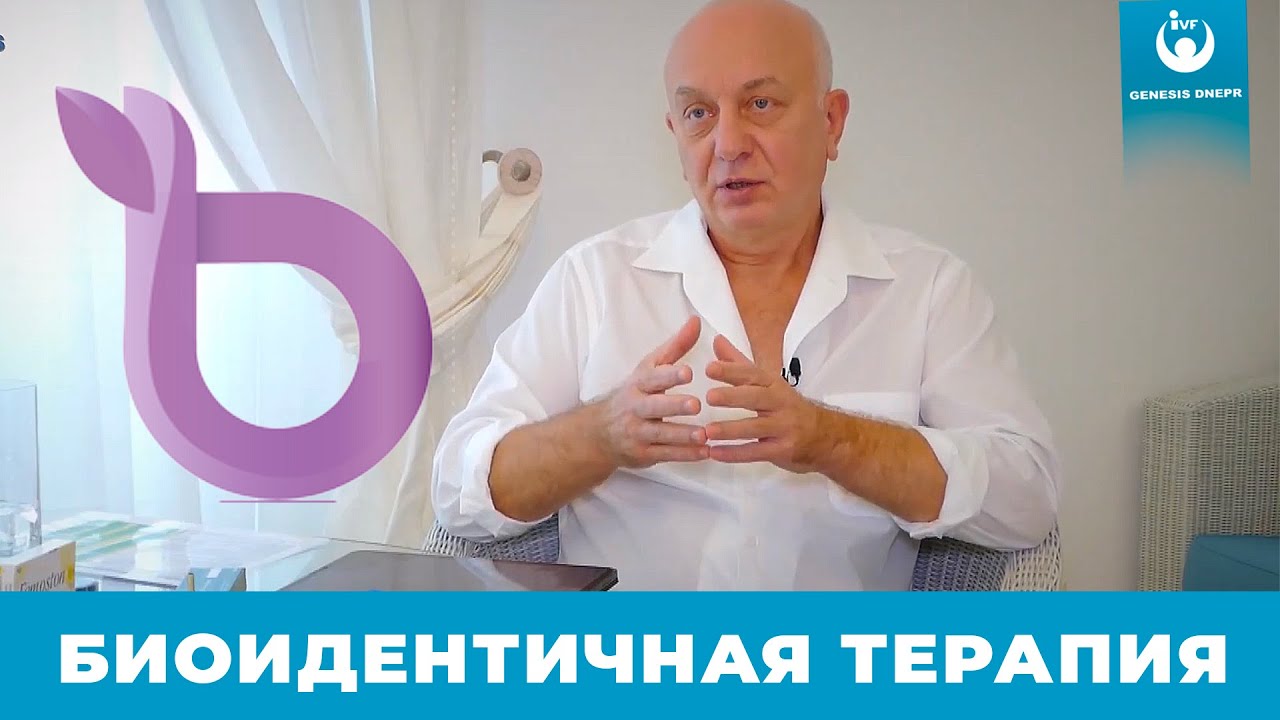
Bioidentical therapy, pellets, bioidentical hormones. Interview with Dr. Igor Perelygin.
Urinary incontinence in women. Laser treatment without pain and surgery.
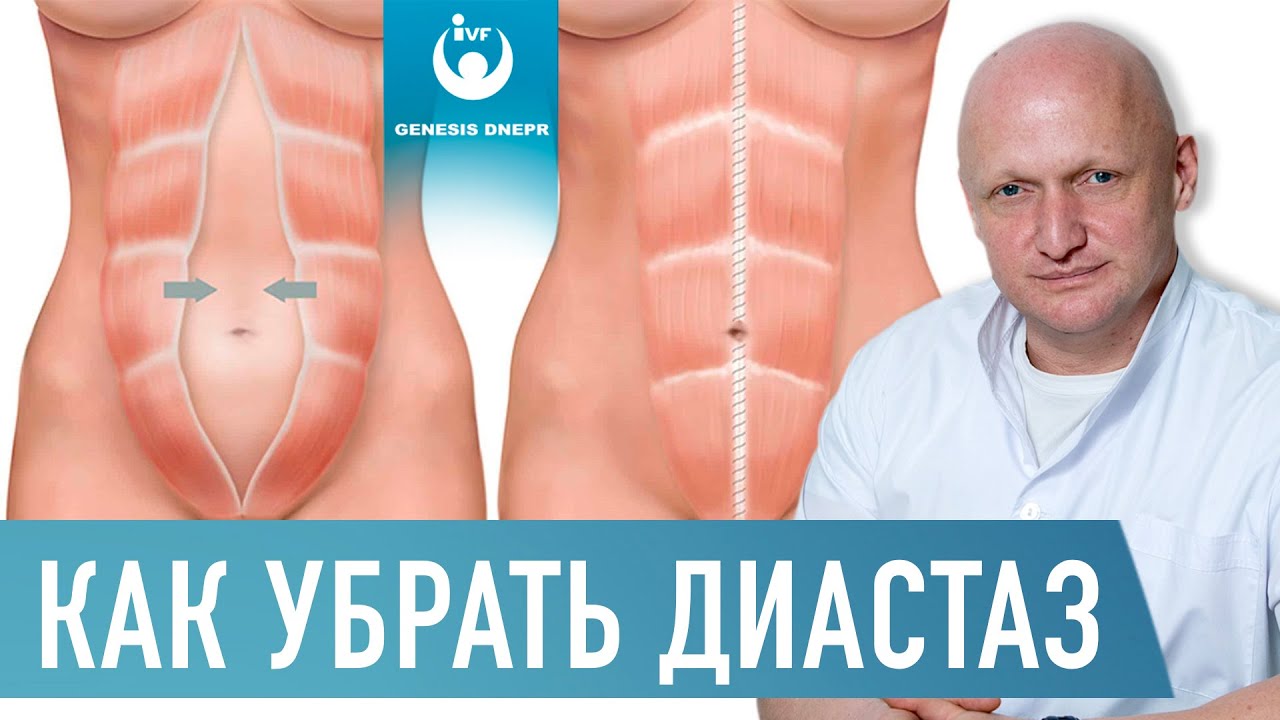
DIASTASIS (separation) of the rectus abdominis muscles. Causes, complications, treatment | Surgeon Shevtsov A.N.
Gynecologist Banachevich on endometrial disease, gynecology, ovarian cysts, and the menstrual cycle

Lipofilling | Liposculpture of the face, neck, hands, and entire body. Mario Goisis and Igor Perelygin.
Who is eligible for plasmapheresis (blood purification) from viruses and diseases? Genesis Dnepr Clinic.
You thought it was hemorrhoids, but it's cancer! Treatment and prevention of hemorrhoids. Dr. Olga Ryabchinskaya
ABNORMAL UTERINE BLEEDING. Treatment Method for AUB. Gynecologist Natalia Fedoruk
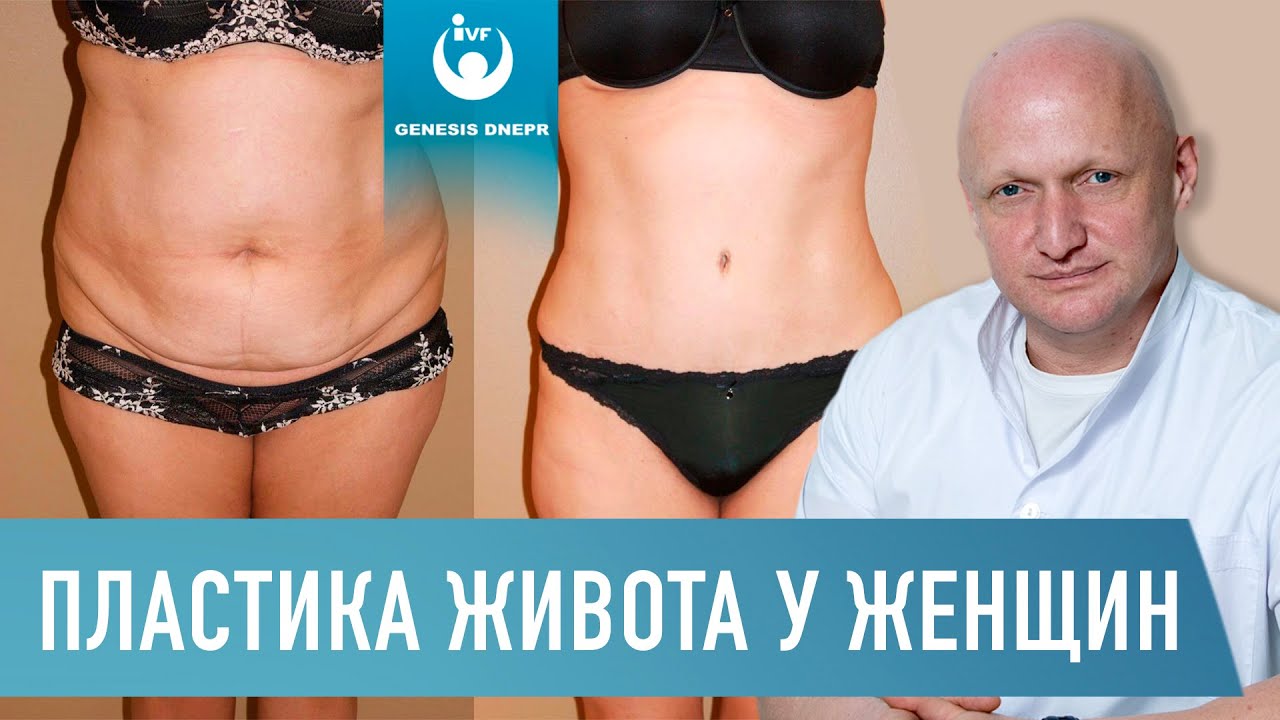
Tummy tuck. How to achieve a beautiful abdomen? Laser plastic surgery. Abdominoplasty | Surgeon Shevtsov
1. ЗАПИС ПО ТЕЛЕФОНУ:
+38(067) 544-68-282. ЗАПИСЬ ЧЕРЕЗ АНКЕТУ:
Анкета слугує для попереднього знайомства лікаря з медичною інформацією про Вас та дає можливість записатися на платну чи безкоштовну консультацію ...
+38 0963701324
Uterine polyps can be dangerous as they may cause various problems and symptoms, including:
1. Abnormal menstruation: Uterine polyps can cause heavy or irregular periods, including bleeding between periods.
2. Pain: Uterine polyps can cause pain in the lower abdomen or during sexual intercourse.
3. Infertility: Uterine polyps can hinder conception as they m...
Uterine polyps can be dangerous as they may cause various problems and symptoms, including:
1. Abnormal menstruation: Uterine polyps can cause heavy or irregular periods, including bleeding between periods.
2. Pain: Uterine polyps can cause pain in the lower abdomen or during sexual intercourse.
3. Infertility: Uterine polyps can hinder conception as they may block the passage of sperm to the egg or prevent the implantation of a fertilized egg.
4. Risk of cancer: Although most uterine polyps are benign, some can be precancerous or cancerous.
There are different types of uterine polyps, including:
1. Endometrial polyps: This is the most common type of uterine polyp, which forms inside the uterine cavity.
2. Cervical polyps: These form on the cervix and can cause bleeding after intercourse or during menstruation.
3. Fibroid polyps: These form from the muscle of the uterus and may be associated with pain and abnormal menstruation.
долгота: 35.0320729


