
If you feel unwell, we recommend simply scheduling an appointment with our therapist at "Genesis Dnipro," where we have all the necessary research methods for an accurate diagnosis.
If it's difficult for you to visit us, we of...
If you feel unwell, we recommend simply scheduling an appointment with our therapist at "Genesis Dnipro," where we have all the necessary research methods for an accurate diagnosis.
If it's difficult for you to visit us, we offer online consultations with doctors and the option of having a therapist visit you at home.
We use cordyceps, Milan cocktail, and biopellets for effective treatment...
- In-house clinical and diagnostic laboratory;
- 24-hour and day hospital;
- All necessary related specialists;
- Ultrasound room with expert-class equipment;
- Online consultations if necessary;
- Option to call a general practitioner and medical team to your home.

Shkinder Igor Stanislavovich
Neurologist of the highest category, with over 20 years of experience!
DIAGNOSIS AND TREATMENT OF NERVOUS SYSTEM DISEASES: Parkinson's disease, Alzheimer's disease, epilepsy, dementia, depression, addictions. HEAD AND SPINAL PAIN SLEEP DISORDERS

Litovchenko Denis Sergeevich
General practitioner, family doctor, gastroenterologist.
General therapy, program curator for comprehensive examinations. Initial diagnosis of diseases in therapeutic and rheumatological profiles. Performing procedures and interpreting results: ultrasound densitometry, spirometry, ECG, bioimpedance analysis. Therapeutic issues during pregnancy and preparation for IVF. Managing patients with multiple conditions – diabetes, obesity, renal failure, autoimmune diseases...
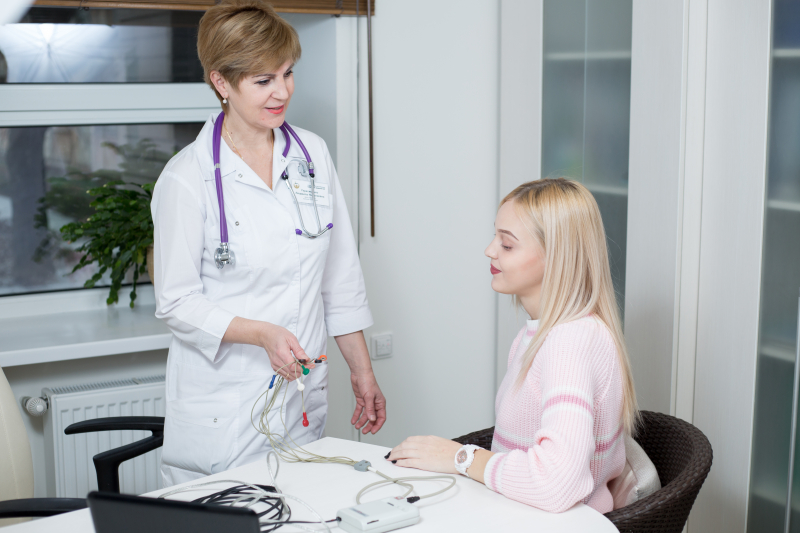

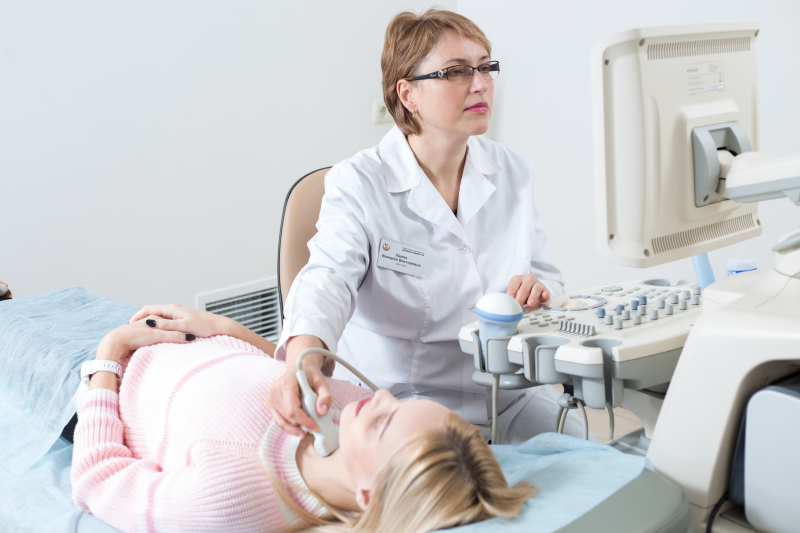
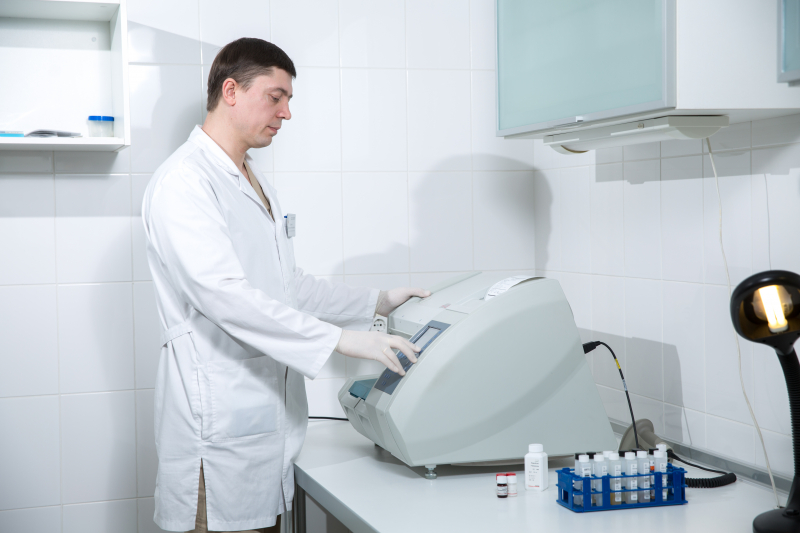

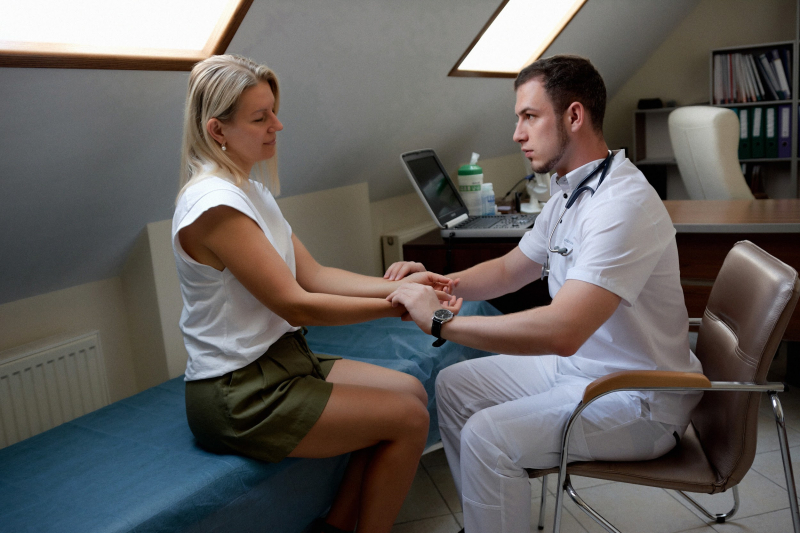

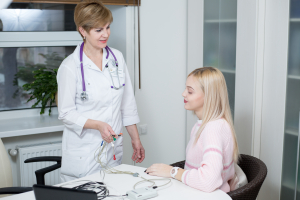
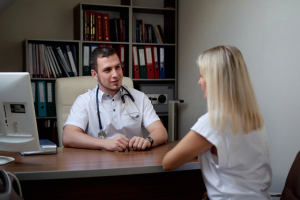
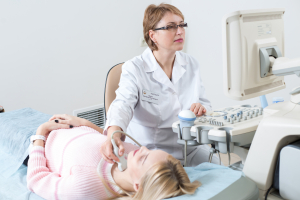
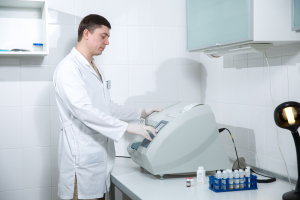
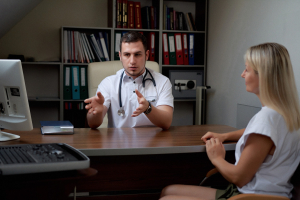
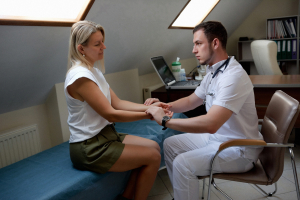

During a check-up, a comprehensive examination is conducted, which includes various laboratory and instrumental tests. The specific set of procedures may vary depending on the patient's gender, age, and overall health condition.
The main stages of a check-up include:
1. Medical history collection. The doctor asks the patient questions about their general health, presence of chronic diseases, heredity, and other factors that may affect their health.
2. General examination. The doctor examines the patient, checks their pulse, blood pressure, skin condition, hearing, vision, and other organs and systems.
3. Laboratory tests. Various blood and urine tests are conducted during the check-up to detect the presence or absence of certain diseases and to assess the functioning of internal organs.
4. Instrumental examinations. Depending on the patient's individual indicators, additional procedures such as ultrasound, X-ray, ECG, etc., may be prescribed. These tests allow for a more detailed study of the condition of specific organs and systems.
5. Specialist consultations. During the check-up, the patient may be referred to consultations with specialists such as a cardiologist, gastroenterologist, gynecologist (for women), urologist (for men), etc. This helps identify problems in the functioning of specific organs and systems and take appropriate measures.
A check-up is an important preventive measure that allows for the detection of diseases at early stages before symptoms appear. This enables earlier treatment and increases the chances of full recovery.
Additionally, a check-up allows for the assessment of overall health and identification of risk factors such as poor diet, lack of physical activity, smoking, etc. Based on the obtained data, the doctor can provide lifestyle change recommendations and suggest special disease prevention programs.
It is recommended to have regular check-ups, especially for people over 40 or those with chronic diseases. However, even young and healthy individuals are advised to have a check-up at least once a year to monitor their health and prevent potential issues.
A check-up is an important preventive procedure that allows for the early detection of diseases and prevention of their development. Regular check-ups help maintain health and improve quality of life.
Online consultations are particularly useful when a patient cannot visit a doctor in person due to distance or time constraints. They are also convenient for those who prefer to maintain confidentiality or have limited financial resources.
During an online consultation, the therapist may ask questions about symptoms and medical history, and request additional information such as test results or photos. Based on the information provided, the doctor can make a preliminary diagnosis and suggest further actions.
Online consultations can be beneficial for conditions such as colds, flu, allergies, food poisoning, minor injuries, and other minor ailments. In more serious or complex cases, the doctor may recommend visiting a clinic or hospital in person for further examination.
While online consultations do not replace a full examination and personal interaction with a doctor, they can be useful in certain situations. It is important to remember that an online consultation cannot replace professional medical care, especially in cases requiring urgent intervention or complex diagnostics.
Online consultations with a therapist can be helpful for obtaining medical advice and recommendations, particularly for minor illnesses or managing chronic conditions. However, it is important to remember that they do not replace comprehensive medical care and a personal examination by a doctor.
Densitometry can be useful in the following cases:
- Assessing the risk of developing osteoporosis in postmenopausal women and men over 50 years old.
- Monitoring the effectiveness of osteoporosis treatment.
- Evaluating the risk of fractures in patients with low bone density.
- Assessing bone condition before starting treatment with glucocorticosteroids or other medications that may negatively affect bone tissue.
Densitometry is a safe procedure, and the radiation dose received during the examination is very low. Densitometry is usually performed on the spine, pelvis, feet, or forearms.
The results of densitometry are expressed in terms of T-scores and Z-scores. The T-score compares the patient's bone density with that of young healthy individuals of the same sex, while the Z-score compares it with the bone density of people of the same age and sex. Negative values indicate low bone density and an increased risk of developing osteoporosis.
Densitometry can be prescribed by a general practitioner or rheumatologist if osteoporosis is suspected or to monitor bone condition in patients with an already established diagnosis. It is important to discuss with your doctor the necessity of this examination and the interpretation of its results.
Spirometry is conducted using a special device called a spirometer. The patient must inhale as deeply as possible and then exhale quickly into the device to measure air volumes and flow rates. The test may include parameters such as FEV1 (forced expiratory volume in one second), FEV1/FVC (the ratio of forced expiratory volume in one second to forced vital capacity), and others.
Spirometry can be useful in the following cases:
- Diagnosing and assessing the severity of lung diseases such as asthma, COPD, and obstructive bronchitis.
- Monitoring the effectiveness of treatment and controlling the condition of patients with respiratory diseases.
- Evaluating lung function before surgery or the start of treatment.
- Screening for respiratory disorders in smokers or people at risk of developing lung diseases.
Spirometry is a safe procedure, but it may cause some discomfort for certain patients. It is important to perform the test correctly under the guidance of an experienced specialist.
Spirometry results can be expressed in terms of air volumes and flow rates, as well as normalized values comparing the results with data from healthy individuals of the same age, gender, and height. Results that differ from the norm may indicate the presence of respiratory disorders or lung diseases.
A Holter monitor is prescribed by a doctor in cases where a standard ECG does not provide sufficient information about the patient's heart condition. This may be because some arrhythmias only occur at certain times or during specific activities. Therefore, conducting Holter monitoring allows for a more comprehensive picture of the heart's function over a day.
For Holter monitoring, a patient wears a special portable device that records heart activity data over a 24-hour period. The patient continues with their usual lifestyle and keeps a diary of their well-being, noting the time and nature of any symptoms that occur. After the monitoring period, the device is removed, and the data is analyzed by a specialist.
Holter monitoring can be particularly useful in the following cases:
- For patients suspected of having heart rhythm disturbances that do not always appear during a standard ECG.
- For patients who experience cardiac symptoms (chest pain, shortness of breath, fainting) at specific times or during certain activities.
- For patients undergoing treatment for arrhythmias or other heart conditions, to assess the effectiveness of the therapy.
- For patients with an increased risk of cardiovascular diseases.
Holter monitoring is a safe and non-invasive procedure that provides important information about heart function in everyday life conditions. It can be prescribed for patients with chronic forms of diseases as well as for those requiring home treatment.
Genesis-Dnipro offers Holter monitoring with hospitalization.
When should you call a doctor to your home?
✔ High fever, chills, weakness
✔ Severe pain, cough, shortness of breath
✔ High blood pressure, dizziness
✔ Exacerbation of chronic diseases
✔ Poisoning, gastrointestinal issues
What does a home visit include?
🔹 Examination and consultation
🔹 Prescription of treatment and recommendations
🔹 Issuance of prescriptions and sick leave (if necessary)
🔹 Arrangement of additional tests
Our specialists respond promptly to calls and arrive at a time convenient for you. We care about your health and offer professional medical assistance without the need to leave your home.

How to prevent cardiovascular diseases? Dr. Gerasimenko Lyudmila at "Genesis Dnipro"
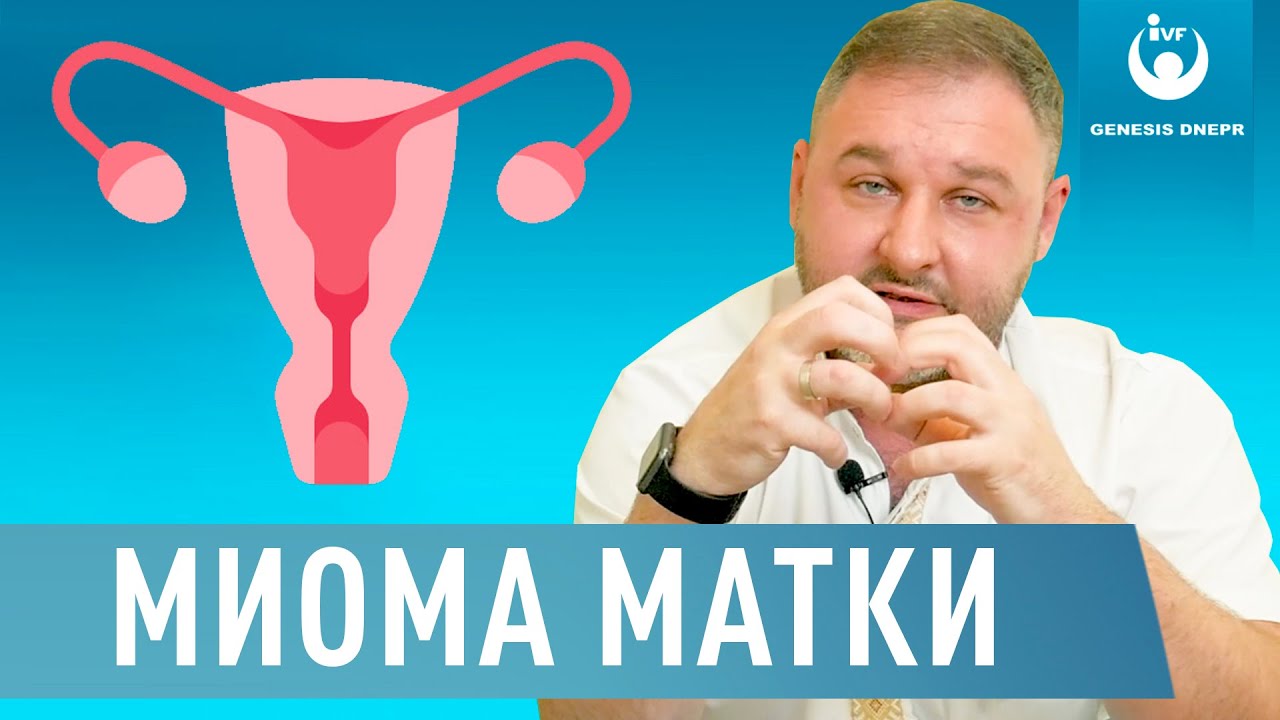
What is a uterine fibroid? Should it be removed or not? Obstetrician-gynecologist V.G. Kostenko.
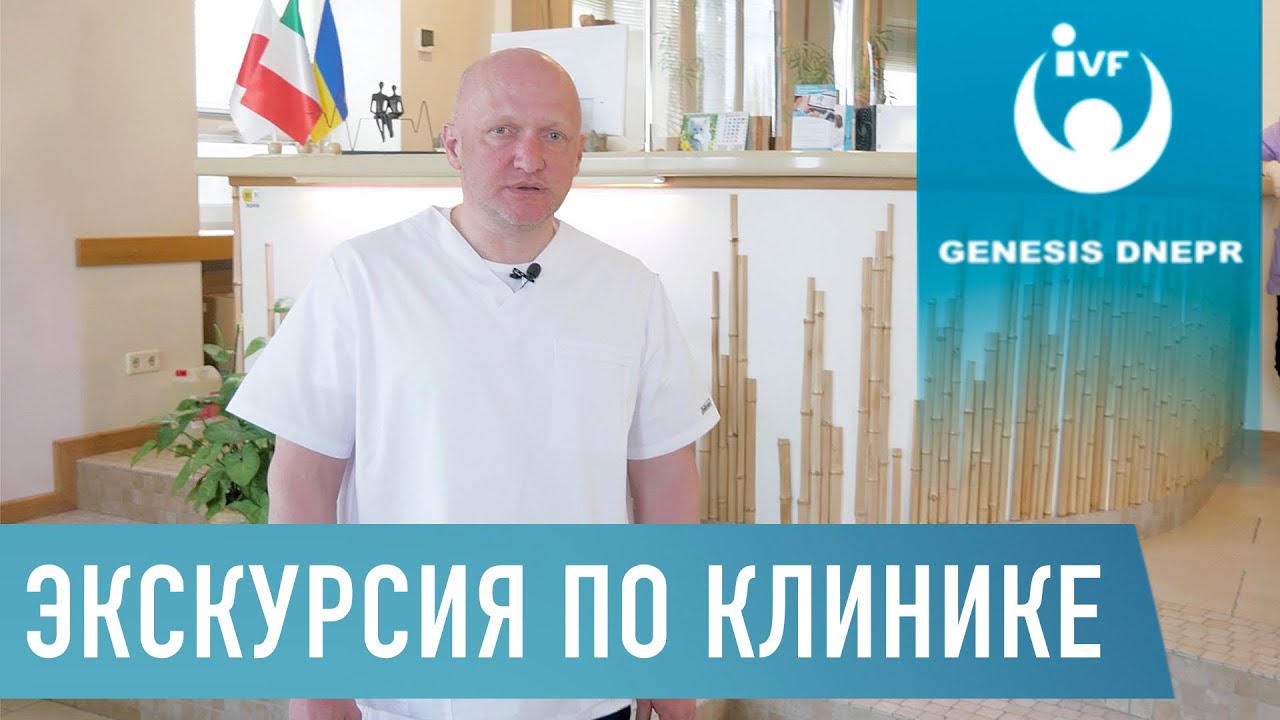
Tour of Genesis Dnepr Clinic | Maternity Ward, Plastic Surgery, Therapy, Detoxification...
Urinary incontinence in women. Laser treatment without pain and surgery.
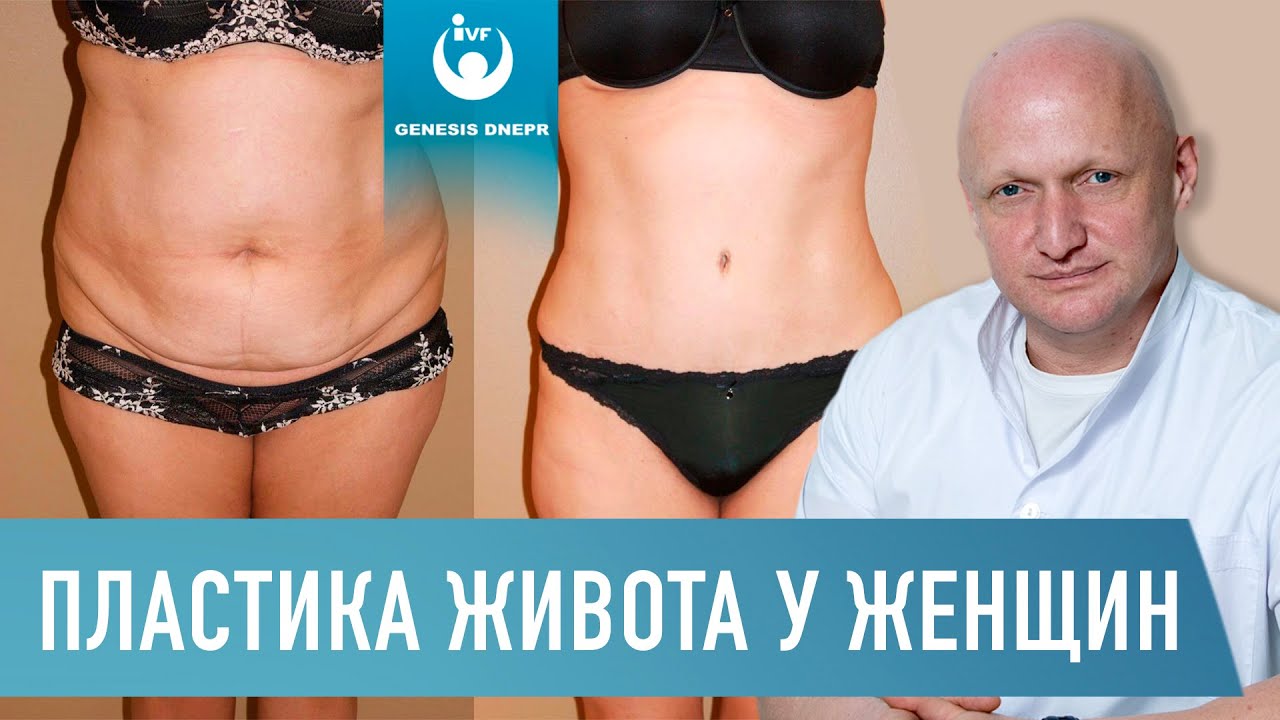
Tummy Tuck. How to Achieve a Beautiful Abdomen? Laser Plastic Surgery. Abdominoplasty | Surgeon Shevtsov
Itching in the Anus: Real Causes, Treatment, and Prevention. Proctologist O.V. Ryabchinskaya.
Why does the back hurt? Explained by neurologist Igor Shkinder.

Lipofilling | Liposculpture of the face, neck, hands, and entire body. Mario Goisis and Igor Perelygin.
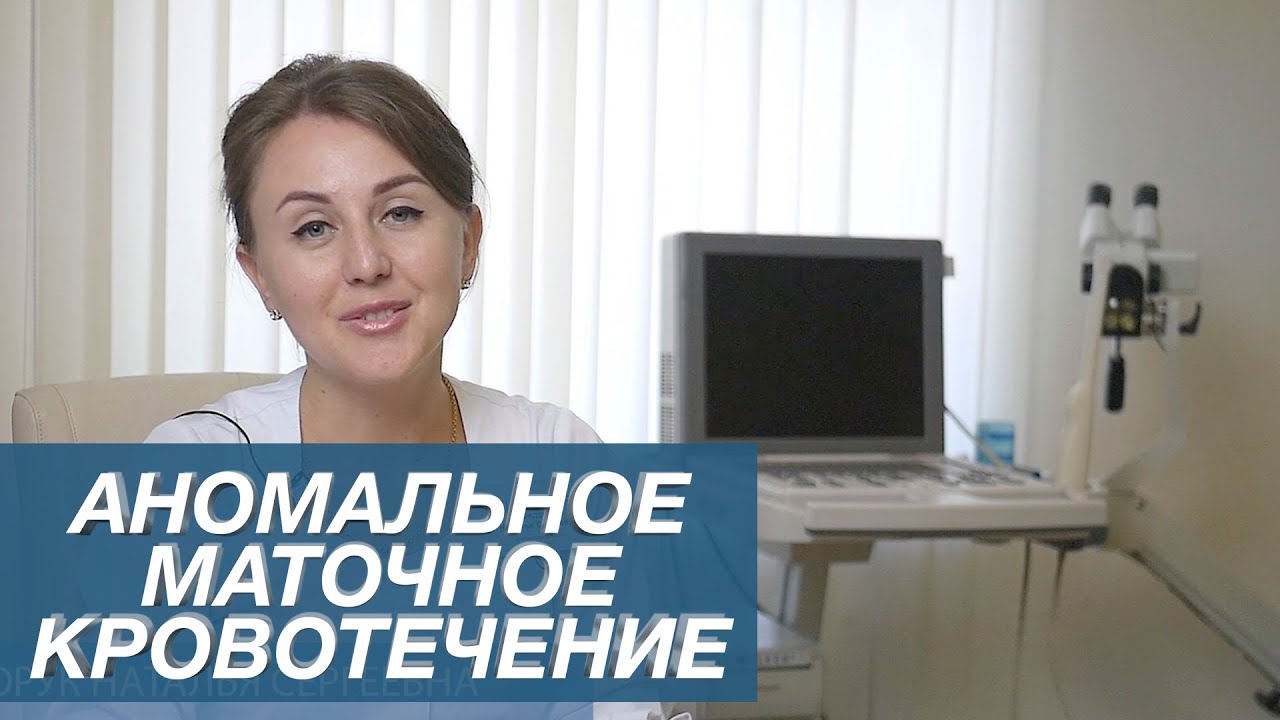
ABNORMAL UTERINE BLEEDING. Treatment Method for AUB. Gynecologist Natalia Fedoruk
1. ЗАПИС ПО ТЕЛЕФОНУ:
+38(067) 544-68-282. ЗАПИСЬ ЧЕРЕЗ АНКЕТУ:
Анкета слугує для попереднього знайомства лікаря з медичною інформацією про Вас та дає можливість записатися на платну чи безкоштовну консультацію ...
+38 0963701324
Alternatively, you can schedule an appointment by filling out the patient form in advance:
https://ivf-genesis-dnepr.ua/anketi/15/13
When a general practitioner visits your home, they conduct an examination of the patient, inquire about their complaints and symptoms, and perform...
When a general practitioner visits your home, they conduct an examination of the patient, inquire about their complaints and symptoms, and perform necessary medical procedures, such as measuring blood pressure, examining the throat, or listening to the lungs. It is also possible to have samples collected by our nurse for analysis.
долгота: 35.0320729


