
We establish an accurate diagnosis, offer appropriate treatment, and provide proprietary rehabilitation programs after surgeries...
At your service are the best specialists and expert-level equipment.
For effective treatment, we use cordyceps, Milan cocktail, and biopellets...
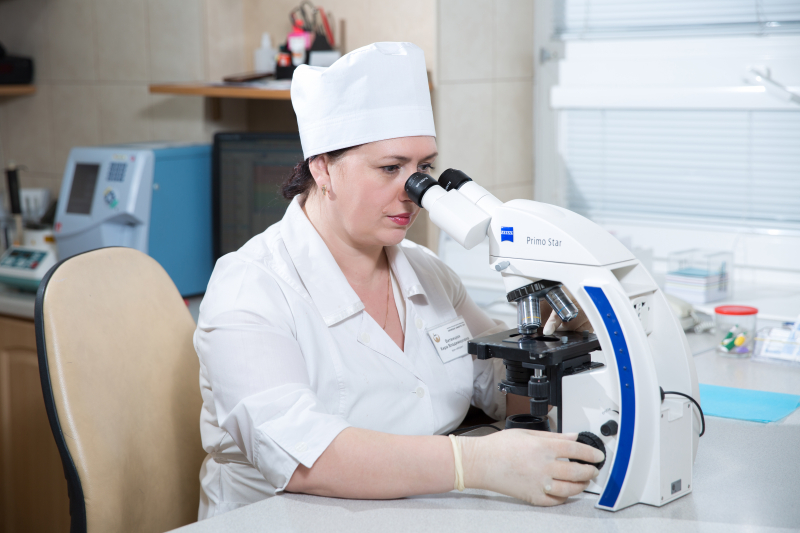
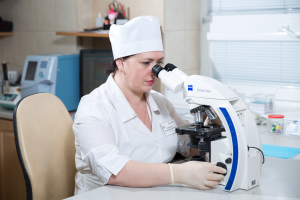
- Our own clinical and diagnostic laboratory
- 24-hour inpatient facility with comfortable single rooms
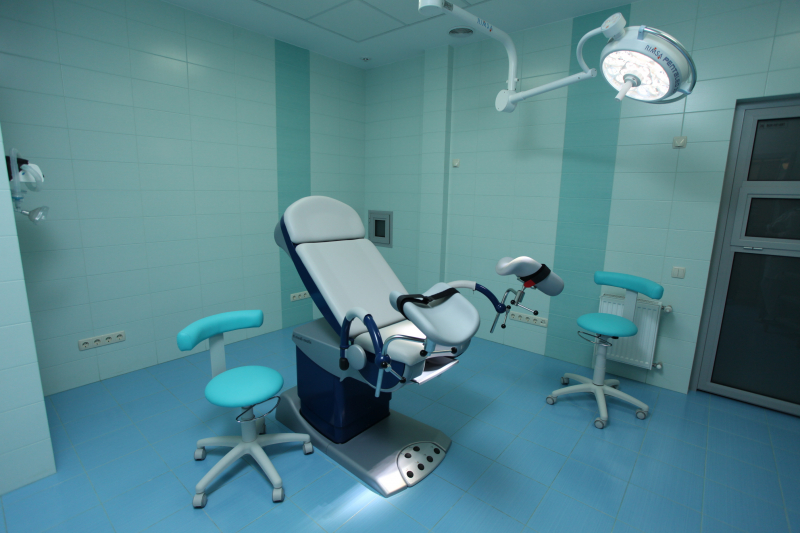
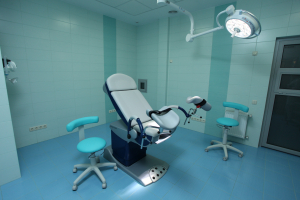
- Four fully equipped operating rooms
- Organ-preserving treatment approach
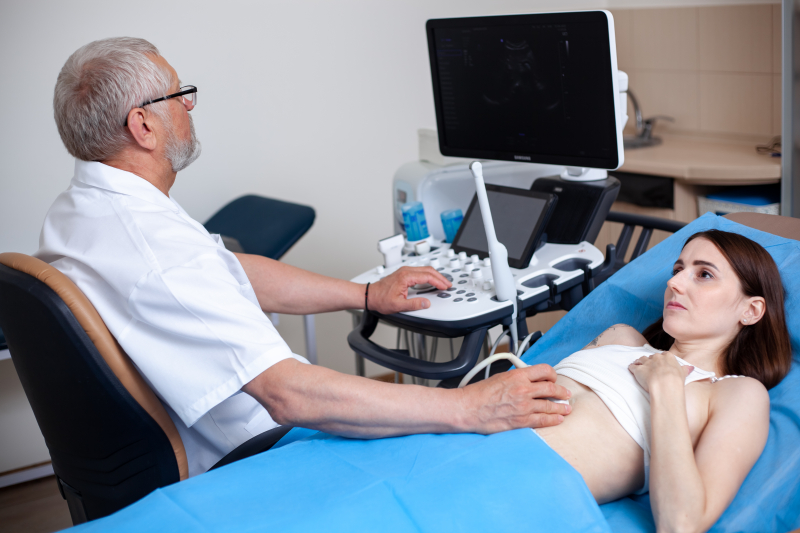
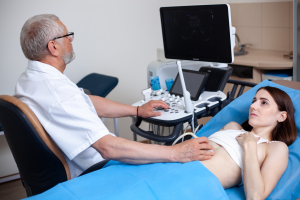
- Expert-class diagnostic equipment
- All necessary related medical specialists
- All our doctors are of the highest category
- 25 years of experience in gynecology a...
- Our own clinical and diagnostic laboratory
- 24-hour inpatient facility with comfortable single rooms
- Four fully equipped operating rooms
- Organ-preserving treatment approach
- Expert-class diagnostic equipment
- All necessary related medical specialists
- All our doctors are of the highest category
- 25 years of experience in gynecology and an excellent reputation among residents and visitors of the city.

Perelygin Igor Veniaminovich
Obstetrician-gynecologist of the highest category, Ph.D., andrologist, therapist, specialist in bioidentical therapy. Founder and head of the "GENESIS DNIPRO" clinic. Member of the Ukrainian and European Society of Reproduction and Embryology (ESHRE). IMPLEMENTATION OF THE PRINCIPLE: "FROM CONCEPTION TO BIRTH"
REPRODUCTIVE MEDICINE. ANDROLOGY. THERAPY. GENERAL AND ENDOCRINE GYNECOLOGY. CLIMACTERIC DISORDERS. BLADDER DISEASES. WEIGHT LOSS. OZEMPIC

Revilo Olga Ivanovna
Obstetrician-gynecologist of the highest category. Chief physician.
Obstetrics and Gynecology. Pregnancy Pathology. Management of complicated and normal pregnancies, as well as after IVF programs. Pregnancy management in cases of fetal loss syndrome. General Gynecology.

Sulima Elena Mikhailovna
Obstetrician-gynecologist of the highest category, chief physician of the maternity hospital "GENESIS DNIPRO"
OBSTETRICS: PREGNANCY CARE, CHILDBIRTH, CESAREAN SECTION, POSTPARTUM MANAGEMENT GENERAL GYNECOLOGY

Gribanova Lyudmila Valerievna
Obstetrician-gynecologist of the 1st category.
Management of complicated and normal pregnancies, as well as pregnancies following IVF programs and in cases of recurrent pregnancy loss. General gynecology.

Potapov Valentin Alexandrovich
Obstetrician-gynecologist, professor, Doctor of Medical Sciences, academician of the Academy of Sciences of the Higher School of Ukraine, honored worker of science and technology of Ukraine, head of the Department of Obstetrics and Gynecology at DGMU, chairman of the Dnipropetrovsk regional branch of the Association of Obstetricians and Gynecologists of Ukraine.
Surgery in obstetrics and gynecology, endocrine gynecology, reconstructive and restorative surgery in gynecology. Management of pregnancy with extragenital pathology.

Kostenko Vitaliy Grigoryevich
Obstetrician-gynecologist of the highest category.
OBSTETRICS: PREGNANCY CARE, CHILDBIRTH, CESAREAN SECTION GYNECOLOGY: DISEASES OF THE UTERUS AND ENDOMETRIUM, OVARIES, PREGNANCY TERMINATION MENSTRUAL CYCLE DISORDERS CYSTITIS

Fedoruk Natalya Sergeevna
Obstetrician-gynecologist.
OBSTETRICS AND GYNECOLOGY, PREGNANCY CARE, CHILDBIRTH, INTIMATE REJUVENATION, AESTHETIC GYNECOLOGY AND PRP THERAPY, INFERTILITY TREATMENT...

Chernomorets Svetlana Nikolaevna
Obstetrician-gynecologist of the highest category
OBSTETRICS AND GYNECOLOGY, PREGNANCY CARE, CHILDBIRTH, INTIMATE REJUVENATION, AESTHETIC GYNECOLOGY AND PRP THERAPY, INFERTILITY TREATMENT, PEDIATRIC GYNECOLOGY.

Vasilyeva Alina Alexandrovna
Obstetrician-gynecologist, reproductive specialist, ultrasound doctor
Pregnancy planning. IVF. Preparation for IVF. Folliculometry. Pregnancy management. General gynecology: menstrual cycle disorders, cervical treatment, endometrial pathology, contraceptive selection, HPV vaccination; aesthetic gynecology. Ultrasound of the thyroid gland, breast, and pelvic organs.

Kulbach Irina Ivanovna
Obstetrician-gynecologist of the highest category, Honored Doctor of Ukraine.
OBSTETRICS: PREGNANCY CARE, CHILDBIRTH, CESAREAN SECTION, POSTPARTUM MANAGEMENT. GENERAL GYNECOLOGY: preventive examinations, pregnancy termination, menopausal syndrome, treatment of inflammatory conditions, contraception selection. Intimate plastic surgery.






One of the primary goals of pediatric gynecology is to ensure the health and normal development of girls during puberty. Pediatric gynecologists conduct examinations and consultations to identify potential abnormalities or diseases, and they provide assistance and support in addressing issues related to the menstrual cycle, hormonal changes, and other aspects of female health.
Key issues that pediatric gynecologists encounter include the onset of menstrual cycles, menstrual problems, inflammatory processes in the pelvic organs, congenital anomalies of the genital organs, breast diseases, and other female health-related concerns.
Pediatric gynecology also involves the prevention and treatment of diseases that may occur in girls and adolescents, such as vulvovaginitis, vaginal infections, thrush, and other infectious diseases. It may also include administering vaccinations against the human papillomavirus (HPV), which is a major cause of cervical cancer.
Pediatric gynecologists possess specialized knowledge and skills to provide the most effective and safe treatment for girls and adolescents. They work closely with other specialists, such as pediatricians, endocrinologists, and oncologists, to ensure a comprehensive approach to the health of children and teenagers.
If your daughter has any problems or questions related to her female health, consult a pediatric gynecologist. They can conduct the necessary examinations and prescribe appropriate treatment or recommendations. Remember, early detection and treatment of issues can help prevent the development of serious diseases and ensure the long-term health of your daughter.
Regular preventive examinations help detect and prevent various diseases associated with hormonal changes during menopause, such as osteoporosis, cardiovascular diseases, and breast cancer. The doctor can also discuss menopause symptoms and suggest treatment and support methods that are most suitable for each individual woman.
Regular preventive examinations help maintain health and quality of life during menopause. Therefore, it is recommended to visit a gynecologist at least once a year or as advised by the doctor.
One of the main methods of treating menopause is hormone replacement therapy (HRT). This involves taking hormones to compensate for the lack of estrogen and progesterone in a woman's body. HRT can be administered in the form of pills, patches, creams, or gels. However, it is necessary to consult a doctor before starting HRT, as it has its contraindications and side effects.
In addition to HRT, other methods of treating menopause may be used. Some women prefer to use natural supplements based on plant components, such as soy isoflavones or red clover extract. However, the effectiveness of such supplements is not scientifically proven, and it is also recommended to consult a doctor before using them.
Non-medication methods can also be applied to alleviate menopause symptoms. For example, it is recommended to lead an active lifestyle, engage in physical exercises, eat properly, and avoid stressful situations. It is also beneficial to pay attention to sleep and establish a daily routine that helps the body rest and recover.
Menopause treatment should be individualized and based on the symptoms and needs of each specific woman. Therefore, it is important to discuss all possible treatment methods with a doctor to choose the most suitable and effective one for each case.
Operative gynecology may be necessary for the treatment of various conditions such as uterine fibroids, endometriosis, ovarian cysts, polyps, and other pathologies. A gynecologist may recommend surgery if conservative treatment does not provide sufficient results or if the condition poses a threat to the patient's health and life.
Operative gynecology is performed using various methods and techniques, including laparoscopy (minimally invasive surgery through small incisions), hysteroscopy (examination of the uterine cavity using an optical device), and open surgery (performing surgery through a large incision). Depending on the nature of the disease and the individual characteristics of the patient, the doctor chooses the most appropriate surgical method.
Operative gynecology is an important component in the treatment of many gynecological diseases. It allows for the elimination of the cause of the disease and improves the quality of life for patients. Experienced and qualified specialists at Genesis-Dnipro will perform the surgery with maximum efficiency and minimal risks.
In gynecology, endocrinology plays a crucial role because the hormonal balance in a woman's body affects her health and the functioning of her reproductive system. For example, irregular or painful menstrual cycles can be linked to disorders in the endocrine system. Hormonal changes can also lead to issues with conception and pregnancy.
One of the most common problems related to endocrinology in gynecology is polycystic ovary syndrome (PCOS). This condition involves the formation of multiple cysts in the ovaries, leading to hormonal imbalance and potentially causing issues with conception and pregnancy. Treatment for PCOS often includes taking hormonal medications and lifestyle adjustments.
Another common issue related to endocrinology in gynecology is hyperprolactinemia, a condition where the level of the hormone prolactin in the blood is elevated. This can lead to menstrual cycle disruptions and conception problems. Treatment for hyperprolactinemia may involve taking medications to lower prolactin levels or surgical intervention.
Endocrinology in gynecology also addresses the treatment of endometriosis, a condition where tissue similar to the lining of the uterus grows outside of it. This can cause painful and heavy menstrual bleeding, as well as conception issues. Treatment for endometriosis may include taking hormonal medications and surgically removing affected tissue areas.
Additionally, endocrinology in gynecology plays a vital role in diagnosing and treating various menstrual cycle disorders, such as amenorrhea (absence of menstruation), dysmenorrhea (painful menstruation), menorrhagia (heavy menstruation), and oligomenorrhea (infrequent menstruation). Treatment for these disorders may involve taking hormonal medications or other methods to correct hormonal balance.
It is also important to note that endocrinology in gynecology plays a significant role in maintaining the health of pregnant women. During pregnancy, significant changes occur in the endocrine system, which can affect the health of both the mother and the child. Therefore, regular monitoring by an endocrinologist can help prevent potential complications and ensure a healthy pregnancy.
Endocrinology plays a crucial role in gynecology because the hormonal balance in a woman's body affects her health and reproductive function. If any issues arise with the menstrual cycle, pregnancy, or other gynecological problems, it is important to consult an endocrinologist for qualified assistance and treatment.
Adenomatosis is a benign growth that can occur in various organs and tissues, such as the intestines, breast, lungs, and others. It consists of glandular cells and can cause different symptoms depending on its location.
Leiomyomas are benign tumors that arise from the muscular tissue of the uterus. They can vary in size and shape and usually do not cause symptoms. However, in some cases, they can lead to painful and heavy menstruation, abdominal pain, and other issues.
The treatment of these benign growths depends on their size and location, as well as the symptoms they cause. In some cases, surgical removal of the tumors may be necessary, especially if they lead to severe symptoms or potential complications. Medications may also be used to reduce symptoms and control tumor growth.
Benign growths can recur after treatment, so it is important to undergo regular check-ups and monitor your health. It is also crucial to seek medical help if new symptoms appear or if your condition worsens.
Among the most common inflammatory diseases in gynecology are:
- Vaginitis: inflammation of the vaginal mucosa, which can be caused by various infections or changes in the balance of vaginal microflora.
- Cervicitis: inflammation of the cervix, often resulting from infections such as chlamydia, gonorrhea, or mycoplasmosis.
- Endometritis: inflammation of the uterine lining, which can occur after childbirth, abortion, or other surgical interventions.
- Salpingitis: inflammation of the fallopian tubes, which can be caused by an infection from the vagina or uterus.
- Pyometra: inflammation of the uterine cavity, which can occur when there is a disruption in the outflow of uterine secretions.
Symptoms of inflammatory diseases in gynecology may include lower abdominal pain, unpleasant-smelling discharge, changes in the color and consistency of discharge, itching, and discomfort during sexual intercourse. In some cases, general symptoms such as fever and fatigue may also be observed.
The treatment of inflammatory diseases in gynecology depends on their cause and severity. Doctors usually prescribe antibiotics to combat the infection and anti-inflammatory drugs to relieve symptoms. The use of probiotics may also be recommended to restore the balance of vaginal microflora.
It is important to consult a doctor if any symptoms of inflammatory diseases in gynecology appear, as without timely treatment, they can lead to serious complications such as infertility or chronic inflammatory processes. It is also important to maintain hygiene and undergo regular check-ups with a gynecologist to prevent the development of inflammatory diseases.
404 Not Found
Sometimes in life, situations arise where sexual intercourse occurs without proper protection. In such cas...
Sometimes in life, situations arise where sexual intercourse occurs without proper protection. In such cases, emergency contraception can help.
What is emergency contraception?
Emergency (post-coital) contraception is a method to prevent pregnancy after sexual intercourse. It is not intended for regular use but can be effective in an emergency situation if used as soon as possible—preferably within 24 hours, but it is allowed up to 72–120 hours (depending on the method).
The main methods of emergency contraception are:
1. Hormonal pills
- The sooner the pill is taken, the higher the effectiveness.
- The pills do not terminate an existing pregnancy and do not work if the embryo has already implanted.
2. Intrauterine device (IUD)
- A copper IUD can be inserted within 5 days after unprotected intercourse.
Effectiveness approaches 99%.
When should you seek emergency contraception?
- After unprotected intercourse.
- If a condom breaks or is used incorrectly.
- If hormonal pills are missed.
- After a forced sexual encounter.
Why is it important to consult a doctor?
- To choose the most suitable method considering health and menstrual cycle.
- To rule out contraindications.
- To prevent sexually transmitted infections (if necessary).
- To discuss future contraception plans.
Remember:
- Emergency contraception does not protect against STIs.
- It is not recommended for frequent use—it is not a substitute for regular contraceptive methods.
- If your period is delayed by more than 7 days after taking the pill, a pregnancy test is necessary.
Get professional consultation
At our clinic, you can receive:
- An urgent consultation with a gynecologist.
- Prescription or administration of emergency contraception.
- Insertion of an intrauterine device (if necessary).
- Personalized selection of future contraception.
Same-day appointments are available. Call us or book online—we will help you maintain your health and peace of mind.
What is considered a cycle disorder?
You should see a doctor if you notice one or more of the following changes:
- Menstruation occurs too frequently (less than 21 days) or too infrequently (less than once every 35–40 days).
- Delays in menstruation of more than 5–7 days with a regular cycle.
- Severe pain before or during menstruation.
- Very heavy or, conversely, scanty discharge.
- Spotting outside the cycle (between periods).
- Complete absence of menstruation for more than 3 months (excluding pregnancy).
- Irregular cycle after 6 months from the first menstruation in adolescents.
Why is it important to see a doctor as soon as possible?
Cycle disorders are not a "feature" but a symptom. They may indicate:
- Hormonal imbalances (including thyroid diseases, polycystic ovary syndrome, hyperprolactinemia)
- Uterine fibroids, endometriosis, ovarian cysts
- Inflammatory diseases of the pelvic organs
- Ovarian depletion syndrome (early menopause)
- Stress, rapid weight loss/gain, vitamin deficiencies
- Consequences of abortions or infections
- Blood clotting disorders
🔹 Early detection = simpler and more effective treatment.
Delays can lead to chronic infertility, anemia, severe hormonal disorders, and other complications.
🔹 Pregnancy can also be a reason for delay, including ectopic pregnancy, which is life-threatening.
What does the doctor do? During the appointment, the gynecologist:
- Conducts an examination and ultrasound of the pelvic organs
- Prescribes necessary hormonal tests
- Identifies the cause of the disorders
- Selects individual treatment or cycle correction
If necessary, consultations with related specialists are appointed: endocrinologist, hematologist, psychologist.
Don't wait for it to "fix itself."
Your cycle is a mirror of hormonal and reproductive balance.
If something goes wrong, don't delay visiting a doctor. Even one disrupted cycle is already a reason for careful attention.
Make an appointment today. We will help restore your health and confidence.
Urinary incontinence in women. Laser treatment without pain and surgery.
INFERTILITY TREATMENT or IVF? Which is better for a woman's health?
Bioidentical therapy, pellets, bioidentical hormones. Interview with Dr. Igor Perelygin.
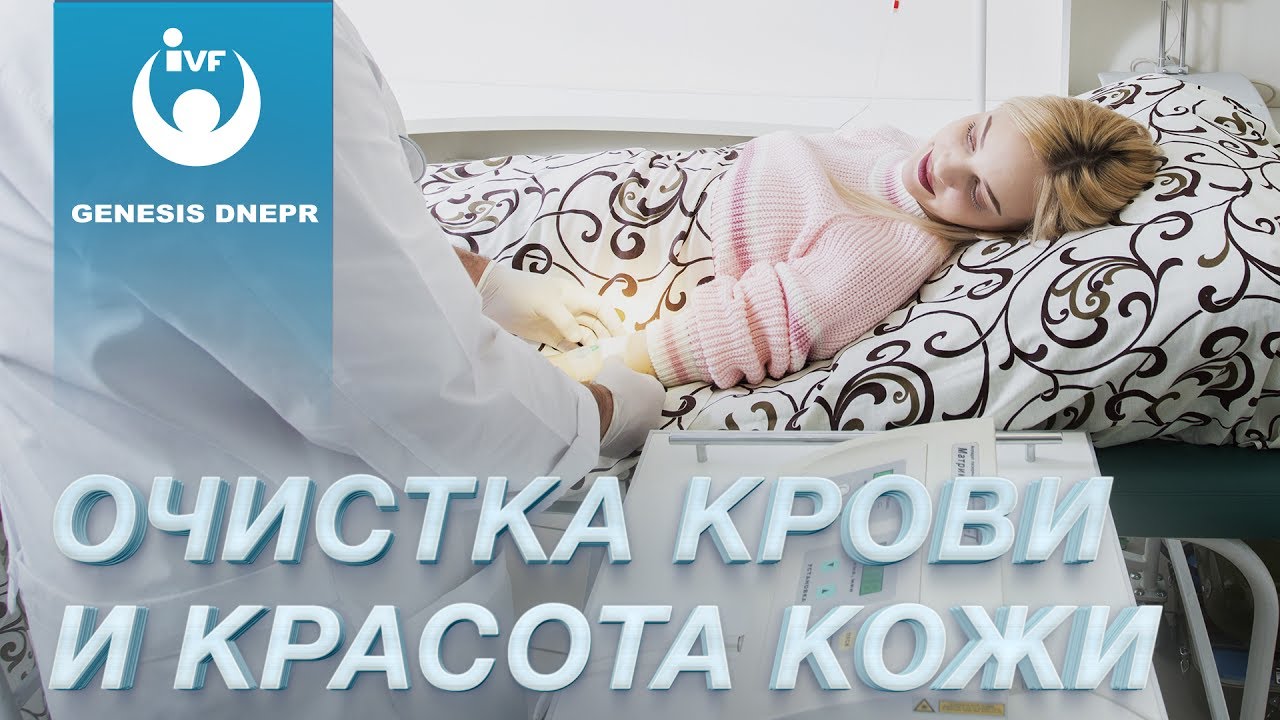
Plasmapheresis (blood purification) for improving the condition of facial and body skin. Genesis Dnepr Clinic.
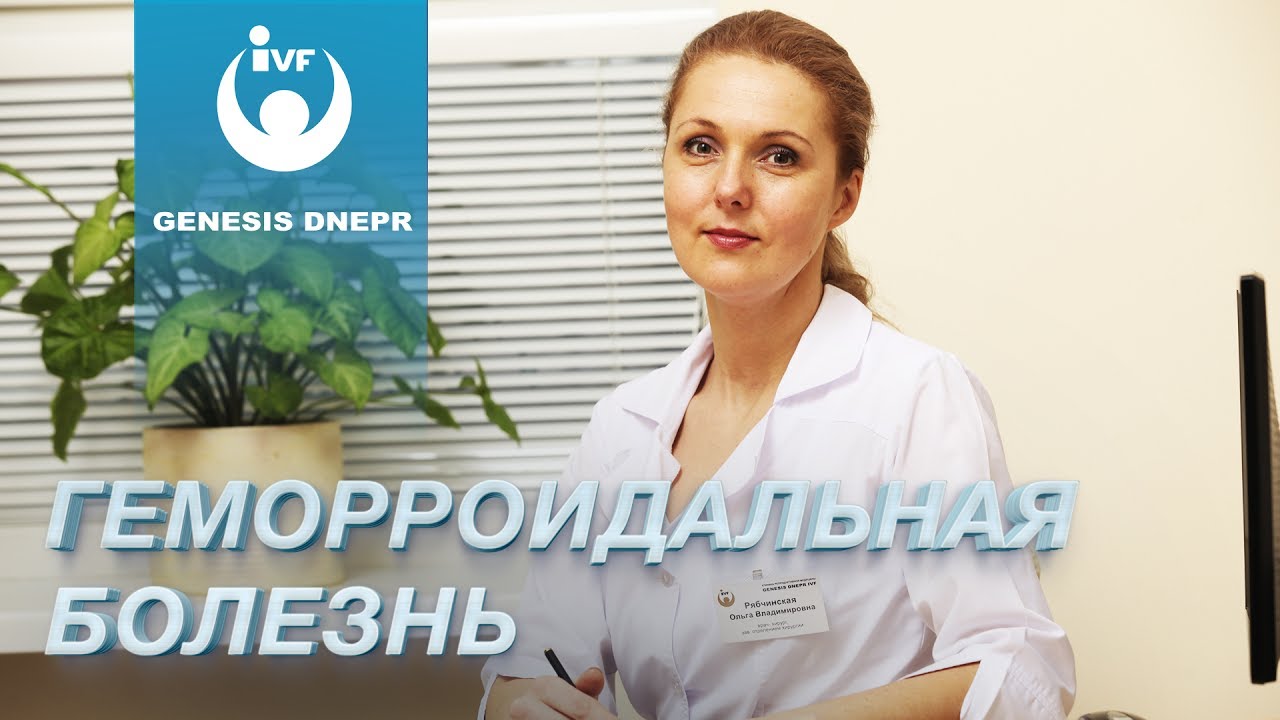
Hemorrhoidal disease. How to treat hemorrhoids. Proctologist Olga Vladimirovna Ryabchinskaya.
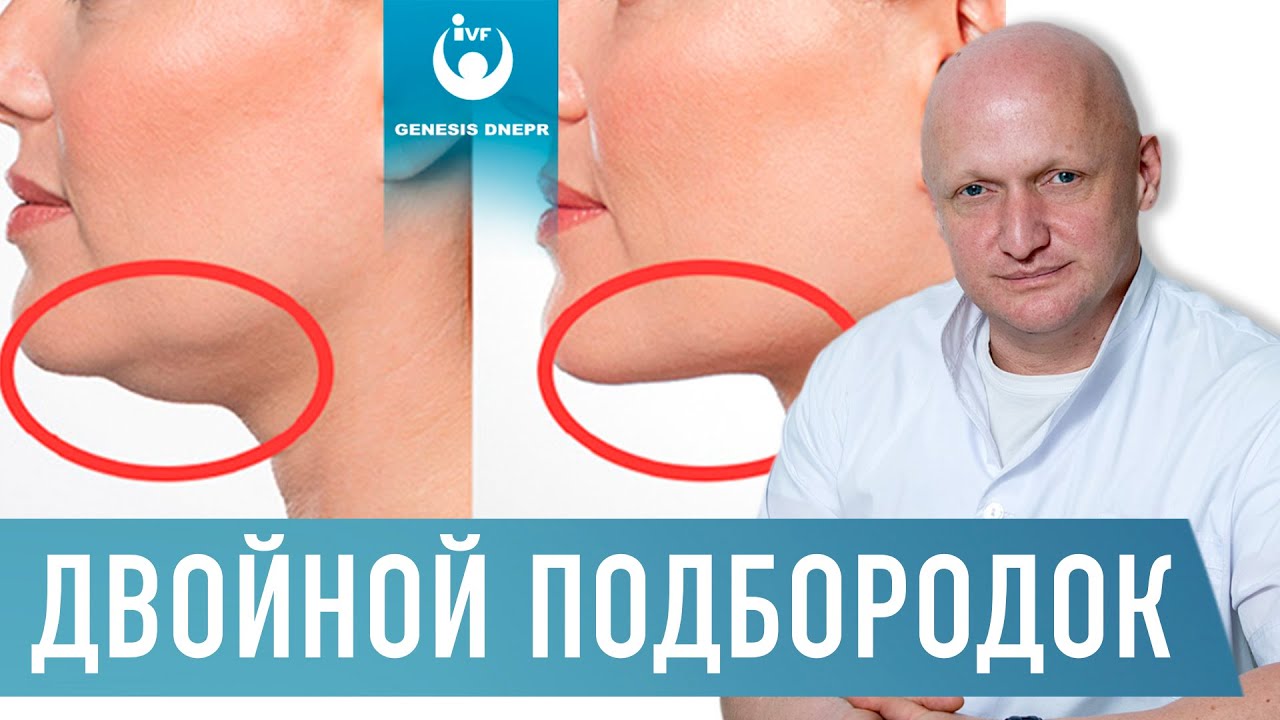
DOUBLE CHIN. How to get rid of a double chin? | Top-tier surgeon Shevtsov A.N.
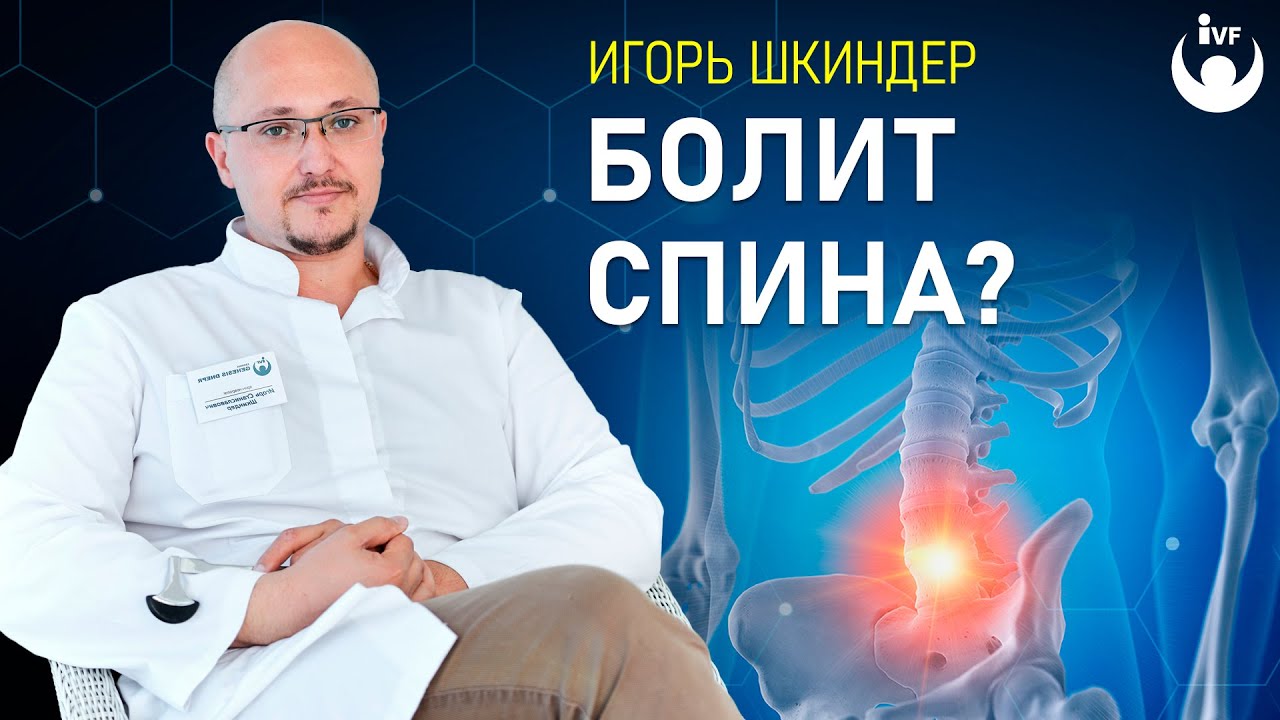
Why does the back hurt? Explained by neurologist Igor Shkinder.
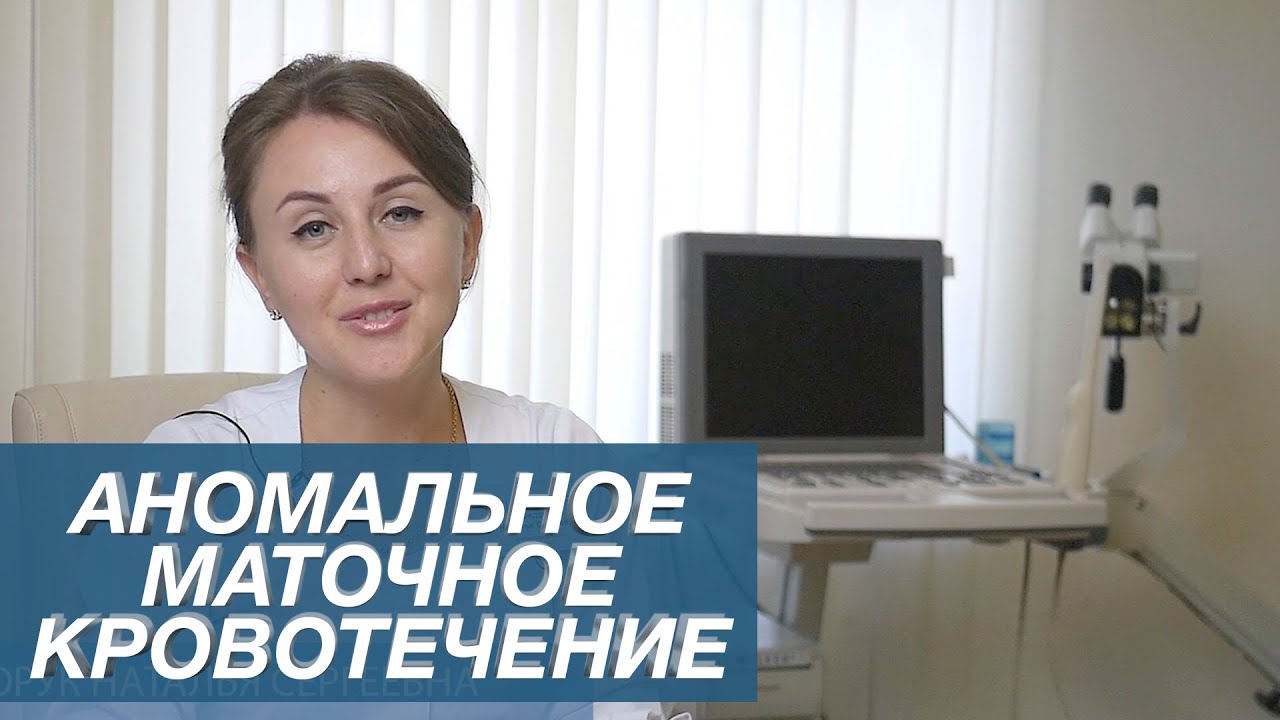
ABNORMAL UTERINE BLEEDING. Method of treating AUB. Gynecologist Fedoruk Natalia
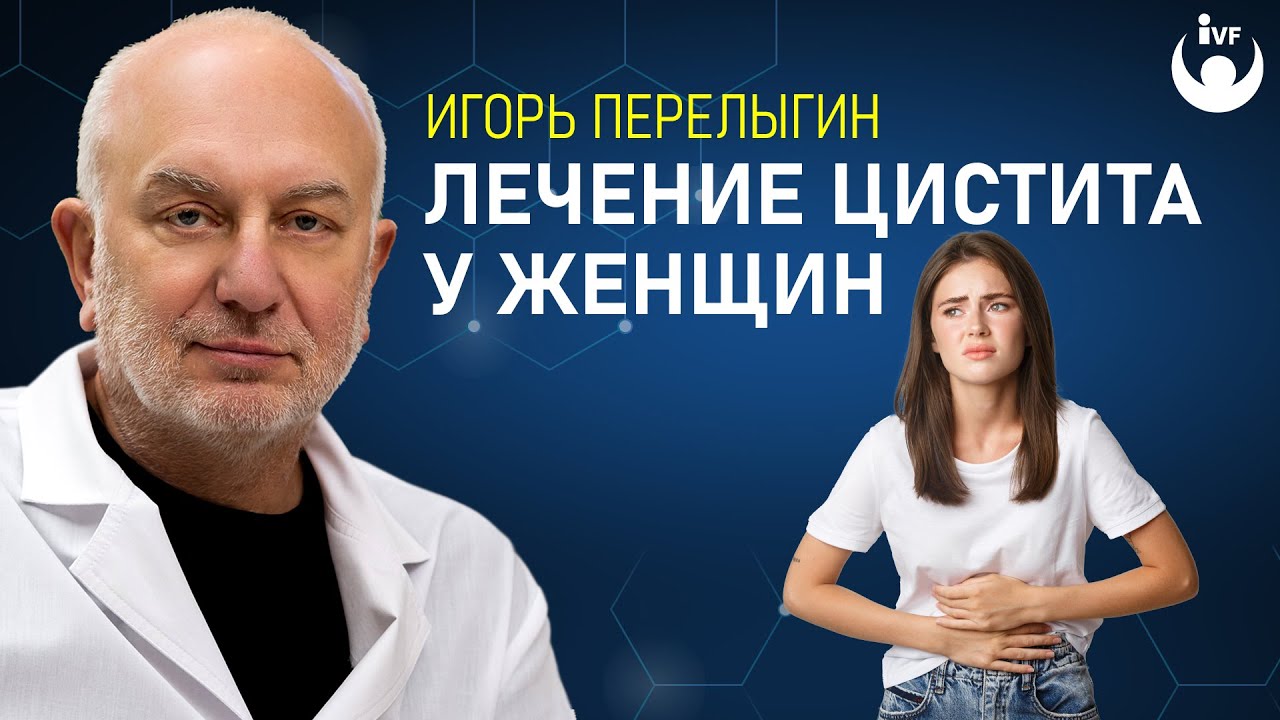
Effective treatment of cystitis in women. Treatment of chronic and acute cystitis. Causes of cystitis.
1. ЗАПИС ПО ТЕЛЕФОНУ:
+38(067) 544-68-282. ЗАПИСЬ ЧЕРЕЗ АНКЕТУ:
Анкета слугує для попереднього знайомства лікаря з медичною інформацією про Вас та дає можливість записатися на платну чи безкоштовну консультацію ...
+38 0963701324
долгота: 35.0320729


