
Gastroscopy is an examination of the esophagus, stomach, and duodenum using a gastroscope, a special instrument that is in...
Gastroscopy is an examination of the esophagus, stomach, and duodenum using a gastroscope, a special instrument that is inserted through the patient's mouth.
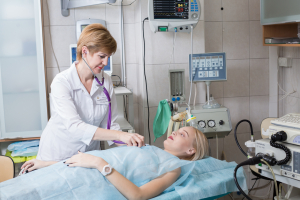
We have made this procedure as comfortable as possible—it is performed under medication-induced sleep. Additionally, for the convenience of our patients, we offer the option to undergo two examinations in one visit—gastroscopy and colonoscopy.
Indications for gastroscopy include:
- gastritis;
- duodenitis (inflammation of the duodenum);
- esophagitis (inflammation of the esophageal lining);
- stomach or duodenal ulcers;
- suspicion of tumors or bleeding in the aforementioned organs.
- We have our own clinical diagnostic laboratory;
- We perform gastro- and colonoscopy without pain and discomfort during medical sleep;
- We conduct examinations at the clinic, which is equipped with everything necessary for providing parallel services: operating rooms, inpatient care, and consultations with related medical specialists.
- For further treatment, we use cordyceps, Milan cocktail...
- We have our own clinical diagnostic laboratory;
- We perform gastro- and colonoscopy without pain and discomfort during medical sleep;
- We conduct examinations at the clinic, which is equipped with everything necessary for providing parallel services: operating rooms, inpatient care, and consultations with related medical specialists.
- For further treatment, we use cordyceps, Milan cocktail, and biopellets for effectiveness.

Snezinsky Sergey Ivanovich
Doctor-endoscopist of the highest category, with 31 years of experience
Gastroscopy, colonoscopy, endoscopic polypectomy, endoscopic intraluminal pH-metry of the upper gastrointestinal tract, therapeutic PDT - photodynamic therapy.

Litovchenko Denis Sergeevich
General practitioner, family doctor, gastroenterologist.
General therapy, program curator for comprehensive examinations. Initial diagnosis of diseases in therapeutic and rheumatological profiles. Performing procedures and interpreting results: ultrasound densitometry, spirometry, ECG, bioimpedance analysis. Therapeutic issues during pregnancy and preparation for IVF. Managing patients with multiple conditions – diabetes, obesity, renal failure, autoimmune diseases...
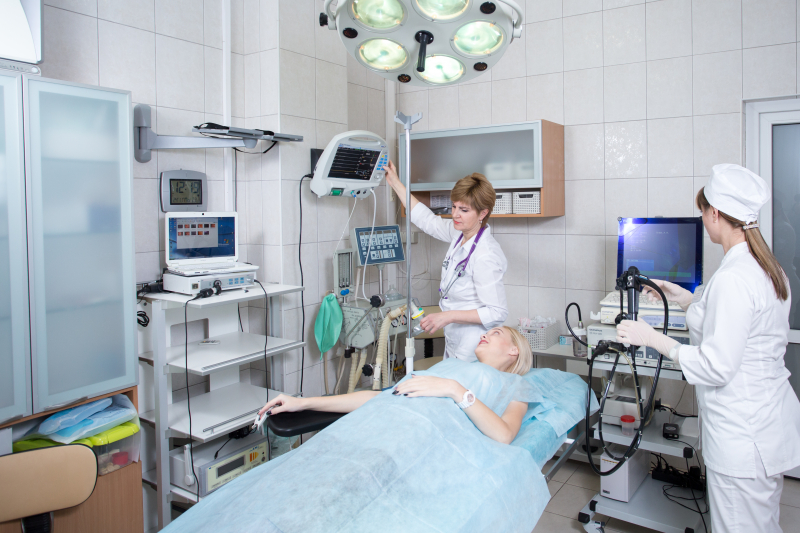
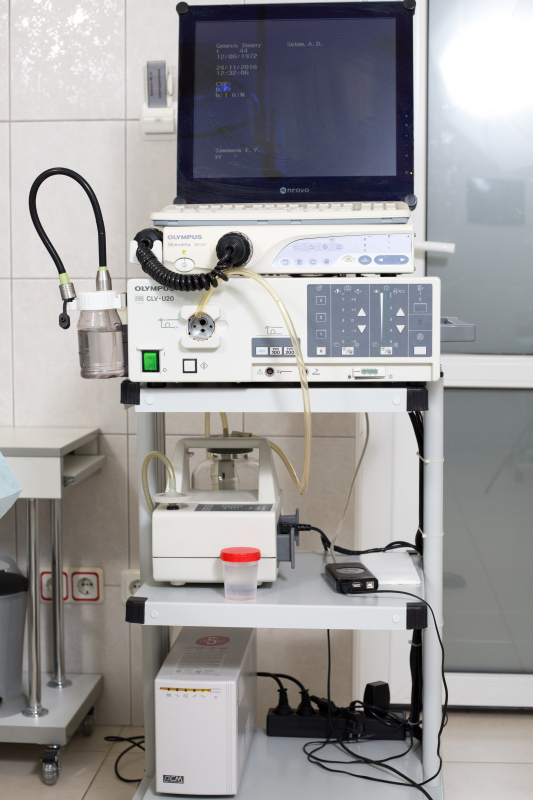

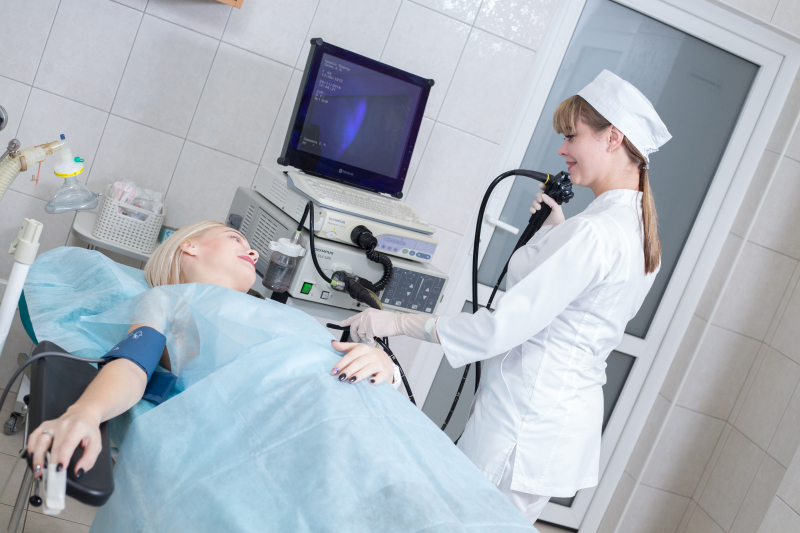
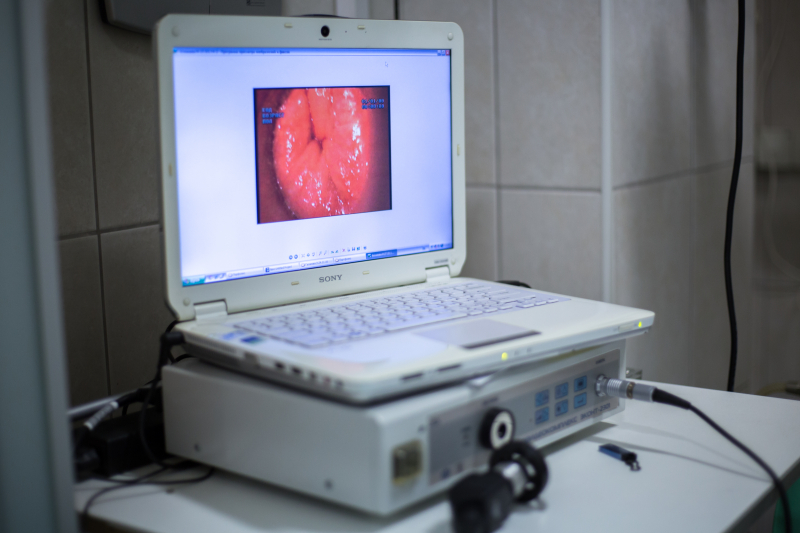
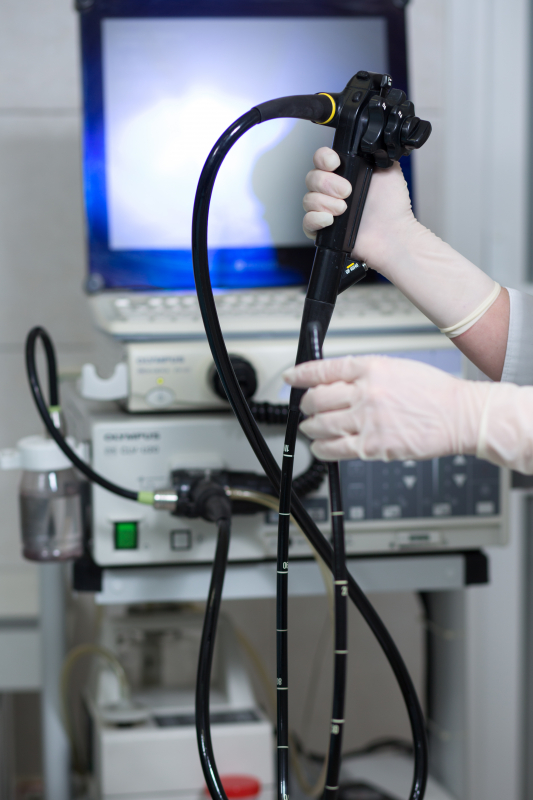
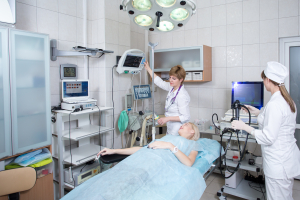
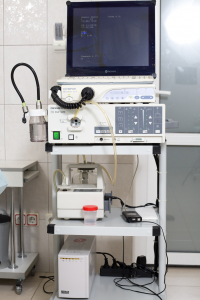
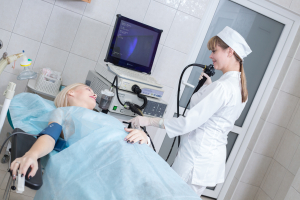
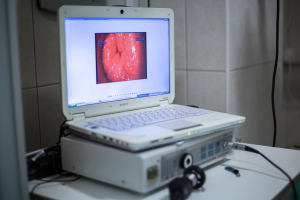
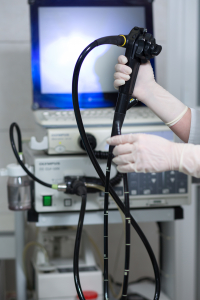
To diagnose gastritis, a doctor may recommend a gastroscopy. This procedure involves inserting a thin, flexible tube with a camera at the end through the mouth into the stomach to visualize the lining and take tissue samples for analysis. Gastroscopy is a safe and painless procedure that allows for the detection of any damage or abnormalities in the stomach lining and provides an accurate diagnosis. Additionally, it can be used to treat certain conditions, such as stomach ulcers or the removal of polyps. During gastroscopy, we perform: photo and video recording, and a test for Helicobacter pylori.
It is important to follow the doctor's instructions before the procedure and inform them if you are taking blood-thinning medications or suffer from cardiovascular or respiratory diseases. After the gastroscopy, you can return to normal activities, but it is recommended to avoid irritating foods and alcohol for a few days. If symptoms persist or worsen, it is important to consult the doctor again for an evaluation of additional treatment options.
Under medication-induced sleep, the patient is in a state of drowsiness but can still breathe independently and respond to the doctor's commands. Doctors typically use short-acting medications so that the patient can quickly awaken after the procedure.
Before undergoing gastroscopy under medication-induced sleep, it is important to inform the doctor of any allergic reactions to medications or any medications currently being taken. After the procedure, it is advised that the patient does not drive or make important decisions for 24 hours until the effects of the sedative have completely worn off.
The determination of stomach acidity is carried out using special tests, such as gastrofibroscopy or gastroesophageal refluxometry. During these tests, the pH level of the gastric juice is measured, which indicates its acidity.
The normal level of stomach acidity ranges from 1.5 to 3.5 pH. With increased acidity (below 1.5 pH), various problems may arise, such as gastritis, stomach ulcers, or esophagitis. With decreased acidity (above 3.5 pH), dyspepsia (digestive disorder) or reactions to medications may occur.
Determining stomach acidity may be necessary for diagnosing various gastrointestinal tract diseases. It can also be conducted to assess the effectiveness of treatment or monitor the patient's condition.
To conduct the test, certain preparations are usually required, including restricting food and liquid intake before the procedure. It may also be necessary to discontinue medications that affect stomach acidity.
Determining stomach acidity is an important procedure for diagnosing and monitoring gastrointestinal tract diseases. Therefore, if a doctor recommends it, it is important to follow their recommendations and undergo the procedure within the specified timeframe. This will help identify potential problems and prevent their development.
There are several methods to determine the presence of Helicobacter pylori:
1. Antibody test for Helicobacter pylori. This test is based on detecting antibodies to the bacterium in the patient's blood. However, it is not always accurate, as antibodies can remain in the body even after the bacterium has been eradicated.
2. Breath test for Helicobacter pylori. In this test, the patient is asked to drink a solution containing carbon acid with a labeled isotope. If Helicobacter pylori is present in the stomach, it will release carbon dioxide, which can be detected in the exhaled air.
3. Gastroscopy with biopsy. This method involves using a special instrument (fibrogastroscope) to take a tissue sample from the stomach for further examination for the presence of the bacterium.
4. Antimicrobial susceptibility test. This test is conducted if Helicobacter pylori is detected to determine which antibiotics will be most effective in treating the infection.
Preparation for the Helicobacter pylori test may include discontinuing the use of antacids and medications that affect stomach acidity several days before the procedure. Dietary restrictions and fasting may also be required before the test.
If you have symptoms indicating a possible presence of Helicobacter pylori or are at risk of contracting this bacterium, you may be advised to undergo testing. In the case of a positive result, it is necessary to discuss a treatment plan with your doctor. It is important to remember that treatment for Helicobacter pylori should only be prescribed by a doctor and conducted under their supervision.
The biopsy procedure can be performed during a gastroscopy. The doctor inserts an endoscope with a tool for taking a tissue sample through the patient's mouth and down to the stomach. Then, a small tissue sample is taken using the tool and sent to a laboratory for further analysis.
Typically, a stomach biopsy does not cause significant pain, as it is performed under local anesthesia. However, after the procedure, the patient may experience slight discomfort in the throat or stomach.
The biopsy results may be ready in a few days or weeks, depending on the chosen method of analysis. The doctor usually discusses the results with the patient and recommends further actions based on the findings.
A stomach biopsy is an important procedure for diagnosing various stomach diseases and preventing complications. Therefore, if a doctor recommends this procedure, it is important to follow their advice and not delay it.
The removal of stomach polyps can be performed during a gastroscopy using a special instrument. The doctor inserts an endoscope with a tool for removing polyps through the patient's mouth and into the stomach. Then, the polyps are removed using various techniques, such as electrocautery or snaring.
After the procedure, the patient may experience slight discomfort in the throat or stomach, which usually subsides within a few days. The doctor may also recommend dietary restrictions and prescribe medication to alleviate pain.
The removed polyps are sent for further examination in a laboratory to determine their nature and the potential for malignant changes.
Polypectomy is an important procedure for preventing the development of stomach cancer and may be recommended if polyps are detected during a gastroscopy or if there are risk factors for their appearance. Therefore, it is important to follow the doctor's recommendations and undergo polypectomy if necessary.
In the case of stomach treatment, PDT can be used to treat cancer or precancerous conditions such as dysplasia or Barrett's esophagus. The procedure is carried out in several stages:
1. Administration of the photosensitizing agent. The patient is given an intravenous catheter, and the photosensitizing agent is administered intravenously, which accumulates in the cancer cells.
2. Waiting period. After the administration of the agent, the patient needs to wait several hours to allow the agent to accumulate in the tumor.
3. Use of a special light source. After the waiting period, an endoscope with a light source is introduced to the patient and directed at the cancerous tissue. The light activates the photosensitizing agent, leading to the destruction of cancer cells.
4. Use of a laser. If the cancer cells are located in the deeper layers of the stomach, a laser may be required to activate the photosensitizing agent.
After the procedure, the patient may experience some discomfort in the stomach or throat, which usually subsides within a few days. The doctor may also recommend dietary restrictions and medications to alleviate pain.
Photodynamic therapy can be effective in treating stomach cancer; however, its effectiveness may depend on the stage and characteristics of the tumor. Therefore, it is important to discuss all possible treatment options with a doctor and choose the most appropriate one for each specific case.
GCS is performed using a special instrument called an endoscope, which is inserted through the mouth and the anal opening. Thanks to high-quality optical equipment, the doctor can thoroughly examine the walls of the stomach and intestines, assess the condition of the mucous membrane, and identify any abnormalities.
One of the main advantages of simultaneous gastro-colonoscopy is the ability to immediately perform a biopsy (take tissue samples for further study) or remove polyps and other pathological formations. This helps avoid additional procedures and reduces the risk of complications.
Moreover, simultaneous gastro-colonoscopy is a more economical option, as patients do not need to undergo two separate procedures, and less time is spent on preparation for the examination.
However, before undergoing simultaneous gastro-colonoscopy, it is necessary to consult with a doctor and undergo a preliminary examination, as this method is not suitable for all patients.
For the convenience and comfort of patients, we perform this procedure under medication-induced sleep.
Simultaneous gastro-colonoscopy is an effective and convenient method for examining the stomach and intestines, allowing for the detection of pathologies and the necessary treatment.
Tour of Genesis Dnepr Clinic | Maternity Ward, Plastic Surgery, Therapy, Detoxification...

About Genesis Dnepr Clinic / Genesis Dnepr Clinic
Is the human papillomavirus (HPV) dangerous? Papilloma in women and cervical cancer. Gynecologist V.G. Kostenko.

Lipofilling | Liposculpture of the face, neck, hands, and entire body. Mario Goisis and Igor Perelygin.

Breast surgery, lift, and augmentation. Mammoplasty. Breast augmentation with implants, lipofilling.
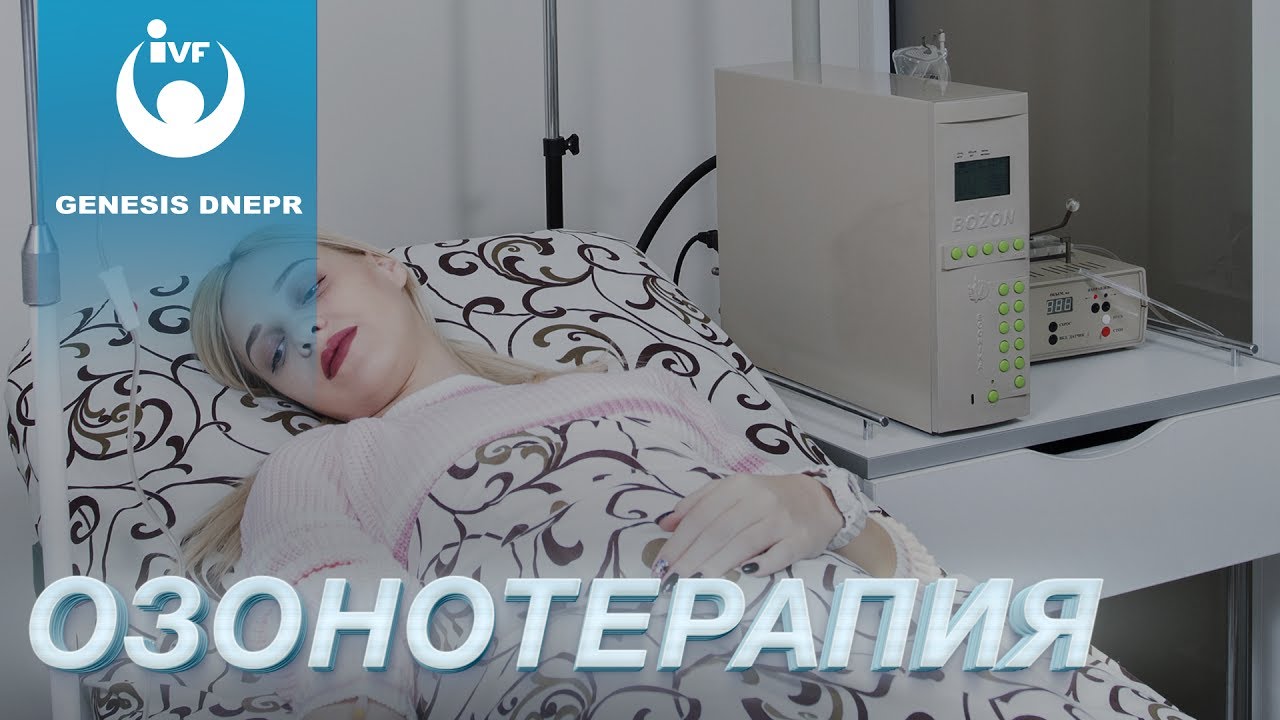
Ozone therapy is a form of alternative medicine treatment that uses ozone gas to improve the body's intake and use of oxygen and to activate the immune system. It is applied in various ways, including injections, insufflation, or topical application. **Applications and Indications:** - Ozone therapy is used for a variety of conditions, including infections, wounds, circulatory disorders, and immune-related diseases. - It is believed to help in detoxification, improve circulation, and enhance the body's natural healing processes. **Prevention and Treatment:** - Ozone therapy is sometimes used as a preventive measure to boost the immune system and improve overall health. - It is also used in the treatment of chronic conditions, such as arthritis, diabetes, and cardiovascular diseases. **Genesis Dnepr Clinic:** - The Genesis Dnepr Clinic may offer ozone therapy as part of its range of treatments, focusing on both preventive care and the management of specific health conditions.

Bioidentical therapy, pellets, bioidentical hormones. Interview with Dr. Igor Perelygin.

How to survive after a stroke?

Pregnancy management at Genesis Dnepr Clinic.
1. ЗАПИСЬ ПО ТЕЛЕФОНУ:
+38(067) 544-68-282. ЗАПИСЬ ЧЕРЕЗ АНКЕТУ:
Анкета служит для предварительного знакомства врача с медицинской информацией о Вас и дает возможность записаться на платную или бесплатную консультацию ...
+38 0963701324
The Helicobacter pylori test can include various methods such as:
1. Breath test: The patient drinks a solution containing labeled carbon, which will be released in the breath if a Helicobacter pylori infection is pres...
The Helicobacter pylori test can include various methods such as:
1. Breath test: The patient drinks a solution containing labeled carbon, which will be released in the breath if a Helicobacter pylori infection is present.
2. Blood test: A blood test to detect antibodies to Helicobacter pylori.
3. Biopsy: During an endoscopy, a tissue sample is taken from the stomach or duodenum for further examination for the presence of the bacterium.
The Helicobacter pylori test is necessary to determine the presence or absence of an infection by this bacterium. If the infection is confirmed, treatment with antibiotics and other medications may be prescribed to eradicate the bacterium and treat related diseases.
долгота: 35.0320729


