
When should you see a gastroenterologist?
- Abdominal pain, discomfort
- Heartburn, belching, nausea, vomiting
- Bloating, flatulence
- Bowel movement issues
- Overweight, obesity
- Underweight
- Dryness or taste (bitterness) in the mouth, bad breath
- Stomach pain, pain in the upper abdomen, intestinal pain
- Vomiting or unusual colored discharge — indications for immediate medical attention.
We us...
When should you see a gastroenterologist?
- Abdominal pain, discomfort
- Heartburn, belching, nausea, vomiting
- Bloating, flatulence
- Bowel movement issues
- Overweight, obesity
- Underweight
- Dryness or taste (bitterness) in the mouth, bad breath
- Stomach pain, pain in the upper abdomen, intestinal pain
- Vomiting or unusual colored discharge — indications for immediate medical attention.
We use cordyceps, Milan cocktail, and biopellets for effective treatment...
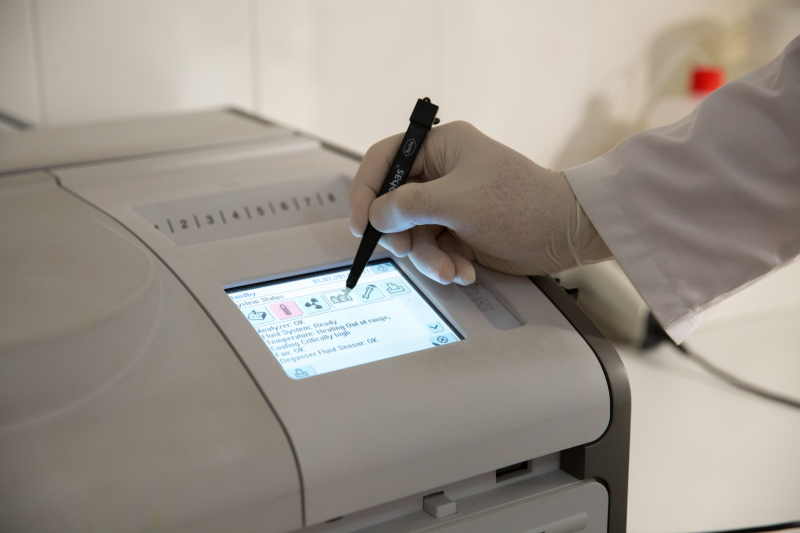
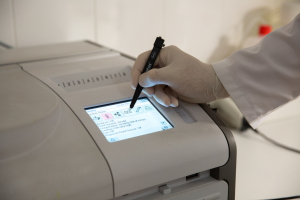
- We have our own clinical diagnostic laboratory.
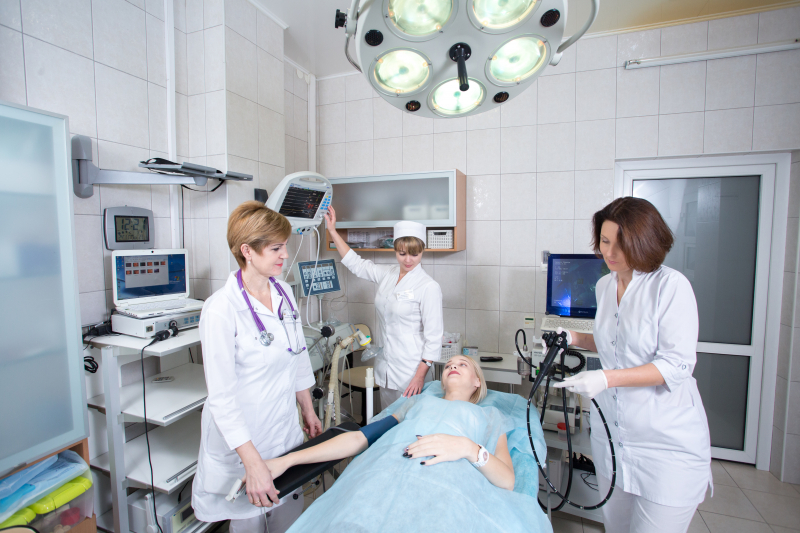
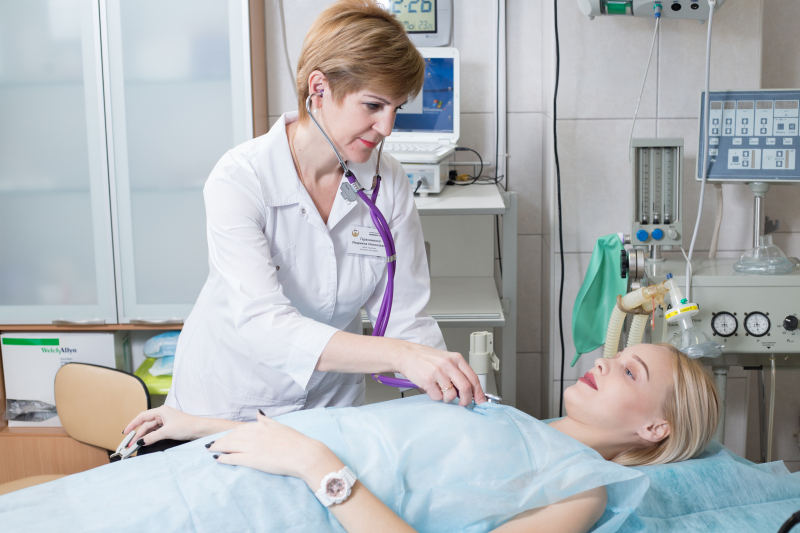
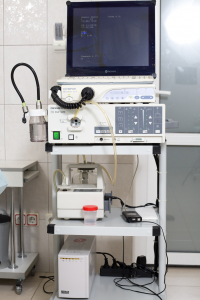
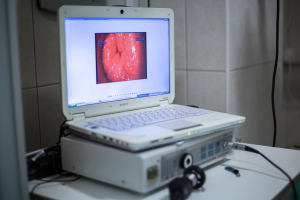
- We perform gastro- and colonoscopy without pain and discomfort during medical sedation.
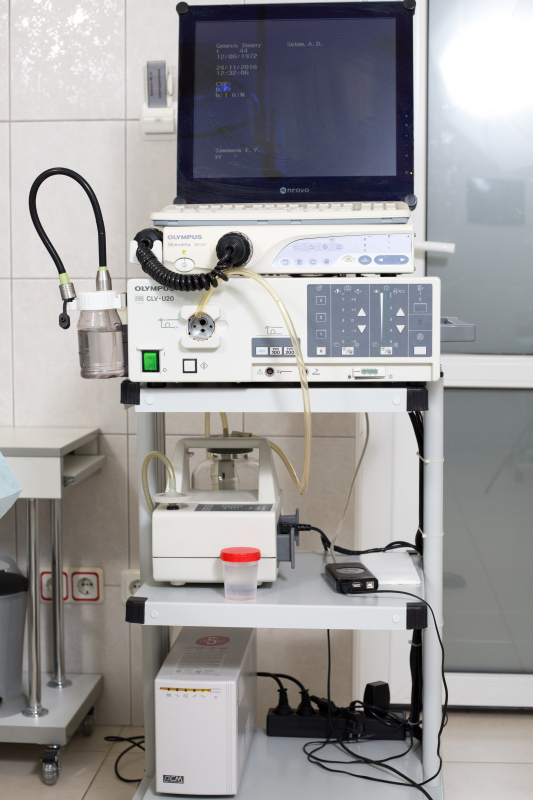
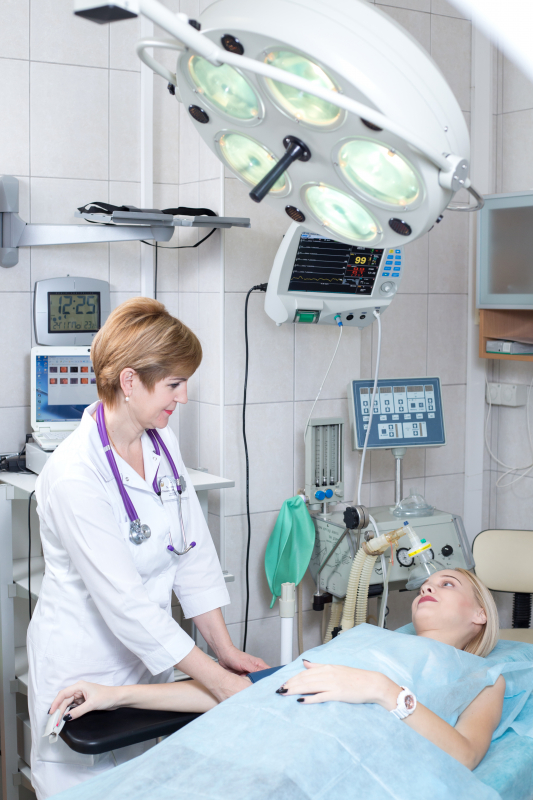
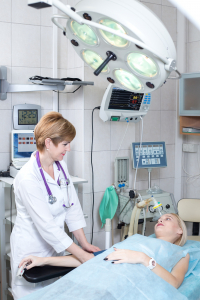
- The clinic has several well-equipped operating rooms.
- We offer 24-hour and day inpatient care.

Snezinsky Sergey Ivanovich
Doctor-endoscopist of the highest category, with 31 years of experience
Gastroscopy, colonoscopy, endoscopic polypectomy, endoscopic intraluminal pH-metry of the upper gastrointestinal tract, therapeutic PDT - photodynamic therapy.

Litovchenko Denis Sergeevich
General practitioner, family doctor, gastroenterologist.
General therapy, program curator for comprehensive examinations. Initial diagnosis of diseases in therapeutic and rheumatological profiles. Performing procedures and interpreting results: ultrasound densitometry, spirometry, ECG, bioimpedance analysis. Therapeutic issues during pregnancy and preparation for IVF. Managing patients with multiple conditions – diabetes, obesity, renal failure, autoimmune diseases...

Shevtsova Elena Nikolaevna
Gastroenterologist of the highest category
Diagnosis and treatment of gastrointestinal tract conditions: stomach and duodenal ulcers, polyps, dysbiosis, colitis, infestations, pancreatitis, gastritis, dysphagia, cholecystitis, irritable bowel syndrome, gallstone disease, and other pathologies.



Insulin resistance or excess weight. Treatment, symptoms, nutrition.
Reflux can manifest with various symptoms such as heartburn, a feeling of heaviness in the stomach, an acidic taste in the mouth, frequent burping, and even chest pain. Other symptoms may include coughing, difficulty swallowing, and increased saliva production.
Reflux is mainly caused by improper diet and lifestyle, such as consuming spicy and fatty foods, smoking, excessive alcohol consumption, and incorrect body posture after eating. However, in some cases, it may be associated with more serious conditions, such as a hiatal hernia or esophageal diseases.
Treatment for reflux may include lifestyle and dietary changes, taking medications that reduce stomach acid, and in some cases, surgical intervention may be necessary.
If you have symptoms of reflux, it is important to consult a doctor for diagnosis and appropriate treatment. It is also necessary to follow lifestyle change recommendations to prevent recurrent cases of reflux.
The causes of IBS are not fully understood, but it is believed that disrupted normal bowel motility and increased sensitivity to nerve impulses may play a role in the development of this syndrome. Risk factors may also include stress, poor diet, certain medications, and genetic predisposition.
Treatment for IBS focuses on managing symptoms and improving the patient's quality of life. It may include dietary changes, taking probiotics and medications to improve bowel motility, as well as stress-reduction methods such as yoga and meditation.
If you suspect you have IBS, it is important to consult a doctor for diagnosis and appropriate treatment. Follow your doctor's recommendations and try to avoid factors that may worsen the symptoms.
There are several types of hepatitis, with the most common being hepatitis A, B, and C. Hepatitis A is transmitted through contaminated food and water, while hepatitis B and C are transmitted through blood and sexual contact. Hepatitis B and C are chronic diseases and can lead to serious complications such as liver cirrhosis and liver cancer.
Symptoms of hepatitis may include fatigue, nausea, vomiting, jaundice of the skin and eyes, abdominal pain, loss of appetite, and others. However, some people may experience hepatitis without any symptoms.
Diagnosis of hepatitis involves blood tests to detect viruses and other disease markers, as well as liver ultrasound examinations. Treatment depends on the type of hepatitis and its severity but may include antiviral medications, dietary adjustments, abstaining from alcohol and other drugs, and other methods to support liver function.
Overall, prevention of hepatitis includes following personal hygiene rules, avoiding contact with infected blood and sexual transmission, and vaccinations against hepatitis A and B. It is also important to consult a doctor if symptoms of hepatitis appear for timely diagnosis and treatment.
Hepatitis is a serious disease that can lead to severe complications, but with proper diagnosis and treatment, full remission can be achieved, and liver health can be maintained. Follow your doctor's recommendations and adhere to preventive measures to prevent the development of this disease.
The main causes of gallstone disease include cholesterol metabolism disorders, elevated bilirubin levels, and impaired gallbladder function. The risk of developing the disease also increases with the presence of diabetes, obesity, hormonal disorders, and certain other conditions.
Symptoms of gallstone disease may include acute pain in the right upper abdomen, nausea, vomiting, digestive disorders, jaundice of the skin and sclera of the eyes. In some cases, stones can block the bile ducts and cause acute circulatory disturbances in the liver, leading to serious complications.
Diagnosis of gallstone disease involves ultrasound examination of the gallbladder and bile ducts, blood and urine tests for disease markers, as well as computed tomography. Treatment depends on the severity of the disease and may include medication to dissolve stones, diet, physical exercise, and surgical intervention to remove stones.
Prevention of gallstone disease includes maintaining a healthy lifestyle, proper nutrition, moderate physical activity, and monitoring cholesterol and bilirubin levels in the blood. It is also important to consult a doctor if symptoms of gallstone disease appear for timely diagnosis and treatment.
Gallstone disease is a serious condition that can lead to complications, but with proper diagnosis and treatment, full recovery can be achieved. Follow your doctor's recommendations and adhere to preventive measures to prevent the development of this disease.
The main causes of pancreatitis include metabolic disorders in the body, alcohol or drug intoxication, digestive disorders, and the presence of gallstones. The risk of developing the disease also increases with conditions such as diabetes, obesity, hormonal imbalances, and certain other diseases.
Symptoms of pancreatitis may include acute pain in the upper abdomen, nausea, vomiting, digestive disorders, elevated body temperature, and weakness. In cases of chronic pancreatitis, there may be abdominal pain after eating, weight loss, and digestive disturbances.
Diagnosis of pancreatitis involves an ultrasound examination of the pancreas, blood tests for markers of inflammation and organ function, as well as a CT scan. Treatment depends on the severity of the disease and may include medication to reduce inflammation, diet, physical exercise, and in some cases, surgical intervention may be necessary.
Overall, prevention of pancreatitis involves maintaining a healthy lifestyle, proper nutrition, moderate physical activity, and monitoring cholesterol and glucose levels in the blood. It is also important to consult a doctor if symptoms of pancreatitis appear for timely diagnosis and treatment.
Pancreatitis is a serious condition that can lead to complications, but with proper diagnosis and treatment, full recovery is possible. Follow your doctor's recommendations and adhere to preventive measures to prevent the development of this disease.
The main cause of peptic ulcer disease is the bacterium Helicobacter pylori, which can penetrate the stomach or intestinal lining, causing inflammation and subsequently ulcer formation. The risk of developing the disease is also increased by the presence of gastritis, smoking, alcohol consumption, and certain other factors.
Symptoms of peptic ulcer disease may include upper abdominal pain, nausea, vomiting, heartburn, appetite disturbances, and weight loss. In some cases, bleeding from the ulcer may occur, requiring urgent medical attention.
Diagnosis of peptic ulcer disease involves gastroscopy, an examination of the stomach and intestinal lining using a special instrument, as well as blood tests for the presence of Helicobacter pylori. Treatment may include taking medications to eradicate the bacteria, antacids to reduce stomach acidity, as well as diet and elimination of risk factors.
It is important to understand that peptic ulcer disease can progress and lead to serious complications, so it is crucial to consult a doctor at the first symptoms. It is also important to follow the doctor's recommendations and undergo regular examinations to monitor the condition of the lining.
Prevention of peptic ulcer disease includes quitting smoking and alcohol consumption, proper nutrition, stress management, and regular check-ups.
The main causes of Crohn's disease include immune system disorders and genetic predisposition. Risk factors may also include smoking, poor diet, and stress.
Symptoms of Crohn's disease can include abdominal pain, diarrhea, bloody stools, appetite disorders, fatigue, and weight loss. In some cases, complications such as the formation of abnormal passages between different organs or abscesses may occur.
Various methods are used to diagnose Crohn's disease, including gastroscopy, colonoscopy, X-rays, and computed tomography. Blood and stool tests may also be conducted to check for inflammation.
Treatment for Crohn's disease aims to reduce inflammation and symptoms, as well as prevent complications. It includes medication, diet, and the elimination of risk factors. In some cases, surgery may be necessary to remove affected sections of the intestine.
It is important to understand that Crohn's disease is a chronic condition requiring ongoing management and treatment. At the first signs of symptoms, it is essential to consult a doctor for diagnosis and appropriate treatment. It is also important to follow the doctor's recommendations and undergo regular check-ups to monitor the condition.
Prevention of Crohn's disease includes quitting smoking, maintaining a healthy diet, managing stress, and regular screenings to detect the disease at an early stage.
The gastroscopy procedure is conducted in a specially equipped procedure room under local anesthesia or general anesthesia. The patient is asked to swallow the gastroscope, after which the doctor slowly inserts it into the stomach and esophagus. During the procedure, the patient may feel slight pressure and discomfort in the chest, but these are normal sensations and they pass quickly.
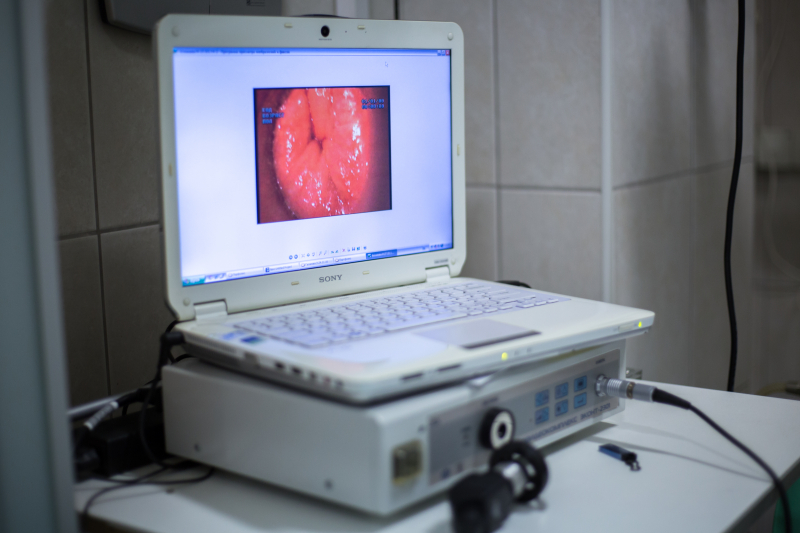
Using the gastroscope, the doctor assesses the condition of the stomach lining, the presence of ulcers, tumors, inflammatory processes, and other pathologies. During gastroscopy, a biopsy (tissue sample) can also be taken for further examination under a microscope. This allows for an accurate diagnosis and appropriate treatment to be prescribed.
Gastroscopy is a safe procedure; however, like any medical method, it can have a number of complications, such as bleeding, damage to the mucous membrane, or infection. However, thanks to the use of modern equipment and qualified medical personnel, the risk of complications is minimal.
After gastroscopy, the patient may feel some discomfort and soreness in the throat, but these are normal sensations and they pass quickly. It is recommended to refrain from eating and drinking for several hours after the procedure to avoid vomiting. It is also important to follow the doctor's recommendations regarding further diet and medication intake.
Gastroscopy is a safe and effective method for examining the stomach, which allows for the identification of the cause of gastrointestinal tract diseases and the prescription of appropriate treatment. Therefore, if you have symptoms related to the stomach or esophagus, be sure to consult a doctor and undergo gastroscopy to obtain an accurate diagnosis and effective treatment.

Plasmapheresis (blood purification) for improving the condition of facial and body skin. Genesis Dnepr Clinic.
Is the human papillomavirus (HPV) dangerous? Papilloma in women and cervical cancer. Gynecologist V.G. Kostenko.

Bioidentical therapy, pellets, bioidentical hormones. Interview with Dr. Igor Perelygin.
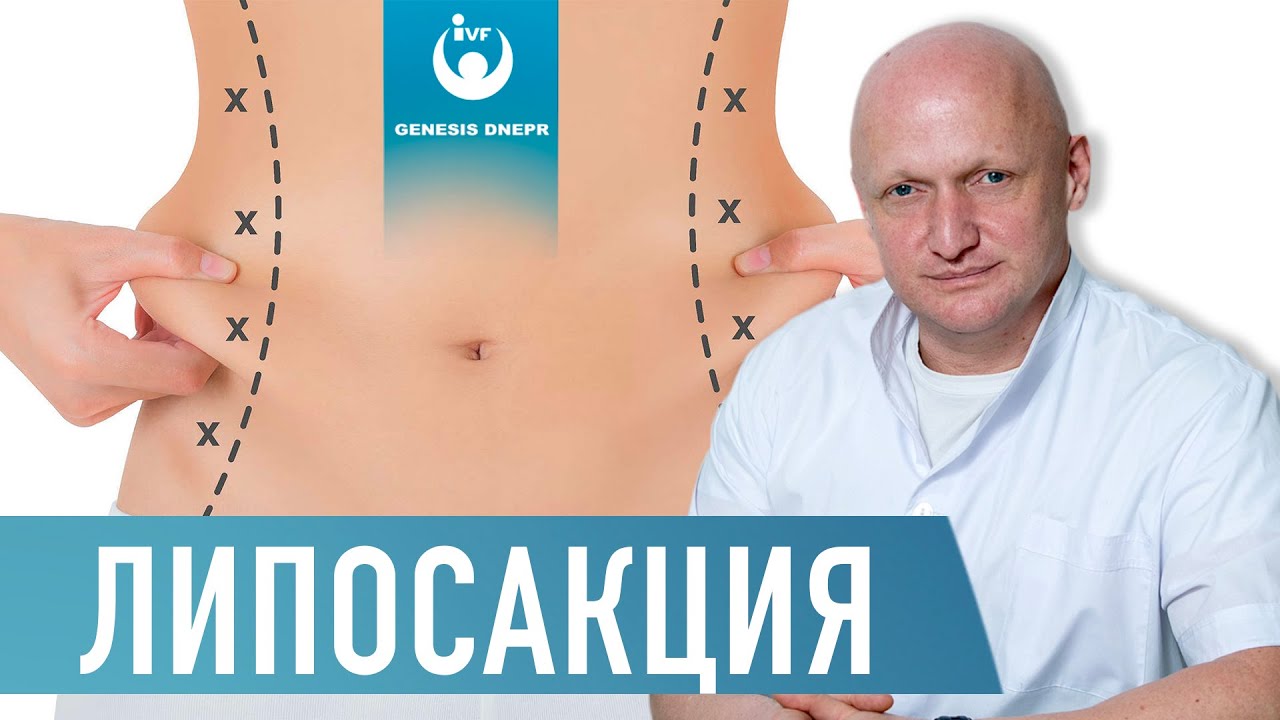
What is LIPOSUCTION? Laser liposuction, vibroliposuction, ultrasonic liposuction.|Surgeon Shevtsov

Treatment of anal fissure. Proctology at "Genesis Dnipro". Proctologist Olga Ryabchinskaya.
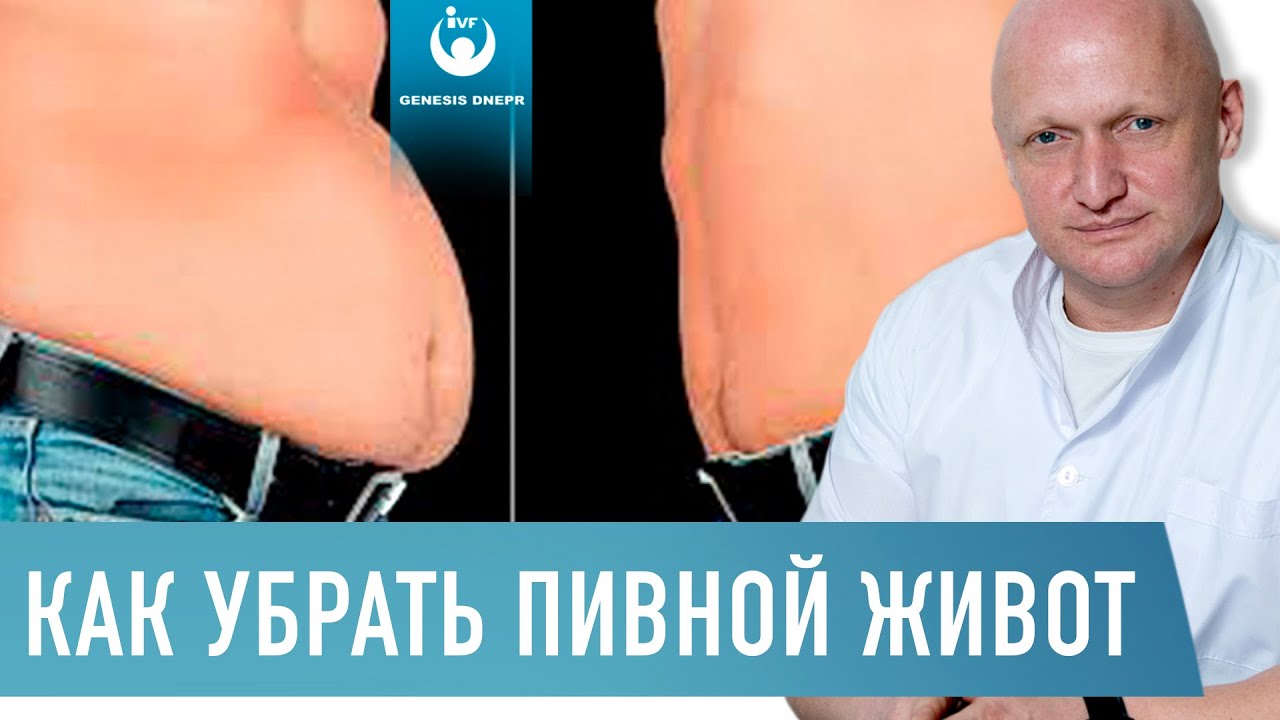
Tummy tuck for men. Abdominoplasty. How to get rid of a beer belly in one day. Surgeon Shevtsov.

Varicocele in Men: Risks, Diagnosis, and Treatment. Marmar Surgery | Surgeon Shevtsov A.N.
Bioidentical therapy, pellets, bioidentical hormones. Interview with Dr. Igor Perelygin.

Lipofilling | Liposculpture of the face, neck, hands, and entire body. Mario Goisis and Igor Perelygin.
1. ЗАПИС ПО ТЕЛЕФОНУ:
+38(067) 544-68-282. ЗАПИСЬ ЧЕРЕЗ АНКЕТУ:
Анкета слугує для попереднього знайомства лікаря з медичною інформацією про Вас та дає можливість записатися на платну чи безкоштовну консультацію ...
+38 0963701324
долгота: 35.0320729


