
A planned gallbladder removal su...
A planned gallbladder removal surgery is completely safe and much easier to undergo than emergency interventions performed for urgent indications. Therefore, as soon as stones or other gallbladder pathologies are detected, it is better to schedule the surgery immediately.
Indications for gallbladder removal:
- Gallstone disease with episodes of biliary colic, when stones disrupt the gallbladder's function and cause discomfort.
- Chronic acalculous cholecystitis.
- Acute cholecystitis (in some cases).
- Changes in the gallbladder wall (porcelain gallbladder).
- Severe forms of biliary dyskinesia.

Antipov Gennady Vladimirovich
Surgeon of the highest category
GENERAL SURGERY, PROCTOLOGY, UROLOGY. Excision of hernias of any location. Surgical treatment of soft tissue diseases: lipoma, atheroma, fibroma, hygroma. Proctology - HAL RAR.

Shevchenko Valery Yuryevich
Surgeon of the highest category
General surgery, abdominal surgery, laparoscopy.

Lysunets Pavel Borisovich
Surgeon of the highest category. European Association for Endoscopic Surgery (EAES)
General surgery. Laparoscopic, endoscopic, and traditional procedures on soft tissues, abdominal organs, and more. Removal of the appendix, hernias of various locations, rectal polyps...

Tereshenko Maksim Sergeevich
Surgical Oncologist
Insertion of a venous port system, general surgery, removal of skin lesions on the body and head, treatment of basal cell carcinoma and other oncological neoplasms...








Cholecystectomy can be performed as either open surgery (through a large incision in the abdominal wall) or laparoscopic surgery (through several small incisions). In both cases, the surgeon removes the gallbladder and, if necessary, any stones that may be inside it.
The main reasons for performing a cholecystectomy are gallstones and other gallbladder diseases, such as chronic cholecystitis. Gallstones can cause severe abdominal pain, nausea, and vomiting, and can lead to complications such as inflammation of the gallbladder or pancreas.
The cholecystectomy procedure is usually performed under general anesthesia and can take from 1 to 2 hours. The surgeon makes incisions in the abdominal wall and inserts the instruments needed to remove the gallbladder. Then, the gallbladder is detached from the surrounding tissues and vessels and removed through one of the incisions. After that, the incisions are closed with stitches or special tapes.
After the surgery, patients are usually advised to stay in the hospital for 1-2 days for observation and recovery. Although most people feel better within a few days after the surgery, full recovery may take several weeks.
The main advantage of laparoscopic cholecystectomy is that it is less invasive and has fewer complications compared to open surgery. Also, due to the smaller incisions, patients experience less pain and have more cosmetically pleasing scars after the operation.
However, as with any surgical procedure, cholecystectomy can have risks and complications, such as bleeding, infections, and damage to surrounding organs. Therefore, it is necessary to consult with an experienced surgeon before the operation and discuss all possible risks and benefits.
Overall, cholecystectomy is an effective procedure for treating gallbladder diseases, which can be performed as either open or laparoscopic surgery. Laparoscopic cholecystectomy is a more innovative and less invasive method that provides faster recovery and fewer complications for patients. However, it is important to consult with an experienced surgeon before the operation and choose the most appropriate treatment method for each specific case.
The procedure of laparoscopic cholecystectomy begins with the administration of general anesthesia. Then, the surgeon makes several small incisions in the abdominal wall and inserts a laparoscope—a thin tubular instrument with a camera at the end. The camera transmits images to a monitor, allowing the surgeon to see the organs inside the abdominal cavity.
Using the laparoscope, the surgeon removes the gallbladder and any stones that may be inside it. In some cases, additional instruments may be needed to remove stones or clean surrounding tissues.
After the gallbladder is removed, the surgeon closes the incisions with stitches or special tapes. In most cases, patients can leave the hospital the same day or the day after the surgery.
Laparoscopic cholecystectomy has several advantages over open cholecystectomy. It is safer, less painful, and allows for faster recovery. Additionally, due to smaller incisions, patients are left with more cosmetically pleasing scars.
However, like any surgical procedure, laparoscopic cholecystectomy can have risks and complications, such as bleeding, infections, and damage to surrounding organs. Therefore, it is necessary to consult with an experienced surgeon before the operation and discuss all possible risks and benefits.
Laparoscopic cholecystectomy is an effective and innovative method for treating gallbladder diseases. It allows patients to recover faster and have fewer complications after surgery. However, it is essential to consult with an experienced surgeon before the operation and choose the most suitable treatment method for each specific case.
The procedure begins with the administration of general anesthesia. Then, the surgeon makes an incision in the abdominal wall, usually on the right side of the abdomen. The surgeon then removes the gallbladder and any stones that may be inside it. In some cases, additional tools may be needed to remove stones or clean the surrounding tissues.
After the gallbladder is removed, the surgeon closes the incision with stitches or special tapes. In most cases, patients can leave the hospital a few days after the surgery.
Open cholecystectomy has several advantages, such as the ability to more accurately examine and access the organs within the abdominal cavity, which can be useful in complex cases or complications. It may also be the preferred method for people with certain diseases or anatomical features.
However, open cholecystectomy carries a higher risk of complications and a longer recovery period compared to laparoscopic cholecystectomy. Additionally, patients may have more noticeable scars after the surgery.
The choice between laparoscopic and open cholecystectomy depends on the individual characteristics of each patient and the surgeon's recommendations. Both methods have their advantages and disadvantages, and it is necessary to consult with an experienced specialist before undergoing the surgery.
The procedure begins with the administration of general anesthesia. Then, the surgeon makes several small incisions in the abdominal wall, through which thin tubes with a camera and instruments are inserted. Using the camera, the surgeon can observe the operation process on a screen and remove the gallbladder and stones with the instruments.
After the gallbladder is removed, the surgeon closes the incisions with stitches or special tapes. In most cases, patients can leave the hospital a few days after the surgery.
Miniature cholecystectomy has several advantages over open cholecystectomy, such as smaller scars, faster recovery, and a lower risk of complications. However, this method may not be effective enough for removing large stones or in complex cases.
The choice between miniature and open cholecystectomy depends on the individual characteristics of each patient and the surgeon's recommendations. Both methods have their advantages and disadvantages, and it is necessary to consult with an experienced specialist before undergoing the surgery.

Who is eligible for plasmapheresis (blood purification) for viruses and diseases? Genesis Dnepr Clinic.

Bioidentical therapy, pellets, bioidentical hormones. Interview with Dr. Igor Perelygin.

Treatment of anal fissure. Proctology at "Genesis Dnipro". Proctologist Olga Ryabchinskaya.

Lipofilling | Liposculpture of the face, neck, hands, and entire body. Mario Goisis and Igor Perelygin.

Urinary incontinence in women. Laser treatment without pain and surgery.
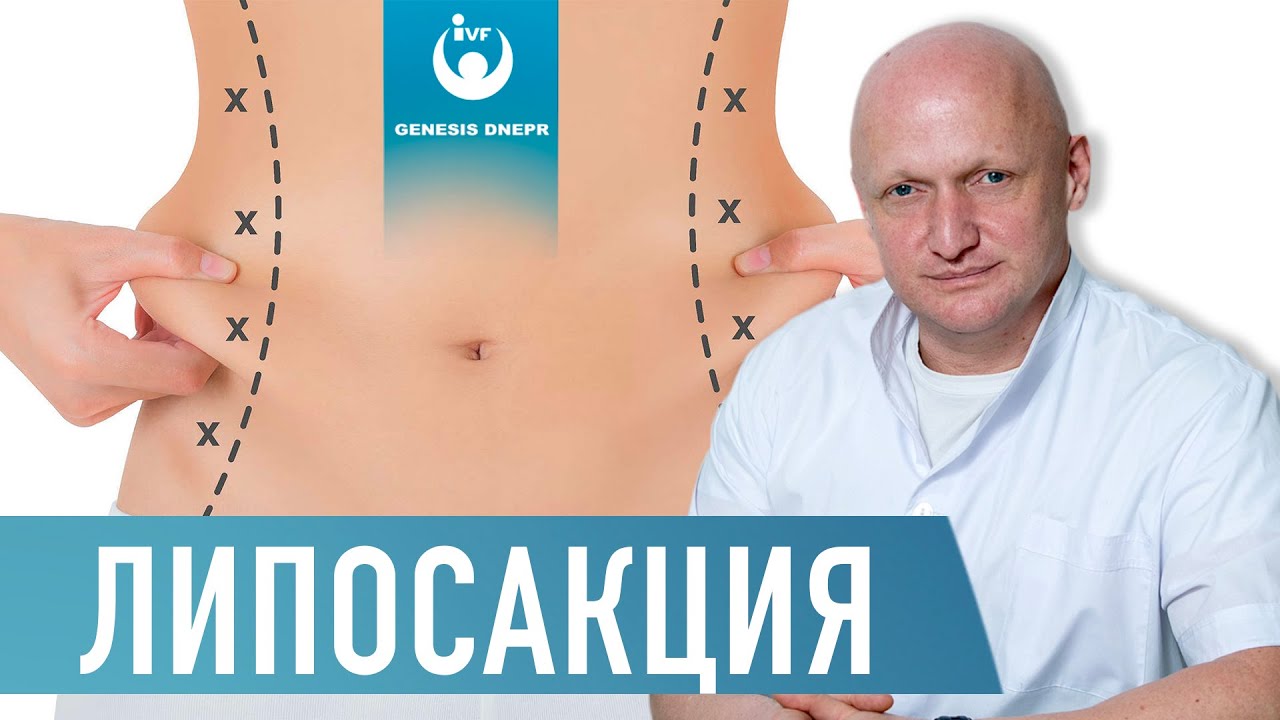
Liposuction is a cosmetic surgical procedure that removes excess fat from specific areas of the body. There are different types of liposuction techniques, including laser liposuction, vibroliposuction, and ultrasonic liposuction. Laser liposuction uses laser energy to liquefy fat before it is removed. Vibroliposuction involves the use of a vibrating cannula to break up fat cells for easier removal. Ultrasonic liposuction uses ultrasonic waves to emulsify fat, making it easier to extract.

Guardian Connect - continuous glucose monitoring. Diagnosis and treatment of diabetes.

Tummy tuck. What is abdominoplasty? In 60 seconds.
1. ЗАПИС ПО ТЕЛЕФОНУ:
+38(067) 544-68-282. ЗАПИСЬ ЧЕРЕЗ АНКЕТУ:
Анкета слугує для попереднього знайомства лікаря з медичною інформацією про Вас та дає можливість записатися на платну чи безкоштовну консультацію ...
1. Biliary colic: A stone can block the bile ducts, causing acute pain in the upper right quadrant of the abdomen. This condition requires urgent medical attention.
2. Cholecystitis: A stone blocking the bile ducts can lead to inflammation of the gallbladder. This may cause severe abdominal pain, fever, nausea, and vomiting. Cholecystitis requires antibiotic tr...
1. Biliary colic: A stone can block the bile ducts, causing acute pain in the upper right quadrant of the abdomen. This condition requires urgent medical attention.
2. Cholecystitis: A stone blocking the bile ducts can lead to inflammation of the gallbladder. This may cause severe abdominal pain, fever, nausea, and vomiting. Cholecystitis requires antibiotic treatment and may necessitate the removal of the gallbladder.
3. Pancreatitis: A stone can block the common bile duct and cause inflammation of the pancreas. Pancreatitis can be a dangerous condition requiring urgent medical care.
4. Biliary peritonitis: If a stone perforates the gallbladder wall, bile can leak into the abdominal cavity, causing inflammation and infection. This condition is extremely dangerous and requires emergency surgery.
5. Recurrences and repeated attacks: Without removing the gallbladder, stones can continue to form, leading to repeated attacks of biliary colic, cholecystitis, and other complications.
Overall, not removing the gallbladder when stones are present can lead to serious complications and deterioration of health. Therefore, it is recommended to consult a doctor for appropriate treatment and gallbladder removal if necessary.
долгота: 35.0320729


