
Consultation with an ENT is necessary for the following conditions:
- Otitis
- Hearing problems
- Tonsillitis
- Pharyngitis
- Laryngitis
- Sinusitis
- Rhinitis
- Sinus infection
- Adenoids
- Snoring.
If necessary, we perform surgical interventions. We use cordyceps, Milan cocktail, and biopellets for effective treatment...
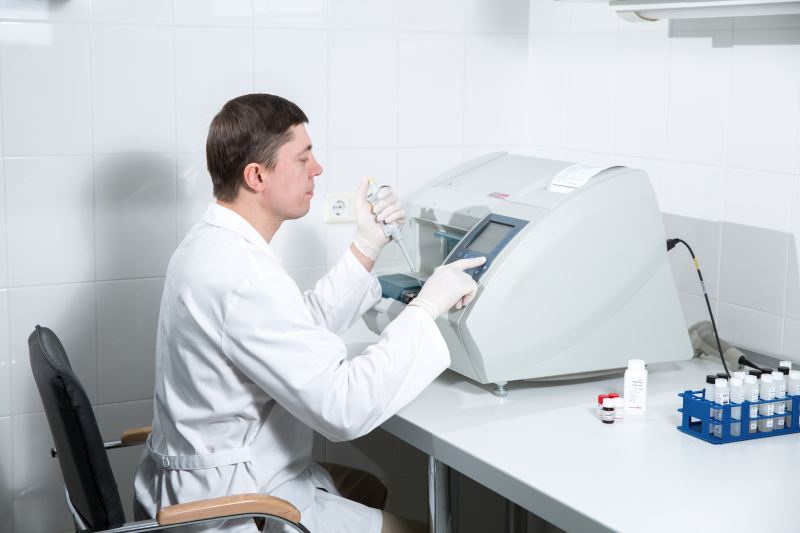
- Own clinical diagnostic laboratory;
- All necessary procedures, if needed, are performed in conjunction with anesthesiologists - without pain and discomfort;
- Use of CO2 lasers and photodynamic therapy;
- Home doctor visits available;

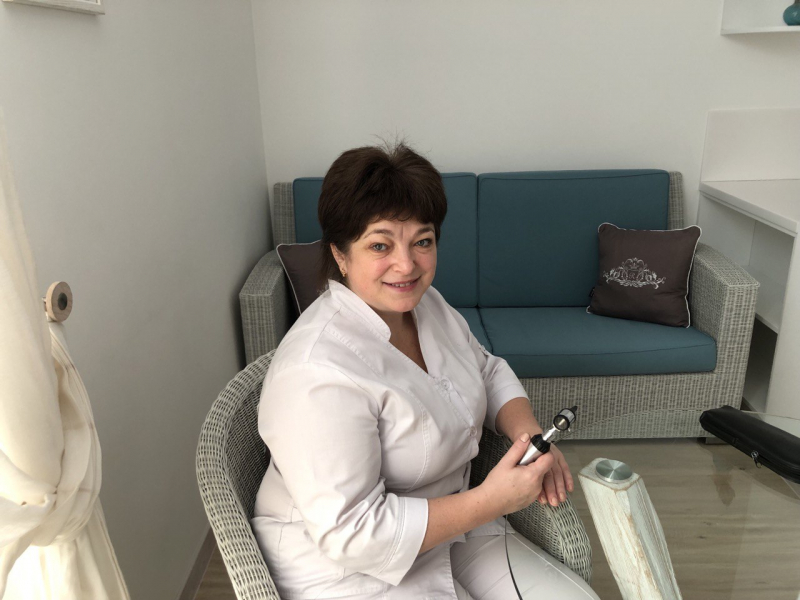
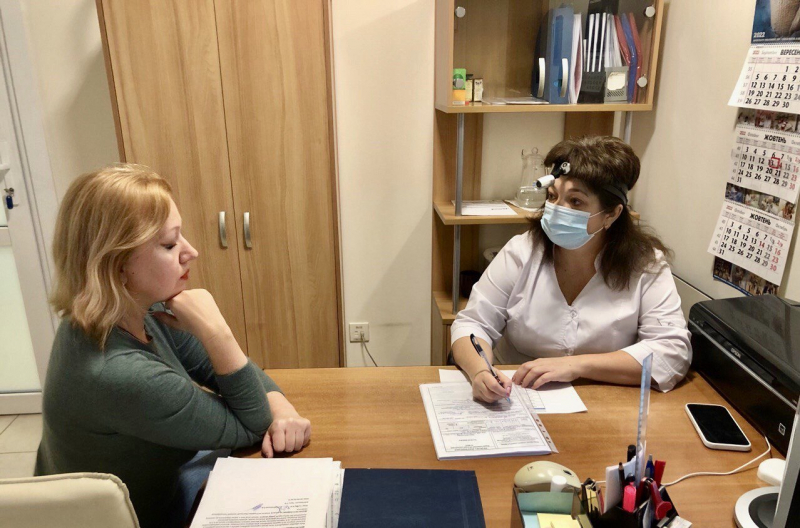
Poltavets Antonina Pavlovna
Adult and pediatric otolaryngologist, highest category (ENT). 25 years of experience.
Acute and chronic tonsillitis. Acute and chronic sinusitis, otitis, laryngitis. ENT cryosurgery. Endoscopy.

Slushayeva Viktoriya Vladimirovna
Otolaryngologist
Acute and chronic diseases of the nasal cavity and paranasal sinuses: sinusitis, rhinitis, rhinosinusitis, adenoiditis. Throat pathologies: tonsillitis, pharyngitis, laryngitis, hypertrophy of the palatine tonsils, diseases of the outer and middle ear. Removal of foreign bodies from ENT organs.

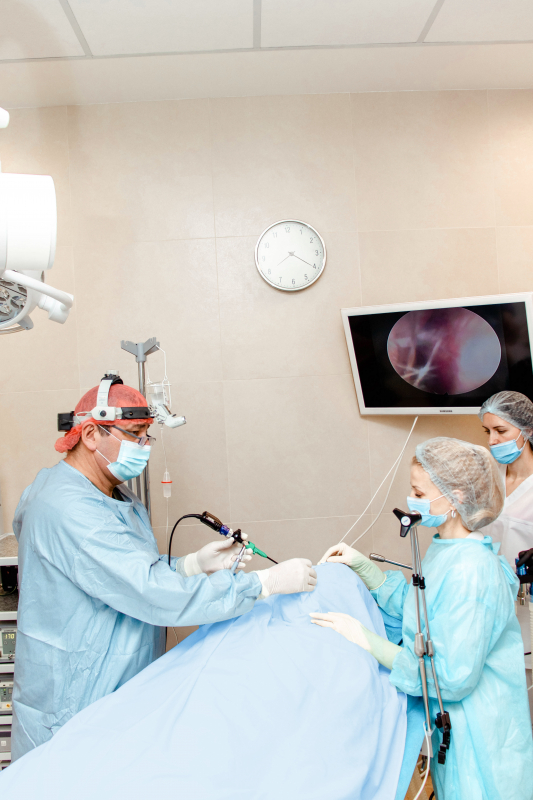

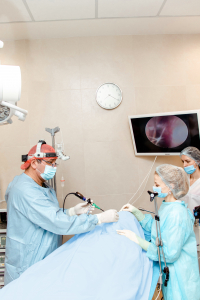
Tonsil removal is usually performed under general anesthesia and can be done in various ways. One of the most common methods is the traditional tonsillectomy, where the tonsils are removed using a scalpel. Another method is laser tonsillectomy, where the tonsils are removed using a laser beam. Cryotherapy is also used in some cases.
Tonsil removal can cause some side effects and complications. Immediately after the procedure, the patient may experience a sore throat, difficulty swallowing, and bad breath. There is also a possibility of bleeding, infection, or a reaction to anesthesia. Therefore, it is important to follow all the doctor's recommendations after tonsil removal, including taking anti-inflammatory medications and limiting physical activity.
After tonsil removal, patients are usually advised to follow specific dietary and rest regimens. Soft and cool foods can help reduce pain and decrease the risk of bleeding. It is also recommended to avoid vigorous physical exercises and contact sports for several weeks after the procedure.
Tonsil removal can be an effective treatment method, especially in cases where the tonsils are frequently inflamed and cause health problems. However, it is a serious surgical procedure, and it is necessary to consult with a doctor and discuss all possible risks and benefits before deciding to undergo it.
Cryotherapy is a treatment method based on the use of liquid nitrogen to cool tissues. When in contact with the skin, liquid nitrogen quickly evaporates, creating a very low temperature. This allows for the destruction or freezing of excess tissues or cells, including those causing snoring.
The application of cryotherapy for snoring treatment involves cooling the soft tissues at the back of the throat and tongue, which can cause vibration and the sound of snoring. This can be achieved by applying liquid nitrogen to the back of the throat using a special device. Cooling the tissues can lead to their reduction and strengthening, which in turn can reduce or eliminate snoring.
One of the advantages of cryotherapy for treating snoring is that it is non-invasive and usually does not require a long recovery time. This means that patients can return to their normal lives after the procedure without a prolonged recovery period.
However, like any medical procedure, cryotherapy has its risks and limitations. Some patients may experience discomfort during the procedure, such as itching or burning. More serious complications, such as damage to surrounding tissues, are also possible. Therefore, it is important to perform the procedure only under the supervision of an experienced specialist.
Cryotherapy can be an effective method for treating snoring in some patients. But it is important to remember that cryotherapy may only be part of a comprehensive snoring treatment, and it may need to be combined with other methods, such as lifestyle changes or the use of special sleep devices.
The procedure for treating neoplasms with a CO2 laser is also conducted under local anesthesia. The laser beam is directed at the tumor or abnormality, allowing for its precise removal or destruction. The procedure may take varying amounts of time depending on the size and type of the neoplasm.
After the procedure, some discomfort, pain, or unease may occur, which usually subsides within a few days. The doctor may also recommend certain post-procedure care measures to ensure quick and safe healing.
Laser treatment of neoplasms using a CO2 laser is one of the methods for removing tumors in the specified areas. However, the effectiveness and results of the procedure may vary depending on the type and characteristics of the neoplasm. In some cases, a repeat procedure or the use of other treatment methods may be necessary.
When deciding on CO2 laser treatment for neoplasms, it is essential to consult with a doctor to discuss all possible risks and benefits of the procedure. It is also important to consider that this method may not be suitable for all patients.
Medication therapy may involve the use of antiviral or antibacterial drugs, vasoconstrictor drops or sprays to narrow the blood vessels in the nose, antihistamines to relieve allergic reactions, anti-inflammatory drugs to reduce swelling and inflammation of the nasal mucosa, as well as mucolytic agents to thin the mucus and facilitate its drainage.
Non-medication methods for treating rhinitis may include nasal irrigation with saline solution or special preparations, using humidifiers, conducting inhalations with essential oils or other medicinal substances, as well as maintaining a restful and humidified environment.
The procedure for treating rhinitis with CO2 laser involves directing the laser beam at the inflamed nasal mucosa. Laser treatment on the tissues helps reduce inflammation, improve blood circulation, and stimulate tissue regeneration. This can lead to a reduction in rhinitis symptoms such as nasal congestion, runny nose, sneezing, and itching.
Photodynamic therapy (PDT) can also be used to treat rhinitis, especially in cases where other treatment methods are ineffective or do not provide long-term relief. PDT involves the use of a special photosensitive drug that is introduced into the nasal passages. The nasal passages are then exposed to special light of a certain wavelength, which activates the drug and destroys pathogenic microorganisms in the nasal cavity.
The choice of treatment method for rhinitis depends on its cause and symptoms. Only a doctor can determine the most effective treatment approach and prescribe the appropriate medications or procedures.
1. Antibiotics: If otitis is bacterial, a doctor may prescribe antibiotics to fight the infection. It is important to take antibiotics as prescribed by the doctor and complete the full course of treatment to prevent the recurrence of the infection.
2. Anti-inflammatory medications: Non-steroidal anti-inflammatory drugs, such as ibuprofen or acetaminophen, can help reduce pain and inflammation in the ear.
3. Decongestant drops: A doctor may recommend special ear drops that help reduce swelling and relieve discomfort.
4. Warm compresses: For external otitis (inflammation of the outer ear canal), warm compresses can help reduce pain and swelling.
5. Drainage: In some cases, when otitis is accompanied by fluid buildup in the ear, a doctor may decide to perform a drainage procedure to remove this fluid and alleviate symptoms.
The procedure for treating otitis with a CO2 laser involves directing a laser beam at the inflamed area of the middle ear. Laser exposure to the tissues helps reduce inflammation, improve blood circulation, and stimulate tissue regeneration. This can lead to a reduction in otitis symptoms, such as ear pain, hearing impairment, and fluid discharge from the ear.
Laser treatment of otitis using a CO2 laser is usually performed by an otolaryngologist or a laser medicine specialist. The procedure is conducted under local or general anesthesia and may take a few minutes.
After the procedure, the patient may experience some discomfort or mild pain in the ear, which usually subsides within a few days. The doctor may also recommend certain post-procedure care measures to facilitate healing and reduce the risk of complications.
The effectiveness and results of laser treatment for otitis can vary depending on the type and cause of the inflammation. In some cases, multiple treatment sessions or a combination with other treatment methods may be required.
Photodynamic therapy (PDT) can also be used to treat otitis, especially in cases where other treatment methods are ineffective or do not provide long-term relief.
The PDT procedure for treating otitis involves the introduction of a photosensitive drug into the ear. The ear is then exposed to special light of a specific wavelength, which activates the drug and destroys pathogenic microorganisms in the ear.
PDT for treating otitis has several advantages. Firstly, it is minimally invasive and does not require surgical intervention. Secondly, PDT can be effective in treating bacterial and fungal otitis, as it destroys both bacteria and fungi. Thirdly, PDT does not cause side effects and does not lead to the development of resistance of microorganisms to drugs.
1. Antibiotics: If the tonsillitis is bacterial, a doctor may prescribe antibiotics to fight the infection. It is important to take antibiotics as prescribed by the doctor and complete the full course of treatment to prevent the recurrence of the infection.
2. Anti-inflammatory medications: Non-steroidal anti-inflammatory drugs, such as ibuprofen or acetaminophen, can help reduce pain and inflammation in the throat.
3. Gargling: Gargling with warm saline solution or antiseptic solution can help reduce inflammation and alleviate soreness.
4. Rest and warm drinks: It is important to rest and consume plenty of fluids to help the body fight the infection and keep the throat hydrated.
5. Antiviral medications: In the case of viral tonsillitis, a doctor may prescribe antiviral medications to help reduce the duration and severity of the illness.
6. Use of analgesics: In cases of severe throat pain, a doctor may recommend the use of analgesics or pain relievers.
Photodynamic therapy (PDT) can also be used to treat tonsillitis, especially in cases where other treatments are ineffective or do not provide long-term relief.
The PDT procedure for treating tonsillitis involves the administration of a photosensitizing agent to the throat area. The throat is then exposed to a special light of a specific wavelength, which activates the agent and destroys pathogenic microorganisms in the throat.
PDT for treating tonsillitis has several advantages. Firstly, it is minimally invasive and does not require surgical intervention. Secondly, PDT can be effective in treating bacterial tonsillitis as it destroys bacteria. Thirdly, PDT does not cause side effects and does not lead to microbial resistance to medications.
It is important to consult a doctor to determine the best treatment method for your specific case of tonsillitis. The doctor will consider the type and severity of the condition, as well as your medical history, before prescribing appropriate treatment.
Treatment for sinusitis may include the following methods:
1. Medication therapy: A doctor may prescribe anti-inflammatory drugs, antibiotics, or mucolytics to reduce inflammation and eliminate the infection.
2. Use of local medications: In some cases, local medications such as drops or sprays with antibiotics or glucocorticosteroids may be recommended to treat inflammation of the sinus mucosa.
3. Nasal irrigation: Rinsing the nose with saline solutions or special preparations can help clear the sinuses of mucus and bacteria.
4. Physiotherapy: The use of physiotherapeutic procedures, such as UHF therapy or inhalations, can help reduce inflammation and improve sinus drainage.
5. Surgical intervention: In some cases, when conservative treatment does not yield results or sinusitis becomes chronic, surgical intervention may be required. Surgery may involve puncturing the sinus to remove purulent contents or complete removal of the sinus.
Photodynamic therapy (PDT) can also be used to treat sinusitis. The PDT procedure for treating sinusitis involves the introduction of a photosensitive drug into the sinus area. The sinuses are then exposed to special light of a certain wavelength, which activates the drug and destroys pathogenic microorganisms in the sinuses.
PDT for treating sinusitis has similar advantages as in the treatment of tonsillitis. It is a minimally invasive method without the need for surgical intervention, effective against bacteria, and does not cause side effects or resistance of microorganisms to drugs.
If you experience hearing problems, it is recommended to consult an otolaryngologist (ENT doctor) for diagnosis and determination of the best treatment approach. The doctor may prescribe audiometry—a special test to assess hearing—as well as other additional examinations if necessary.
It is important to remember that self-treatment or ignoring hearing problems can lead to worsening of the condition and damage to the auditory system. Therefore, it is recommended to seek specialist help as soon as possible to receive qualified assistance and treatment recommendations.
Laryngoscopy can be used to diagnose various laryngeal conditions, such as polyps, tumors, inflammations, or injuries. It can also be used for performing biopsies or removing tumors or other formations.
This procedure is usually conducted on an outpatient basis and may require local anesthesia. Laryngoscopy can be uncomfortable for the patient due to the discomfort of inserting the instrument through the mouth, but the procedure typically lasts only a few minutes.
Endoscopic laryngoscopy can be a useful tool for diagnosing and treating various laryngeal conditions and is often used in otolaryngology and other medical specialties.
Otoscopy can be used to diagnose various ear conditions, such as middle ear infections, the presence of fluid behind the eardrum, foreign bodies, or other changes. It can also be used for procedures like removing earwax or administering medications.
This procedure is usually performed in an outpatient setting and may require local anesthesia. Otoscopy can be slightly uncomfortable due to the sensation of pressure and discomfort in the ear, but the procedure typically lasts only a few minutes.
Endoscopic otoscopy is an important tool for diagnosing and treating ear conditions and is frequently used in otolaryngology and other medical specialties.
Rhinoscopy can be used to diagnose various nasal conditions, such as chronic rhinitis, polyps, deviated nasal septum, adenoids, and other changes. It can also be used for procedures like removing polyps or obstructions, administering medications, or performing surgical interventions.
This procedure is usually performed in an outpatient setting and may require local anesthesia. Rhinoscopy can cause some discomfort due to the sensation of pressure in the nose, but the procedure typically lasts only a few minutes.
Endoscopic rhinoscopy is also an important tool for diagnosing and treating nasal conditions and is frequently used in otolaryngology and other medical specialties.
One of the most common cryotherapy methods for treating the throat and tonsils is cryosurgery. This procedure uses liquid nitrogen to freeze and destroy affected tissues. Cryosurgery can be effective for removing polyps, tumors, and other abnormalities that may cause problems in the throat and tonsils.
Additionally, cryotherapy can be used to alleviate symptoms of throat and tonsil inflammation. The procedure can help reduce swelling, decrease pain, and improve the patient's overall condition. Cryotherapy may also be beneficial for treating infections, such as tonsillitis, by destroying bacteria with low temperatures.
However, like any medical intervention, cryotherapy has its risks and limitations. Possible side effects may include swelling, pain, and temporary loss of sensation. Therefore, it is important to consult a qualified doctor to assess the indications and contraindications for using cryotherapy in a specific case.
Overall, cryotherapy can be a useful treatment method for the throat and tonsils, especially when certain problems are present. However, the decision to use this procedure should be made by a doctor based on the patient's individual characteristics and medical history.
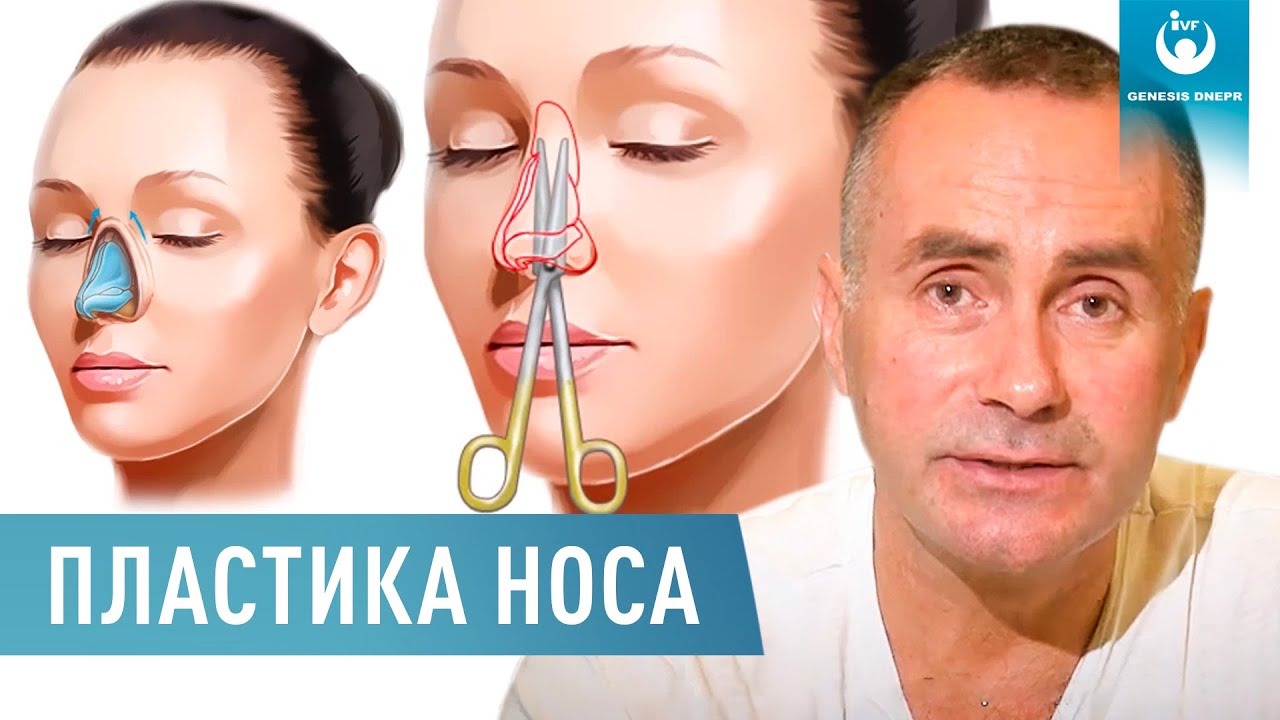
Rhinoplasty is a surgical procedure that involves reshaping or reconstructing the nose. It can be performed for cosmetic reasons to improve the appearance of the nose or for medical reasons, such as correcting breathing issues or repairing deformities from injury or birth defects. The procedure typically involves making incisions to access the bones and cartilage that support the nose. Depending on the desired outcome, the surgeon may remove or add bone or cartilage, reshape the nasal structure, and adjust the skin and tissue. The surgery can be performed using either an open or closed technique, with the open technique involving a small incision on the columella (the tissue between the nostrils) and the closed technique involving incisions inside the nostrils. Dr. Karavanov D.V. is a surgeon who may specialize in this type of procedure, but specific details about his approach or techniques would require further information or consultation with his practice.
Tour of Genesis Dnepr Clinic | Maternity Ward, Plastic Surgery, Therapy, Detoxification...
Lipofilling | Liposculpture of the face, neck, hands, and entire body. Mario Goisis and Igor Perelygin.
Urinary incontinence in women. Laser treatment without pain and surgery.
Bioidentical therapy, pellets, bioidentical hormones. Interview with Dr. Igor Perelygin.
Who is eligible for plasmapheresis (blood purification) from viruses and diseases? Genesis Dnepr Clinic.
How to deal with headaches (migraines)?
What is OZONE THERAPY? Application, indications, prevention, and treatment with ozone. Genesis Dnepr Clinic.
Itching in the Anus: Real Causes, Treatment, and Prevention. Proctologist O.V. Ryabchinskaya.
1. ЗАПИС ПО ТЕЛЕФОНУ:
+38(067) 544-68-28+39 096 370 13 24
The PDT procedure involves administering a photosensitizing drug to the patient, followed by its activation with a light source. The photosensitizing drug accumula...
The PDT procedure involves administering a photosensitizing drug to the patient, followed by its activation with a light source. The photosensitizing drug accumulates in tumor cells or infected tissues, and then, under the influence of light, a reaction occurs that leads to the destruction of these cells.
One of the advantages of PDT is its localized activity, meaning that only the diseased cells or tissues are exposed to the light and photosensitizing drug, minimizing side effects on healthy tissues. This makes PDT a safer and more effective treatment method.
Photodynamic therapy can be used to treat various throat diseases, including throat cancer. It can be applied as a standalone procedure or in combination with other treatment methods, such as surgery or radiation therapy. The success of PDT treatment depends on the type and stage of the disease, as well as the individual characteristics of the patient.
It is important to note that PDT should only be performed under the supervision and guidance of an experienced physician. Like any other medical procedure, it has its contraindications and possible side effects, which should be considered before its application.
Overall, PDT represents a promising treatment method for throat conditions, which can be effective in combating various diseases. However, before undergoing this procedure, it is necessary to consult with a doctor and obtain all the necessary recommendations and advice.
долгота: 35.0320729


