
What is efferent therapy?
Efferent therapy is a branch of medicine focused on removing toxins, metabolic byproducts, pathological immune complexes, and other harmful substances from ...
What is efferent therapy?
Efferent therapy is a branch of medicine focused on removing toxins, metabolic byproducts, pathological immune complexes, and other harmful substances from the body. It is a kind of "deep cleaning" of the body that helps restore internal balance and improve overall well-being.
Methods of efferent therapy include:
- Plasmapheresis—cleansing the blood by removing toxic plasma;
- Hemoperfusion—filtering blood through sorbents;
- Lymphatic drainage and detoxification infusions;
- Ultraviolet and laser blood irradiation (UVBI, ILBI).
These methods are used for:
- Chronic intoxications;
- Allergic and autoimmune diseases;
- Chronic fatigue syndrome;
- Liver, kidney, and gastrointestinal diseases;
- Skin diseases (psoriasis, eczema, acne).
What is quantum therapy?
Quantum therapy is a non-invasive treatment using low-intensity laser, magnetic, infrared, and light radiation, targeting biologically active zones and tissues. It activates the body's own resources, enhances immune protection, improves metabolism, and accelerates regeneration.
Quantum therapy includes:
- Laser therapy;
- Magnetotherapy;
- Light and infrared exposure;
- Combined physiotherapeutic devices.
✅ Safety and naturalness – minimal medication load
✅ Comprehensive effect – cleansing + activation of the body's own resources
✅ Suitable for most patients – even with chronic diseases
In our clinic:
- We use modern certified equipment
- Therapy programs are tailored individually, taking into account the diagnosis and condition of the patient

Meshchaninov Andrey Alexandrovich
Anesthesiologist of the highest category.
Anesthesiology and resuscitation. Labor pain relief. Therapy, detoxification. Plasmapheresis (blood purification) membrane and discrete. Alcohol withdrawal treatment. Treatment of pain syndrome resistant to medication therapy. Back pain. Ozone therapy, UV blood irradiation.
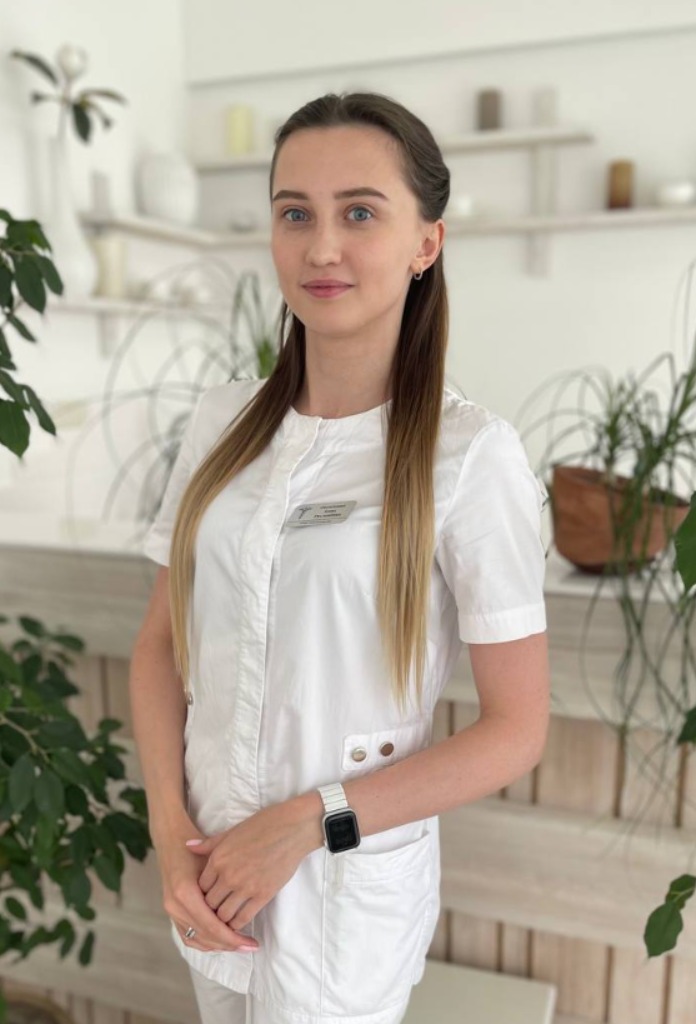
Onokienko Anna Ruslanovna
Anesthesiologist
Anesthesiology and resuscitation. Labor pain relief. Detoxification. Membrane and discrete plasmapheresis. Ozone therapy.
This method is actively used in therapy, neurology, dermatology, gynecology, endocrinology, and many other areas of modern medicine.
What is "discrete" plasmapheresis?
Unlike hardware-based (membrane or centrifugal) plasmapheresis, discrete plasmapheresis is conducted in stages using a sterile system: a specific volume of blood is taken from the patient and processed outside the body (extracorporeally). The plasma is separated and disposed of, while the formed elements (red blood cells, platelets, white blood cells) are returned to the patient, diluted with solutions.
The procedure can be repeated several times during a session until the desired therapeutic effect is achieved.
Why is discrete plasmapheresis needed?
This method allows for:
- Removing toxins, allergens, antibodies, and autoimmune complexes from the blood;
- Reducing the activity of inflammatory processes;
- Improving the composition and rheology of blood (fluidity, viscosity);
- Easing the workload of the liver, kidneys, and immune system;
- Enhancing the effectiveness of medication and physiotherapy.
Indications for discrete plasmapheresis:
- Autoimmune diseases (Systemic lupus erythematosus, rheumatoid arthritis, scleroderma);
- Psoriasis, eczema, atopic dermatitis;
- Allergic diseases, including bronchial asthma;
- Chronic intoxications (including alcohol and drug-related);
- Endocrine disorders (diabetes mellitus, thyrotoxicosis);
- Liver, kidney, and gastrointestinal diseases;
- Neurological diseases (multiple sclerosis, myasthenia);
- Preparation for pregnancy, IVF (as indicated);
- Exacerbations of chronic diseases with reduced effectiveness of standard therapy.
How is the procedure conducted?
- A doctor's consultation and laboratory tests are conducted.
- The patient is comfortably positioned in the procedure room.
- Blood is drawn through a sterile system (usually 300–500 ml at a time).
- The blood is separated: plasma is removed, and the formed elements are returned with fluid replacement.
- The procedure lasts 1–1.5 hours and is conducted in comfortable conditions under specialist supervision.
- The course usually consists of 3–5 procedures, with intervals of 1–3 days, depending on the diagnosis and the patient's condition.
Advantages of discrete plasmapheresis:
- Deep cleansing of the body from pathological components;
- Significant health improvement after the first procedures;
- Increased resistance to infections and stress;
- Improved well-being, sleep, and skin condition;
- The method is suitable even with some contraindications to hardware plasmapheresis.
Contraindications:
- Severe anemia;
- Blood coagulation disorders;
- Acute infections and exacerbations of chronic diseases without stabilization;
- Cardiovascular insufficiency;
- Active-stage oncological processes.
Discrete plasmapheresis in our clinic
Procedures are conducted in sterile conditions using disposable systems and modern safety protocols. All stages are monitored by an experienced doctor, and before the course, you undergo an individual consultation and diagnosis.
Want to cleanse your body, improve your well-being, and support your health without aggressive interventions?
Schedule an appointment and start your wellness course with discrete plasmapheresis.
Membrane plasmapheresis is widely used in therapy, dermatology, rheumatology, neurology, gynecology, immunology, and restorative medicine.
What is membrane plasmapheresis?
During the procedure, the patient's blood passes through a special device where it is separated into plasma and formed elements (red blood cells, white blood cells, platelets).
The plasma with toxic substances is removed, and the purified cells are returned to the body along with a replacement solution (saline, albumin, rheopolyglucin, etc.).
Membrane filters have microscopic pores that retain only harmful components without destroying blood cells.
Effects of membrane plasmapheresis:
- Removal of toxins, allergens, viruses, and bacteria;
- Reduction of circulating immune complexes and antibodies;
- Improvement of microcirculation and blood flow;
- Stimulation of the immune and detoxification functions of the liver and kidneys;
- Increased sensitivity to medication therapy;
- General health and rejuvenating effect.
Indications for membrane plasmapheresis:
- Autoimmune diseases (lupus, rheumatoid arthritis, scleroderma);
- Skin diseases (psoriasis, eczema, neurodermatitis, acne);
- Allergic reactions (including those resistant to therapy);
- Diabetes and its complications (angiopathies, nephropathies);
- Liver and kidney diseases accompanied by toxin accumulation;
- Neurological disorders (multiple sclerosis, myasthenia);
- Chronic viral infections, including herpes, HPV;
- Preparation for IVF and pregnancy;
- Conditions after intoxications, heavy medication intake, alcohol.
How is the procedure performed?
The patient is placed in a procedure room under the supervision of a doctor.
Through venous access, blood enters the membrane plasmapheresis device.
Plasma is separated, harmful substances are removed, and formed elements are returned to the body.
The entire procedure takes from 40 to 90 minutes, depending on the blood volume.
A course of 3–5 procedures is usually recommended, with intervals of 1–2 days.
Advantages of membrane plasmapheresis:
- High degree of blood purification;
- Gentle and precise action without destroying blood cells;
- Use of disposable sterile systems;
- Suitable for weakened and sensitive patients;
- Rapid improvement in well-being after just 1–2 sessions;
- Painless, does not require hospitalization.
Contraindications:
- Severe anemia;
- Acute infectious diseases;
- Active bleeding;
- Thrombosis and severe blood clotting disorders;
- Active stage of oncological diseases;
- Hypotension (low blood pressure).
Procedures are conducted on modern, state-of-the-art equipment with the participation of experienced specialists and adherence to all safety standards. We tailor an individual course based on the diagnosis, patient condition, and therapy goals.
Want to safely cleanse your body, reduce chronic inflammation, and regain your energy?
Schedule a consultation and start a course of membrane plasmapheresis for the benefit of your health and well-being!
This procedure helps the body cope with a wide range of diseases, improves well-being, and promotes rejuvenation at the cellular level.
How does ozone therapy work?
Ozone affects the body in several ways:
- Activates metabolism and oxygen supply to tissues;
- Destroys viruses, bacteria, and fungi;
- Reduces inflammation and pain;
- Improves blood flow and microcirculation;
- Stimulates the immune system;
- Has a pronounced detox effect.
Depending on the indications, ozone therapy can be administered intravenously, subcutaneously, locally (on the skin or mucous membranes), rectally, or through autohemotherapy (treating one's own blood with ozone and returning it to the body).
Main indications for ozone therapy
In therapy and restorative medicine:
- Chronic fatigue syndrome, depression, stress;
- Allergies, bronchial asthma;
- Frequent acute respiratory viral infections, reduced immunity;
- Viral diseases (including herpes, HPV);
- Gastrointestinal, liver, and pancreatic diseases;
- Cardiovascular diseases;
- Diabetes (as part of complex therapy);
- Arthritis, arthrosis, joint pain.
In cosmetology:
- Acne, pimples;
- Dull skin, couperose;
- Cellulite, swelling, age-related changes;
- Improving skin complexion, tone, and turgor.
In gynecology and urology:
- Inflammatory diseases;
- Infertility (as part of complex therapy);
- HPV, candidiasis, endometriosis;
- Prostatitis, cystitis, urethritis.
How is the procedure conducted?
The procedure is tailored individually. The most popular methods include:
- Intravenous drip of ozonated saline;
- Minor autohemotherapy — drawing a small amount of blood, treating it with ozone, and intramuscular injection;
- Major autohemotherapy — blood is treated with ozone and returned to the vein;
- Ozone applications and rectal insufflations — for skin and gastrointestinal diseases.
A session lasts on average 20–40 minutes. The course usually consists of 3 to 10 procedures, depending on the goal and diagnosis.
Advantages of ozone therapy
- Natural and safe — no drugs, only active oxygen;
- No allergic reactions;
- Minimal contraindications and side effects;
- High effectiveness in complex treatment;
- Good tolerance and quick results.
We conduct ozone therapy using modern certified equipment, strictly adhering to all safety protocols. All procedures are performed by qualified specialists after consultation and assessment of the patient's condition.
Want to gently restore health, strengthen immunity, and rejuvenate your body?
Schedule an appointment and start your journey to health with the natural therapy of the future!
What is the essence of the method?
During the procedure, a small amount of the patient's blood is passed through a sterile ultraviolet lamp in a special device. Ultraviolet radiation of a specific wavelength affects the blood cells, activating them and enhancing their biological properties. The treated blood is immediately returned to the body.
How does UBI work?
Under the influence of UV radiation, the following positive processes occur:
- The level of toxins and inflammatory agents in the blood decreases;
- Oxygen exchange is enhanced, improving tissue oxygenation;
- The activity of immune cells increases, allowing the body to fight infections more effectively;
- Blood rheology improves, enhancing fluidity and anticoagulation;
- Regeneration and recovery processes are activated.
UBI is effective for:
- Chronic inflammatory diseases (bronchitis, tonsillitis, pyelonephritis, etc.);
- Reduced immunity, frequent colds, ARVI;
- Infectious diseases (viral and bacterial infections);
- Allergies, bronchial asthma;
- Chronic fatigue syndrome, stress, depression;
- Skin diseases (psoriasis, eczema, acne);
- Heart and vascular diseases (ischemic disease, hypertension);
- Autoimmune conditions;
- Preparation for surgical interventions and rehabilitation after surgeries.
Advantages of UBI:
- Quick effect after the first procedures;
- No pain and long recovery period;
- Safety — minimal dose of UV radiation is used, which does not have harmful effects;
- Minimal contraindications and side effects;
- Well combined with medication treatment and other physiotherapy procedures.
How is the procedure conducted?
- The patient is comfortably seated in a chair or on a couch.
- A sterile system for blood collection is inserted into a vein, directing the blood to the irradiation device.
- The blood is treated with ultraviolet light for 5–10 minutes and returned back into the vein.
- The entire procedure takes about 20–30 minutes and is conducted on an outpatient basis.
- The recommended course is from 3 to 7 procedures, depending on the patient's condition and diagnosis.
We conduct UBI using modern equipment with disposable sterile systems, under the supervision of qualified specialists. Before the procedure, you will receive a detailed consultation with a doctor to rule out possible contraindications and select the optimal therapy course. Schedule a consultation — we will create an individual recovery plan for you.
How does ILBI work?
During the procedure, a thin sterile optical fiber is inserted into the patient's vein, through which laser radiation of a specific wavelength (usually in the red spectrum — 630–670 nm) is delivered. The light activates blood cells, enhancing their functions and initiating restorative processes in the body.
The laser affects:
Erythrocytes — improves their ability to carry oxygen;
Leukocytes — enhances the immune response;
Biochemical processes in plasma — reduces inflammation and toxin levels.
Main effects of ILBI:
Improvement of oxygen exchange and tissue nutrition;
Stimulation of the immune system;
Reduction of inflammation and swelling;
Pronounced detox effect — elimination of decay products and toxins;
Normalization of blood viscosity and fluidity;
Improvement of vascular function and microcirculation.
Indications for ILBI:
The method is used both in the treatment and prevention of various diseases:
Frequent colds, ARVI, reduced immunity;
Chronic inflammatory diseases (bronchitis, tonsillitis, sinusitis, etc.);
Allergies, skin diseases (psoriasis, eczema, acne);
Chronic fatigue syndrome, stress, sleep disorders;
Cardiovascular diseases (ischemia, hypertension);
Diabetes, metabolic disorders;
Preparation for surgeries and recovery after them;
Treatment-resistant viral infections, including herpes and HPV.
How is the procedure conducted?
The patient is comfortably seated in a chair or on a couch.
In a clinical setting, a catheter with a special optical fiber is inserted into the vein.
Laser radiation is delivered through the optical fiber, irradiating the blood directly inside the vessel.
The duration of the procedure is about 20–30 minutes.
Treatment course: from 5 to 10 procedures, depending on the therapy goal.
Advantages of ILBI:
Painless and safe — minimal intervention, everything is sterile;
Comprehensive health-improving effect;
No side effects;
Well combined with medication and physiotherapy treatment;
Can be used at any age (as per doctor's indications).
In our clinic, ILBI is performed using modern certified equipment and disposable sterile systems. All procedures are carried out by doctors with specialized training and extensive experience. Before the course, you will have a consultation to tailor the treatment plan individually.
Want to restore your energy, boost your immunity, and speed up recovery?
Schedule an appointment — we will help your body work at full capacity!
PDT offers high precision, minimal invasiveness, and virtually does not affect healthy tissues. This makes it an excellent alternative to surgical interventions and aggressive chemotherapy.
How does photodynamic therapy work?
1. Application or administration of a photosensitizer — a substance that selectively accumulates in affected tissues (tumors, inflammations, neoplasms).
2. Waiting period (incubation period) — necessary for the accumulation of the photosensitizer in the targeted areas.
3. Irradiation with a laser or LED of a specific wavelength — activates the photosensitizer.
4. Destruction of pathological cells — under the influence of light, a photochemical reaction occurs, resulting in the production of active oxygen. This oxygen destroys the altered cells without damaging healthy ones.
Advantages of PDT:
- High selectivity — targets only affected cells;
- Minimal trauma — no incisions, stitches, or prolonged rehabilitation;
- Absence of systemic side effects (unlike drug therapy);
- Short treatment course — often 1–3 sessions are sufficient;
- Possibility of repeated use in chronic diseases.
Where is photodynamic therapy applied?
In dermatology:
- Acne;
- Psoriasis;
- Papillomas and warts;
- Seborrheic and atopic dermatitis;
- Benign and precancerous skin lesions (keratosis, basal cell carcinoma).
In cosmetology:
- Photorejuvenation;
- Correction of post-acne and pigmentation;
- Treatment of rosacea and spider veins.
In gynecology and urology:
- Cervical erosion;
- Human papillomavirus (HPV);
- Chronic cystitis, urethritis;
- Infections resistant to antibiotics.
In oncology:
- Treatment of superficial forms of skin cancer;
- Local therapy for early-stage tumors.
How is the procedure conducted?
The procedure is performed on an outpatient basis under the supervision of a specialist. Depending on the area of application, the photosensitizer can be applied to the skin or administered intravenously. After light exposure, mild hyperemia, a sensation of warmth, or tingling may occur. The recovery period is minimal — the patient can return to their usual life the next day.
Schedule a consultation to find out if PDT can be an effective solution to your problem. We will help you restore your health quickly, safely, and without unnecessary stress.
Cryoplasmapheresis is an advanced method of plasmapheresis where blood pl...
Cryoplasmapheresis is an advanced method of plasmapheresis where blood plasma is subjected to freezing followed by thawing. This procedure allows for more effective removal of pathological components from the body, including autoantibodies, immune complexes, viral particles, toxins, and proteins involved in inflammation and autoimmune reactions.
What is the essence of the method?
During cryoplasmapheresis, blood is drawn from the patient and separated into cellular components and plasma. The plasma is then cooled to a very low temperature, causing denaturation and precipitation of harmful proteins and other compounds. After this, the purified plasma or its substitute is returned to the patient intravenously.
What is removed during cryoplasmapheresis:
- Immune complexes and autoantibodies
- Inflammatory proteins (e.g., C-reactive protein)
- Excess cytokines
- Toxins and allergens
- Viral and bacterial antigens
Indications for cryoplasmapheresis:
- Autoimmune diseases (systemic lupus erythematosus, rheumatoid arthritis, scleroderma)
- Psoriasis and atopic dermatitis
- Multiple sclerosis
- Chronic viral infections (including herpesviruses)
- Severe forms of allergies
- Metabolic disorders
- Post-COVID syndrome
- Preparation for pregnancy in the presence of immunological disorders
Advantages of the method:
- High selectivity in removing pathological substances
- Stimulation of regeneration and normalization of immunity
- Fewer side effects compared to drug therapy
- Possibility of combination with other treatment methods
- Improvement in overall condition, increased energy, reduced inflammation
How is the procedure conducted?
The procedure takes on average from 1.5 to 2 hours. The patient is in a comfortable position, and the entire manipulation is monitored by a specialist. Typically, the course includes 3 to 5 procedures, depending on the diagnosis and individual indications.
Cryoplasmapheresis is a step towards personalized and gentle medicine. In our clinic, the procedure is performed using modern equipment under the supervision of experienced doctors, taking into account all the individual characteristics of the patient.
📞 Schedule a consultation to find out if cryoplasmapheresis can become part of your treatment plan.
Bioidentical therapy, pellets, bioidentical hormones. Interview with Dr. Igor Perelygin.

Therapeutic One-Day Fasting: Detox, Anti-Aging Therapy at GENESIS DNEPR Clinic
Lipofilling | Liposculpture of the face, neck, hands, and entire body. Mario Goisis and Igor Perelygin.
Complementary oncology. Adjunctive therapy in oncology. A patient's experience with cancer.
Igor Perelygin on male infertility, male dysfunction, and the decline in sperm quality
Itching in the Anus: Real Causes, Treatment, and Prevention. Proctologist Dr. O.V. Ryabchinskaya.

How to Sleep Properly to Lose Weight? Video Course "Weight Loss Without Harming Your Health".
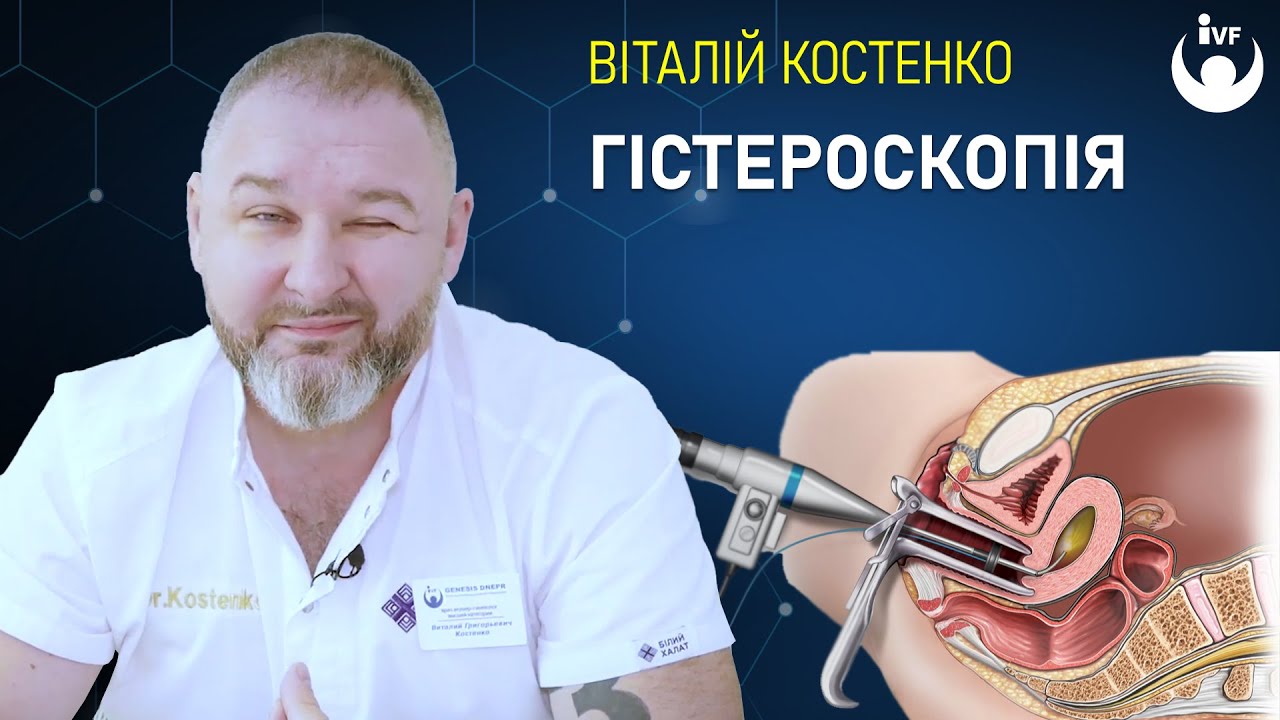
Hysteroscopy is a procedure used to examine the inside of the uterus. It involves the use of a hysteroscope, which is a thin, lighted tube that is inserted through the vagina and cervix into the uterus. This allows the doctor to view the uterine lining and identify any abnormalities. The procedure can be used for both diagnostic and therapeutic purposes, such as investigating abnormal bleeding, removing polyps or fibroids, and performing biopsies. Dr. Kostenko would likely explain the procedure as follows: The patient is usually placed in a lithotomy position, and a speculum is used to gently open the vagina. The hysteroscope is then carefully inserted through the cervix into the uterine cavity. Saline or carbon dioxide gas may be used to expand the uterus for better visualization. The doctor can then examine the uterine lining and perform any necessary interventions. The procedure is typically done on an outpatient basis and may involve local or general anesthesia, depending on the complexity and purpose of the hysteroscopy.
Tour of Genesis Dnepr Clinic | Maternity Ward, Plastic Surgery, Therapy, Detoxification...
1. ЗАПИС ПО ТЕЛЕФОНУ:
+38(067) 544-68-282. ЗАПИСЬ ЧЕРЕЗ АНКЕТУ:
Анкета слугує для попереднього знайомства лікаря з медичною інформацією про Вас та дає можливість записатися на платну чи безкоштовну консультацію ...
In our clinic, you can undergo:
- A complete diagnosis of your body's condition;
- An individually tailored course of apheresis and/or quantum therapy;
- Consultation with experienced doctors and support at all stages of...
In our clinic, you can undergo:
- A complete diagnosis of your body's condition;
- An individually tailored course of apheresis and/or quantum therapy;
- Consultation with experienced doctors and support at all stages of treatment.
долгота: 35.0320729


