
Diagnosing skin diseases involves identifying both external and internal factors causing the issue.
Our clinic has EVERYTHING you need for your diagnosis and treatment! We also use cordyceps, Milan cocktail, and biopellets for effective treatment...
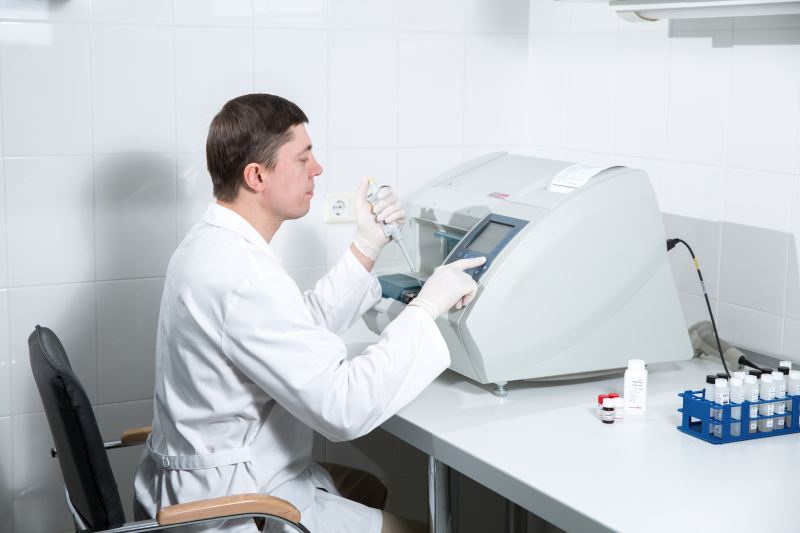
- Own clinical diagnostic laboratory
- Efferent therapy department - plasmapheresis - where severe skin diseases are successfully treated
- We use innovative technologies: fractional CO2 laser and PDT (photodynamic therapy)
- 24-hour inpatient care
- All necessary related medical specialists.

Agafonov Vladimir Nikolaevich
Dermatologist-venereologist, trichologist.
Treatment of skin diseases, scalp conditions, and sexually transmitted infections.

Andreeva Irma Igorevna
Doctor of dermatologic surgery of the highest category, family doctor, cosmetologist, oncologist, trichologist, podologist. Founder of the first international school of cosmetologists in Ukraine. Bachelor of MBI. PreventAge specialist. Bachelor of the School of Nutritional Medicine.
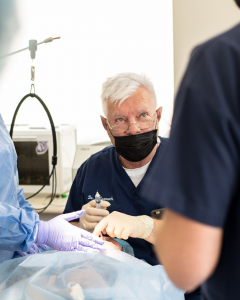
Removal of skin neoplasms, skin oncology, general therapy, dermatoscopy, laser skin resurfacing, laser blepharoplasty, scar removal, injectable cosmetology, botulinum therapy, thread and filler placement, hair and nail treatment, hyperhidrosis treatment, photodynamic therapy.
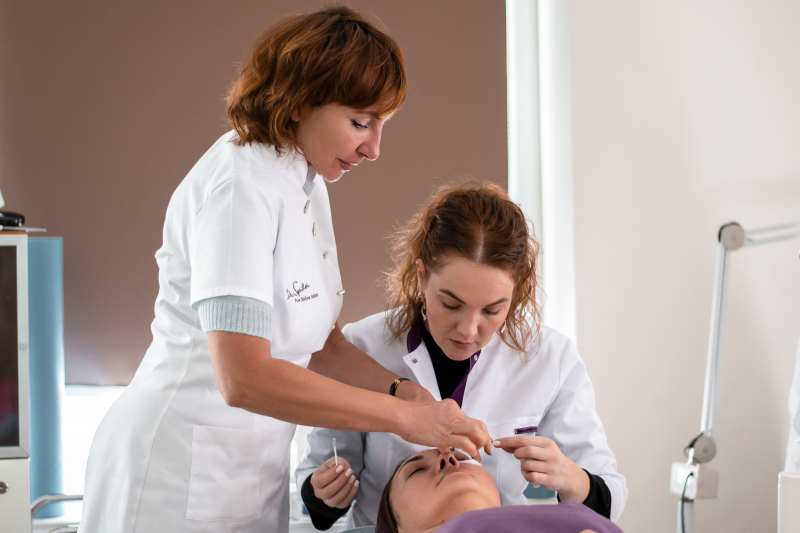
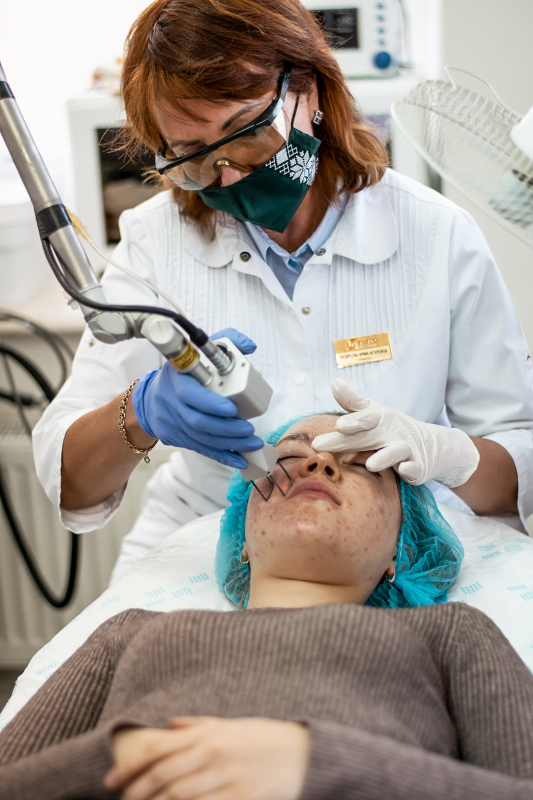
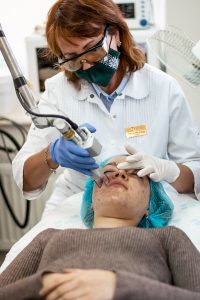
Post-acne is a skin condition that can develop after acne treatment. It may present as pigmentation, scars, and marks on the skin.
Treatment for acne and post-acne may include the following methods:
1. Use of topical treatments – These can be creams, gels, or lotions containing active ingredients such as benzoyl peroxide, salicylic acid, or retinoids. They help reduce oil production and prevent pore clogging.
2. Taking oral medications – In some cases, when acne is severe or does not respond to other treatments, a doctor may prescribe oral medications such as antibiotics or retinoids.
3. Skin cleansing procedures – These can be mechanical or chemical skin cleansing methods that help remove excess oil and unclog pores.
4. Use of laser therapy – This method involves directing a laser beam at affected skin areas, which helps reduce inflammation and improve the overall condition of the skin.
5. Chemical peels – A procedure where a special solution is applied to the skin to help exfoliate the top layer and improve its texture.
6. Use of cosmetic products – These can be special creams or masks containing active ingredients to combat acne and post-acne.
It is important to remember that treating acne and post-acne can take time and requires consistent skin care. It is also necessary to follow the doctor's recommendations and avoid self-treatment to prevent possible complications.
M...
Moles are small skin thickenings, usually brown or black in color. They can be flat or raised and often appear on the skin due to sun exposure or genetic predisposition.
Papillomas are soft skin growths, often with a stalk. They can be skin-colored or darker and usually appear on the neck, armpits, under the breasts, or in the groin area. Papillomas are caused by a viral infection and can be contagious.
The removal of moles and papillomas can be performed using various methods, including:
1. Surgical removal – a procedure in which the mole or papilloma is removed using a sharp instrument, such as a scalpel.
2. Electrocautery – a method in which the mole or papilloma is removed using electric current.
3. Laser removal – a procedure in which the mole or papilloma is removed using a laser beam.
4. Cryodestruction – a method in which the mole or papilloma is removed using liquid nitrogen, which freezes and destroys the unwanted growth.
The removal of moles and papillomas is a safe procedure, but it may involve minor risks such as bleeding, infection, or scarring. Therefore, it is important to consult a dermatologist before the procedure to discuss all possible risks and limitations.
1. Onychomycosis – a fungal infection of the nails that can lead to changes in color, thickness, and shape of the nails. It often develops on toenails and can be contracted in public places like swimming pools and showers.
2. Psoriasis – a chronic skin condition that can also affect the nails. With psoriasis, nails may become thin, split, and detach from the nail bed.
3. Ingrown nail – a condition where the edge of the nail grows into the surrounding skin, causing pain and inflammation. This can be caused by improper nail shape or tight footwear.
4. Trachyonychia – a change in nail color that can be caused by various factors, including injuries, psoriasis, and vitamin deficiencies.
5. Leukonychia – a condition where white spots or streaks appear on the nails. It can be caused by injuries or fungal infections.
Treatment for nail diseases may include:
1. Use of antifungal medications – for treating fungal nail infections.
2. Application of creams and ointments – to reduce inflammation and soften the skin around an ingrown nail.
3. Surgical removal of an ingrown nail – in cases of severe complications.
4. Improved nail care – regular trimming and proper nail care can help prevent the development of diseases.
5. Use of special nail polishes – for treating psoriasis and other nail conditions.
It is important to consult a doctor for the diagnosis and treatment of nail diseases, as some of them can lead to serious complications if not treated in time. It is also important to follow the doctor's recommendations and avoid self-treatment to prevent worsening of the nail condition.
1. Androgenetic alopecia – a hereditary condition that leads to gradual thinning of hair on the scalp in both men and women.
2. Trichotillomania – a mental disorder where a person unconsciously pulls out their own hair.
3. Alopecia areata – an autoimmune disease where the immune system attacks hair follicles, leading to hair loss in specific areas of the scalp.
4. Telogen effluvium – a temporary condition that can be triggered by stress, pregnancy, or hormonal changes.
5. Pediatric alopecia – a condition in children that can be caused by various factors, including genetic disorders, nutrient deficiencies, or other diseases.
Treatment for hair loss may include:
1. Medication – for treating androgenetic alopecia and other conditions related to hormonal imbalances.
2. Medical procedures – such as hair transplantation or laser therapy.
3. Lifestyle changes – including a balanced diet, stress management, and avoiding harmful habits.
4. Improved hair care – regular washing, using natural shampoos and conditioners, and avoiding frequent use of straighteners and hairdryers.
5. Use of wigs and hairpieces – to conceal areas with hair loss.
It is important to consult a doctor to determine the cause of hair loss and to prescribe the most effective treatment. It is also crucial to follow the doctor's recommendations and avoid self-treatment to prevent worsening the condition of the hair.
Dermatoscopy is used for diagnosing various skin conditions, including determining the causes of hair loss. This method can identify changes in hair structure, the condition of hair follicles, and the scalp, which may be associated with hair loss.
The procedure is usually performed by a dermatologist or trichologist. A special gel or oil is applied to the scalp to enhance the visibility of the hair and skin. The specialist then places the dermatoscope on the scalp and examines it under magnification.
Dermatoscopy is a safe and non-invasive procedure that does not cause any pain. It can be conducted as a one-time diagnostic measure for a specific case of hair loss or regularly to monitor the condition of the scalp and the effectiveness of treatment.
It is important to note that dermatoscopy is not the only method for diagnosing the causes of hair loss. A comprehensive examination, including blood tests, skin biopsy, and other methods, may be required for an accurate diagnosis of the condition causing hair loss.
Dermatoscopy is an important tool for diagnosing and monitoring the condition of the scalp and can help identify the causes of hair loss. It is crucial to consult a specialist if you experience hair problems to receive an accurate diagnosis and effective treatment.
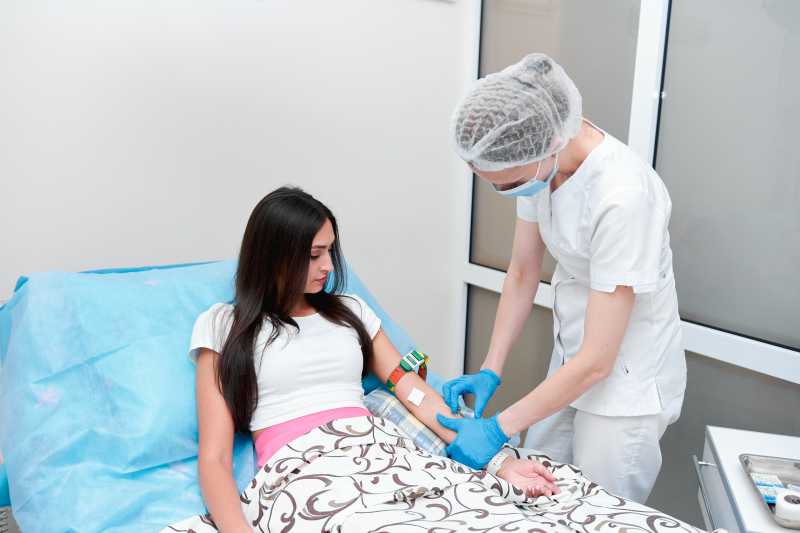
The plasmolifting procedure begins with taking a small amount of blood from the patient. The blood is then placed in a special centrifuge device, which separates the plasma from the other components of the blood. The resulting plasma contains a high concentration of platelets, which are a source of growth factors.
After this, the plasma is injected into the scalp using injections or massage movements. The growth factors contained in the plasma stimulate hair growth, improve blood circulation, and provide nourishment to the hair follicles.
The plasmolifting procedure does not cause painful sensations and does not require a rehabilitation period. It can be performed in cosmetic or medical centers under the supervision of a qualified specialist.
Plasmolifting can be effective for treating various types of hair loss, including androgenic alopecia, diffuse hair loss, and others. However, like any procedure, it may not be suitable for every patient and requires an individual approach.
Plasmolifting is a safe and effective method for combating hair loss. It can be used as a standalone procedure or in combination with other treatment methods. It is important to consult a qualified specialist to receive recommendations and choose the most appropriate treatment for a specific case.
1. Avoiding irritants: It is important to avoid contact with substances that may trigger a skin reaction. This can include using hypoallergenic skincare products and avoiding allergens such as latex, nickel, or certain foods.
2. Applying topical medications: A doctor may prescribe ointments or creams containing steroids or anti-inflammatory components to relieve symptoms and reduce inflammation.
3. Moisturizing the skin: Regular use of moisturizers can help reduce dryness and flaking of the skin.
4. Taking anti-allergy medications: In cases of severe itching or allergic reactions, a doctor may recommend taking anti-allergy medications, such as antihistamines.
5. Phototherapy: In some cases, a doctor may recommend phototherapy, which involves using special lamps to reduce inflammation and symptoms.
It is important to consult a doctor for an accurate diagnosis and to determine the most appropriate treatment for the specific case. The doctor may also provide recommendations for skin care and preventing flare-ups.
The exact cause of psoriasis is not fully understood, but it is believed to result from an immune system disorder that leads to accelerated skin cell turnover. Heredity, stress, infections, and other factors may also influence the development of the condition.
Symptoms of psoriasis can range from mild to severe. They include red patches on the skin covered with silvery scales, itching and burning in the affected area, and a feeling of dryness and tightness of the skin. Some patients may experience painful cracks and bleeding areas on the skin.
Treatment for psoriasis aims to reduce symptoms and prevent flare-ups. It may include the use of ointments, creams, shampoos, and other products to reduce itching and inflammation. In severe cases, systemic medications such as injections or pills may be used.
Additionally, it is important to maintain a healthy lifestyle and avoid factors that can trigger psoriasis flare-ups, such as stress, smoking, and poor diet. Regular moisturizing of the skin and protection from the sun can also help reduce symptoms.
Psoriasis is a chronic condition with no complete cure. However, proper treatment and skin care can significantly improve the patient's quality of life and reduce the manifestation of symptoms. It is important to consult a dermatologist for professional help and to develop an individualized treatment plan.
1. Use of creams and gels: Topical application of creams and gels containing active ingredients such as azelaic acid, metronidazole, or oxytetracycline can help reduce inflammation and skin redness.
2. Use of sunscreen: Using sunscreens with a high level of UV protection can help prevent the exacerbation of couperose and rosacea symptoms.
3. Laser therapy: Laser therapy can be used to reduce the visibility of vascular networks and skin redness. Different types of lasers may be applied depending on the individual characteristics of the patient.
4. Intense pulsed light and pulsed light methods: These methods are used to reduce the visibility of red vessels and skin redness.
5. Oral medications: In some cases, oral medications such as antibiotics, anti-inflammatory agents, or drugs that improve blood microcirculation may be prescribed.
6. Avoiding triggers: Avoiding factors that can trigger symptom flare-ups, such as spicy food, alcohol, extreme temperatures, or strong winds, can help manage the condition.
The specific treatment method will depend on the severity and characteristics of couperose and rosacea in each patient. It is recommended to consult a dermatologist for advice and the most appropriate treatment plan.
Treatment of lichen in dermatology depends on its type and cause. Some of the most common types of lichen and their treatment methods include:
1. Fungal lichen: This type of lichen is caused by fungi and can be treated with antifungal medications, either topically (creams, ointments) or systemically (tablets). Treatment may continue for several weeks or months to completely eliminate the infection.
2. Viral lichen: This type includes shingles, caused by the herpes simplex virus. Treatment may involve antiviral medications, as well as remedies to relieve symptoms such as pain and itching.
3. Allergic lichen: This type of lichen can be caused by contact allergies to certain substances, such as metals or cosmetics. Treatment may include avoiding contact with the allergen and using anti-inflammatory creams or ointments.
4. Bacterial lichen: This type of lichen is caused by a bacterial infection and can be treated with antibiotics. Treatment may also include the use of anti-inflammatory medications to relieve symptoms.
5. Psoriasis: Although psoriasis is not a type of lichen, it is also a chronic skin condition that requires treatment in dermatology. Treatment for psoriasis may include the use of topical medications (creams, ointments), systemic medications (tablets or injections), phototherapy, or other methods.
Self-treatment of lichen can be dangerous and may worsen the skin condition. Therefore, it is recommended to consult a dermatologist for an accurate diagnosis and appropriate treatment.

Bioidentical therapy, pellets, bioidentical hormones. Interview with Dr. Igor Perelygin.
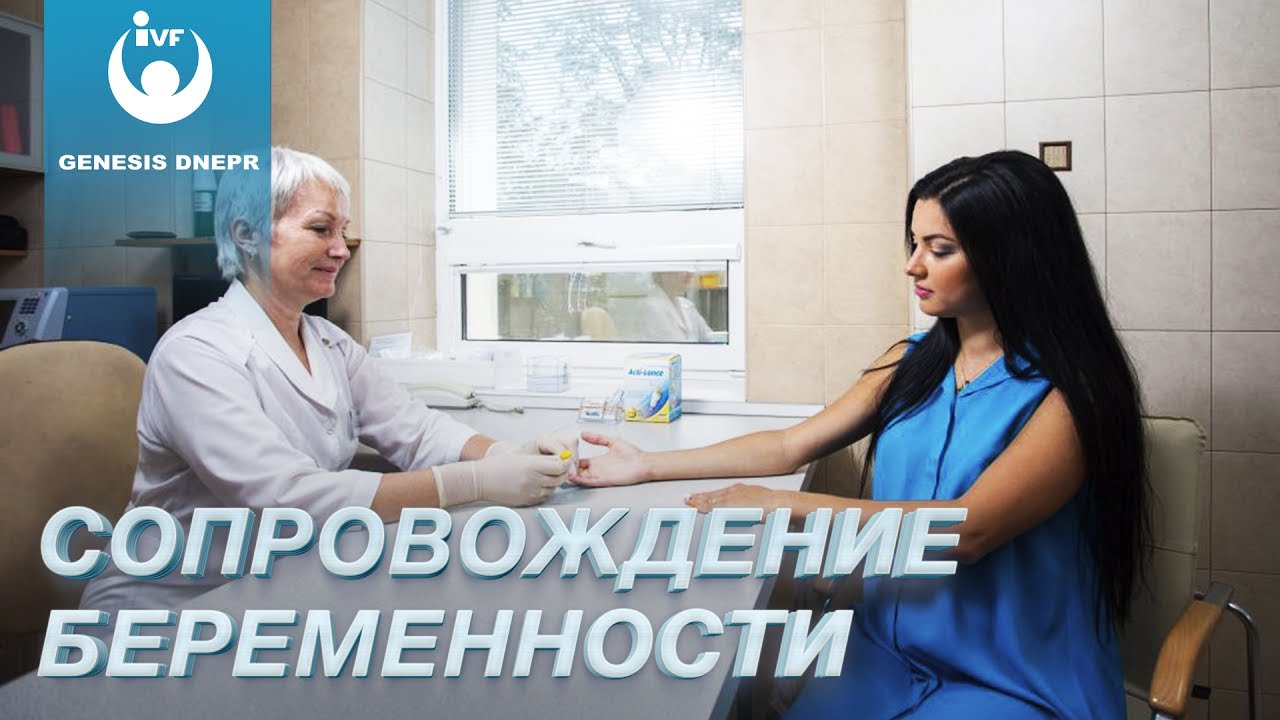
Pregnancy support / management at GENESIS DNEPR clinic. What does "all-inclusive" mean?

Doctors Perelygin I.V. and Shevtsov A.N. on plastic surgery at Genesis Dnepr clinic. Why here?
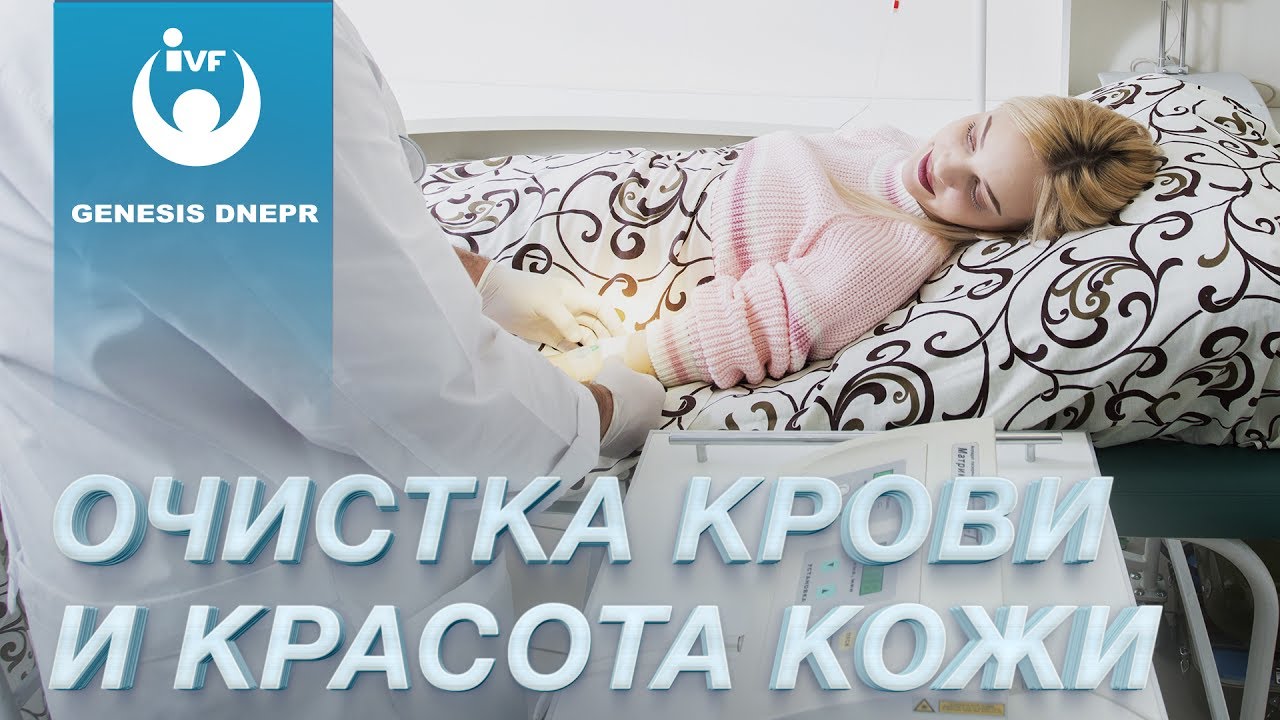
Plasmapheresis (blood purification) for improving the condition of facial and body skin. Genesis Dnepr Clinic.
You thought it was hemorrhoids, but it's cancer! Treatment and prevention of hemorrhoids. Dr. Olga Ryabchinskaya
Laser plastic surgery - quick recovery after surgery. | Surgeon Shevtsov A.N.
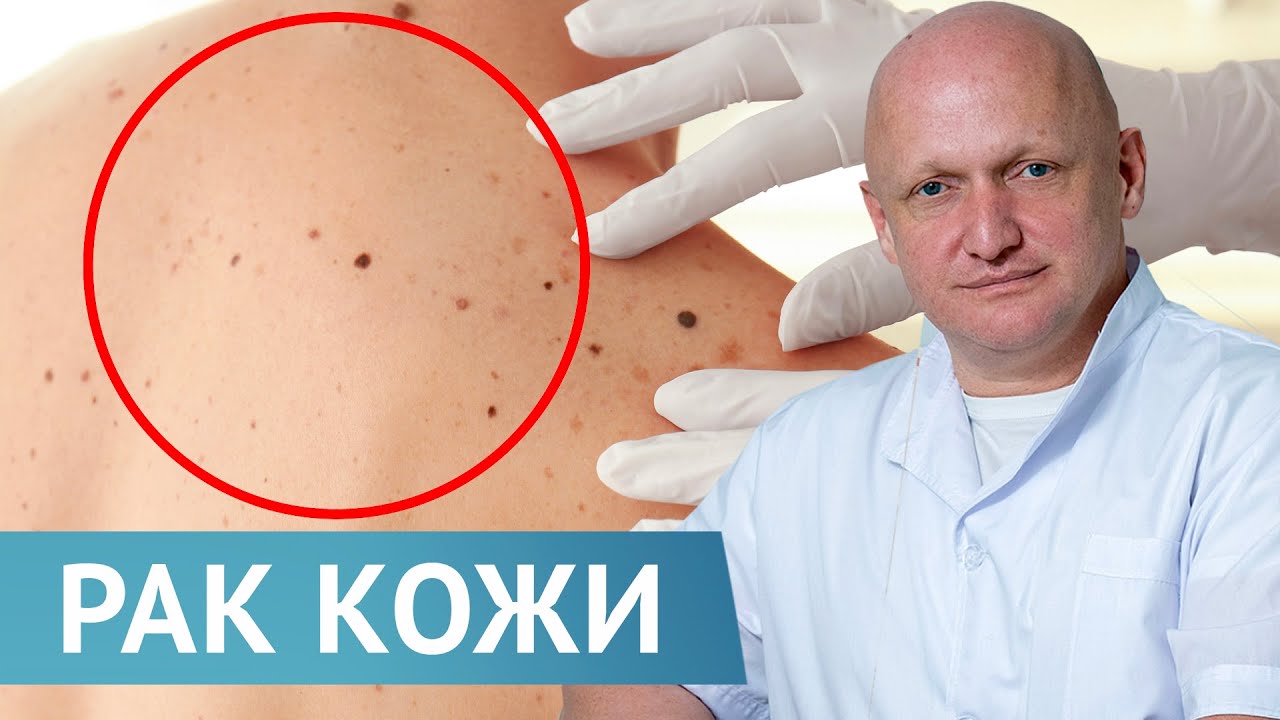
How to Defeat and Treat Skin Cancer? Dermato-oncology at GENESIS Dnepr Clinic.
Laser intimate plastic surgery without pain and operation. Treatment of the intimate area with CO2 laser MonaLisa Touch Deka.
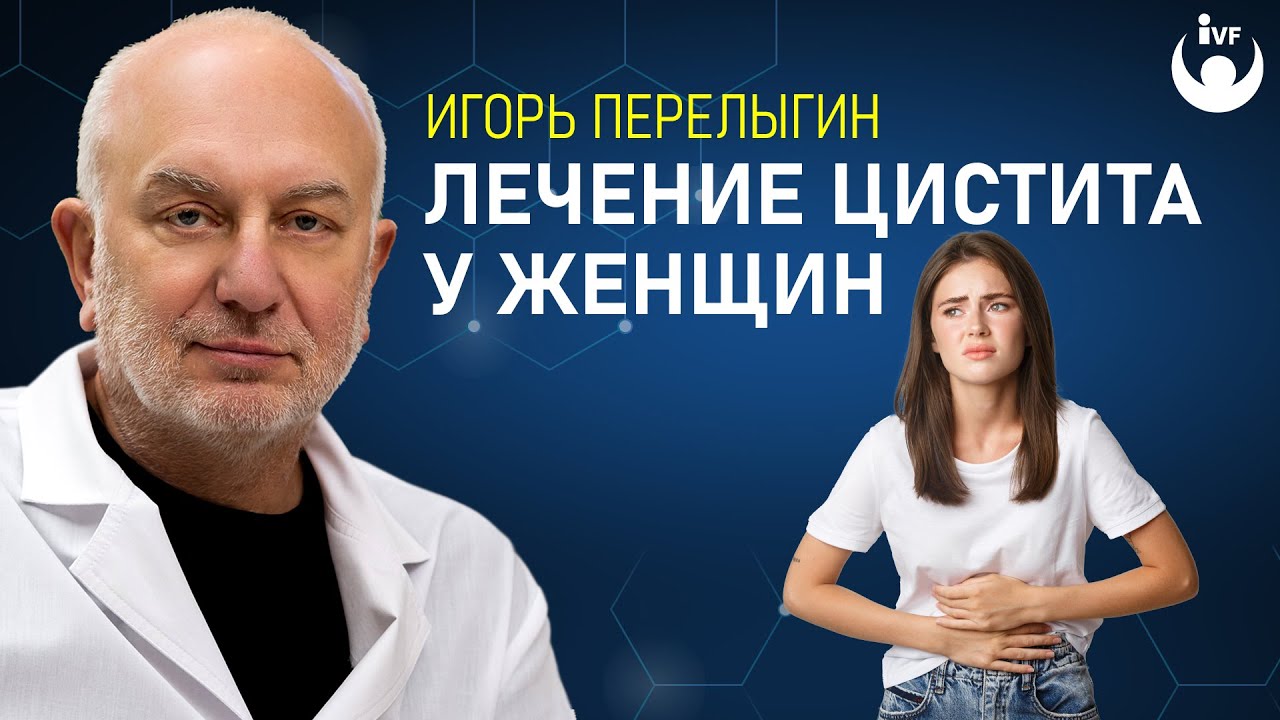
Effective treatment of cystitis in women. Treatment of chronic and acute cystitis. Causes of cystitis.
1. ЗАПИСЬ ПО ТЕЛЕФОНУ:
+38(067) 544-68-28+38 0963701324
Dermatoscopy (trichoscopy) can be useful for a trichologist, who specializes in the study and treatment of hair and scalp disorders. This method allows the trichologist to examine the scalp condition in more detail, identifying pigmented spots, growths, or other changes that may be related to hair problems.
долгота: 35.0320729


